Tissamaharama, Sri Lanka
Tissamaharama (often called Tissa) is an important historical and ecological hub in southern Sri Lanka. It was part of the ancient Ruhuna kingdom and is known for its archaeological remains, Buddhist heritage (notably the Tissamaharama Raja Maha Vihara complex), and large man-made reservoirs (tanks) such as Tissa Wewa that date to pre-modern irrigation systems. The town also serves as a gateway to major wildlife and wetland areas, including Yala and Bundala National Parks, making it significant for biodiversity, especially birds and elephants.
Last updated: 23 Oct 2025
Places to visit
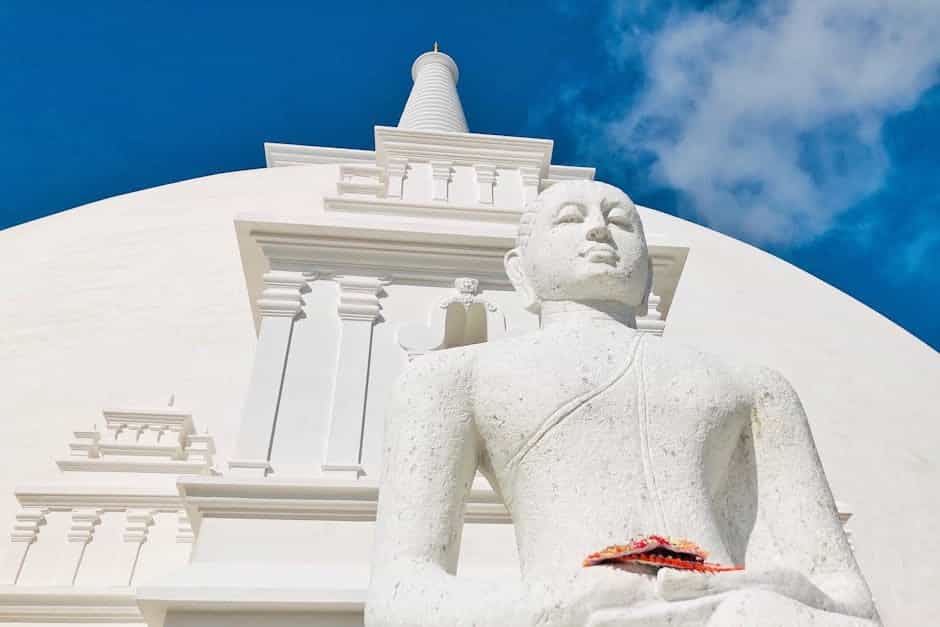
- Tissamaharama Raja Maha Vihara (ancient Buddhist temple and stupa)
- Tissa Wewa (large historic reservoir) and scenic tank-front sunset views
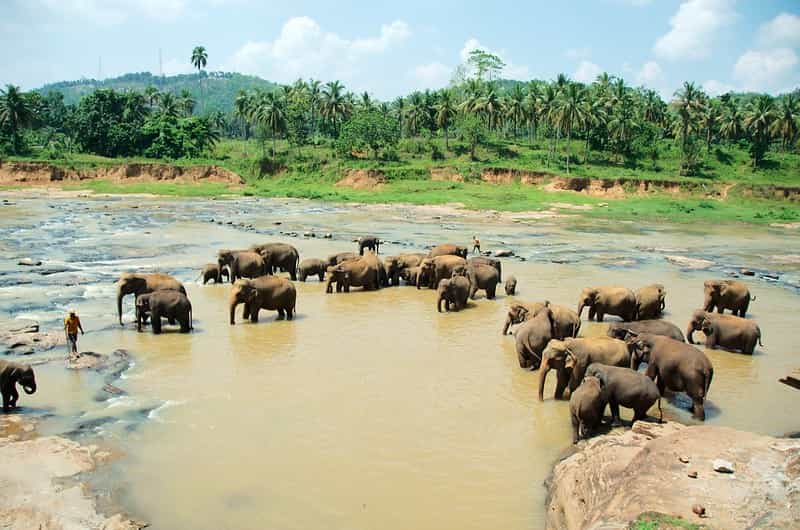
- Gateway to Yala National Park (wildlife safaris: elephants, leopards, birds)
- Bundala National Park and coastal wetlands nearby (excellent birdwatching)
- Kataragama pilgrimage town (multi-religious shrine close by)
- Local village and archaeological sites around the old kingdom of Ruhuna
Unique Aspects
- Large ancient irrigation tanks and lakes supporting wetlands and migratory birds
- Archaeological ruins and traditional Buddhist architecture (stupas, image houses)
- Frequent elephant sightings in surrounding bush and parklands
- Rich birdlife including waterfowl and migratory species
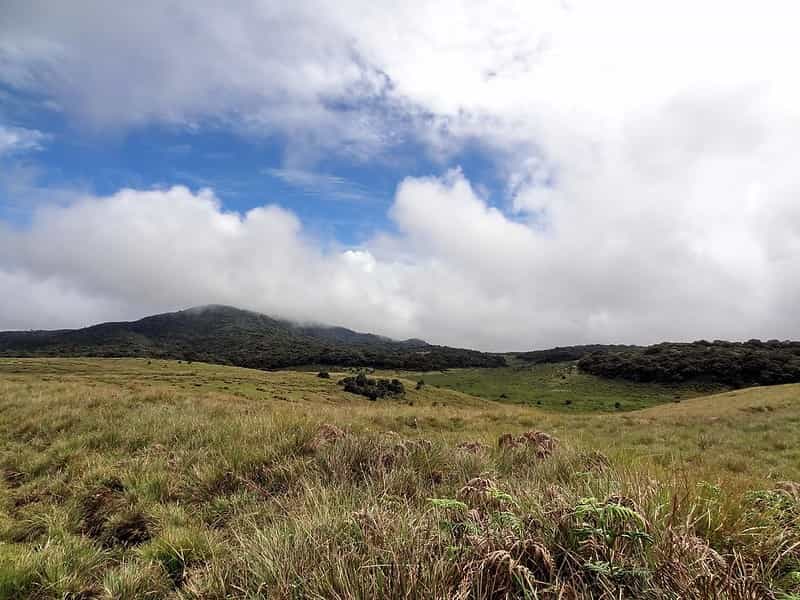
- Transition zone between dry lowland forests and coastal ecosystems
Things to do
- Wildlife safaris to Yala and nearby national parks for mammals and birds
- Birdwatching in Tissa tanks and Bundala wetlands (good for migratory species)
- Visiting the Tissamaharama Raja Maha Vihara and other local temples
- Photography of sunsets across Tissa Wewa and rural landscapes
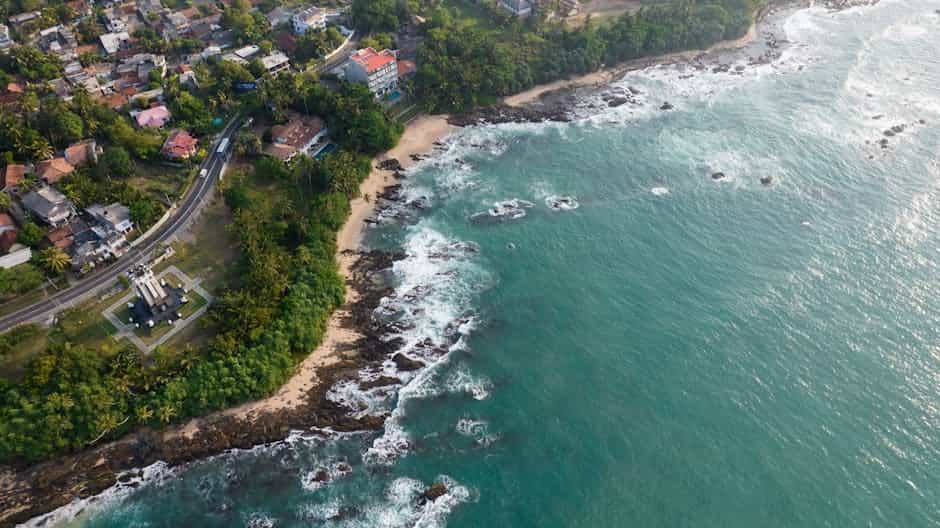
- Short cultural excursions to Kataragama and coastal villages
- Walking or cycling around the tank bunds and rural lanes
Festivals & Events
- Kataragama annual festival (a major multi-faith pilgrimage and ritual festival, usually July/August)
- Temple full-moon day observances and local Poya-day religious activities
- Occasional local religious processions and small village events tied to the agrarian calendar
Best Time to Visit
The drier months are generally best for wildlife viewing and outdoor activities — roughly February to September — although migratory birdwatching peaks in certain months. Avoid the wettest months (typically around November to January for parts of the south/southeast) if you want consistently dry conditions.
Weather Conditions
Tropical, generally hot and humid with a pronounced dry season and wetter months influenced by monsoons. Daytime temperatures commonly range from mid-20s to low 30s °C (mid-70s to high 80s °F).
Accessibility
Tissamaharama is accessible by road from Hambantota, Kataragama and other southern towns. The nearest international airport is Mattala Rajapaksa International Airport (closer) or Bandaranaike International Airport (Colombo) for wider flight options. Regular buses and local tuk-tuks connect the town; private transfers and guided safari operators are common for park access.
Recommended Duration
1–3 days based on interests — one full day for a safari and a short temple/tank visit, two to three days if you want to include birdwatching, Kataragama and a relaxed pace.
Clothing & Gear Tips
Light, breathable clothing for the heat; modest clothing (shoulders and knees covered) when visiting temples; good walking shoes, sun protection (hat, sunscreen), mosquito repellent; a lightweight rain layer in the wet season. For safaris, neutral-colored clothing and binoculars are recommended.
Local Food & Souvenirs
Try southern Sri Lankan specialties such as hoppers (appa), fresh seafood at coastal towns, rice-and-curry plates, and local sweets. Souvenirs include batik textiles, hand-carved wooden masks, cinnamon and other spices, handloom items and small Buddhist devotional items.