Trincomalee, Sri Lanka
Trincomalee (Trinco) on Sri Lanka's northeast coast is renowned for its natural deep-water harbor, one of the finest in the world, and for its long history as a strategic port. The city blends significant Hindu religious heritage (notably the ancient Koneswaram Temple), colonial-era fortifications (Portuguese, Dutch and British periods), and important marine and coastal ecosystems (coral reefs, Pigeon Island, seasonal whales and dolphins). Trincomalee has been a center for maritime trade, colonial contestation, and regional Tamil cultural life for centuries.
Last updated: 23 Oct 2025
Places to visit
- Koneswaram Temple (Konesar Kovil) - cliff-top Hindu shrine with panoramic harbor views
- Fort Frederick - colonial-era fort built around the temple complex (Portuguese/Dutch/British influences)
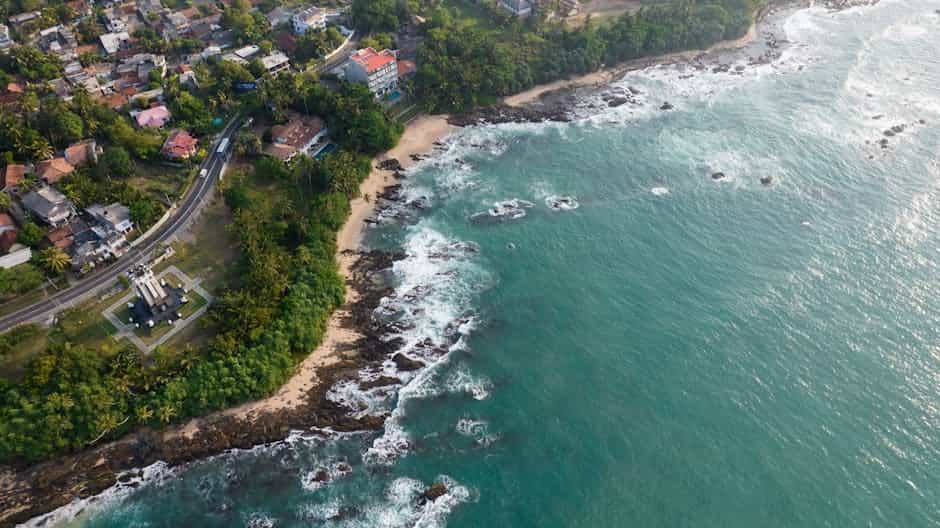
- Nilaveli & Uppuveli Beaches - wide sandy beaches with clear water and good swimming
- Pigeon Island National Park - coral reefs, snorkeling and marine life (boats depart from Nilaveli)
- Kanniya Hot Springs - a group of ancient bathing wells with cultural significance
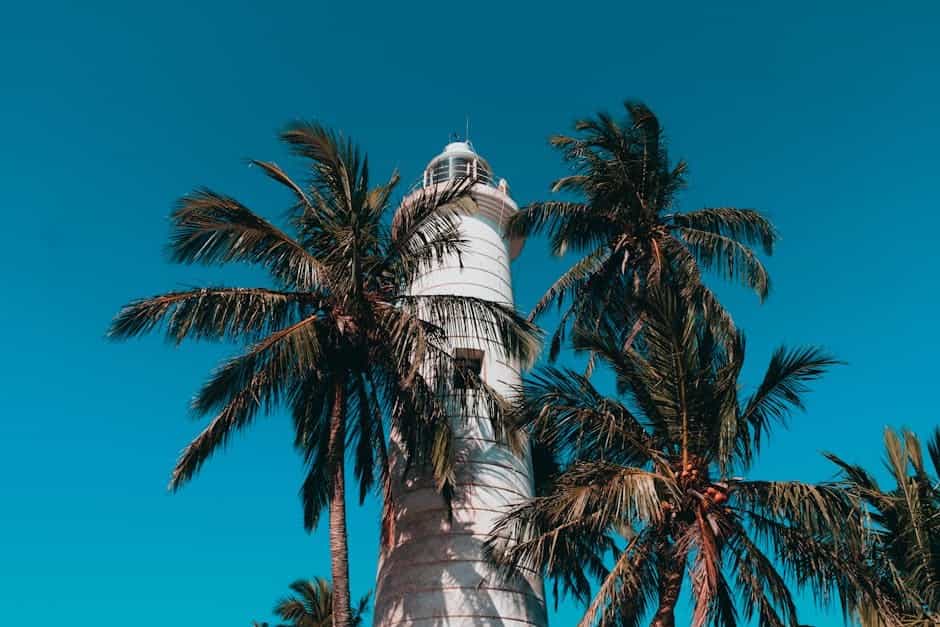
- Trincomalee Harbour / Swami Rock - natural deep-water harbor and iconic headland
- Trincomalee War Cemetery - remembrance site for WWII casualties
- Whale & Dolphin Watching Tours - seasonal marine mammal excursions from Trincomalee
Unique Aspects
- One of the world's natural deep-water harbors with strategic maritime importance
- Well-preserved coral reef systems near Pigeon Island offering snorkeling and diving
- A multi-layered cultural landscape combining Hindu pilgrimage, colonial architecture and fishing villages
- Seasonal sightings of blue whales, sperm whales and multiple dolphin species
- Unique coastal hot springs (Kanniya) and rock-cut temples with spectacular views
Things to do
- Visit and participate respectfully at Koneswaram Temple (sunrise views suggested)
- Snorkel or dive at Pigeon Island to see corals, reef fish and turtles
- Relax on Nilaveli and Uppuveli beaches; try local seafood at beachfront cafés
- Take a whale- and dolphin-watching boat trip (seasonal — check operators for best months)
- Explore Fort Frederick, Swami Rock viewpoints and nearby colonial remains
- Dip in the Kanniya hot springs and learn about local rituals
- Day trips to nearby historical sites (Trincomalee town market, war cemetery, temples)
- Join a guided wildlife or birdwatching walk in coastal lagoons and mangroves
Festivals & Events
- Koneswaram Temple Chariot (Ther) Festival and other temple ceremonies (important Tamil Hindu celebrations)
- Thai Pongal and Navaratri observed by local communities with cultural events
- Seasonal boat race events and local fisheries festivals (check local listings)
- Occasional marine conservation and eco-tourism events promoting Pigeon Island and reef protection
Best Time to Visit
Best months: April–September (east-coast dry season with calmer seas ideal for snorkeling, diving and whale watching). The northeast monsoon (rougher seas) typically affects the area from October–January, so water activities may be limited then.
Weather Conditions
Tropical climate: hot and humid year-round. Typical daytime temperatures range from 26–32°C (79–90°F). Coastal breezes moderate heat; expect occasional heavy showers especially near monsoon transitions.
Accessibility
Nearest major international airport: Bandaranaike International Airport (Colombo) — ~5–7 hours by road. There is a smaller China Bay/Trincomalee domestic airport with limited services. Rail and intercity bus services connect Trincomalee to Colombo and other cities (A15 road). Local transport: tuk-tuks, taxis and private drivers; boats for island trips. Roads within and around Trincomalee are generally passable but expect longer travel times for remote beaches and dive sites.
Recommended Duration
Recommended stay: 2–4 days to cover main temples, beaches, a Pigeon Island trip and optional whale/dolphin watching. Extend to a week for relaxed beach time and extra diving/snorkeling.
Clothing & Gear Tips
Pack light, breathable clothing; modest attire for temple visits (cover shoulders and knees). Bring reef-safe sunscreen, a hat, sunglasses, swimwear, water shoes for rocky shorelines, a snorkel/mask if you prefer personal gear, and a light rain jacket for sudden showers.
Local Food & Souvenirs
Local foods: fresh seafood (crab curry, grilled fish), Sri Lankan rice-and-curry, hoppers (appa), coconut sambol and fish ambul thiyal (sour fish). Souvenirs: seashell crafts, locally woven textiles, hand-made jewelry, carved wooden items and small religious icons from temple shops. Support local vendors and ask about sustainable options when buying marine-related souvenirs.