Udawalawe National Park, Sri Lanka
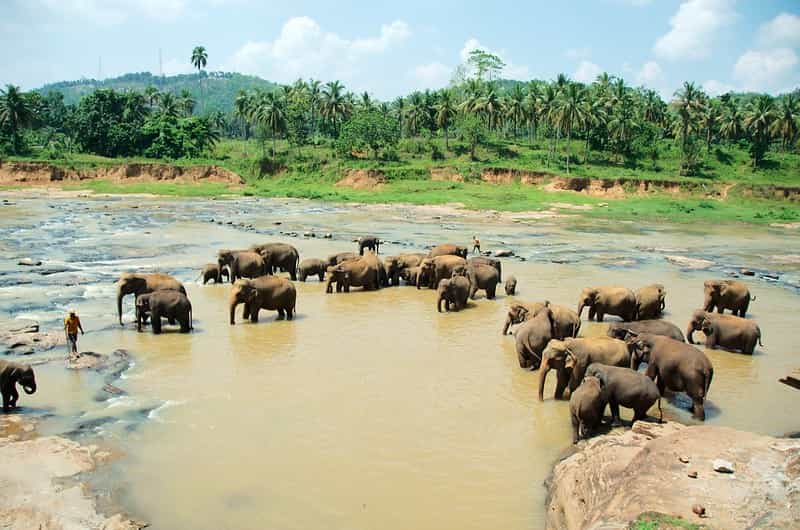
Udawalawe National Park was established in 1972 primarily to protect the catchment of the Udawalawe Reservoir and provide a habitat and corridor for large mammals, especially elephants. It is one of Sri Lanka's premier dry-zone parks and is internationally recognized for its healthy population of wild Asian elephants. The park also supports a wide range of dry-zone flora and fauna including water buffalo, sambar deer, spotted deer, sloth bears, crocodiles, and numerous resident and migratory bird species.
Last updated: 23 Oct 2025
Places to visit
- Large wild elephant herds frequently seen near the reservoir and open grasslands
- Udawalawe Reservoir with shoreline wildlife viewing and scenic vistas
- Elephant Transit Home — rehabilitation and release centre for orphaned calves (visitor viewing at scheduled times)
- Diverse birdlife including raptors, waterfowl and endemic dry-zone species
- Jeep safaris offering close-up wildlife photography opportunities
Unique Aspects
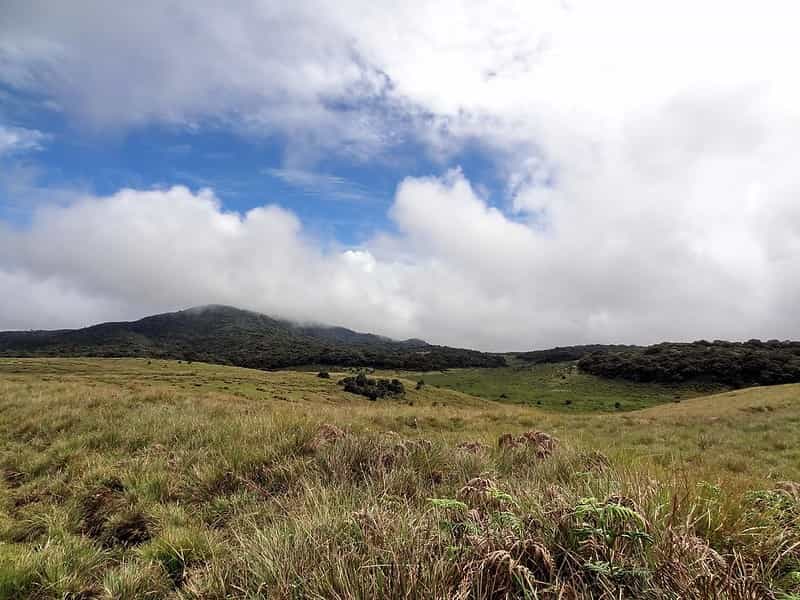
- Open savanna-like grasslands and scrub that allow exceptionally good visibility for wildlife
- The reservoir’s shoreline that attracts concentrations of animals in dry months
- High likelihood of elephant sightings at close range compared with many other parks
- A functioning conservation and rescue facility (Elephant Transit Home) adjacent to the park
Things to do
- Guided jeep safaris (half-day and full-day) across designated routes within the park
- Visit to the Elephant Transit Home (public viewing of feeding and rehabilitation at scheduled times)
- Guided birdwatching from hides or along the reservoir edge
- Photography safaris at sunrise and sunset for dramatic light on wildlife
- Short guided nature walks and learning programs offered by local guides or centres (where permitted)
Best Time to Visit
Dry season (best wildlife visibility): generally the drier months when animals concentrate around water — many visitors find good viewing from May to September and also favorable conditions in parts of December to March. The park is accessible year-round but heavy rains can reduce visibility and vehicle access.
Weather Conditions
Tropical dry-zone climate: hot days with temperatures commonly between 25–35°C (77–95°F), cooler mornings and evenings. Short convective showers can occur during transitional months; bring sun protection and stay hydrated.
Entry Fees & Permits
Park gates typically open early morning (around 05:30–06:00) for sunrise safaris and close around late afternoon (around 17:30–18:00). Entry fees and vehicle charges vary by nationality and vehicle type and are revised periodically — expect separate charges for foreign visitors, local visitors, vehicles, and camera fees. The Elephant Transit Home also has set public viewing times and may charge a small fee or request donations. Always check current rates and opening hours with the Department of Wildlife Conservation or your tour operator before travel.
Accessibility
Easily reachable by road from Colombo (approx. 3.5–4.5 hours by car depending on traffic). Nearest towns and guesthouse clusters are Udawalawe and Ambalantota/Embilipitiya. Nearest international airports: Bandaranaike International Airport (Colombo, longer drive) or Mattala Rajapaksa International Airport (closer by road depending on route). The park is accessible to most visitors; jeep safaris are the primary way to explore, though mobility-impaired visitors should confirm vehicle accessibility with operators in advance.
Recommended Duration
A minimum of a half-day safari is recommended to get good sightings; ideally spend 1–2 days (one morning and one late-afternoon/evening session or a full-day) to maximize chances of seeing elephants and birds. Add an extra day if you plan to visit the Elephant Transit Home and local attractions.
Clothing & Gear Tips
Light, breathable neutral-coloured clothing (khaki/olive), a wide-brim hat, sturdy closed shoes, sunscreen, sunglasses, insect repellent, binoculars, a telephoto lens for photography, and a light rain jacket during transitional months. Carry water and snacks, and a small first-aid kit.
Local Food & Souvenirs
Nearby guesthouses and local eateries serve Sri Lankan staples such as rice-and-curry, kottu, and grilled fish. Try local coconut-based dishes and tropical fruits. Souvenirs include hand-made batik, wood-carvings, elephant-themed handicrafts, and locally produced spices — buy from reputable vendors or community-run shops to support local livelihoods.