Wilpattu National Park, Sri Lanka
Wilpattu National Park is one of Sri Lanka's largest and oldest national parks, covering approximately 1,317 square kilometers along the northwest coast. The park is renowned for its unique chain of natural lakes known as 'villus'—shallow, sand-rimmed freshwater lakes that create a mosaic of wetland habitats supporting rich biodiversity. Wilpattu is particularly significant for its role as a stronghold for the Sri Lankan leopard, as well as for numerous endemic and migratory bird species, elephants, sloth bears, and aquatic life. The park's combination of dry zone forests, scrubland, grasslands, and villus offers a distinct ecological landscape that contrasts with Sri Lanka's wet-zone parks, contributing to its scientific and conservation importance.
Last updated: 23 Oct 2025
Places to visit
- Leopard sightings in their natural habitat
- Villus (natural freshwater lakes) such as Nallathanni, Kumbukkadawala, and Kanuragala
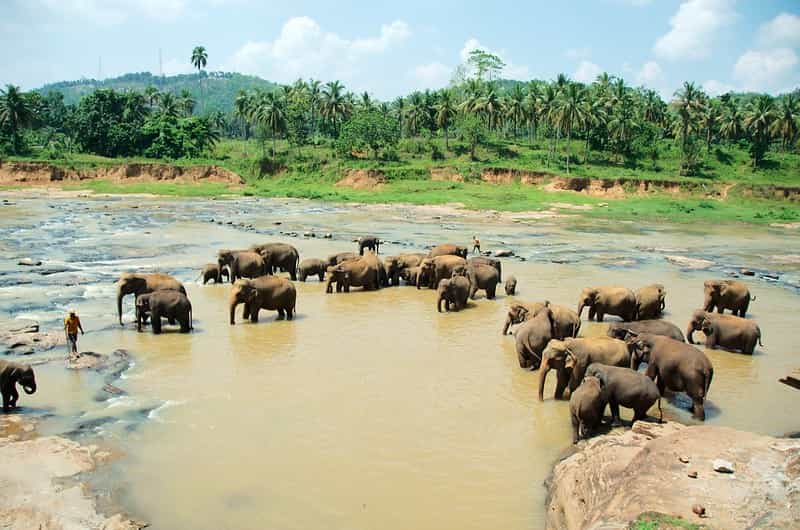
- Large mammal sightings: elephant, sloth bear, water buffalo
- Birdlife including painted storks, pelicans, raptors and migratory waterfowl
- Remote, less-crowded safari experience compared to Yala National Park
- Prehistoric ruins and ancient village remains near park boundaries
Unique Aspects
- Unique villu ecosystem—seasonally variable shallow lakes that attract diverse wildlife
- Extensive dry-zone forest and scrubland habitat
- Coastal proximity—combines inland wildlife with nearby beaches and lagoons
- Relatively low visitor density offering a wilder, more solitary experience
- Mosaic of habitats enabling high biodiversity and scenic contrasts
Things to do
- Jeep safaris (early morning and late afternoon are best for wildlife viewing)
- Birdwatching and guided nature walks in permitted areas
- Photography of wildlife and scenic villus
- Staying at eco-lodges and campsites near park access points
- Boat trips in nearby lagoons (outside the park) and combined coastal excursions
Best Time to Visit
December to April for drier conditions and higher wildlife visibility; October–November can be good post-monsoon when villus fill and attract birds. The park is closed annually for a short period during the southwest monsoon in certain years—check current park notices.
Weather Conditions
Tropical dry zone climate: hot and dry from May to September with afternoon temperatures often 30–35°C (86–95°F); cooler mornings during December–February with temperatures around 20–28°C (68–82°F). Rainfall is seasonal, heavier during the northeast monsoon (October–January) in this region's cycles.
Entry Fees & Permits
Entry fees vary for residents and foreign visitors and may change—expect a park entrance fee plus vehicle and guide charges. Typical jeep safari durations are 3–6 hours. Gates commonly open around sunrise and close around sunset; exact timings depend on the park block (there are multiple access blocks such as Willpattu West, etc.). Pre-booking safaris through authorized operators is recommended.
Accessibility
Wilpattu is accessible by road from Colombo (approximately 4–5 hours by car) and from the cultural and northern regions. Nearest major airports: Bandaranaike International Airport (CMB) near Colombo (~3–4 hours by road). Mannar and Anuradhapura are nearby regional hubs. Multiple park entry points (villages like Wilpattu North, Wilpattu South) require 4x4 vehicles for safaris; public transport reaches nearby towns but private transfers or tours are easiest for direct park access.
Recommended Duration
2–3 days to allow for multiple safaris at different times of day and to explore nearby coastal sites; a single full-day safari is possible for short visits.
Clothing & Gear Tips
Lightweight, breathable neutral-colored clothing; long sleeves and trousers for early mornings/evenings to deter insects; good sun protection (hat, sunglasses, sunscreen); sturdy shoes for short walks; binoculars and long lenses for wildlife photography; insect repellent and basic first-aid.
Local Food & Souvenirs
Local coastal and Sri Lankan dry-zone cuisine available in nearby towns—try fresh seafood, rice and curry, and local snacks. Souvenirs include handwoven textiles, local handicrafts, batik, and carvings from nearby villages. Support community-run eco-lodges and ethical craft sellers.