Doi Inthanon National Park waterfalls & summit
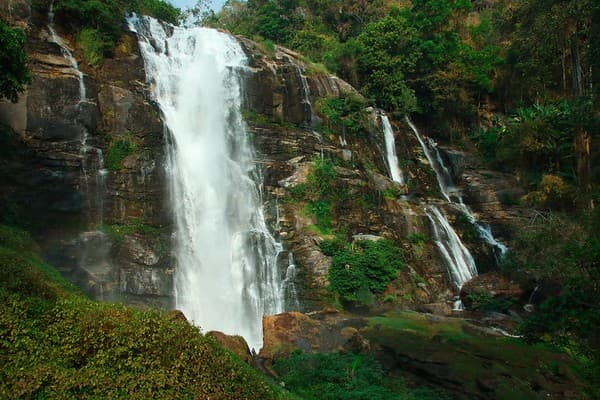
Doi Inthanon National Park is Thailand's highest peak and a biodiversity hotspot near Chiang Mai. This activity combines visits to several of the park's dramatic waterfalls (Wachirathan, Mae Ya, Siriphum, Mae Klang) with the ascent to the Doi Inthanon summit (approx. 2,565 m), including the famous King and Queen pagodas, cloud/mossy forest trails and panoramic viewpoints.
Location
Doi Inthanon National Park, near Chom Thong / Chiang Mai, Thailand
Duration
Half-day (4–5 hours) to full-day (8–10 hours); multi-day for extended trekking
Best Time to Visit
November to February for cool, clear weather and rhododendron blooms; the rainy season (June–October) yields the fullest waterfalls but trails can be muddy and some roads slippery.
Pricing
Approximate prices (subject to change):
- Park entry fee: ~300 THB per foreign adult, ~150 THB per foreign child; Thai nationals lower rates. Vehicle fee typically 30–50 THB. (Pay at park office.)
- Private half-day/transfer-only: ~1,200–2,500 THB per vehicle (depending on vehicle & distance). Guided full-day tours from Chiang Mai: ~1,200–2,800 THB per person. Hires and multi-day packages cost more.
- Optional: guide fees, food, souvenirs and optional trekking permits extra. Always check current rates at the park office or with your operator.
Activity Type
Coordinates
Highlights
Thailand's highest peak (summit ~2,565 m) and panoramic viewpoints
King and Queen pagodas with well-maintained gardens and vistas
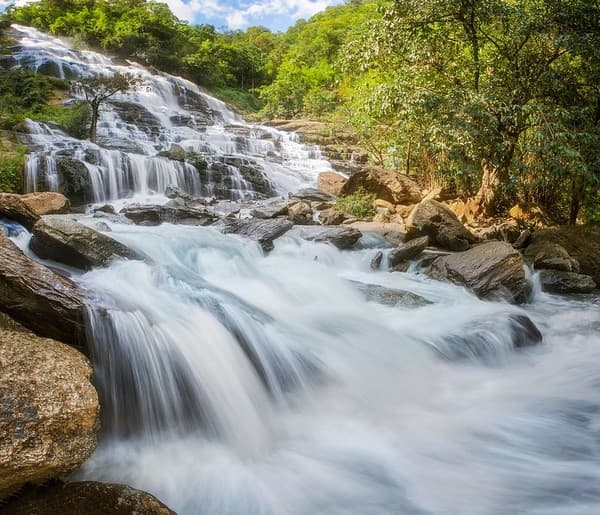
Multiple waterfalls: Wachirathan (powerful), Mae Ya (one of the tallest), Siriphum (picturesque) and Mae Klang
Cloud/mossy forest and endemic birdlife (ideal for birdwatching)
Short, accessible nature trails (e.g., Ang Ka Luang) and hill-tribe villages/markets
Cooler mountain climate — a contrast to Chiang Mai city
Itinerary
Pickup from Chiang Mai / transfer to Doi Inthanon
Start early to maximize daylight and cooler morning temperatures; travel time ~1.5–2 hours depending on pick-up point and traffic.
Wachirathan Waterfall
A powerful, easily accessible fall beside the main road. Good for photos — watch for mist and slippery rocks.
Siriphum (Sirithan) Waterfall / Mae Klang (seasonal)
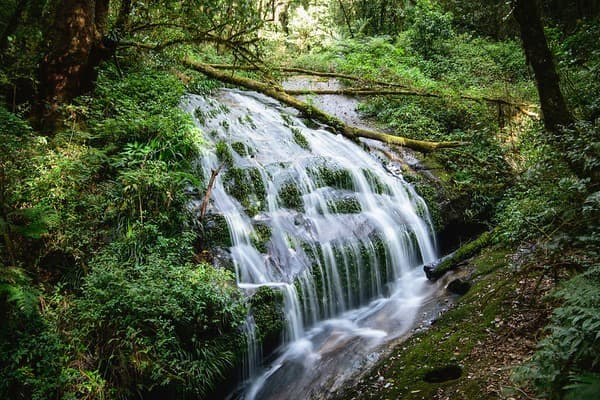
Smaller, scenic falls with pools and rock formations; best seen in the rainy season when flow is stronger.
Mae Ya Waterfall or short trek to viewpoints
Mae Ya is one of the park's tallest and most photogenic waterfalls — reaching it can require a short walk/hike depending on which viewing point you choose.
Lunch at a local restaurant or picnic in the park
Sample northern Thai dishes; carry snacks/water if you prefer quicker stops.
Summit area: King & Queen Pagodas and viewpoint
Drive to the summit area (2,565 m). Walk the well-maintained gardens and enjoy panoramic views — bring warm layers as it can be quite cold.
Short hikes: Ang Ka Luang Mossy Forest trail or nature trails
Easy boardwalk/stomp trails through mossy cloud forest; great for birding and endemic plants.
Visit hill-tribe market or local viewpoint; return to vehicle
Opportunity to buy handicrafts or visit nearby Hmong/Lahu villages (respect local customs and ask before photographing).
Return to Chiang Mai
Arrive back in Chiang Mai in the early evening depending on traffic and stops.
Safety Requirements
Altitude: summit ~2,565 m — dress in warm layers; temperatures can be very cool, especially early morning and late afternoon
Wear sturdy, closed-toe footwear for slippery trails and wet rocks around waterfalls
Trails and rocks can be slippery after rain — exercise caution and avoid climbing on falls
Carry water, sun protection and basic first-aid; insect repellent recommended
Observe park rules: no littering, no feeding wildlife, no unauthorized drone use (permits may be required)
Park hours and access rules can change — confirm opening times and road conditions, especially during heavy rain or landslides
Tips
Start early to avoid crowds and maximize time at each spot
Bring warm clothing (windbreaker/fleece) and a light rain jacket during rainy season
Carry cash for park fees, small purchases and local food stalls (some places do not accept cards)
If you're a birdwatcher, bring binoculars; dawn and early morning are best for sightings
Hire a local guide/driver if you want history, birding help, or easier navigation — roads are steep and winding
Respect local hill-tribe communities: ask permission before photographing people and buy crafts directly from vendors if interested
Check road conditions during the rainy season — some sections can be slippery or temporarily closed