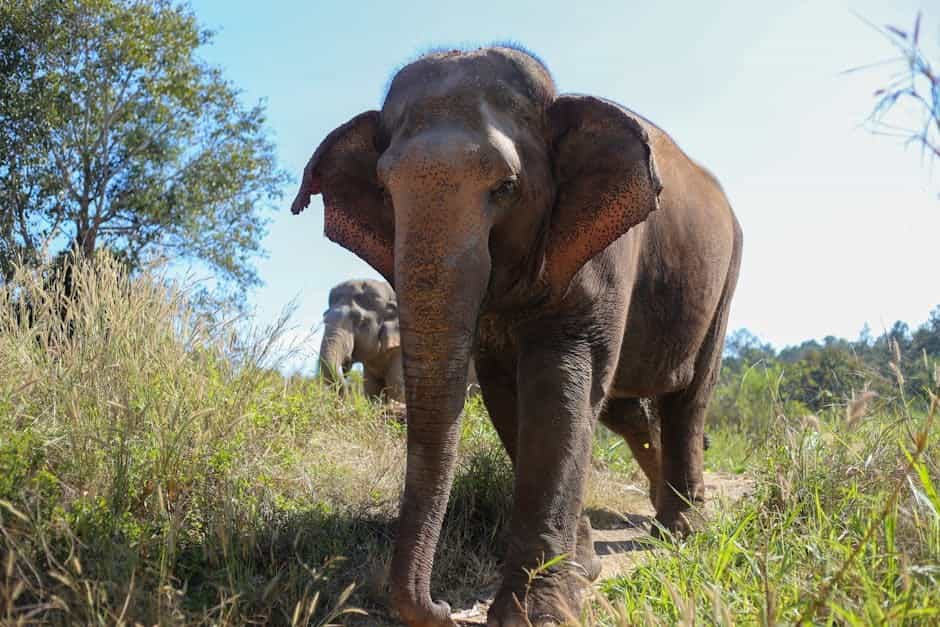
Hellfire Pass Memorial & walking trail
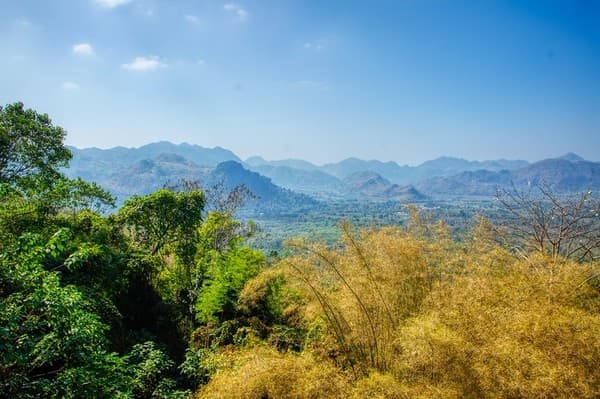
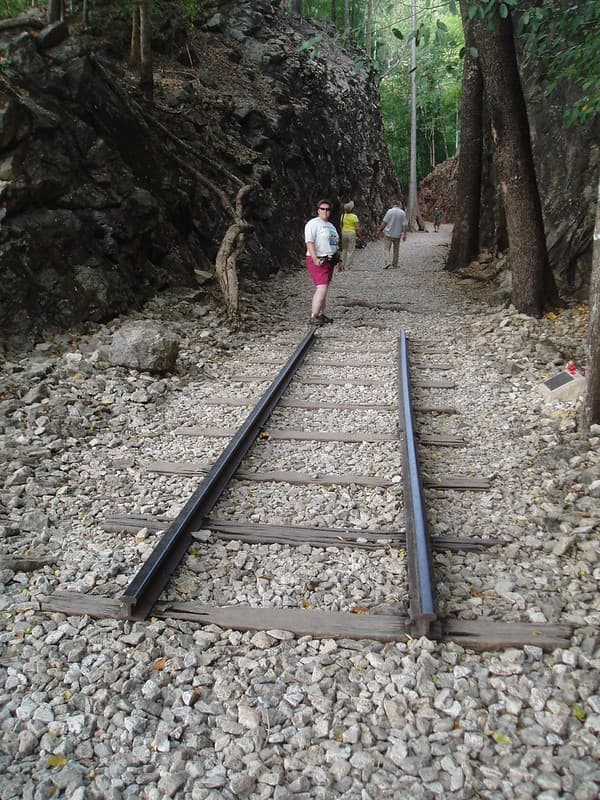
Hellfire Pass (Konyu Cutting) is a World War II–era railway cutting carved by Allied prisoners of war and Asian labourers under Japanese occupation. The site and adjacent Visitor Centre/Museum commemorate those who died building the Thai-Burma Railway (Death Railway). The walking trail follows an original section of the railway and cuts through the dramatic rock face where workers laboured under extreme conditions. Visiting combines history, quiet reflection, and light trekking through a preserved landscape.
Location
Hellfire Pass (Konyu Cutting) & Hellfire Pass Memorial Museum, Kanchanaburi, Thailand
Duration
Typical visit: 2–4 hours (Museum 30–60 minutes; walking trail 60–90 minutes round-trip depending on pace and stops).
Best Time to Visit
November–February (cool, dry season). Visit early morning (opening time) to avoid heat and midday crowds; avoid the monsoon months (June–October) when the trail can be slippery.
Pricing
Museum/Visitor Centre: approximately 100–200 THB suggested donation for foreign adults (varies by season and operator). Hellfire Pass walking trail: free (small local fees/donations may apply for guided tours). Train from Kanchanaburi to Nam Tok (nearest rail access): ~30–70 THB depending on class.
Activity Type
Coordinates
Highlights
World War II memorial museum with photographs, personal artefacts and interpretive displays.
Hellfire Pass cutting — the dramatic rock gorge carved by forced labour (most evocative at dawn/early morning light).
Original railway alignment and footbridge viewpoints offering interpretation panels in English and Thai.
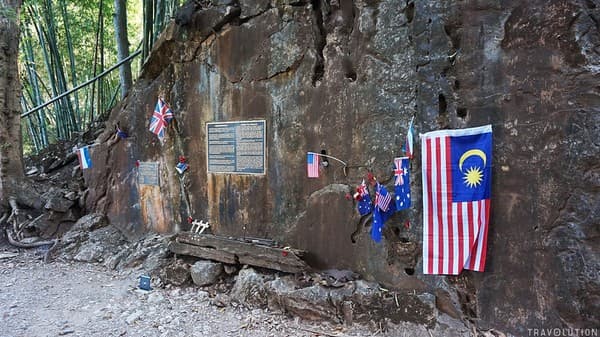
Peaceful forest walk interspersed with historical markers and memorial plaques.
Nearby access by the scenic Death Railway (train to/from Nam Tok) — a historical rail experience.
Itinerary
Arrive at Hellfire Pass Visitor Centre / Museum
Buy ticket/donate, watch the short introductory film (if available) and read the orientation panels to understand the historical context.
Museum exhibits and reflection
Allow 30–45 minutes to view exhibits, photographs, and personal stories. There are sheltered interpretation displays and rest areas.
Begin walking trail to Hellfire Pass cutting
Trail is mostly well-marked, with steps and boardwalks in sections. Expect 30–45 minutes each way at a relaxed pace with stops for photos and reading panels.
Pause at the cutting and memorial plaques
Time for quiet reflection. Respect the site: keep noise low and follow signage; some areas are designated for memorial observance.
Return to Visitor Centre
Refreshments and toilets are available at the Centre. Option to catch the afternoon train back via Nam Tok station (check schedules).
Safety Requirements
Wear sturdy closed-toe footwear with good grip — sections can be uneven, rocky or muddy after rain.
Bring sufficient water and sun protection (hat, sunscreen); limited shade on parts of the trail.
Insect repellent recommended — mosquitoes and ticks can be present in forested sections.
Respect restricted areas: follow trails and signage; do not climb on unstable rock faces.
If you have mobility issues, check accessibility in advance — some sections include steps and boardwalks.
Tips
Arrive early (opening time) to avoid the heat and crowds and to get the best light for photos of the cutting.
Combine with a scenic ride on the Death Railway (train to Nam Tok) — check timetables and platform details at Kanchanaburi station.
Bring a printed or offline map/screenshot — mobile reception can be patchy along the trail.
Carry small cash for donations, refreshments, and local transport — ATMs may be limited in rural areas.
Be respectful: this is a war memorial site. Keep voices low, do not litter, and follow any requests from staff or guides.
Hire a local guide if you want additional historical context and stories not covered in the displays.