Meditation retreat at a monastery
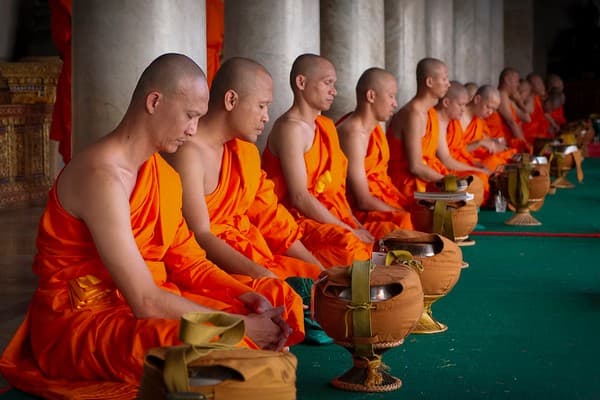
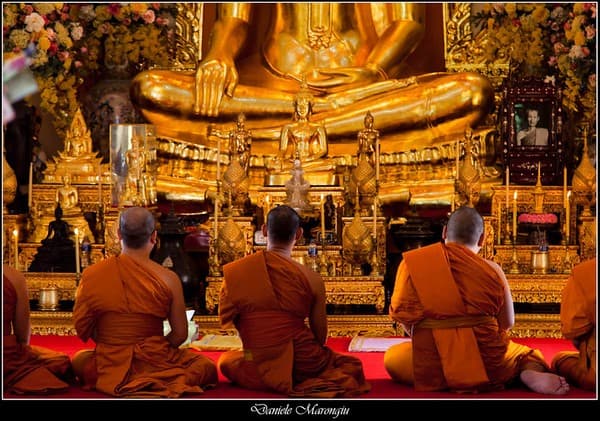
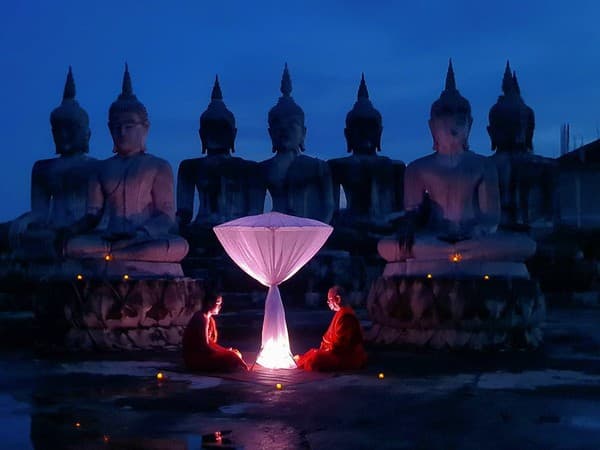
A silent or guided meditation retreat held at a traditional Thai forest monastery near Chiang Mai (examples: Wat Umong, monasteries on Doi Suthep slopes). The retreat focuses on mindfulness (Vipassana) and/or concentration (Samatha) practice within monastic discipline: daily sitting and walking meditation, short Dhamma talks, optional Dhamma interviews with a teacher, simple vegetarian meals, and periods of noble silence. Suitable for beginners with clear instructions as well as experienced meditators seeking a traditional monastery environment.
Location
Forest monastery near Wat Umong / Doi Suthep (example location), Chiang Mai, Thailand
Duration
Typical retreats: 3–10 days; many monasteries accept stays from a single weekend up to several weeks or months (by arrangement).
Best Time to Visit
November to February (cool, dry season) is ideal; March to May is hot but still suitable; avoid the heavy monsoon month peaks if you prefer dry outdoor walking meditation (June–October can be rainy).
Pricing
Many monastery retreats in Thailand operate on a dana (donation) basis — no fixed fee, only voluntary dana for the teachers and small contributions for basic lodging/food. Some organized retreats or guesthouse-style monastery programs charge a modest fee: typically THB 0–3,000 per person for 3 days (donation-based) or about THB 1,500–6,000 for a week including simple accommodation and food. Longer or foreign-language guided programs can cost more (THB 5,000–15,000+). Always check the specific monastery's website or contact them directly for exact costs.
Activity Type
Coordinates
Highlights
Daily schedule of sitting and walking meditation, often starting pre-dawn
Teachings (Dhamma talks) in English or translation depending on the monastery
Practice in a traditional monastic setting with emphasis on simplicity and discipline
Opportunity for one-on-one interviews with resident monastics or lay teachers
Simple vegetarian meals and mindful eating practice
Walking meditation in forested or temple grounds (nature setting)
Strong community energy (sangha) supportive of sustained practice
Itinerary
Registration, orientation, meet the teacher/monastic, settle into accommodation.
Bring ID/passport copy, any medication, and cash for donations or small purchases. Briefing on rules and schedule; confirm language/translation availability.
04:30 Wake-up bell, personal hygiene, light stretching.
Early start is customary; showers and toilets basic in many monasteries.
05:00–07:00 Morning sitting meditation (with short break for tea).
Guided instructions at the beginning of retreats; gradually shift to silent practice.
07:30 Simple breakfast (mindful eating).
Typically vegetarian; if you have dietary restrictions inform organizers in advance.
09:00–11:00 Walking meditation / group practice / Dhamma talk.
Dhamma talks may be given in Thai with English translation or in English directly.
12:00 Lunch (often the main meal) and rest period.
Monastic lunches may be eaten in silence; some places have two meals (breakfast + lunch).
14:00–16:00 Individual practice / interviews with teacher / work period (serving the monastery).
Many monasteries include light communal chores as part of practice (sweeping, washing).
17:30 Evening chanting or short talk; evening sitting (18:00–19:00).
Sitting practice often ends before lights-out; noble silence may continue except during assigned times.
Final Dhamma talk, Q&A, metta (loving-kindness) practice, departure procedures.
Opportunity to make dana (offerings) and receive guidance for continued practice after retreat.
Safety Requirements
If you have a history of severe mental illness (psychosis, severe depression with suicidal ideation, bipolar disorder), consult a mental health professional before attending and inform the retreat organizers — residential intensive practice may not be suitable.
Ability to sit on the floor or on a cushion for extended periods; inform staff of back/knee issues; chairs are sometimes available on request.
Bring and continue any prescribed medication; inform the organizers of medical conditions and emergency contact details.
Follow monastery rules: modest dress (shoulders and knees covered), no alcohol or recreational drugs on site, observe gender-segregated sleeping areas where required.
Be mindful of mosquito bites and sun exposure during walking meditation — bring repellent and sun protection.
Travel insurance recommended (covers emergency evacuation and medical care).
Tips
Book in advance — popular monastery retreats (and limited guest halls) can fill up, especially in high season.
Clarify whether English instruction or translation is provided, and whether the retreat is silent or allows limited conversation.
Pack simple, modest clothing (loose long pants/skirts, t-shirts or blouses that cover shoulders); a light sweater for cool mornings.
Bring a travel-sized cushion or small meditation bench if you prefer one (check with the monastery first).
Carry modest cash (Thai baht) for donations (dana), small temple-shop purchases, or transport — many monasteries don’t accept cards.
Turn off or keep phones silent and stored as requested; many retreats require limited phone use to support practice.
Adjust expectations: monastery accommodation is basic; the emphasis is on practice, simplicity, and inner work rather than comfort.
Notify your airline/hotel and plan transport — some monasteries offer pickup from Chiang Mai city or Pai on specific days; taxis/Grab are usually available but may need directions.