Phimai Historical Park
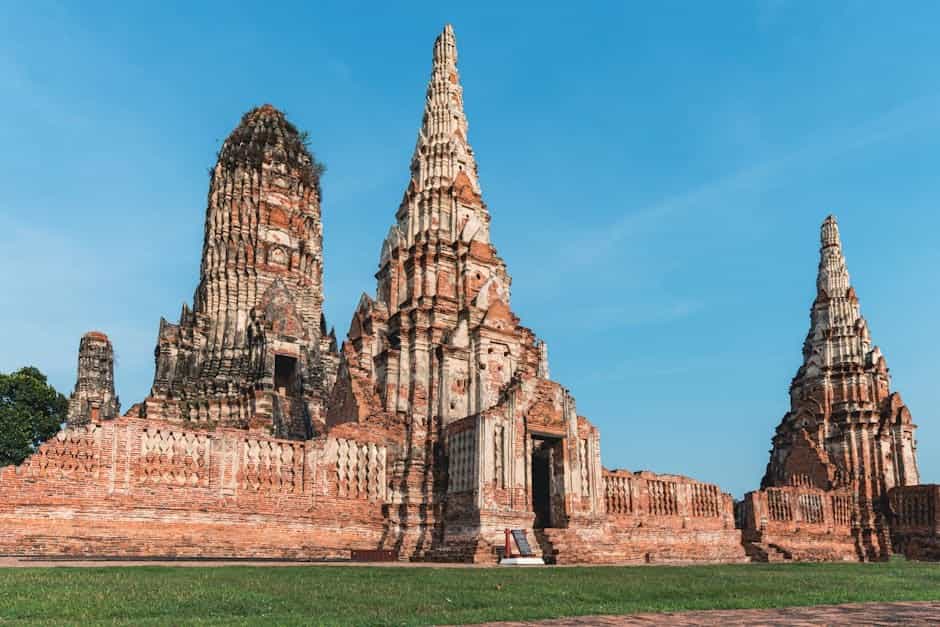
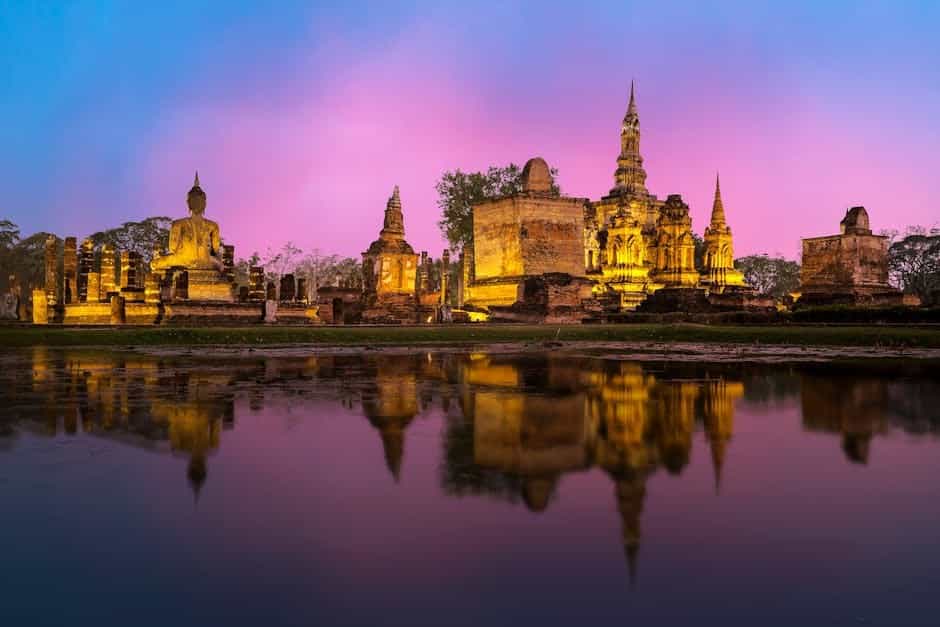
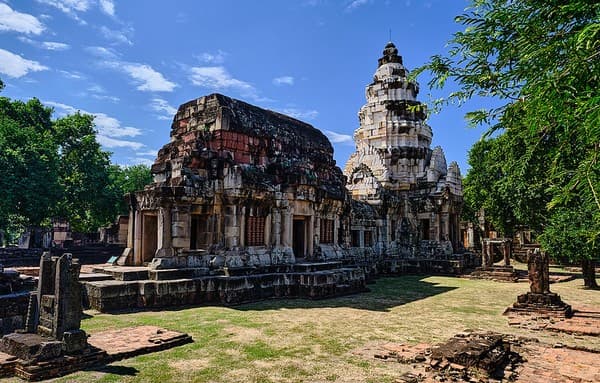
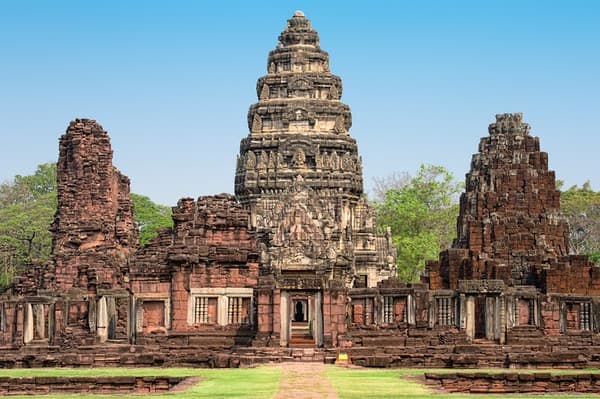
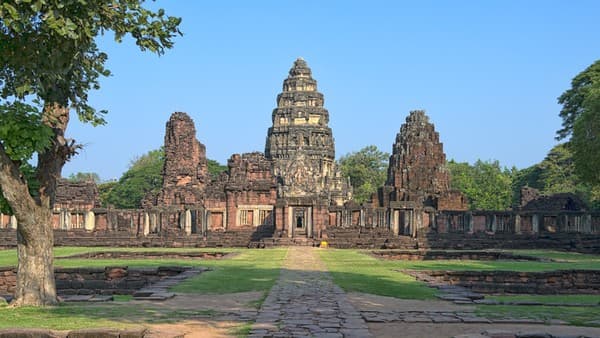
Phimai Historical Park is one of Thailand's finest Khmer temple complexes, dating mainly to the 11th–12th centuries (Khmer Empire). The well-preserved sandstone sanctuary sits inside a walled compound and was an important regional center linked historically to Angkor. Visitors will find impressive lintels, stone carvings, a central prang, and a clear east-west axis; the site offers excellent photographic opportunities and insight into Khmer art, architecture, and regional history.
Location
Phimai Historical Park, Phimai, Nakhon Ratchasima Province, Thailand
Duration
1.5–3 hours (typical); half-day if including museum and town
Best Time to Visit
Cool season (November–February) for milder temperatures and clear skies. Visit early morning (before 9:30) or late afternoon (after 15:30) to avoid heat and get best light for photography. Avoid midday in hot months (March–May).
Pricing
Approximate entrance fees (subject to change):
- Foreign adult: ฿100
- Thai national: ฿20
- Children: discounted/varies
- Phimai National Museum: may have a separate small fee
- Local guide: ฿500–฿1,200 depending on length and language
Activity Type
Coordinates
Highlights
Well-preserved Khmer temple layout and central prang
Intricate sandstone lintels, pediments and bas-reliefs
Phimai National Museum with archaeological finds
Large walled compound with an east–west axis and original causeway
Connections to the Angkorian road network and Khmer history
Annual Phimai Festival (usually February) with cultural performances and parades
Itinerary
Arrival, ticketing and orientation
Buy tickets at the ticket booth; pick up a site map or arrange a licensed local guide. Toilets and a small visitor area are at the entrance.
Guided tour of the main temple compound
Walk the central axis from the outer enclosure to the inner sanctuary. Focus on lintels, carved doorways and the central prang. Wear comfortable shoes; surfaces can be uneven.
Explore satellite structures and the eastern causeway
Visit smaller shrines, the library buildings and the causeway offering wide views and photo angles.
Phimai National Museum (optional)
Short drive or walk to the museum to see artifacts recovered from the site and regional context displays. Museum may have separate admission.
Lunch and visit Phimai town or craft shops
Try local Isaan food in town; consider combining with Dan Kwian pottery or a visit to nearby historical sites.
Safety Requirements
Wear modest clothing that covers shoulders and knees out of respect for the sacred site
Do not climb on unstable ruins or removed stones — follow signage and barriers
Wear sturdy, closed or supportive walking shoes due to uneven, slippery or sandy surfaces
Use sun protection (hat, sunscreen) and carry water — shade can be limited
Be careful on steps and steep areas; watch children closely around ledges and ruins
Follow guidance from park staff and any licensed guides; keep a safe distance from fragile carvings and structures
Tips
Visit at opening or late afternoon for cooler temperatures and softer light for photography
Hire a licensed local guide to get historical context and spot details you might miss (book at entrance or through local hotels)
Bring cash for entrance, tips, local snacks, and small purchases — ATMs are limited in town
Carry a refillable water bottle; there are limited shaded rest spots inside the compound
Respect photography rules — flash may be discouraged for some carved surfaces or museum exhibits
Combine your visit with the Phimai Festival if traveling in February for cultural performances, or pair with Dan Kwian pottery village and nearby Khmer ruins for a full day trip
Check opening hours and any local holidays; maintenance or conservation work can occasionally limit access to parts of the site