Similan Islands diving/snorkeling
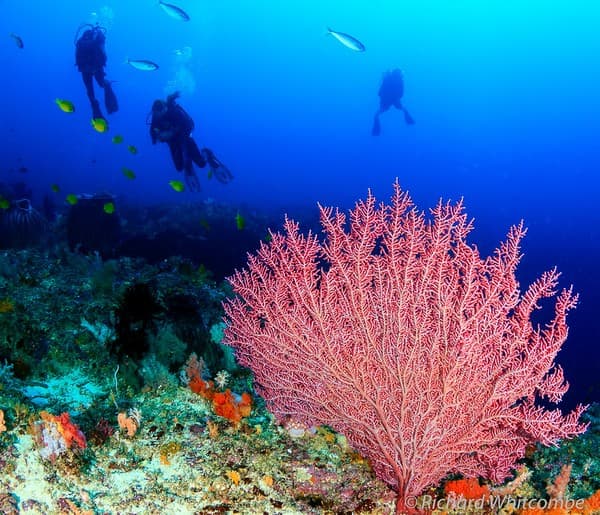
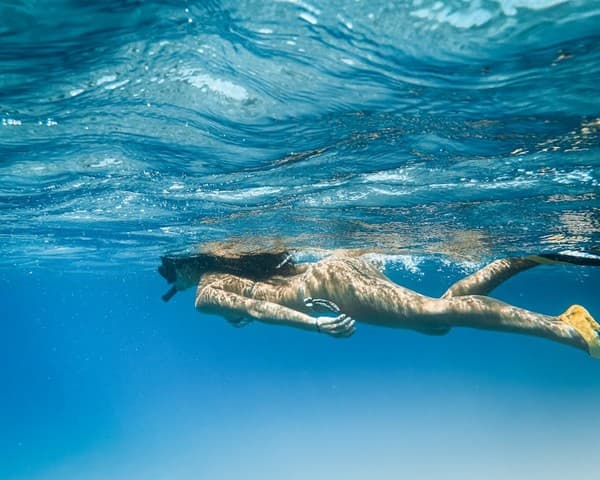
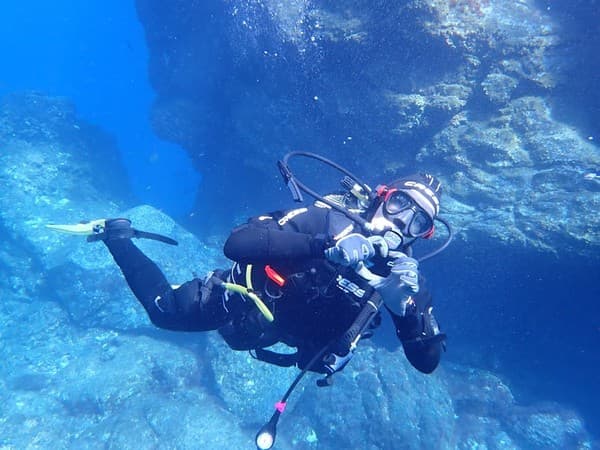
Day trips and liveaboard scuba diving and snorkeling in the Similan Islands National Park, located in the Andaman Sea off the coast of Phang Nga Province, Thailand. Famous for crystal-clear water, extensive coral gardens, dramatic granite rock formations, and abundant marine life including reef fish, sea turtles, manta rays and occasional whale sharks. Activities range from guided snorkeling tours to multi-day liveaboard dive safaris.
Location
Similan Islands National Park, Offshore from Khao Lak / Phang Nga, Thailand
Duration
Options: Single-day trips (8–12 hours) or multi-day liveaboard safaris (2–5+ nights).
Best Time to Visit
Ideal season: November to April (dry season) — calm seas, excellent visibility.** Park closed:** typically mid-May to mid-October for monsoon season (check current park dates before planning).
Pricing
Typical price ranges (per person):
- Day snorkeling trip: ~3,000–5,000 THB (includes boat transfers, lunch, equipment)
- Day 1-tank/2-tank dive trip: ~4,000–6,500 THB
- Liveaboard (2–3 nights): ~8,000–25,000 THB depending on boat class and inclusions
- National Park fee: approx. 500 THB for foreign adults (subject to change; bring cash) Note: Prices vary by season, operator, embarkation point (Khao Lak/Thap Lamu), and inclusions (gear, meals, park fees).
Activity Type
Coordinates
Highlights
Crystal-clear water with visibility often 15–30+ meters during peak season
Diverse dive sites: walls, pinnacles, bommies, shallow coral gardens, and sandy channels
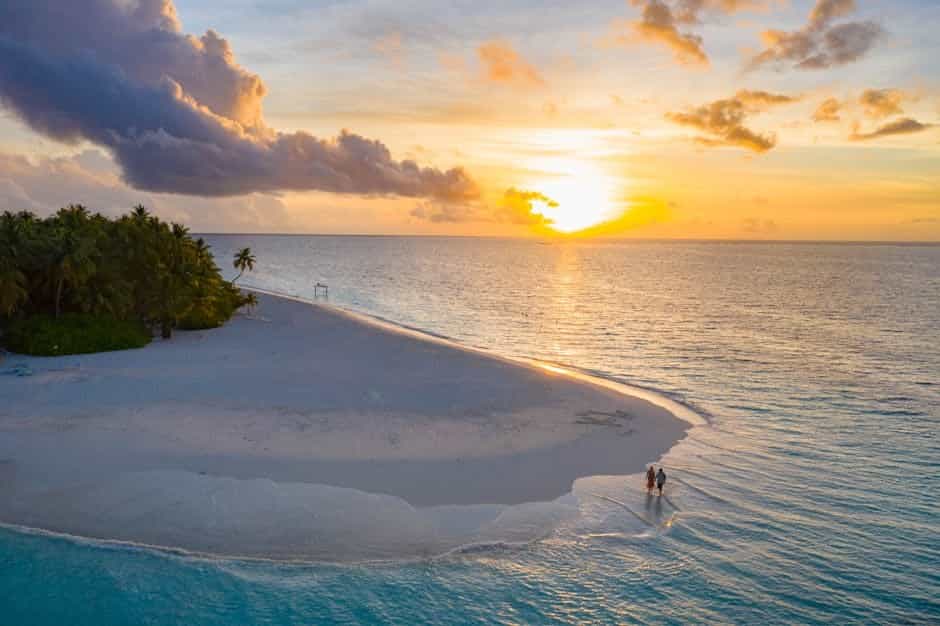
Iconic granite boulder landscapes and white sand beaches (e.g., Ao Kuerk on Koh Similan)
Regular sightings of reef fish, schools of barracuda, jacks, groupers, sea turtles, and rays
Opportunities for encounters with large pelagics (manta rays, occasional whale sharks) on certain sites/seasons
Variety of experiences: shallow snorkel-friendly bays, sheltered house reefs, and deeper drift dives for experienced divers
Itinerary
Early morning departure from Khao Lak/Thap Lamu pier; transfer by speedboat or RIB.
Expect a 1–2 hour boat run depending on sea state and exact departure point.
First snorkeling stop or dive at a sheltered bay (shallow coral gardens).
Guided snorkel brief or dive briefing; suitable for all levels for snorkeling; certified divers will do buddy checks.
On-boat lunch followed by time on one of the islands' beaches (seasonal access).
Short beach walk possible; respect protected areas and avoid taking shells or coral.
Second snorkeling/dive site — often a deeper site or a pinnacle favored by larger fish.
Many operators offer 2-tank dives for certified divers or a mix of snorkeling + one dive.
Return boat to pier; arrival typically early evening.
Transfers back to hotels in Khao Lak or nearby towns included by most operators.
Board in afternoon or evening, multiple night and day dives across several islands, extended access to remote sites, return to pier on final day.
Liveaboards maximize dive time and reach sites beyond day-trip range.
Safety Requirements
For scuba diving: valid certification (Open Water minimum) required for guided dives; advanced certification recommended for deeper/drift dives
Experience and buoyancy control required for some drift and deep dive sites; listen to dive briefings and follow guide instructions
Beware of strong currents at certain sites; non-divers/snorkelers should stay close to guides or boats
Bring diving insurance (recommended) that covers decompression illness and emergency evacuation
National Park rules: no touching/feeding marine life, no collecting coral or shells; fines apply
Park permits and fees are required and often collected by tour operators — carry cash for fees
Check medical fitness to dive and avoid diving if unwell or after long flights without appropriate surface intervals
Tips
Book early (Nov–Apr) — peak season fills fast, especially for liveaboards.
Bring reef-safe sunscreen, sun-protective clothing, hat, and sunglasses; avoid chemical sunscreens that harm corals.
Carry cash for park fees, tips, and small purchases — remote piers may not accept cards.
If you’re prone to seasickness, take precautions (patch/medication) — some boat rides can be bumpy if wind/waves pick up.
Consider a liveaboard for more and better dives or for reaching lesser-visited sites.
Respect the park: do not stand on coral, avoid bringing single-use plastics, and follow local guides.
Check current marine park closure dates (seasonal) and weather forecasts before travel.
Bring copies of your dive certification card and logbook; operators may require proof of dives for advanced sites.