Songkran water festival (April)
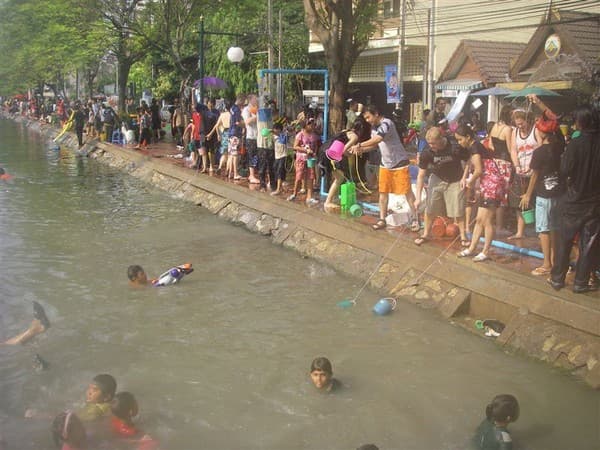
Songkran is Thailand's traditional New Year festival celebrated nationwide with large-scale water fights, religious rites, family gatherings, and cultural performances. It blends joyful public water play with temple ceremonies (pouring water on Buddha images and elders) and merit-making.
Location
Nationwide (major celebrations in Bangkok, Chiang Mai, Phuket, Pattaya, Khon Kaen, Songkhla, Nakhon Ratchasima), Various cities across Thailand, Thailand
Duration
Main public celebrations: 3 days (April 13–15). Festivities often extend for several days before and after in many locations.
Best Time to Visit
April 13–15 (peak celebrations), but plan arrival 1–2 days earlier and departure 1–2 days later to avoid transport crowds.
Pricing
Free to participate in street celebrations. Optional costs include water blasters, waterproof phone cases, local events or concerts (entry fees vary), food and drink, and travel/accommodation (prices surge in April).
Activity Type
Coordinates
Highlights
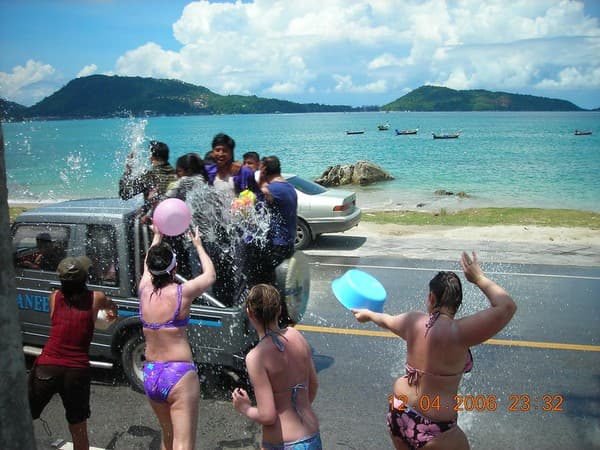
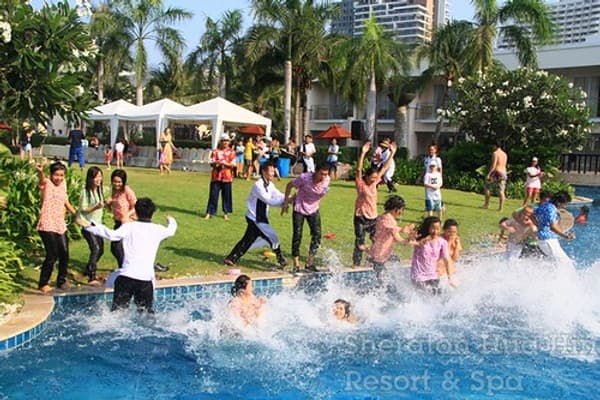
Massive street water fights — people splash water to symbolically wash away bad luck and welcome the new year.
Temple ceremonies — pouring scented water over Buddha statues and elders to show respect and receive blessings.
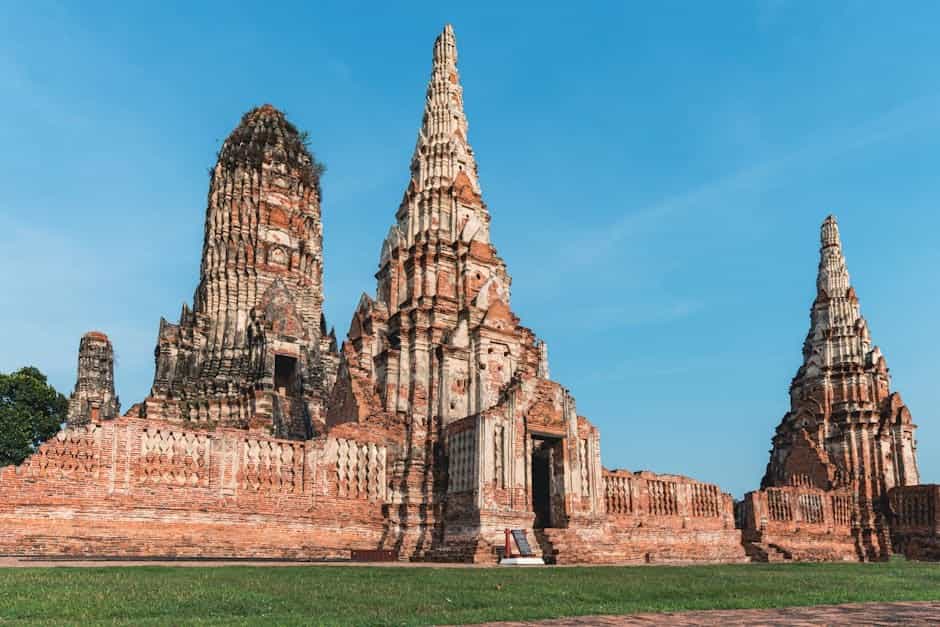
Sand pagoda (chedi sai) building at temples — a merit-making tradition and local competitions.
Cultural parades, traditional music and dance, beauty contests and local performances.
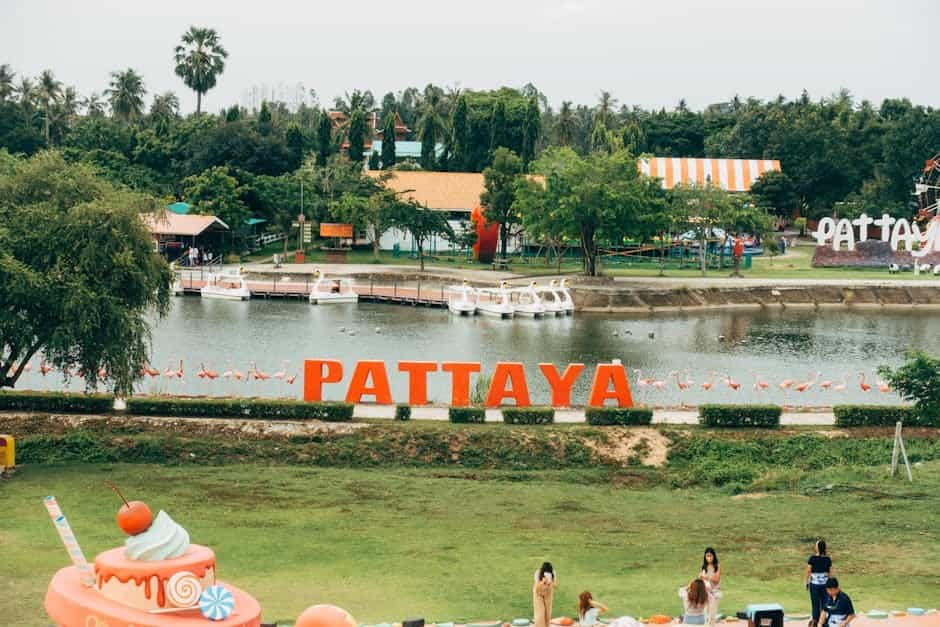
Regional variations — Chiang Mai features large parades and thoroughfares of water; Bangkok’s hotspots include Khao San Road and Silom; beach destinations like Phuket and Pattaya combine Songkran with seaside parties.
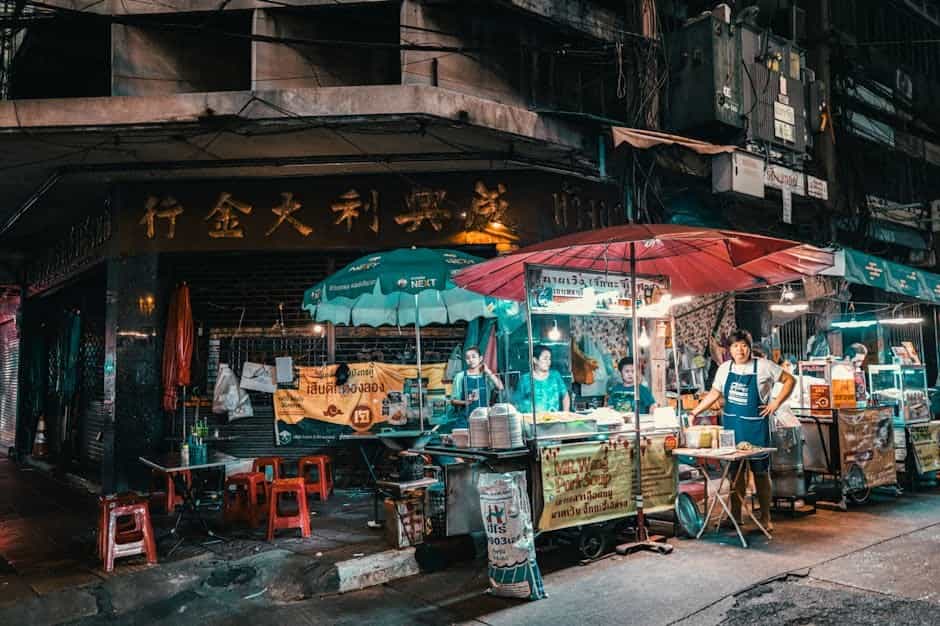
Street food stalls and night markets offering seasonal snacks and local specialties.
Itinerary
Arrive early, check into accommodation, buy water gear (sealed water guns, waterproof phone case), and familiarize yourself with the nearest temple and emergency services.
Book accommodation and transport well in advance — hotels and buses/trains fill up quickly in April.
Start with temple visits: merit-making, offering food to monks, and gentle water pouring on Buddha images and elders.
Respect rituals — pour scented water gently on the hands/shoulders of elders rather than drenching them.
Join the large street water fights, parades, and public events in main squares and tourist streets.
Wear quick-dry clothes, protect electronics in waterproof cases, and secure valuables. Expect heavy crowds and road closures.
Visit temples for continued merit-making, view sand pagodas, and attend local community events; some places host boat races or cultural shows.
Take the opportunity for calmer cultural experiences if you prefer less chaotic celebrations.
Plan travel with extra time — transportation is congested. Rehydrate and rest before long journeys.
Allow buffer time for getting to airports/stations; shops and services may have altered hours.
Safety Requirements
Use a waterproof case for phones and carry minimal valuables; pickpocketing can increase in crowds.
Avoid spraying water directly at people's faces, at elderly people, young children, pregnant women, or monks (monks should not be splashed).
Do not use high-pressure hoses or ice-cold water — both can cause injury.
Avoid driving under the influence; traffic accidents rise during Songkran. Use taxis or ride-hailing services and wear helmets on motorcycles.
Stay hydrated and use sunscreen — April is one of Thailand's hottest months.
Follow local laws and police instructions; some areas may enforce curfews or crowd controls.
Check current travel advisories and health guidance (vaccinations, COVID-19 rules) before traveling.
Tips
Book early — flights, trains, and hotels sell out or become expensive during Songkran.
Bring quick-dry clothing, flip-flops or water-resistant shoes, and a waterproof bag for valuables.
Carry local currency (cash) for street food and small purchases — ATMs can be busy or limited in festival zones.
Ask permission before splashing water on someone older or in a formal setting; when in doubt, participate where water play is clearly advertised.
Designate a meeting point and keep a charged power bank; mobile signals may be congested in major party areas.
Respect local customs: dress modestly at temples and remove shoes before entering; avoid excessive public drunkenness.
Consider joining organized events or guided cultural tours if you prefer structured experiences rather than chaotic street parties.