Traditional Thai massage & spa
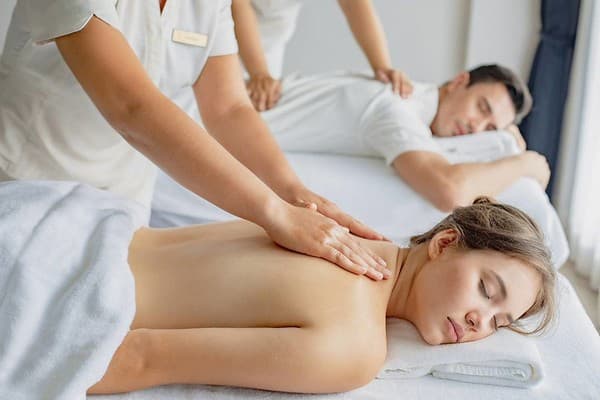
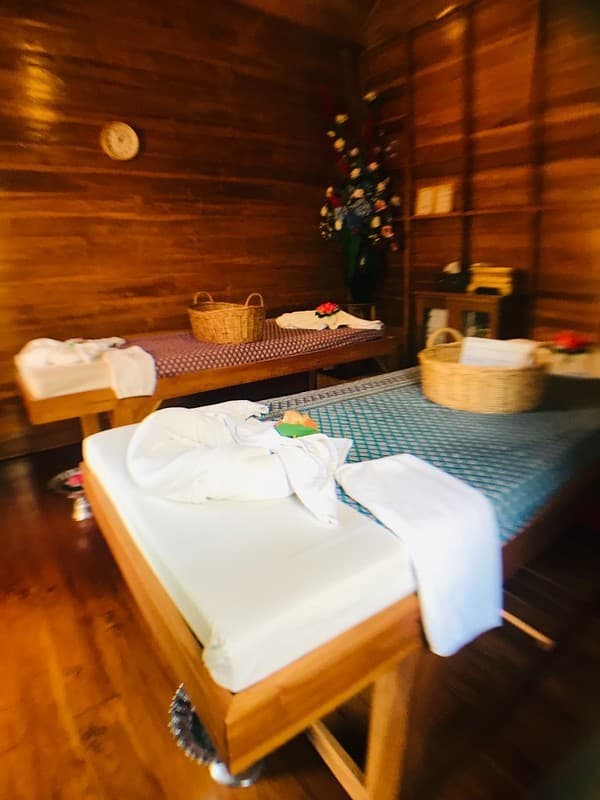
Traditional Thai Massage & Spa combines ancient Thai bodywork (nuad bo-rarn) with modern spa treatments. Expect assisted stretching, rhythmic pressure along energy lines (sen), herbal compresses, aromatherapy oils, foot reflexology, and soothing post‑treatment rituals. Sessions vary from quick therapeutic fixes to full-day wellness packages at luxury resorts.
Location
Various spas, massage parlors, hotel spa facilities, and wellness centers across Thailand, Nationwide (Bangkok, Chiang Mai, Phuket, Krabi, Koh Samui, Hua Hin, etc.), Thailand
Duration
Typical sessions: 30–150 minutes. Common options: 60 min (standard), 90 min (extended), full-day retreats (3–8 hours).
Best Time to Visit
Year‑round. High season (Nov–Feb) offers cooler weather and peak tourist demand. Lower prices and fewer crowds: rainy season (Jun–Oct) and shoulder months. Spas operate year‑round; book ahead in high season or at resort spas.
Pricing
Local massage shops: ~200–600 THB (60–90 minutes). Mid-range spas/hotel spas: ~700–2,500 THB (60–90 minutes). Premium/resort wellness packages: ~2,500–8,000+ THB (multi-hour or full-day). Add-ons (herbal compress, aromatherapy, deluxe scrubs) usually 300–1,500 THB.
Activity Type
Coordinates
Highlights
Authentic Thai massage (assisted stretching and pressure along ‘sen’ energy lines)
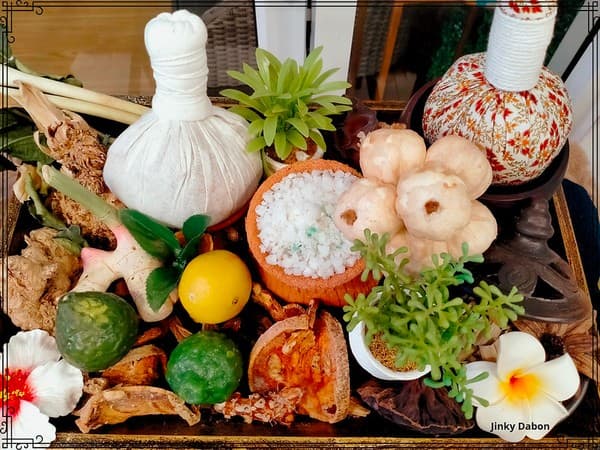
Herbal compress (luk pra kob) heated poultices to relieve muscle tension
Aromatherapy and oil massages for relaxation and skin nourishment
Foot reflexology and head/shoulder treatments for desk-bound travelers
Luxury spa rituals: body scrubs, detox wraps, hydrotherapy pools and steam rooms
Options for medical/therapeutic sessions at clinics or physiotherapy centers
Cultural experience: treatments derived from traditional Thai medicine and often offered in historic settings like Wat Pho in Bangkok
Itinerary
Reception, short health questionnaire and treatment selection
Bring ID; some high-end spas require credit card guarantee. Mention injuries, pregnancy, medications.
Therapist discusses pressure level, target areas, and any contraindications
Say if you prefer gentle, medium, or deep pressure; disclose health issues.
Use of steam/shower or foot soak; change into spa clothes or loose trousers for Thai massage
Facilities vary; some traditional Thai massages are done fully clothed.
Sequence of assisted stretches, rhythmic compressions, palm/elbow/knee pressure, and optional herbal compress or oil work
Therapist will often use hands, thumbs, forearms and feet to apply pressure; communicate discomfort immediately.
Cooling tea, light snacks, hydration and short rest
Drink water to help flush metabolic byproducts from muscles.
Add-ons (scrub, facial, or reflex session) and payment
Cash and card accepted; tipping customary but not mandatory (5–10% or 50–200 THB is common in local parlors).
Safety Requirements
Inform staff if pregnant, have high blood pressure, heart disease, recent surgery, blood clotting disorder, severe osteoporosis, acute inflammation or open wounds
Avoid deep Thai massage if pregnant (or opt for pregnancy‑specialized treatments)
Do not consume heavy alcohol before treatment
Check for therapist qualifications and hygiene standards (clean linens, sealed oils)
Allergy check for oils, herbs and scrubs; request fragrance‑free products if sensitive
Communicate pain immediately; therapist should adjust pressure
Tips
Book online or by phone for hotel and popular spas, especially in high season
For authentic budget experiences look for registered shops or community‑run spas; confirm price and duration upfront
For Thai massage wear loose, comfortable clothing (many parlors provide cotton sets)
Try a 90‑minute session the first time to experience both backwork and stretching
Negotiate group or multi‑treatment packages for better value at local parlors
If you prefer firmer pressure, ask for a therapist experienced in deep tissue or sports massage
Carry small cash for tipping; point‑of‑sale tipping is less common in small shops
Visit reputable schools (e.g., Wat Pho, Chiang Mai massage schools) for certified therapists if you want training-level authenticity
Respect local customs: remove shoes at entrances and keep conversation calm; many clients nap quietly during treatments