Wat Phra That Doi Suthep
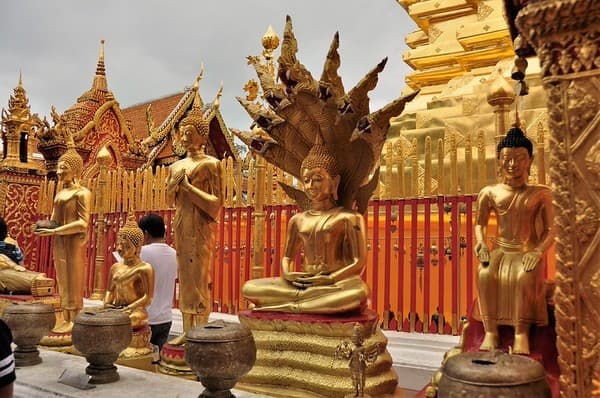
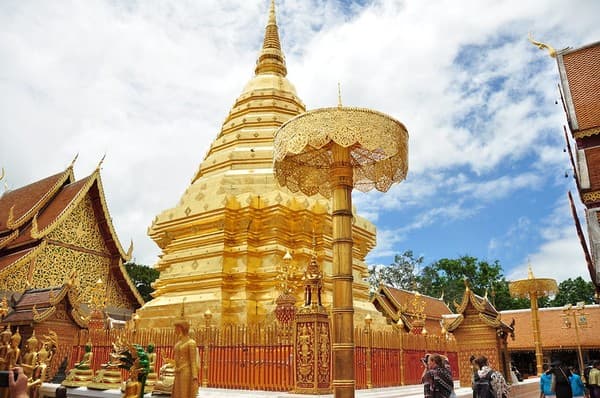
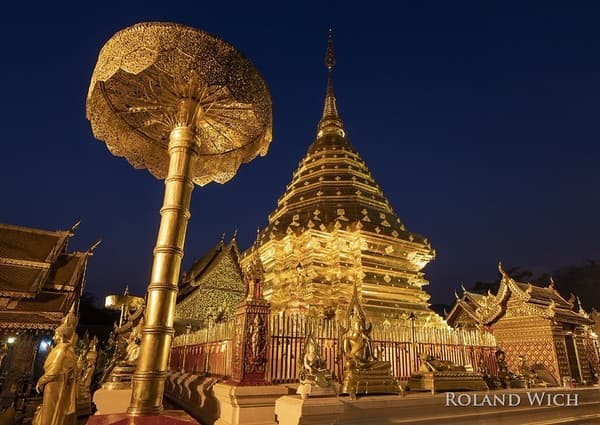
Wat Phra That Doi Suthep is one of northern Thailand's most sacred and iconic temples, perched on Doi Suthep mountain overlooking Chiang Mai. Founded in the 14th century (with major restorations later), the temple complex centers on a gleaming gold chedi that houses relics of the Buddha. The site blends striking Lanna architecture, ornate carvings and murals, and panoramic views across the Chiang Mai valley. It is both a major pilgrimage destination and a top sightseeing stop for visitors to the region. Respectful behavior and modest dress are required.
Location
Wat Phra That Doi Suthep (พระธาตุดอยสุเทพ), Chiang Mai, Thailand
Duration
Typical visit: 2–4 hours (short visits 1–1.5 hours if only viewing the main chedi and viewpoint).
Best Time to Visit
Best months: November–February (cool, clear weather). For fewer crowds and dramatic skies: early morning (sunrise) or late afternoon (golden hour). Avoid heavy rain months (June–October) if possible.
Pricing
Approximate: THB 50 entrance fee for foreign visitors (subject to change). Thai nationals often pay a reduced fee or enter for free. Additional small fees may apply for parking or vehicles; donations to the temple are customary.
Activity Type
Coordinates
Highlights
Golden Chedi (stupa) — Main focal point containing Buddha relics and lavish gold leaf decoration.
Panoramic views across Chiang Mai valley from the temple terraces — great for sunrise/sunset photography.
Naga staircase — the ornate serpentine stairway (309 steps) leading up from the lower parking area.
Monumental prayer halls (Ubosot and Viharn) with finely carved doors, gilded Buddha images and Lanna-style architecture.
Murals and shrine rooms illustrating Buddhist stories and local history.
Monk-chat / meditation opportunities — visitors can sometimes speak with monks or attend chanting/meditation sessions.
Nearby attractions — Bhubing Palace, Hmong hill-tribe village and scenic waterfall trails on Doi Suthep-Pui National Park.
Itinerary
Drive up or take a songthaew to Doi Suthep; arrive at the base or parking area.
Road is winding; if you’re prone to motion sickness, take precautions. Early arrival helps avoid crowds and heat.
Ascend the Naga staircase (309 steps) or use the small tram/elevator.
The staircase is steep; take breaks and remove shoes at temple areas. The tram is convenient for those with mobility concerns.
Explore the main chedi, circumambulate, and enjoy the viewpoint.
Circumambulation and silent reflection are customary. The view is best early morning or late afternoon.
Visit the viharns and prayer halls, admire murals and Buddha images.
Photography is generally permitted in outdoor areas; be discreet and follow signage inside shrines.
Attend a short monk-chat, make a donation, or participate in alms/chanting if available.
Approach monks respectfully; ask permission before taking close-up photos.
Optional: short hike on nearby trails, visit Bhubing Palace or a Hmong village.
Check opening times for Bhubing Palace (often closed for royal activities) and dress appropriately for palace visits.
Safety Requirements
Modest dress required: shoulders and knees should be covered to enter shrines (bring a sarong or shawl).
Remove shoes before entering temple buildings and walk respectfully on tiled/marble floors.
Steep stairs and uneven surfaces — wear sturdy, comfortable shoes for the approach (you can remove them inside).
Stay hydrated and protect yourself from sun at the viewpoint; weather can be cooler on the mountain, so bring a light layer.
Beware of monkeys near the temple — do not feed them and keep valuables secure; monkeys can become aggressive if provoked.
Follow local rules and signage; photography may be restricted in some inner sanctums.
Tips
Arrive early (06:30–08:00) to avoid crowds and to experience cooler temperatures and better light for photos.
Bring small change (coins and small notes) for entrance, donations, and offerings.
Carry a sarong or scarf to cover shoulders/knees if needed — many shops at the base sell quick coverings but having your own is convenient.
Combine Doi Suthep with nearby attractions (Bhubing Palace, Hmong village, waterfalls) for a full half-day trip.
If you don’t want to climb the stairs, take the tram/elevator; bargaining for a reliable songthaew or taxi is common — agree the price before departure.
Respect religious practices: speak quietly, avoid pointing feet toward images, and ask before photographing monks or worshippers.
Check opening hours (typically early morning to early evening) and allow extra time for traffic when returning to Chiang Mai city.