Ancient City Walls and Gates, Thailand
Ancient city walls and gates in Thailand are tangible remains of pre-modern urban planning, defense systems and ceremonial boundaries. Built and maintained over centuries by regional kingdoms (Sukhothai, Ayutthaya, Lanna/Chiang Mai and other city-states), these structures mark political centers, trade hubs and religious precincts. The walls and gates often define the historic core of a city, anchoring cultural identity, rituals and processions and providing archaeologists with insights into construction techniques (laterite, brick, stucco), water management (moats and canals) and fortification strategies.
Last updated: 23 Oct 2025
Places to visit
- Tha Phae Gate (Chiang Mai) — iconic Lanna-era gate and meeting point
- Sukhothai Historical Park — remains of inner walls, gates and moats around the early Thai capital
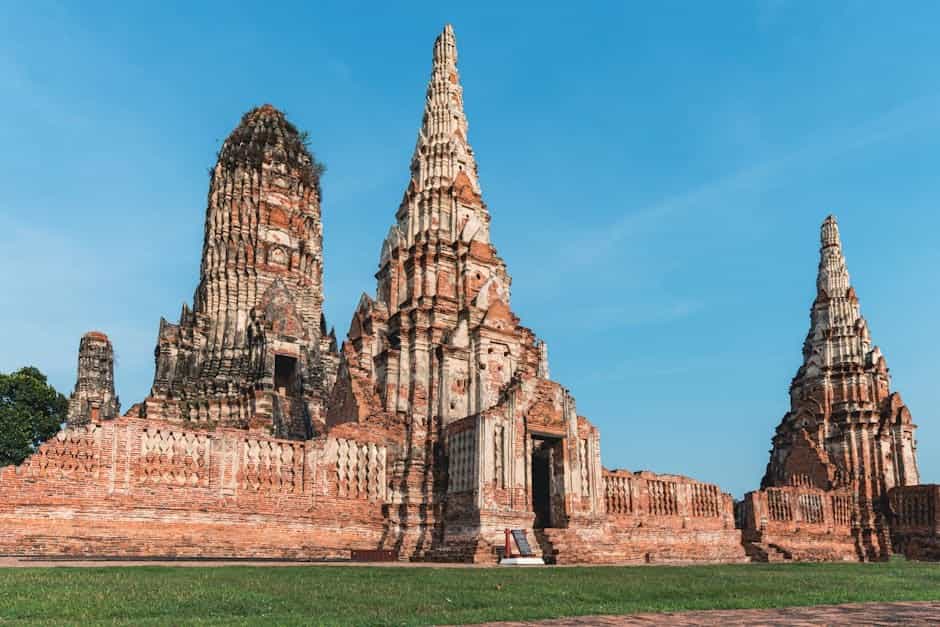
- Ayutthaya Historical Park — fragments of city walls and gate alignments defining the island city
- Nakhon Si Thammarat Old City Wall — laterite and masonry sections with surviving gates
- Phimai and other Khmer-influenced sites with monumental gateways and enclosure walls
Unique Aspects
- Construction materials: laterite, baked brick and stucco with ornamental details where preserved
- Moats and canals integrated with defensive walls for flood control and defense
- Watchtowers, bastions and gatehouses in varying degrees of preservation
- Inscriptions, bas-reliefs or temple complexes adjoining gates that show ceremonial uses
- Night illumination and restored sections in tourist hubs that highlight original alignments
Things to do
- Guided historical walking tours around city cores and through surviving gates
- Cycling routes that follow old walls and moats (popular in Sukhothai and Ayutthaya)
- Photography at dawn or dusk when light enhances masonry textures and reflections in the moat
- Boat rides around island cities (Ayutthaya) to view wall lines from the water
- Visiting nearby temples, museums and archaeological sites that explain the walls' context
Best Time to Visit
Cool season (November–February): most pleasant temperatures and dry skies; avoid the hottest months if you plan long walks.
Weather Conditions
Tropical climate: hot and dry from March–May, monsoon (heavy rain) from May/June–October, and cooler, drier from November–February.
Entry Fees & Permits
Many archaeological parks (Sukhothai, Ayutthaya) charge modest entry fees and have set opening hours (typically 08:00–17:00 / 18:00). City gates in urban areas (e.g., Tha Phae Gate) are public spaces with no entry fee. Check the specific site website or local tourist office for current fees and seasonal opening-times.
Accessibility
Major sites are reachable from nearest regional airports and mainline train or bus routes: Chiang Mai Airport for Chiang Mai/Tha Phae Gate, Ayutthaya by train or 1–1.5 hour drive from Bangkok, Sukhothai via Phitsanulok (bus/van) or Sukhothai Airport. Within sites expect uneven ground, steps and limited wheelchair access in original ruins—some parks provide ramps or alternative routes at restored sections.
Recommended Duration
For a single site: half-day to full-day (2–6 hours). For a regional tour covering multiple walled cities (Chiang Mai, Sukhothai, Ayutthaya): 2–5 days depending on depth of exploration.
Clothing & Gear Tips
Light, breathable clothing; comfortable walking shoes, sunhat or cap, sunscreen, refillable water bottle and insect repellent. Pack modest clothing if you plan to enter nearby temples (cover shoulders and knees).
Local Food & Souvenirs
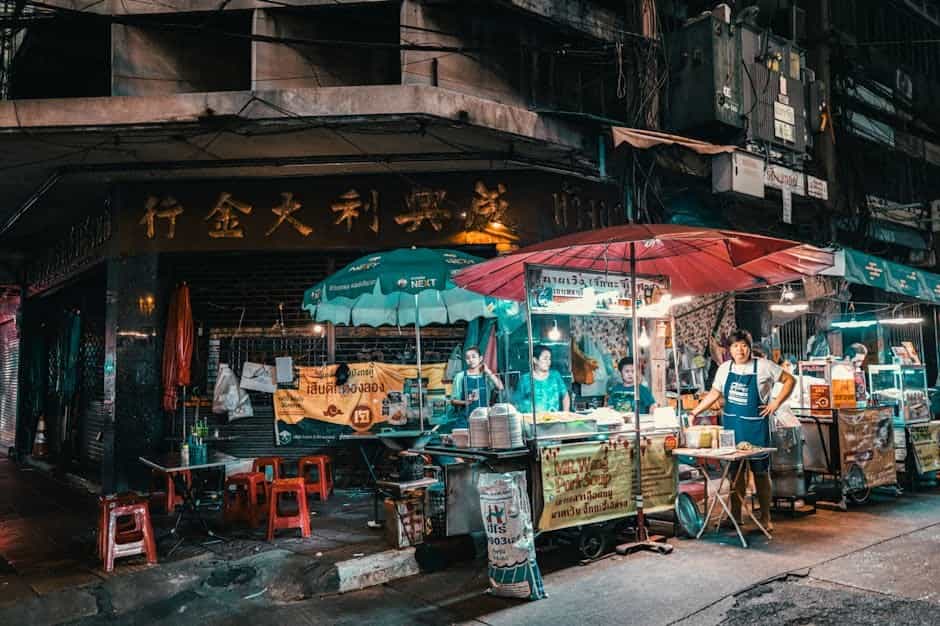
Try regional specialties near the walls: khao soi (Chiang Mai), river prawns and local curries (Ayutthaya/Southern regions), and traditional sweets at market stalls. Souvenirs include local textiles, silverwork, carved wood items, postcards and small archaeological-replica crafts sold at museum shops and night markets.