Chiang Mai Old City, Thailand
Chiang Mai Old City is the historic heart of Chiang Mai, founded in 1296 as the capital of the Lanna Kingdom by King Mengrai. The walled square and surrounding moat preserve centuries-old urban layout, Lanna architecture and many important temples that chronicle northern Thailand's religious and political history. Today the Old City is a living cultural hub blending traditional crafts, Buddhist practice, and a vibrant street-life that makes it one of Thailand's most important heritage and tourism centers.
Last updated: 23 Oct 2025
Historic Anecdotes
Legend holds that Chiang Mai was founded at the urging of an auspicious omen and sacred city pillar (lak mueang) placed to protect the city. Wat Phra Singh is famed for housing the revered Phra Singh Buddha image, while Wat Chedi Luang once housed the original Emerald Buddha before it was moved to Luang Prabang and later Bangkok — stories that underline the Old City's historical religious prestige. Local folklore also recounts tales of Lanna rulers, protective spirits behind the city walls, and centuries of cultural exchange with neighboring Shan and Burmese peoples.
Places to visit
- Wat Phra Singh — iconic Lanna temple with beautiful murals and the Phra Singh image
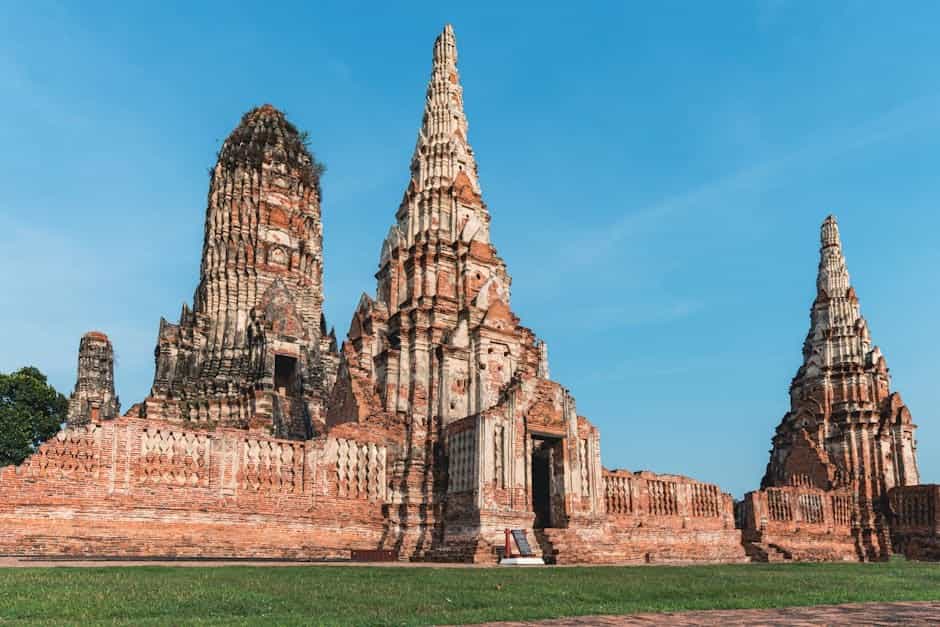
- Wat Chedi Luang — massive ruined chedi dating from the 14th–15th centuries
- Tha Phae Gate — the main historic gate and events focal point
- Wat Chiang Man — Chiang Mai's oldest temple with ancient Buddha images
- Sunday Walking Street (Ratchadamnoen Road) — major evening market for crafts and street food
- Three Kings Monument & Museum — cultural history of Chiang Mai and the Lanna kingdom
- Old City walls and moat — popular for walks and cycling around the historic core
- Local artisan workshops and small museums (silversmiths, woodcarving, textile shops)
Unique Aspects
- Distinctive Lanna-style temples, chedis and wooden architecture
- Compact, walkable grid inside the old square — ideal for exploring on foot or bicycle
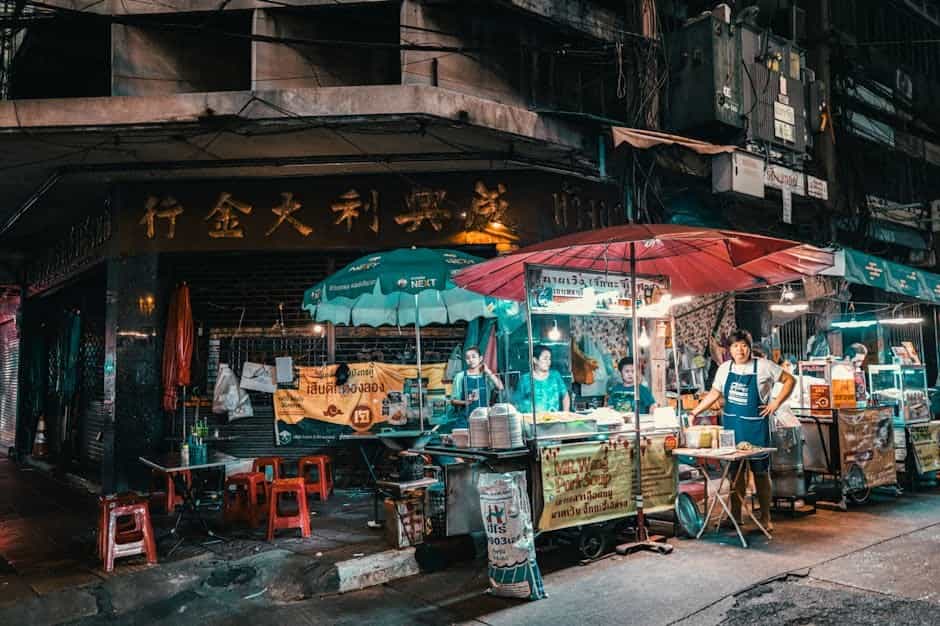
- Vibrant street-food scene and night markets blending local northern Thai flavors
- Daily monastic alms scenes in some areas and active Buddhist practice
- A mix of heritage conservation and contemporary cafés, galleries and boutique hotels
Things to do
- Temple visits and guided cultural tours (Wat Phra Singh, Wat Chedi Luang, Wat Chiang Man)
- Strolling or cycling the Old City walls, moat and narrow lanes
- Shopping for handicrafts at markets and artisan workshops; bespoke tailoring and silverwork
- Food experiences: street food tours, local markets, and northern Thai cooking classes
- Taking part in meditation sessions or observing Buddhist ceremonies
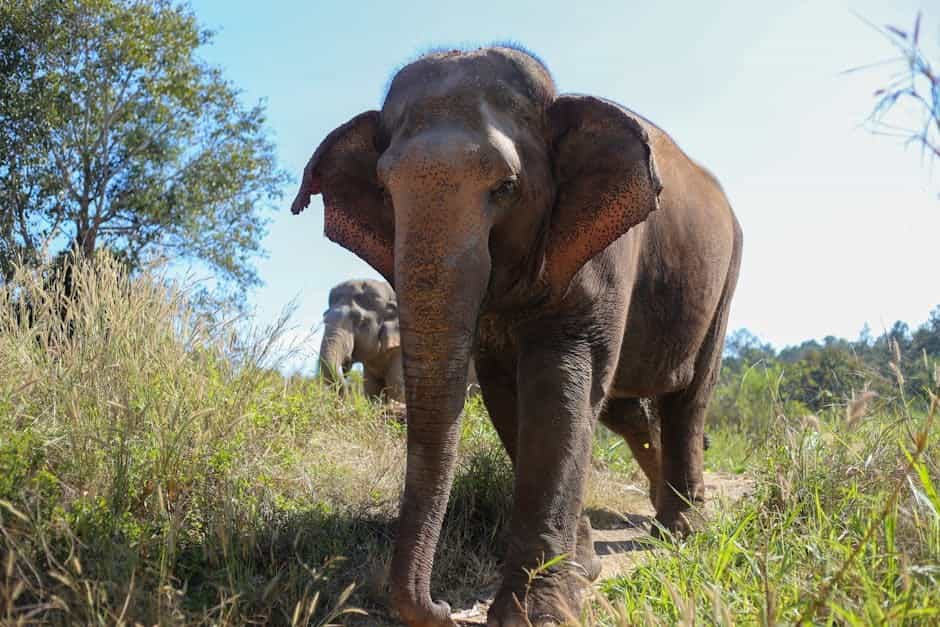
- Day trips arranged from the Old City: Doi Suthep, elephant sanctuaries (ethical options), hill-tribe villages
- Evening markets and live-music cafés for nightlife within a historic setting
Festivals & Events
- Yi Peng / Loi Krathong (usually Nov) — lantern and floating-krathong celebrations with illuminated Old City events
- Songkran (Thai New Year, April) — major water festival with lively city celebrations
- Sunday Walking Street (weekly) — large weekly craft and food market on Ratchadamnoen Road
- Various temple fairs and Lanna cultural performances at key temples throughout the year
Best Time to Visit
Cool season (November–February) for pleasant temperatures, clear skies and major festivals (Yi Peng/Loi Krathong). Shoulder months March–May are hotter; rainy season is June–October (fewer tourists, lush scenery).
Weather Conditions
Tropical savanna climate: cool/dry Nov–Feb (~15–28°C), hot/dry Mar–May (often >30°C), rainy Jun–Oct (afternoon storms, high humidity).
Entry Fees & Permits
Most temples are inexpensive to enter or accept donations; some charge small entry fees (approx. THB 20–100) and have opening hours roughly 6:00–18:00. Museums and specific attractions may have separate fees and shorter hours—check ahead. Night markets and streets operate mainly late afternoon to late evening.
Accessibility
Chiang Mai International Airport is ~4–7 km from the Old City (10–20 minutes by taxi). The Old City is highly walkable; local transport includes red songthaews (shared trucks), tuk-tuks, metered taxis and motorbike taxis. Bicycle rental and e-bikes are popular. Public buses are limited; ride-hailing apps operate in the city. Some narrow lanes and temple grounds may be uneven for wheelchair users.
Recommended Duration
2–4 days to explore temples, markets, a cooking class and one short day trip; 4+ days if adding excursions to Doi Suthep or nearby countryside.
Clothing & Gear Tips
Light, breathable clothing for the tropical climate; modest attire (covered shoulders and knees) for temple visits. Comfortable walking shoes, a sun hat, sunscreen, and a light rain jacket in the wet season. A small scarf or sarong is useful for temple coverings.
Local Food & Souvenirs
Must-try dishes: khao soi (rich northern curry noodle soup), sai ua (northern sausage), mango sticky rice, and local street snacks. Souvenirs: hill-tribe textiles, silver jewelry, woodcarvings, handwoven scarves, and ceramics. Bargain politely at markets and carry cash for small vendors; ATMs are widely available but sometimes charge fees.