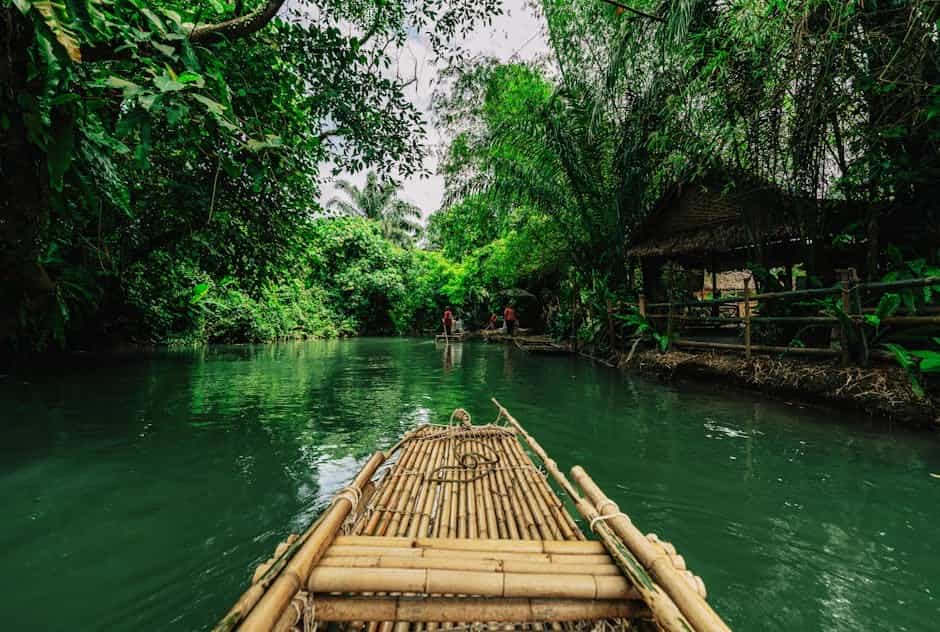
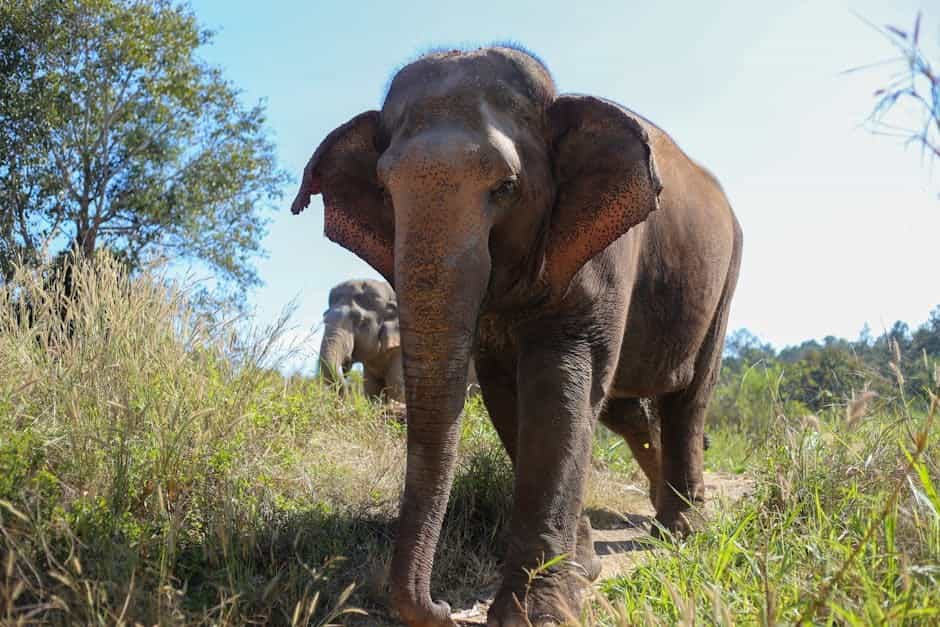
Doi Inthanon National Park, Thailand
Doi Inthanon is the highest mountain in Thailand (2,565 m) and forms the centerpiece of Doi Inthanon National Park in Chiang Mai Province. The park is of major natural importance for its montane cloud forests, rich biodiversity (including many endemic plants, orchids and a high diversity of bird species), important watersheds that feed the Ping River system, and its cool highland climate which contrasts with lowland Thailand. It also holds cultural significance for nearby Karen and Hmong hill-tribe communities and contains royal memorial chedis honoring King Bhumibol Adulyadej and Queen Sirikit.
Last updated: 23 Oct 2025
Places to visit
- Summit and Viewpoints – the highest point in Thailand with panoramic views (weather permitting).
- Phra Mahathat Naphamethanidon and Naphaphonphumisiri (the Twin Royal Chedis) – well-maintained gardens and viewpoints near the summit built to honor the Thai king and queen.
- Kew Mae Pan Nature Trail – a popular short trek through cloud forest and viewpoints (often requires advance booking for sunrise access).
- Ang Ka Nature Trail – accessible boardwalk through mossy cloud forest and giant ferns.
- Mae Ya and Wachirathan Waterfalls – two of the park's spectacular waterfalls; Mae Ya is often cited among Thailand’s most impressive falls.
- Birdwatching hotspots – one of Thailand’s top birding sites; species include pheasants, babblers, sunbirds, and migratory species.
- Tribal villages and local markets – opportunities to visit nearby Karen and Hmong communities and buy handicrafts.
Unique Aspects
- Montane cloud forest with frequent mist, moss-draped trees, epiphytes and orchids.
- Dramatic elevation change within a relatively short distance—cooler temperatures and unique highland flora and fauna.
- Numerous waterfalls, streams and well-marked nature trails.
- Royal development projects and gardens surrounding the twin chedis.
- Excellent opportunities for photographers (sunrise, sea of clouds, seasonal blooms).
Things to do
- Hiking short to moderate trails (Kew Mae Pan, Ang Ka, Siriphum).
- Birdwatching and wildlife photography (early morning is best).
- Visiting the twin royal chedis and botanical gardens.
- Waterfall viewing and short falls-side walks (Wachirathan, Mae Ya).
- Stargazing and cooler-weather relaxation—bring layers for the summit night/morning.
- Cultural visits to nearby hill‑tribe villages and local markets.
Best Time to Visit
Cool, dry season (November–February) for the clearest skies and coolest temperatures; March–May for wildflowers and sunrise views; June–October is the rainy season—lush scenery and waterfalls are at their fullest but trails can be slippery and some areas may be closed.
Weather Conditions
Highland climate: temperatures at the summit can drop to single digits Celsius (near or below freezing on rare cold snaps) and typically range from about 5–20°C in the cool season. Expect mist and frequent cloud cover; bring waterproof layers in the rainy season.
Entry Fees & Permits
Fees change periodically—typical recent guidance: park entrance fee for foreigners around 300 THB, Thai adults lower (check current rates). Additional small fees may apply for vehicles, parking, or specific trail permits (e.g., Kew Mae Pan booking fee). Park visiting hours are generally daytime (roughly 06:00–18:00), but some trails like Kew Mae Pan require ranger-supervised time slots (including early-morning/sunrise slots). Always verify fees and opening times on the official National Park website or at the park office before travel.
Accessibility
Located in Chiang Mai Province, approximately 60–100 km from Chiang Mai city depending on route—about a 1.5–2.5 hour drive by car or minivan. Nearest major airport: Chiang Mai International Airport (CNX). Access is by paved mountain roads; some steep sections and tight turns. Many viewpoints and the twin chedis are accessible by car with short walks; several nature trails have uneven, muddy or boardwalk sections and are unsuitable for wheelchairs. Park rangers and local tour operators provide guided trips; motorcycle rental is possible but cautious driving is advised.
Recommended Duration
Day trip from Chiang Mai is common (6–10 hours), but consider 1–2 nights in a nearby guesthouse or at the park for birding, sunrise visits and a more relaxed schedule.
Clothing & Gear Tips
Layered warm clothing (fleece/jacket), waterproof outer layer during rainy months, sturdy walking shoes or boots, hat and gloves for cold mornings, binoculars for birdwatching, insect repellent, sunscreen, and a headlamp if doing early sunrise treks.
Local Food & Souvenirs
Try northern Thai specialties available in nearby towns (khao soi, sai ua—northern sausage). Souvenirs include hill-tribe handicrafts, woven textiles, and locally grown coffee or tea from highland farms.