Kanchanaburi, Thailand
Kanchanaburi is historically significant as the site of the Thailand–Burma Railway (the “Death Railway”) constructed during World War II by Allied prisoners of war and Asian laborers under Japanese occupation. The Bridge over the River Kwai, the war cemeteries and several museums (e.g., JEATH, Thailand–Burma Railway Centre) preserve memory and education about the wartime events. Culturally, the province blends central Thai and Mon influences, with small riverine communities, temples and traditional lifestyles along the Kwai River. Naturally, Kanchanaburi is rich in limestone karst scenery, evergreen and deciduous forests, caves, rivers and waterfalls (notably Erawan and Sai Yok), and is a gateway to national parks and wildlife habitats.
Last updated: 23 Oct 2025
Places to visit
- Bridge over the River Kwai (Kanchanaburi Bridge)
- Thailand–Burma Railway Centre and JEATH War Museum
- Kanchanaburi (Don Rak) War Cemetery
- Erawan National Park and Erawan Falls (multi-tiered emerald pools)
- Hellfire Pass Memorial Museum and walking trail
- Sai Yok National Park (waterfalls, caves, and river scenery)
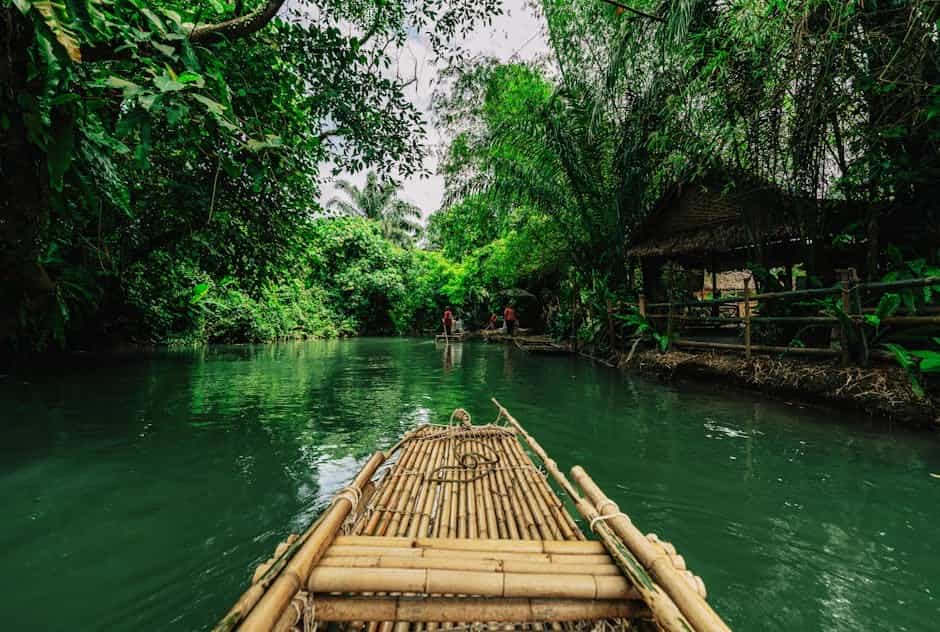
- River Kwai boat cruises and floating restaurants
- Wat Tham Sua (Tiger Cave Temple) and Wat Ban Tham
- Historic wooden Kanchanaburi railway station and Death Railway train rides
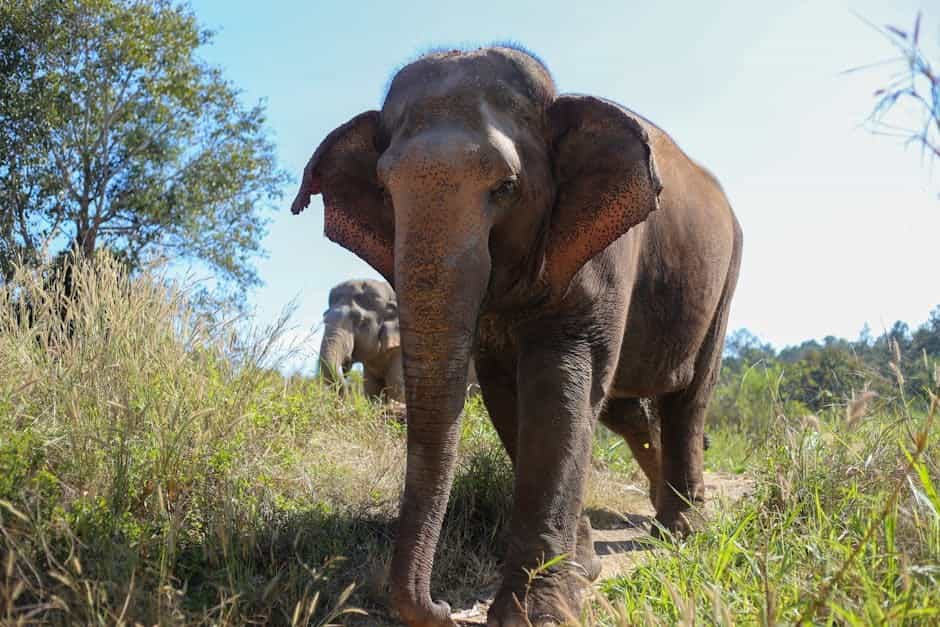
- Elephant sanctuaries and community-based eco-tours
Unique Aspects
- Limestone karst landscapes and dramatic river valleys
- WWII relics and preserved sections of the Death Railway
- Emerald-colored waterfall pools (Erawan)
- Scenic river cruises and sunset views over the Kwai
- Cave temples with panoramic ridge views
- Rich biodiversity in national parks and wildlife corridors
Things to do
- Ride the historic train along parts of the Death Railway for scenic and historical perspective
- Visit war museums, memorials and the war cemetery for guided historical learning
- Hike and swim at Erawan Falls (up to 7 tiers) and explore Sai Yok waterfalls
- Walk the Hellfire Pass trail and visit the interpretive museum
- Take a river cruise or rent a long-tail boat; dine at floating restaurants
- Explore caves and hill temples (photography and panoramic views)
- Go wildlife spotting, birding and short jungle treks in national parks
- Cycle through rural countryside and visit local markets
- Participate in community-based tours and ethical elephant experiences
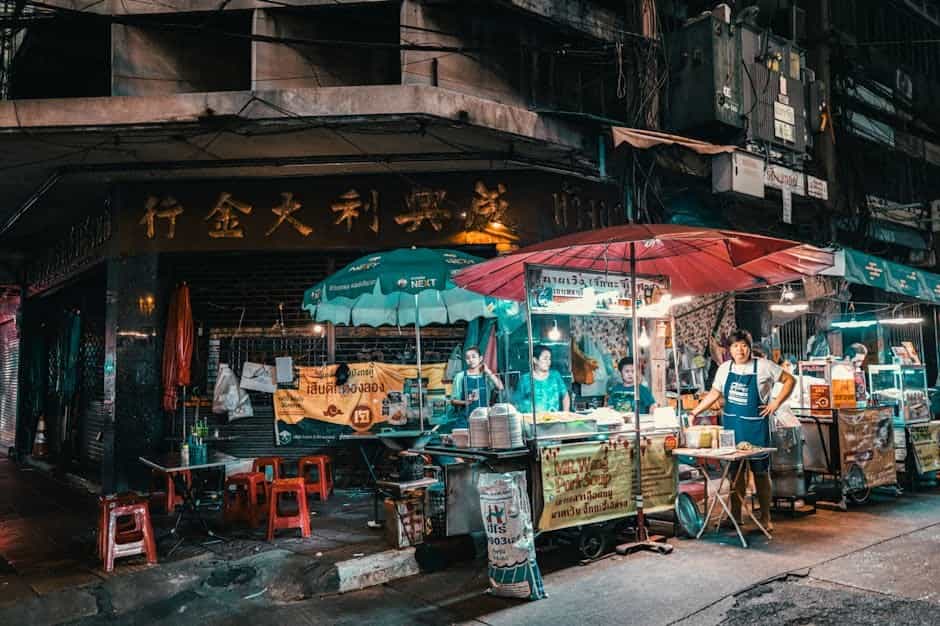
- Enjoy local food tours and evening markets
Festivals & Events
- Annual Bridge Week / Bridge over the River Kwai commemorative events (local ceremonies and cultural performances) — check local listings for dates
- Commemorative WWII memorial ceremonies (anniversaries) at war cemeteries and museums
- Songkran (Thai New Year, April) — lively local celebrations
- Loy Krathong (November) — river lanterns and floating offerings
- Local temple fairs and seasonal markets (varies by village and temple)
Best Time to Visit
Best time: November to February (cooler, dry season with comfortable temperatures and clearer skies).
Weather Conditions
Tropical climate: hot season from March to May (can be very hot and humid), monsoon season from June to October with frequent heavy rain and occasional road/river disruptions, and cooler/drier weather November to February.
Accessibility
Kanchanaburi is about 130–160 km west of Bangkok. Common ways to get there: take a train from Bangkok Thonburi station (scenic, slower), or bus/minivan from Bangkok Southern Bus Terminal (Seua) or Victory Monument (faster by road). Driving takes ~2–3 hours depending on traffic. The nearest major airports are Bangkok Suvarnabhumi (BKK) and Don Mueang (DMK). Local transport includes songthaews, motorbike taxis, tuk-tuks, river boats and rental scooters/cars. The historic railway operates tourist trains on sections of the line; some sites require walking over uneven terrain.
Recommended Duration
Recommended stay: 2–4 days to cover main historical sites, a national park visit and a relaxed river experience; 4–7+ days if including extended trekking, multi-day eco-tours or time in surrounding parks.
Clothing & Gear Tips
Lightweight, breathable clothing; a light rain jacket during monsoon months; good walking/hiking shoes for trails and uneven terrain; swimwear and quick-dry towel for waterfalls; sun protection (hat, sunglasses, sunscreen); insect repellent; modest clothing (shoulders and knees covered) for temples.
Local Food & Souvenirs
Local specialties include fresh river fish and seafood dishes, grilled river prawns, traditional Thai curries and local desserts. Sample street food and floating-restaurant specialties along the Kwai. Souvenirs: teak and wooden handicrafts, locally made textiles, herbal products, handcrafted jewelry, and responsibly sourced elephant-themed handicrafts. Avoid buying items made from protected wildlife. Carry some cash for markets; many small vendors do not accept cards.