Sam Phan Bok (Grand Canyon of Thailand), Thailand
Sam Phan Bok is a remarkable natural geological site on the Mekong River in Khong Chiam District, Ubon Ratchathani Province. Carved by millennia of erosion, the sandstone bed has been worn into thousands of potholes and basins that are exposed in the dry season, creating one of Thailand's most unusual river-rock landscapes. The site is often called the "Grand Canyon of Thailand" for its dramatic, otherworldly appearance. It is significant for geology (illustrating fluvial erosion and sandstone formations), local livelihoods (fishing and seasonal river access), and regional eco-tourism.
Last updated: 23 Oct 2025
Places to visit
- The main Sam Phan Bok rock-field with thousands of potholes
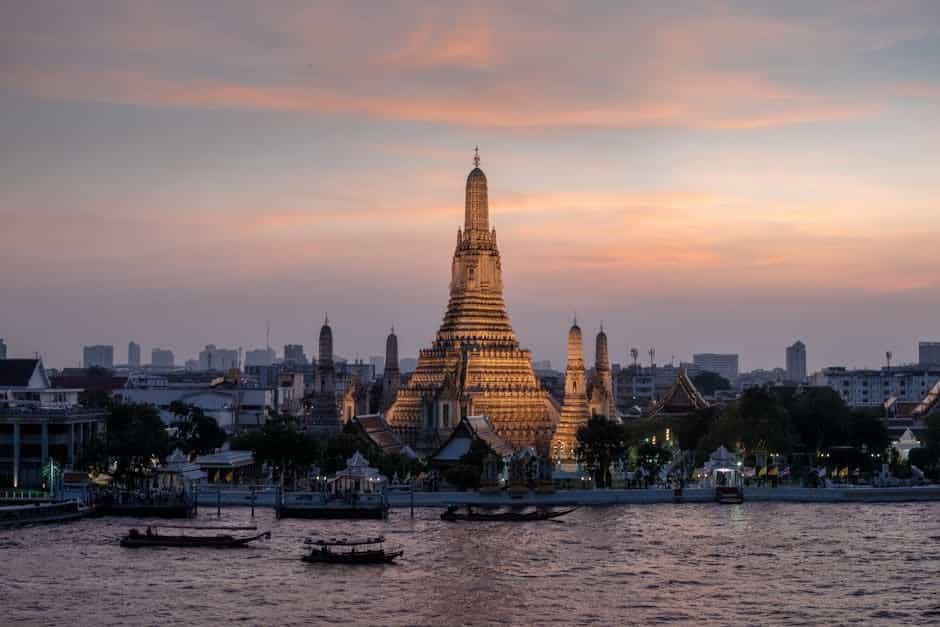
- Panoramic viewpoints for sunrise and sunset over the Mekong
- Natural rock pools and small channels carved into sandstone
- Photography vantage points and dramatic rock textures
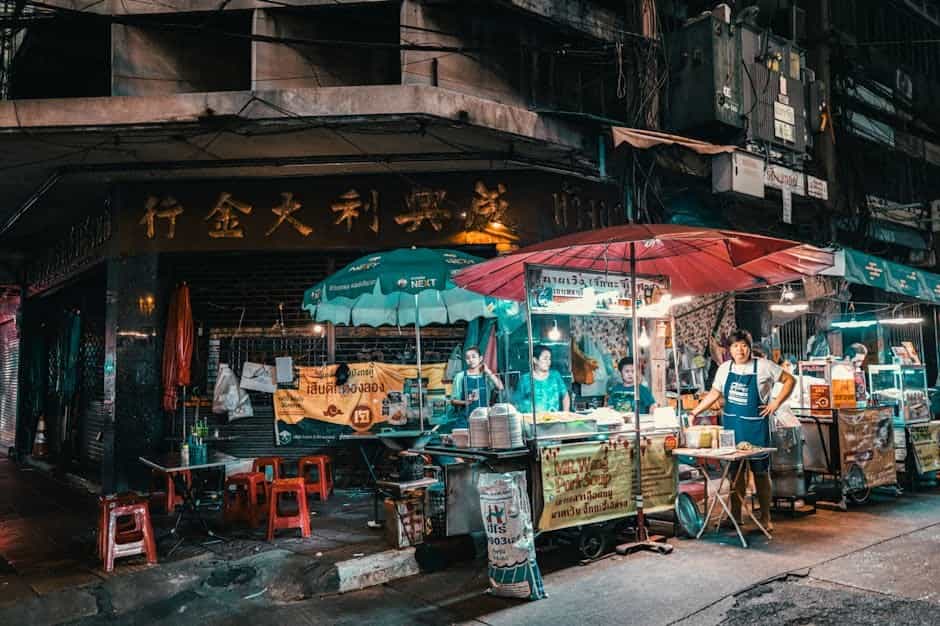
- Nearby riverside villages and local markets in Khong Chiam
Unique Aspects
- Extensive sandstone potholes (the namesake 'three thousand holes')
- Exposed formations during the dry season (best viewing when the Mekong is low)
- Rich color and texture contrasts between wet and dry rock surfaces
- Expansive Mekong River vistas and isolated rock ‘islands’
- Seasonal variation — the landscape changes appearance between dry and rainy seasons
Things to do
- Photography (macro textures, wide-angle river landscapes, sunrise/sunset)
- Hiking and rock-hopping across the sandstone formations
- Guided or self-guided boat trips on the Mekong to view formations from the water
- Picnicking and relaxing on rock ledges during low water
- Combining a visit with local sightseeing in Khong Chiam and nearby viewpoints
Best Time to Visit
Best time: Dry season — roughly November to April, with the prime months for exposed potholes and clear views being December to February. Visit at dawn or dusk for the best light and cooler temperatures.
Weather Conditions
Tropical climate: hot season (March–May) can be very warm; monsoon (June–October) brings high water that often submerges many rock formations and limits access; dry season (November–February) is cooler and ideal for sightseeing.
Entry Fees & Permits
There is usually a small local entrance or parking fee (varies by site and year; typically nominal). Most visitors access the site during daylight hours — plan for dawn to sunset visits. Facilities may be basic (parking, simple stalls); bring cash for fees and local purchases.
Accessibility
Sam Phan Bok is located in Khong Chiam District, Ubon Ratchathani Province. Nearest major hub: Ubon Ratchathani (airport and city). Travel options: drive or hire a car/motorbike (2–3 hours depending on start point), or take regional buses/minivans to Khong Chiam and local transport to the site. Terrain across the rocks is uneven — not suitable for wheelchairs or those with limited mobility without assistance.
Recommended Duration
Half-day to full-day (2–6 hours). If combining with nearby attractions or a boat trip, plan a full day or an overnight stay in Khong Chiam or Ubon Ratchathani.
Clothing & Gear Tips
Wear sturdy closed-toe shoes for walking on slippery/uneven rocks, sun protection (hat, sunglasses, sunscreen), light breathable clothing, carry plenty of water, and bring a waterproof bag for cameras. In the rainy season expect wet conditions and limited access.
Local Food & Souvenirs
Try Isan specialties and fresh Mekong river fish from riverside stalls (grilled fish, som tam, sticky rice). Look for local handicrafts, woven textiles, and simple souvenirs sold in nearby villages and markets.