Santikhiri (Doi Mae Salong), Thailand
Santikhiri (Doi Mae Salong) is a culturally and historically unique hill station in northern Thailand. It was settled by remnants of the Chinese Nationalist (KMT) army after World War II and the Chinese Civil War; descendants of these settlers have preserved Chinese language, cuisine, architecture, and festivals alongside local hill-tribe communities (Akha, Yao, Lahu). The area is also agriculturally significant for tea cultivation and was developed under royal and government projects to replace opium with sustainable crops, most notably highland tea and fruit orchards. The natural importance includes cool highland climate, panoramic mountain scenery, terraced tea plantations, and diverse flora and fauna typical of northern Thai highlands.
Last updated: 23 Oct 2025
Places to visit
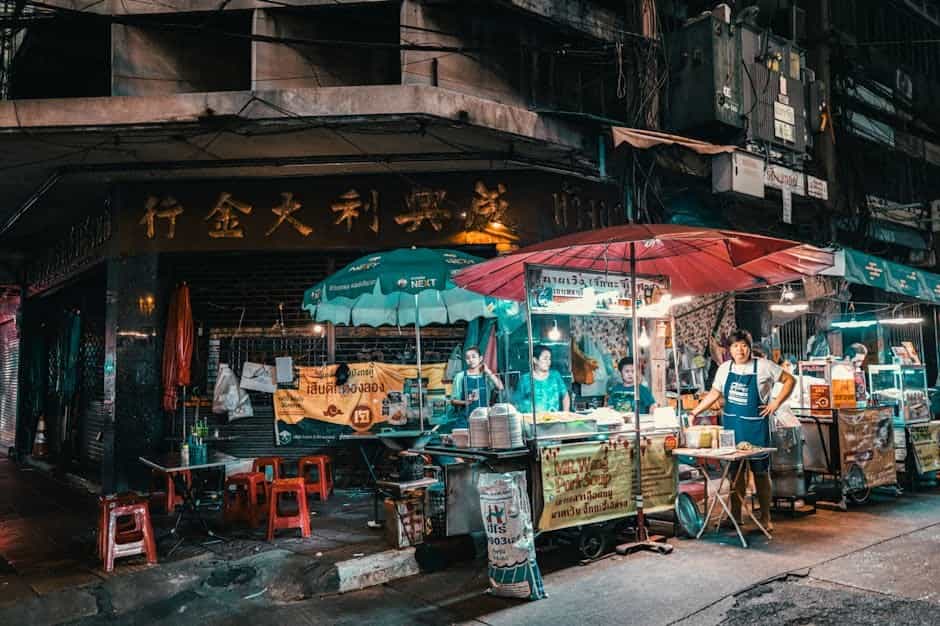
- Santikhiri (Mae Salong) Town – small market streets with Chinese-influenced shops, tea houses, and souvenir stalls
- Tea Plantations and Gardens – walkable terraces and demonstration gardens (including Royal Project plantings)
- Yunnan-Style Temples and Shrines – Chinese-style temples and Buddhist shrines reflecting the community’s heritage
- Viewpoints (sunrise/sunset spots) – panoramic mountain vistas and misty valley views
- Local Hill-tribe Villages – opportunities to meet Akha, Yao, and Lahu communities and learn traditional crafts
- Military relics and museums – small memorials or displays recounting the KMT settlement history
- Mae Salong Cherry Blossoms and Flower Seasons – seasonal blooms (certain years have notable flowering scenes)
Unique Aspects
- Strong Chinese cultural influence in architecture, language, and cuisine uncommon elsewhere in Thailand
- Extensive highland tea cultivation and tea-tasting experiences (including oolong and black teas)
- Cool, fresh mountain climate at roughly 1,000–1,600 meters elevation
- Scenic winding roads and photo-friendly viewpoints
- Mix of Thai hill-tribe traditions with Chinese settler culture creating a unique syncretic community
Things to do
- Tea plantation tours and tea tasting sessions
- Hiking short trails to viewpoints and through tea terraces
- Sampling Yunnan-style Chinese and local hill-tribe cuisine at markets and small restaurants
- Buying locally produced teas, woven textiles, and handicrafts
- Staying in homestays or small guesthouses for cultural exchange
- Photography of mountain scenery, terraces, and cultural street scenes
Festivals & Events
- Chinese New Year celebrations with lanterns, special food, and cultural events (date varies by lunar calendar)
- Local harvest events and market days tied to tea or fruit seasons
- Occasional cultural performances or community festivals showcasing hill-tribe dress, music, and crafts
Best Time to Visit
November to February for cool, dry weather and clearer skies; March to April for blossom and harvest activities; avoid heavy rains May–October if you prefer less mud and clearer travel.
Weather Conditions
Cool highland climate with daytime temperatures often between 15–25°C (59–77°F) in the cool season and warmer/humid conditions in the hot season. Nights can be chilly, especially November–January. Rainy season brings frequent showers and mist.
Accessibility
Nearest major city: Chiang Rai (road transfer ~2–4 hours depending on route). Common access: minivan or private car from Chiang Rai or Mae Chan; no direct train service. Roads are mountainous—4WD not required on main routes but drivers should be comfortable with steep, winding roads. Public buses/minivans run from Chiang Rai; organized tours also available. Nearest airports: Chiang Rai (Mae Fah Luang) or Chiang Mai with longer road transfers.
Recommended Duration
1–2 days to explore the town, tea plantations, and nearby viewpoints; 2–3 days if you want relaxed hikes, homestay experiences, or to combine with other northern Thailand destinations.
Clothing & Gear Tips
Layered clothing for cool mornings/evenings, a light waterproof jacket during rainy season, comfortable walking shoes for uneven trails, sun protection (hat/sunscreen) for daytime, and a light scarf or warm layer for chilly nights.
Local Food & Souvenirs
Try Yunnan-style dishes (dumplings, noodles), locally grown tea (oolong, black tea) and highland fruit. Souvenirs: packaged tea, woven textiles, handmade hill-tribe crafts, and Chinese-style souvenirs sold in the market.