Sukhothai, Thailand
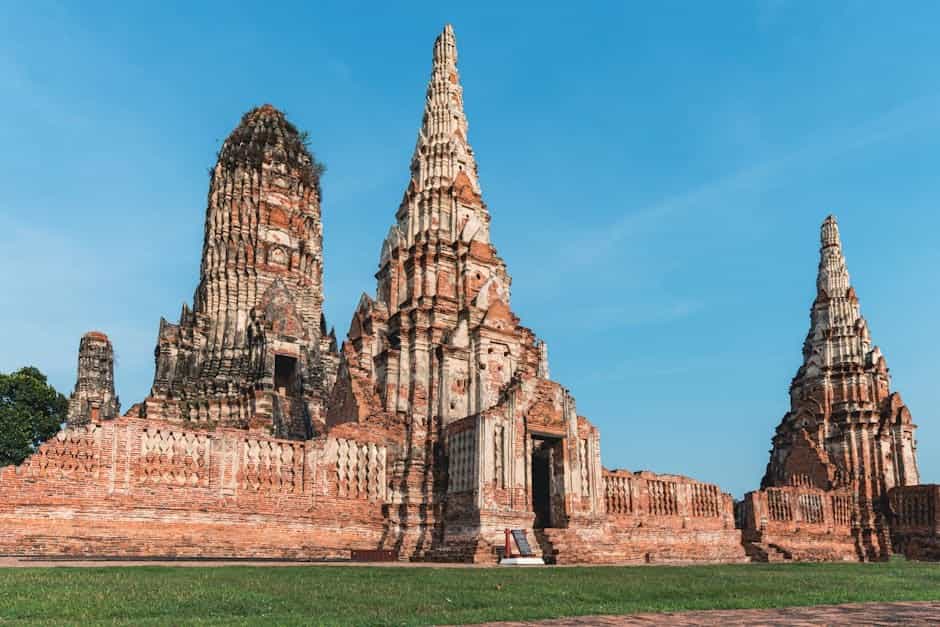
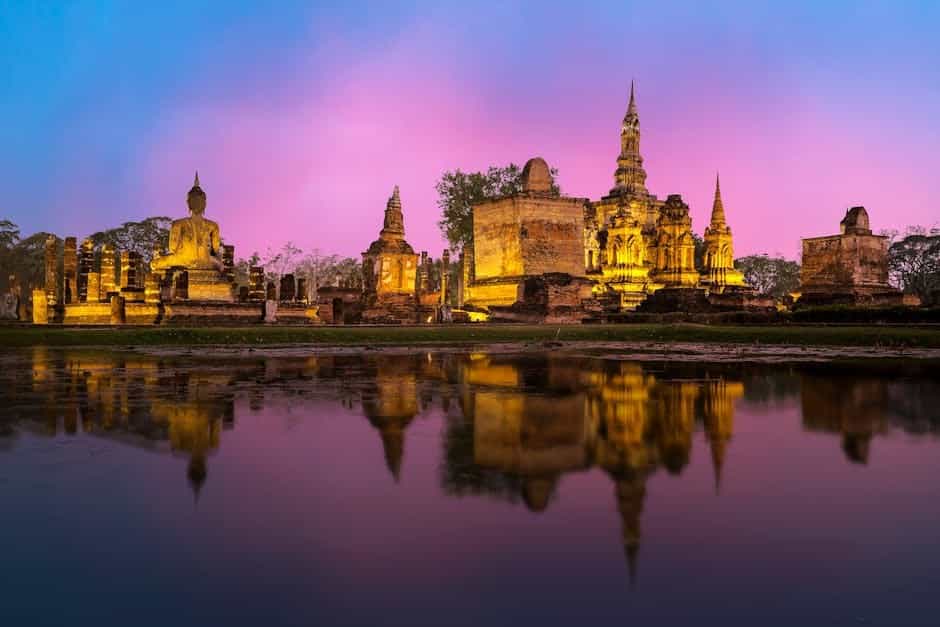
Sukhothai was the capital of the first Kingdom of Siam in the 13th and 14th centuries and is widely regarded as the cradle of Thai civilization. Its period saw the development of classical Thai art, architecture, language and the Sukhothai script. The historical park contains well-preserved temples, monuments, and Buddha statues that reflect early Thai aesthetics and religious practice. The site is a UNESCO World Heritage Site, important for both national identity and archaeological study.
Last updated: 23 Oct 2025
Places to visit
- Sukhothai Historical Park (Old City ruins)
- Wat Mahathat (the main temple with the seated Buddha and lotus ponds)
- Wat Si Chum (famous for the giant seated Buddha 'Phra Achana')
- Wat Sa Si (picturesque island temple)
- Ramkhamhaeng National Museum
- Si Satchanalai Historical Park (nearby, part of the same era)
- Night Market and Sukhothai Old City (Si Satchanalai Market area)
Unique Aspects
- Classic lotus-bud chedis and elegant Buddha images representative of early Thai style
- Large moated temple complexes and reflective ponds creating photogenic vistas
- Well-preserved ruins set in tree-lined parks with cycling paths
- Sukhothai script and inscriptions found on stone steles
- Traditional rural landscapes and nearby countryside with sugar palm groves
Things to do
- Cycling around Sukhothai Historical Park (bike rental widely available)
- Guided walking tours to learn temple history and art
- Photography at sunrise and sunset when light is best on ruins
- Visiting museums to see artifacts and stone inscriptions
- Taking day trips to Si Satchanalai and Ramkhamhaeng National Museum
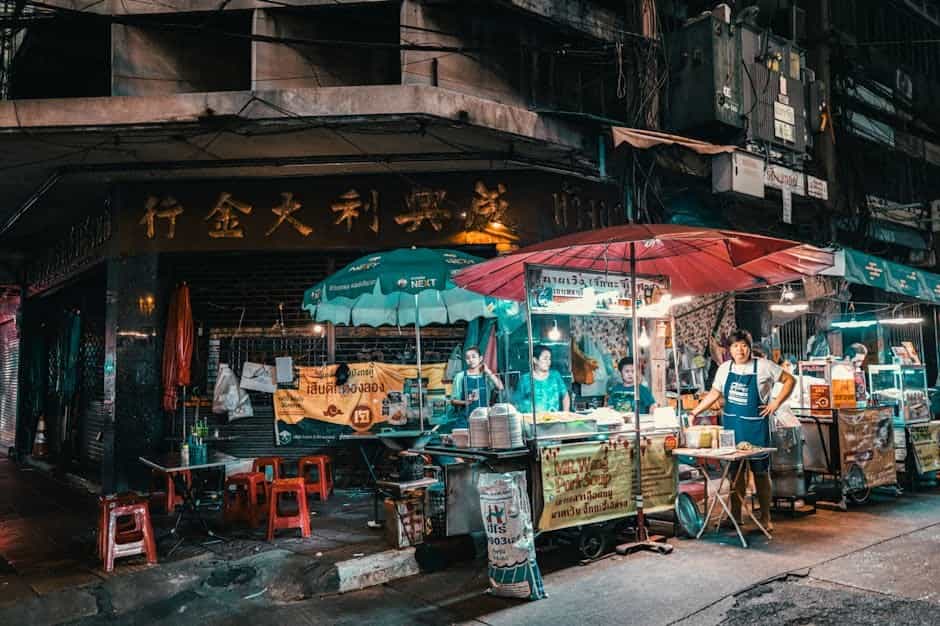
- Sampling local Sukhothai noodles and street food
- Joining a traditional Buddhist alms-giving ceremony (observing respectfully)
Festivals & Events
- Loy Krathong / Loi Krathong (Sukhothai light festival — typically held in November with historically inspired ceremonies)
- Sukhothai Historical Park light and sound shows or local cultural performances (seasonal)
- Local temple anniversaries and merit-making festivals
Best Time to Visit
November to February (cool, dry season) — best for comfortable weather and festivals. March to May is hot; June to October is the rainy season.
Weather Conditions
Tropical climate: cool/dry (Nov–Feb), hot (Mar–May, temperatures often 30–40°C/86–104°F), and monsoon rains (Jun–Oct) with frequent afternoon showers.
Accessibility
Nearest airport: Sukhothai Airport (about 30–40 minutes by car from the historical park) with domestic flights to Bangkok; nearby airports include Phitsanulok (1–1.5 hours drive) with more frequent services. Train and long-distance bus services connect to nearby towns; buses and minivans run from Bangkok and cities like Chiang Mai and Phitsanulok. The historical park is largely flat with cycling and walking paths; some ruins have uneven surfaces and steps — limited wheelchair access in parts.
Recommended Duration
1–3 days: one full day to see the main sites in the Historical Park, 2–3 days to explore more slowly, visit nearby Si Satchanalai, museums, and enjoy local food and markets.
Clothing & Gear Tips
Lightweight, breathable clothing for the heat; sun protection (hat, sunscreen, sunglasses); comfortable walking shoes or sandals; modest clothing for temple visits (shoulders and knees covered). A rain jacket/umbrella in the wet season. Consider a light scarf for sun or temple cover.
Local Food & Souvenirs
Try Sukhothai-style noodles (Kanom Jeen and Sukhothai noodles), local grilled river fish, sweets made with palm sugar, and mango salads. Souvenirs include handcrafted ceramics, traditional textiles, palm sugar products, and miniature temple replicas or prints of historical art.