Sukhothai Historical Park, Thailand
Sukhothai Historical Park preserves the ruins of Sukhothai, the capital of the first Kingdom of Siam (13th–15th centuries). It is widely regarded as the birthplace of Thai art, architecture, language (early Thai script) and Theravada Buddhism in the region. The site demonstrates early Thai urban planning with large temple complexes, royal palaces, moats, reservoirs (barays) and Buddha images, reflecting the political and spiritual foundations of the Thai nation. Designated a UNESCO World Heritage Site in 1991, the park is crucial for understanding the development of Thai culture and statecraft.
Last updated: 23 Oct 2025
Historic Anecdotes
Local legends tell of King Ramkhamhaeng, the kingdom's founder, who is credited with creating the Thai script and fostering a golden age of art and governance. Stories also speak of miraculous Buddha images and the founding of the city from strategic choices of waterways and celestial omens. Folklore links several temples to miracles and royal ceremonies, and the seasonal lotus blooms in the surrounding ponds are tied to cultural myths about rebirth and purity.
Places to visit
- Wat Mahathat (the central temple complex)
- Wat Si Sawai (Khmer-style temple)
- Wat Phra Phai Luang
- Wat Tra Phang Ngoen
- Wat Sorasak
- Wat Si Chum (famous for the huge seated Buddha, Phra Achana)
- Ramkhamhaeng National Museum
- Sukothai Historical Park’s moats and barays (e.g., the western baray)
Unique Aspects
- Distinctive Sukhothai-style Buddha images with graceful, flame-like ushnisha
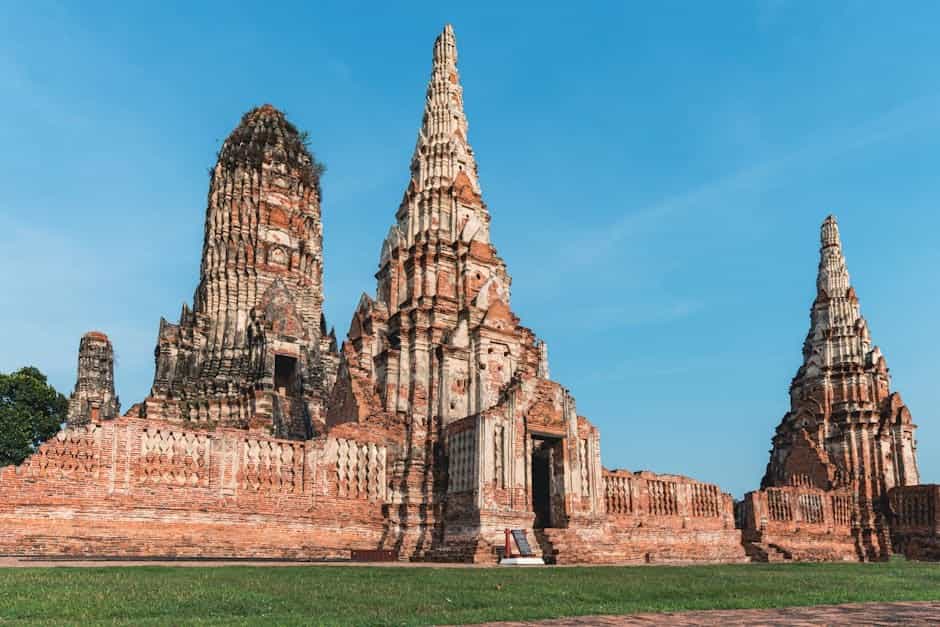
- Well-preserved brick and laterite architecture with lotus ponds and symmetrical layout
- Extensive network of canals, moats and reservoirs illustrating ancient water management
- Cycling paths connecting the major ruins across the park
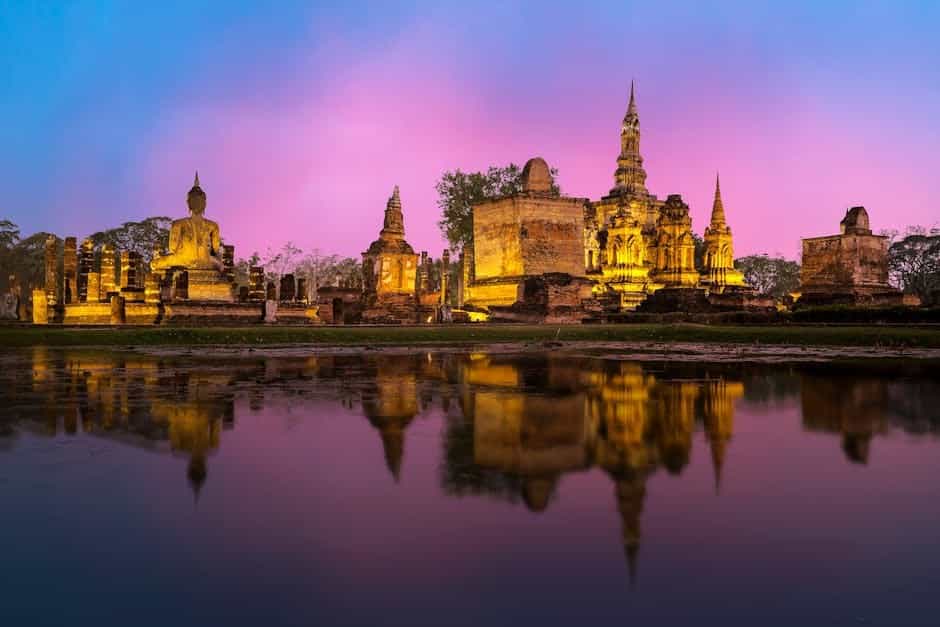
- Scenic sunrise and sunset views with temple silhouettes reflected in ponds
Things to do
- Guided walking tours of the central historical zone
- Bicycle rental and self-guided cycling across the park
- Photography at sunrise and sunset — especially at Wat Mahathat and Wat Si Chum
- Visiting the Ramkhamhaeng National Museum to see artifacts and inscriptions
- Boat or pedal-boat rides in some barays (seasonal/limited)
- Participating in local Buddhist ceremonies or observing monks during alms and chanting
- Exploring nearby Sukhothai City and traditional markets
Festivals & Events
- Sukhothai Historical Park Loy Krathong (Silhouette Festival) — lanterns, krathong floating and light displays (usually November)
- Songkran celebrations with traditional water rituals and temple activities (April)
- Local cultural performances and historical reenactments during national holidays
Best Time to Visit
Best: November to February (cooler, dry weather and clear skies). Avoid: the rainy season (May–October) if you prefer dry conditions; hot season (March–May) can be very hot.
Weather Conditions
Tropical climate: cool/dry season (Nov–Feb) with pleasant temperatures (20–30°C), hot season (Mar–May) often 30–40°C, rainy season (May–Oct) with heavy thunderstorms and high humidity.
Entry Fees & Permits
The park charges an entry fee for the historical park zone (different rates for Thai nationals and foreign visitors). Typical opening hours: 6:00–18:00 (may vary by season). The Ramkhamhaeng Museum has its own hours and ticketing – check local updates. Combination tickets for several historical zones may be available.
Accessibility
Nearest airport: Sukhothai Airport (served by domestic flights from Bangkok) and Phitsanulok Airport (larger, ~50–60 km away); from either airport or Phitsanulok train station, buses, minivans or taxis connect to Sukhothai town and the park. The park is flat and walkable, with cycling the most popular option; some temple areas have steps and uneven surfaces and may be difficult for wheelchairs. Local bus and songthaew services operate around the park and town.
Recommended Duration
Half a day to two full days depending on pace: 3–5 hours for highlights by bicycle; 1–2 days for a relaxed visit including museum and nearby sites.
Clothing & Gear Tips
Lightweight, breathable clothing for hot weather; sun protection (hat, sunglasses, sunscreen); comfortable walking shoes; modest clothing for temple visits (shoulders and knees covered). Bring water, insect repellent in rainy season, and a light rain jacket if visiting during monsoon.
Local Food & Souvenirs
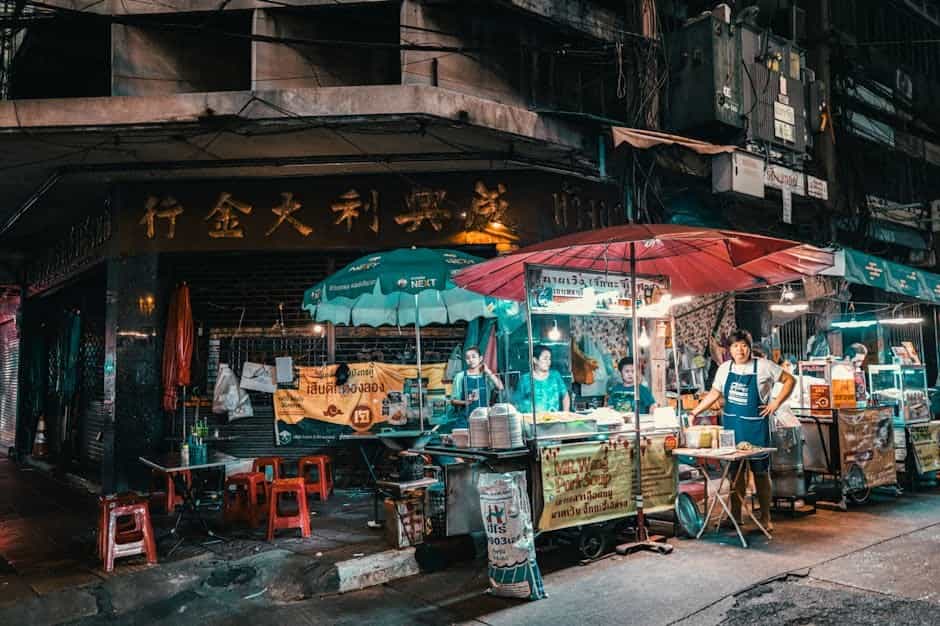
Try local Sukhothai noodle dishes (Kuay Tiew Sukhothai), traditional sweets, and regional fruit. Souvenirs include handcrafted textiles, Buddhist amulets (buy from reputable vendors), traditional handicrafts, and local arts prints or postcards of temple scenes.