Wat Phra Kaew (Temple of the Emerald Buddha), Thailand
Wat Phra Kaew (Temple of the Emerald Buddha) is the most sacred Buddhist temple in Thailand, located within the Grand Palace complex in Bangkok. Built by King Rama I in 1782, it houses the Emerald Buddha — a highly revered jade (commonly called 'emerald') image that serves as a palladium of Thai sovereignty and national identity. The temple complex is an outstanding example of traditional Thai religious architecture, ornamentation, and craftsmanship, and plays a central role in royal and state ceremonies.
Last updated: 23 Oct 2025
Historic Anecdotes
Legend holds that the Emerald Buddha originated in India or Kashmir and traveled through Sri Lanka, Cambodia, and Laos before being discovered in Chiang Rai in the 15th century. Historic accounts tell of its relocation over centuries — famously kept in Luang Prabang and Vientiane before being moved to Bangkok by King Rama I. The statue is believed to confer prosperity and protection; the King (or a royal representative) changes its seasonal robes three times a year in a ritual believed to influence the nation's fortunes.
Places to visit
- Emerald Buddha (Phra Kaew Morakot) in the Ubosot (main ordination hall)
- The Ubosot itself with gilded exterior and multi-tiered roof
- Ramakien murals lining the cloisters
- Giant guardian statues (Yaksha) at key gateways
- Phra Si Rattana Chedi and other stupas within the Grand Palace complex
- The ornate gilded chedis and prangs surrounding the main chapel
Unique Aspects
- Exquisite gold leaf, colored glass mosaics, and ornate roof tiers typical of Rattanakosin-era Thai architecture
- Intricate Ramakien mural cycle depicting Thailand’s national epic along the cloisters
- The Emerald Buddha’s seasonal robes (changed by the King or royal representative)
- Strictly controlled interior (no photography inside the Ubosot) and highly conserved historic fabric
- Prominent location within the Grand Palace compound overlooking the Chao Phraya River
Things to do
- Guided or self-guided viewing of the Emerald Buddha and the Ubosot (note: no photography inside the Ubosot)
- Walking the cloisters to admire Ramakien murals and statuary
- Learning about Thai royal and religious ceremonies via onsite plaques or guides
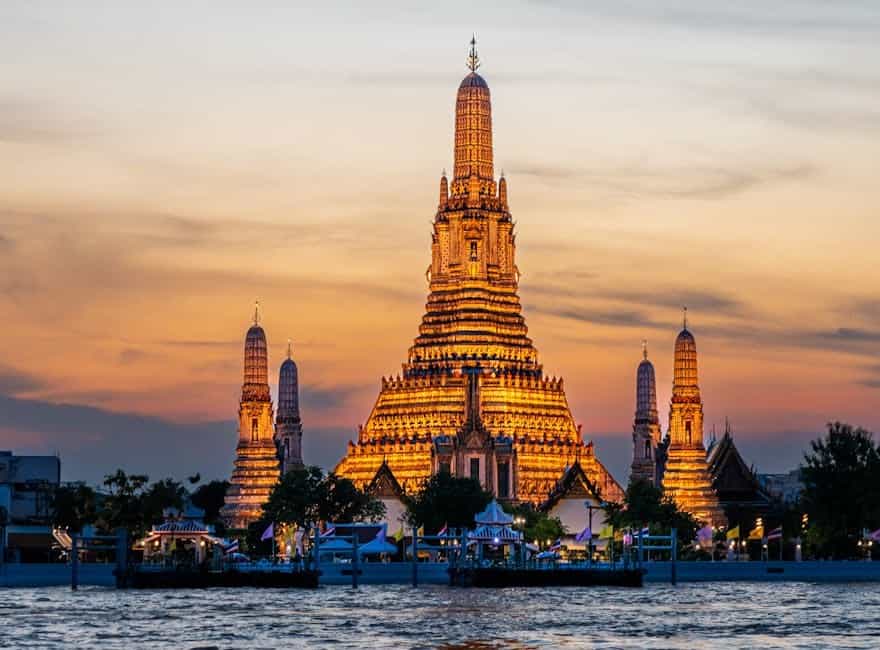
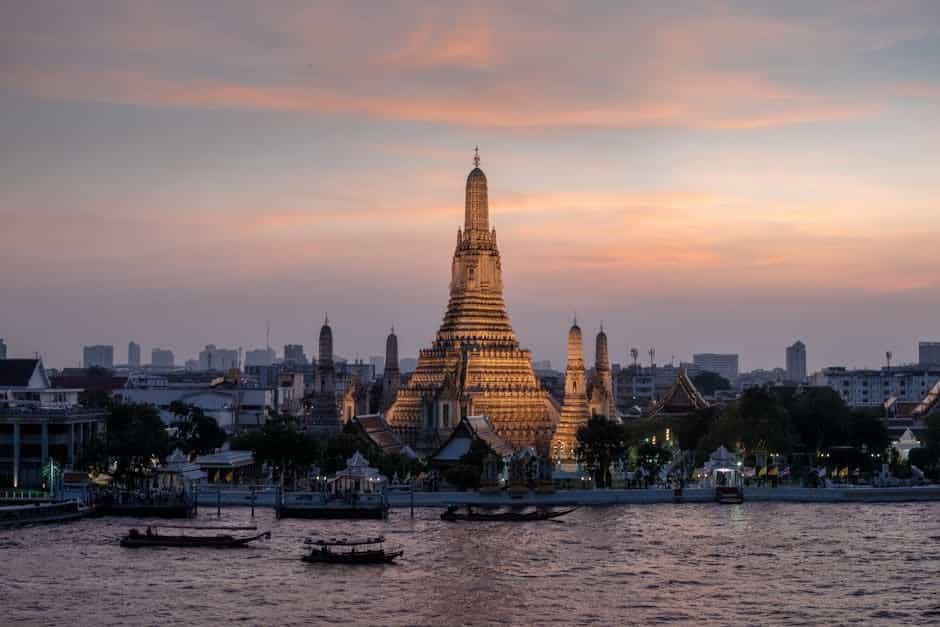
- Short visits combined with a river boat ride on the Chao Phraya and nearby attractions (Wat Pho, Wat Arun)
- Purchasing amulets, religious souvenirs, and viewing traditional craftsmen near the palace area
Festivals & Events
- Seasonal robe-changing ceremony for the Emerald Buddha (performed by the monarch or royal representative three times a year)
- National and royal ceremonies tied to Buddhist holy days when the site becomes central to state rituals (e.g., important Visakha Bucha and coronation-related events)
- Occasional special exhibitions or conservation announcements within the Grand Palace complex
Best Time to Visit
Early morning on weekdays and during the cool season (November–February) to avoid heat and heavy crowds. Arrive right at opening to see the site with fewer visitors.
Weather Conditions
Tropical climate: hot and humid year-round. Monsoon season (May–October) brings heavy rains; hot season (March–May) can be very hot. Wear light, breathable clothing that still meets the dress code.
Entry Fees & Permits
Typical entry fee for the Grand Palace complex (which includes Wat Phra Kaew) is approximately 500 THB for foreign visitors (subject to change). Opening hours are commonly around 08:30–15:30, but check current official sources before travel as times and prices may be updated.
Accessibility
Located in central Bangkok adjacent to the Chao Phraya River. Common access options:
- River: Chao Phraya Express Boat to Tha Chang (closest pier)
- Road: Taxis or tuk-tuks; traffic can be heavy
- BTS/MRT: Transfer via taxi or river boat from BTS Saphan Taksin or MRT stations Nearest major airport: Suvarnabhumi (BKK) or Don Mueang (DMK) with onward road/river transfer. Note that parts of the complex involve steps; basic accessibility exists but some historic areas may be challenging for wheelchair users. Dress code and security checks are enforced at entrances.
Recommended Duration
Allow 1.5–3 hours to visit Wat Phra Kaew and the immediate Grand Palace complex (longer if combining nearby temples).
Clothing & Gear Tips
Respectful dress is mandatory: shoulders and knees must be covered (no sleeveless tops, shorts, or short skirts). If you arrive inadequately dressed, rental sarongs are often available at the entrance (for a fee). Wear comfortable shoes (you will remove them in certain areas), bring water, a sun hat, and a lightweight umbrella or rain jacket during the rainy season.
Local Food & Souvenirs
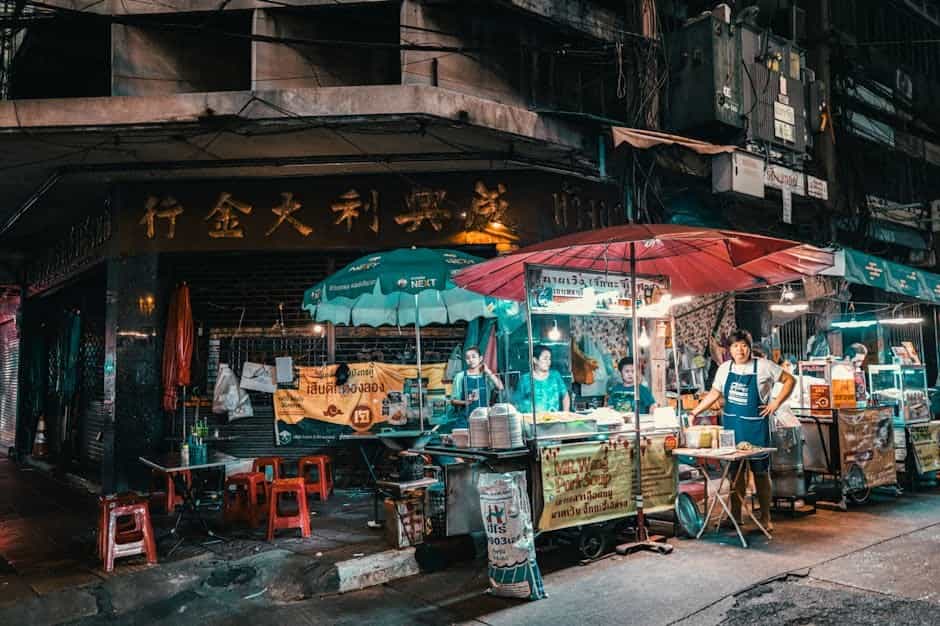
Nearby areas (Tha Chang, Wang Burapha, Rattanakosin Island) offer street food and small eateries serving Thai classics (pad thai, mango sticky rice, boat noodles). Look for traditional souvenirs such as Thai silk, carved Buddha amulets (buy from reputable vendors), lacquerware, and postcards. Avoid purchasing items that may promote the illicit trade in antiquities.