Wat Phra That Doi Suthep, Thailand
Wat Phra That Doi Suthep is a major Theravada Buddhist temple and one of northern Thailand's most sacred sites. Founded in the 14th century (traditional accounts date its establishment to the late 1300s), it houses an important Buddha relic and has been a focal point of Lanna (northern Thai) religious life and royal patronage. The temple also sits within Doi Suthep–Pui National Park, offering important natural and scenic value as a mountain-top religious complex overlooking Chiang Mai.
Last updated: 23 Oct 2025
Historic Anecdotes
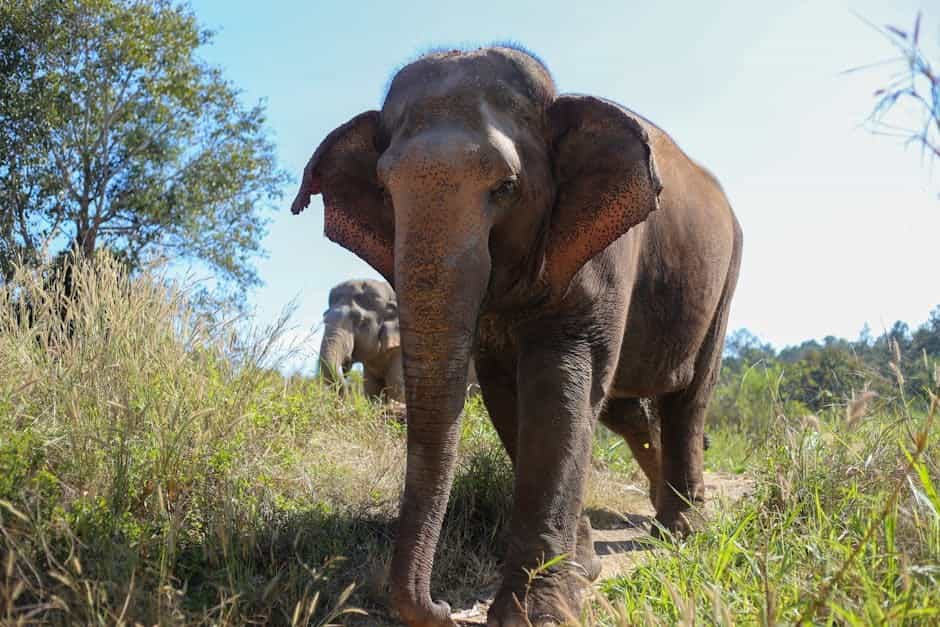
According to legend, a relic (often described as a bone from the Buddha's shoulder) was placed on a white elephant that wandered up Doi Suthep. The elephant trumpeted three times, knelt, and died at the present temple site — taken as a divine sign to enshrine the relic there. This story explains the temple's founding and is central to its spiritual identity.
Places to visit
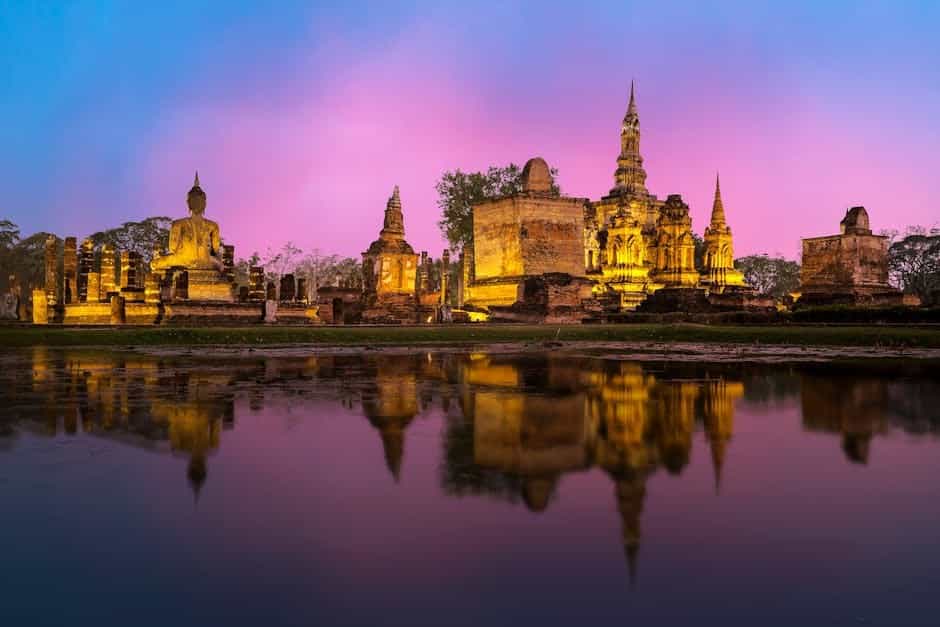
- The Golden Chedi (stupa) — the gilded central reliquary that dominates the complex.
- Naga Staircase — the ornate serpentine stairway guarded by Naga (mythical serpents) leading up to the temple (hundreds of steps; a cable car is available).
- Ubosot (Ordination Hall) and prayer halls — richly decorated in Lanna style with murals, lacquer and gold leaf.
- Panoramic viewpoints — sweeping views over Chiang Mai, especially striking at sunrise and sunset.
- Monk community and ritual spaces — active temple life with chanting, almsgiving, and meditation areas.
Unique Aspects
- Lanna-style architecture and decorative wood and stucco work
- Intricate Buddha images and gilded shrines
- Historic bells and votive offerings
- Trailheads and forested areas of Doi Suthep–Pui National Park nearby
- Cable car (lift) option for visitors who prefer not to climb
Things to do
- Climb the Naga staircase for a traditional arrival experience or take the cable car for easier access.
- Visit the golden chedi and circumambulate while observing local devotional practices.
- Photography of architecture and panoramic views over Chiang Mai (be respectful around worshippers).
- Observe or join morning almsgiving and chanting sessions with monks (often at dawn).
- Hike nearby trails in Doi Suthep–Pui National Park for nature and birdwatching.
Festivals & Events
- Visakha Bucha and Makha Bucha — major Buddhist holidays when pilgrims visit and candlelight processions are common.
- Songkran (Thai New Year) — special merit-making activities may take place.
- Local temple anniversaries and merit-making days — increased activity and offerings.
Best Time to Visit
Cool, dry season (November to February) for the most comfortable weather and clear views; early morning or late afternoon for cooler temperatures and dramatic light.
Weather Conditions
Tropical highland climate: cool/dry Nov–Feb, hot Mar–May, rainy Jun–Oct (trails and views can be affected during monsoon). Temperatures on the mountain are often several degrees cooler than Chiang Mai city.
Entry Fees & Permits
There is typically a small entry fee or donation for foreign visitors and vehicle parking; official hours are daily with primary visiting times from early morning to late afternoon/early evening (commonly around 6:00–18:00, but times and fees can change—check current local information before travel).
Accessibility
Approximately 15–20 km northwest of Chiang Mai city center and ~20–30 minutes by car from the old city (traffic dependent). Accessible by private car, taxi or the common local red songthaew/sightseeing vans; steep steps may be challenging for some visitors but a cable car and paved access are available for easier entry. Nearest major transport hub: Chiang Mai International Airport (~15–20 km).
Recommended Duration
Allow 2–4 hours including travel time from Chiang Mai to explore the temple, enjoy viewpoints, and visit nearby trails or markets.
Clothing & Gear Tips
Dress respectfully: cover shoulders and knees (no shorts or sleeveless tops in the main shrines). Bring comfortable walking shoes (you remove footwear inside shrines), a hat, sun protection, and water. If visiting at dawn or in the cool season, bring a light layer.
Local Food & Souvenirs
Try northern Thai specialties in Chiang Mai such as khao soi and local sweets. Souvenirs near the temple and in nearby Chiang Mai markets include handicrafts, woodcarvings, hill-tribe textiles, amulets and Buddhist devotional items.