Yaowarat (Chinatown), Thailand
Yaowarat (Bangkok's Chinatown) is one of the oldest and most vibrant Chinese communities in Southeast Asia. Founded in the late 18th century when Chinese immigrants settled along the Chao Phraya River, Yaowarat developed into a major commercial and cultural quarter. It is important historically for its role in Bangkok's trade, gold and jewelry business, and as a center for Chinese-Thai heritage. Culturally, Yaowarat is a living showcase of Sino-Thai traditions, temples, clan houses, cuisine and festivals integrated into Thai society.
Last updated: 23 Oct 2025
Places to visit
- Yaowarat Road – the neon-lit main street and heart of Chinatown
- Wat Traimit (Temple of the Golden Buddha) – houses a 5.5-tonne gold Buddha statue
- Sampeng Lane (Soi Wanit 1) – narrow market lanes for wholesale, textiles and trinkets
- Chinatown Gate (Odeon Circle) – iconic entrance arch to Yaowarat
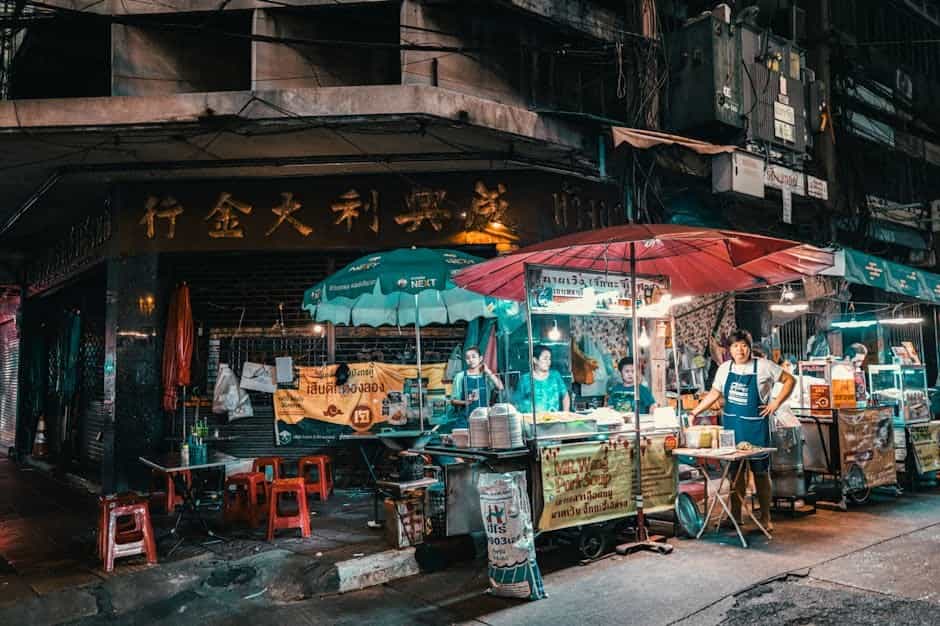
- Ratchawong and Yaowarat street food stalls – renowned hawker stalls and eateries
- Wat Mangkon (Dragon Lotus Temple) – important Chinese Buddhist temple
- Trok Mor Market & Sampeng Market – traditional markets for fabrics, accessories and bargains
- Bangkok Old Town nearby: Bangrak and Charoen Krung – culinary and heritage streets
Unique Aspects
- Bright neon signs and dense night-time street-food culture
- Cluster of gold shops and traditional Chinese jewelers
- Mix of Chinese clan houses, temples and shophouse architecture
- Bustling, narrow lanes with wholesale markets and street vendors
- Strong sensory experience—smells of incense, sizzling woks, and sweet pastries
Things to do
- Evening street-food tasting tour along Yaowarat Road (must-try: oyster omelette, grilled seafood, dim sum, mango sticky rice)
- Visit Wat Traimit and Wat Mangkon to learn about Sino-Thai religious life
- Shop for gold, jewelry, herbs, teas, fabrics and souvenirs in Sampeng and surrounding markets
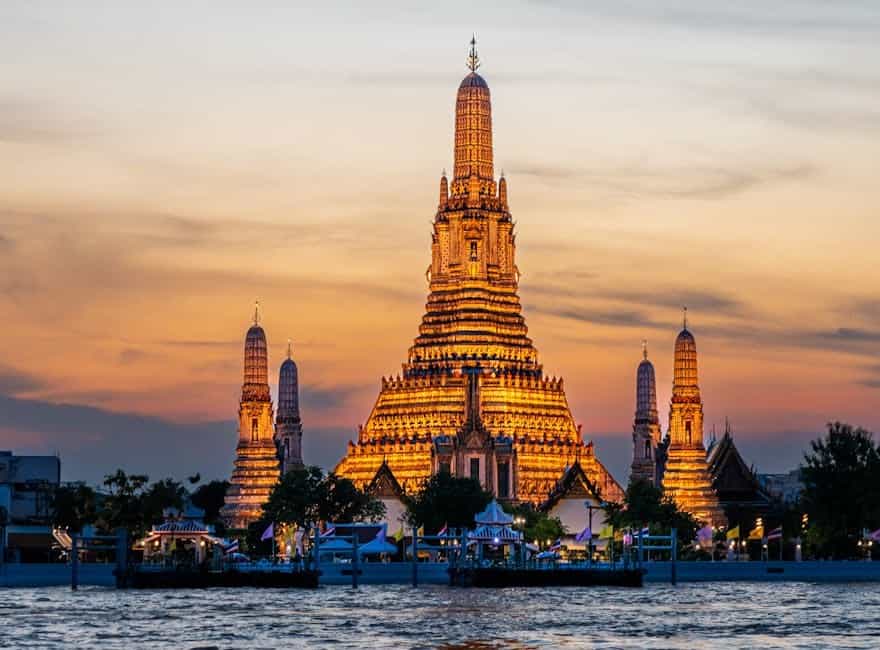
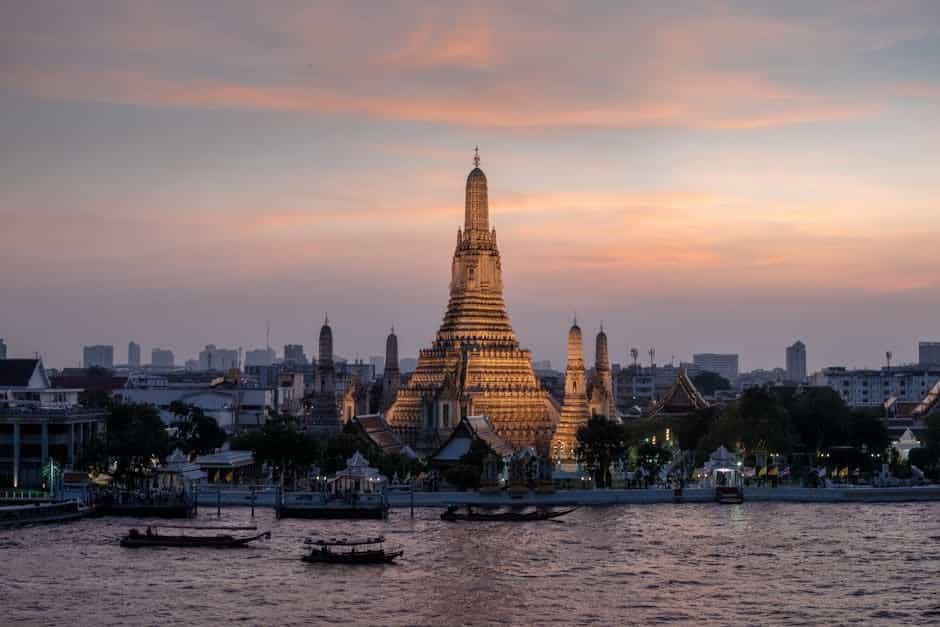
- Photograph neon-lit streets, shopfronts and riverside scenes at night
- Join a guided walking tour or food tour to hear local history and hidden stories
- Take a short boat ride to Ratchawong pier or walk to nearby Charoen Krung for galleries and cafés
Best Time to Visit
Evenings (roughly 18:00–00:00) for the full street-food and neon experience. For more comfortable weather, visit in the cool season (November–February) when Bangkok is less hot and humid.
Weather Conditions
Tropical, hot and humid year-round. Expect high humidity, afternoon/evening heat and occasional rain during the monsoon season (May–October).
Entry Fees & Permits
Most of Yaowarat is an open public district with no entry fee. Individual attractions: Wat Traimit typically charges a small entry fee (around ~40–100 THB) and has daytime opening hours (approx. 08:00–17:30), while shops and food stalls are busiest in the evenings (often from late afternoon until after midnight). Opening hours can vary by vendor.
Accessibility
Easily accessible by public transport: MRT Wat Mangkon station (Blue Line) places you at the heart of Chinatown; Sam Yot and other nearby stations also serve the area. River access via Ratchawong Pier (Chao Phraya Express Boat) or long-tail boats is convenient. Numerous buses, taxis and tuk-tuks serve Yaowarat. Nearest airports: Suvarnabhumi (BKK) and Don Mueang (DMK)—taxi or public transit required to reach Chinatown.
Recommended Duration
A half-day to full-day visit (3–6 hours) is sufficient for a focused food-and-sightseeing trip; combine with nearby Old Town/Chao Phraya attractions for a full day.
Clothing & Gear Tips
Light, breathable clothing; comfortable walking shoes for uneven pavements and standing at food stalls; a small umbrella or rain jacket in the rainy season; a small daypack and a portable phone charger for photos.
Local Food & Souvenirs
Must-try foods include oyster omelette (hoi tod), roasted duck, dim sum, grilled seafood, steamed buns, mango sticky rice, and traditional Chinese sweets. Popular souvenirs: gold jewelry, dried fruits, Chinese teas and herbs, ceramics, lanterns and traditional sweet snacks. Bargain politely at Sampeng and street markets; cash is widely used, though many vendors now accept cards or mobile payments.