Baijnath Temple complex
Baijnath Temple Complex is a compact cluster of well-preserved stone temples from the Katyuri period (roughly 12th century), dedicated primarily to Lord Shiva (Baijnath). Set on the banks of the Gomti in a scenic Himalayan valley, the complex is notable for its Nagara-style stone architecture, finely carved sculptures, and tranquil riverside setting. The site remains an active pilgrimage centre and a good stop for cultural and heritage sightseeing in Kumaon.
Location
Baijnath Temple Complex, Baijnath (near Bageshwar), India
Duration
1–2 hours for the core complex; half-day if you include riverside walk, market and nearby shrines; full day if combining with Bageshwar or Kausani.
Best Time to Visit
Best: March–June (spring/summer) and September–November (post-monsoon) for clear views and comfortable weather. Avoid heavy monsoon (July–August) due to slippery paths and possible road disruptions. Winters (December–February) can be cold and occasionally snowy — if you enjoy winter scenery, visit with warm clothing. Major festivals: Maha Shivratri and local fairs in Kartik/Magh attract pilgrims and festivities.
Pricing
Free entry to the temple complex. Typical on-site costs: puja/archana 50–500 INR, optional guided tour 300–1000 INR, camera fee (where applicable) 20–100 INR, parking 20–100 INR. Donations are voluntary.
Activity Type
Coordinates
Highlights
12th‑century Katyuri-era stone temples and detailed carvings
Main shrine dedicated to Lord Shiva (Baijnath) and several subsidiary shrines
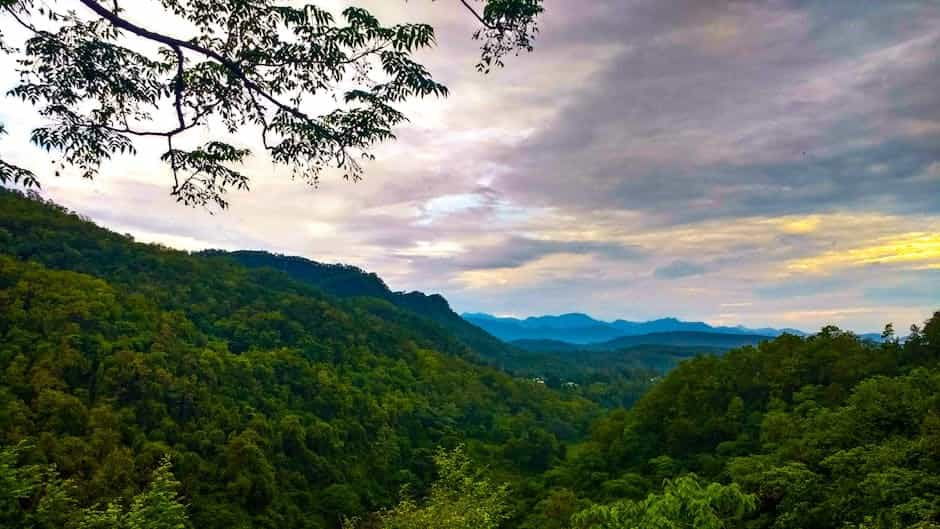
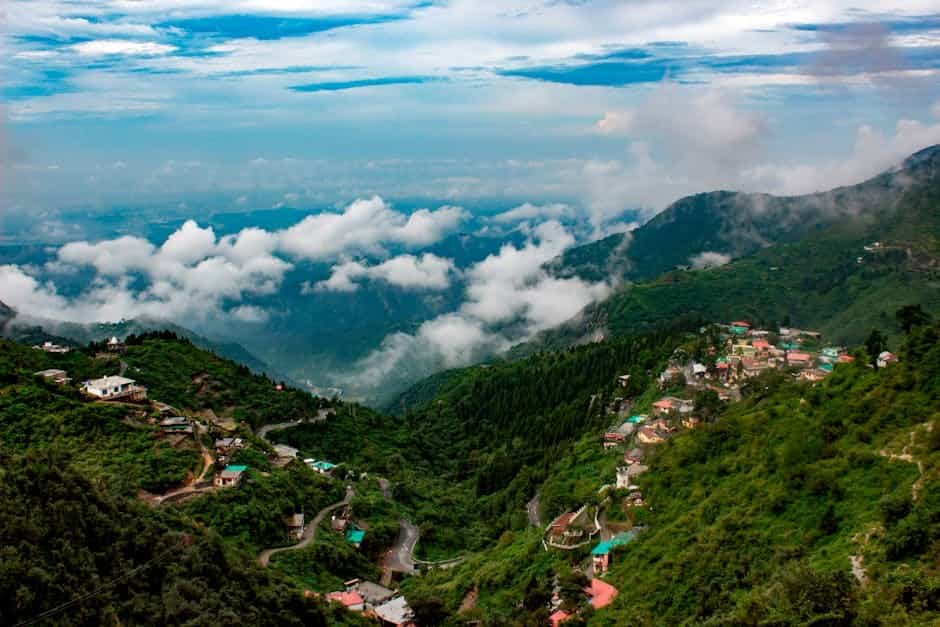
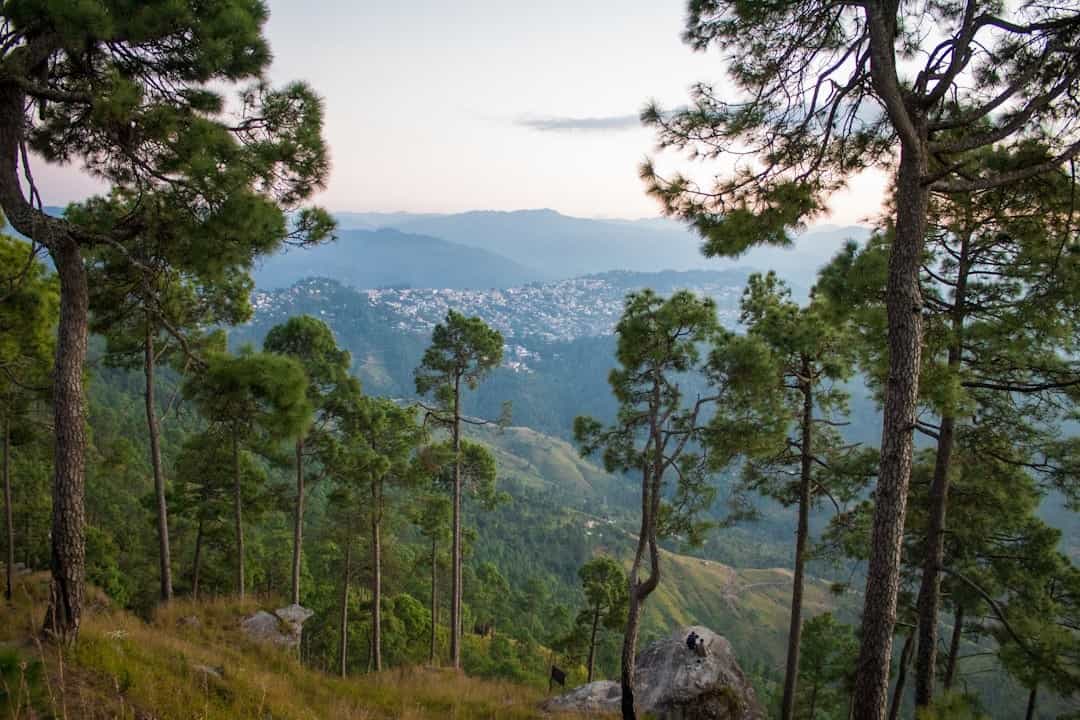
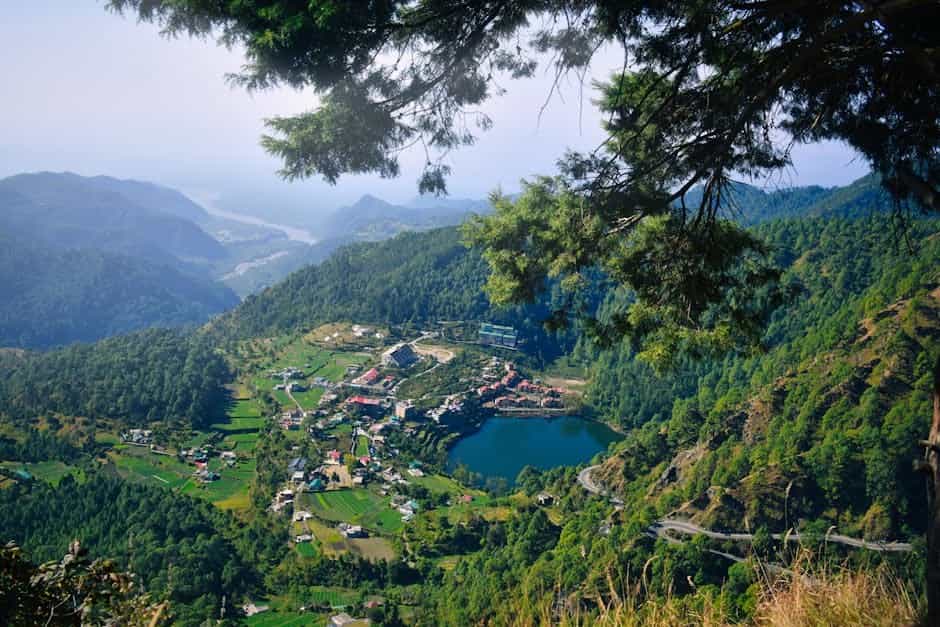
Picturesque riverside setting on the banks of the Gomti, with mountain backdrops
Active pilgrimage site with daily aarti and seasonal fairs
Good example of Kumaoni/Nagara temple architecture and stone masonry
Easy access from Bageshwar and a useful stop when touring Kumaon (Kausani, Almora)
Itinerary
Arrival and orientation at the complex
Find parking, buy any necessary camera tickets, and check opening/puja times at the gate.
Explore the main Baijnath shrine and surrounding temples
Observe carvings, learn about Katyuri history; respectful photography — avoid flash inside sanctum if restricted.
Attend or observe morning aarti / offer prayers
Aarti times vary; check locally. Participating gives cultural insight and good photo opportunities (respectful behaviour expected).
Riverside walk and photography
Short walk along the Gomti — great views of the valley and temples from the riverbank.
Visit nearby market, small shops or hire a local guide
Pick up local snacks, souvenirs; guides can explain iconography and local history in 30–60 minutes.
Safety Requirements
Wear comfortable, non‑slip footwear — stone steps can be uneven and slippery when wet.
Respect sanctum rules: remove shoes where required, follow instructions on photography and entry.
Keep a water bottle and basic sun protection; high UV in the mountains.
Monsoon caution: paths and roads may be slippery; avoid visiting during heavy rain if possible.
No special medical clearances needed — altitude is moderate, but visitors with health issues should take usual precautions.
Tips
Arrive early (8–10 AM) for softer light, fewer crowds and to catch morning aarti.
Combine the visit with nearby Bageshwar, Kausani or Almora for a fuller day trip.
Hire a local guide at the site or from Bageshwar to understand the history and carvings (negotiable fixed fee).
Carry small change in cash — some stalls and priests may not accept cards.
Dress modestly for a religious site; women may prefer a scarf to cover shoulders inside the temple.
Check festival dates (Maha Shivratri, Kartik/Magh fairs) — great cultural experience but busier than usual.