Binsar Wildlife Sanctuary birding
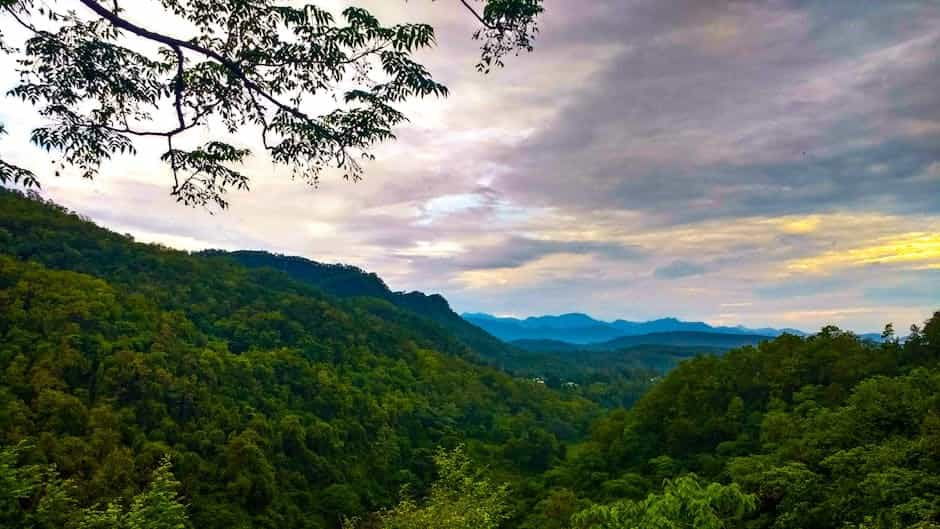
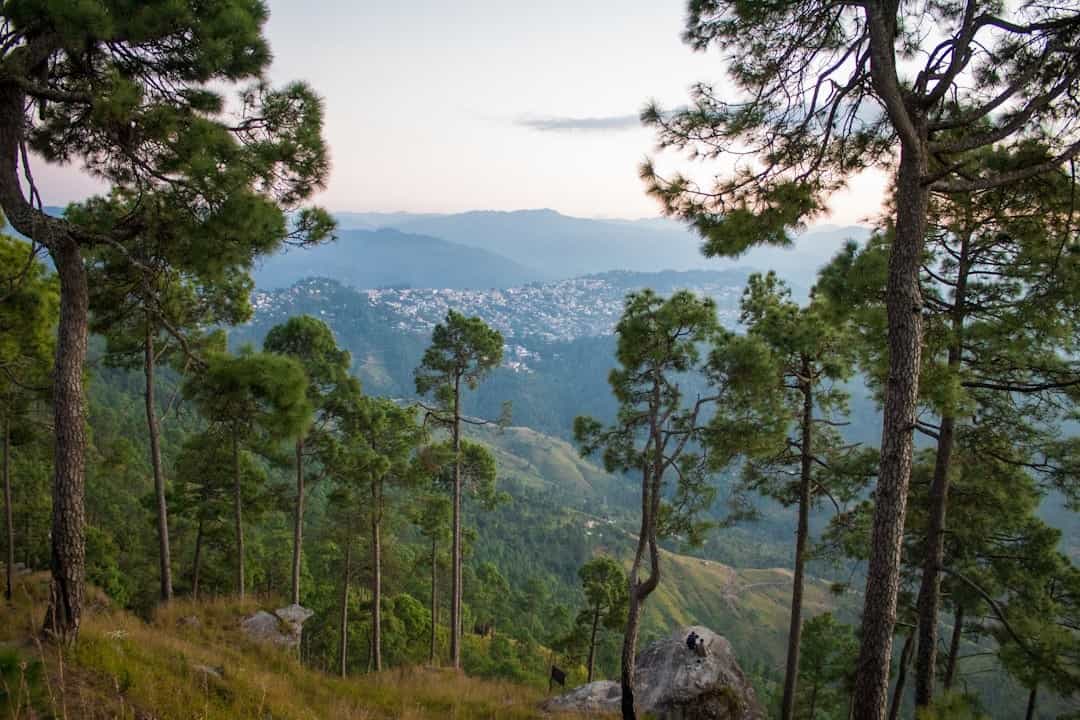
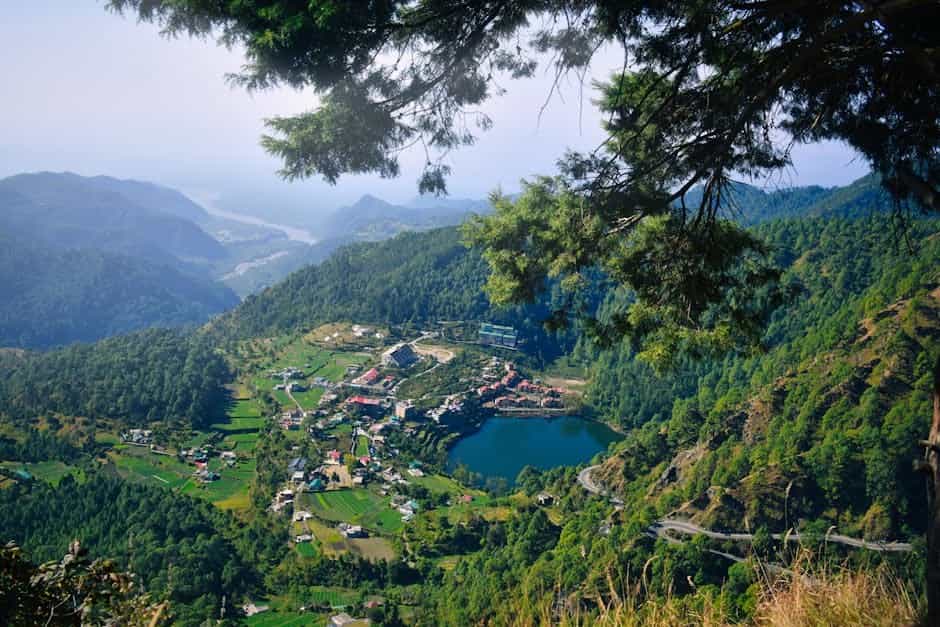
Binsar Wildlife Sanctuary in Almora, Uttarakhand is a compact but bird-rich Himalayan sanctuary set in oak and rhododendron forests. Birding here focuses on montane and submontane Himalayan species — pheasants, hill thrushes, flycatchers, tits, warblers and raptors — often seen along narrow forest trails, viewpoints and open clearings. The sanctuary’s mosaic of oak, rhododendron, and alpine scrub, together with accessible viewpoints (notably Zero Point and Binsar Peak), makes it ideal for short, high-quality birding visits.
Location
Binsar Wildlife Sanctuary (Zero Point, Binsar Peak, various forest trails), Almora, India
Duration
Typical sessions: Half-day (3–4 hours) or full-day (6–8 hours). Many birders spend 1–2 days for a thorough list.
Best Time to Visit
October to May (autumn, winter and spring). Late spring (March–May) for breeding plumage and migrant arrivals; winter (Dec–Feb) for altitude-driven concentrations. Monsoon (June–September) has lower accessibility and heavy rains.
Pricing
Approximate costs (subject to change):
- Sanctuary entry/permit: INR 50–200 per person
- Local guide / naturalist: INR 500–1,500 per half/ full day
- Transport (Almora ↔ Binsar, round trip): INR 1,200–3,000 depending on vehicle
- Optional accommodation (guesthouses/lodges): INR 800–4,000 per night (These are indicative; confirm current rates with local operators or the Uttarakhand Forest Department.)
Activity Type
Coordinates
Highlights
Over 150–200+ species recorded (varies by source)
Himalayan pheasants and mountain endemics: Koklass Pheasant, Himalayan Monal (occasionally in surrounding higher ridges) and Kalij Pheasant
Flycatchers and chats: Verditer Flycatcher, Ultramarine Flycatcher, Rufous-bellied and White-throated Fantails
Thrushes and warblers: Himalayan Bluetail, White-collared Blackbird, Chestnut-bellied Rock Thrush, various leaf-warblers and bush-warblers
Woodpeckers and nuthatches: Rufous-bellied Woodpecker, Great Spotted Woodpecker, Chestnut-bellied Nuthatch
Raptors and larger species: Himalayan Griffon (in surrounding cliffs), Eurasian Sparrowhawk and other raptors over clearings
Scenic viewpoints: Zero Point offers panoramic Himalayan vistas and good vantage for skyward raptors and montane species
Itinerary
Arrival at a chosen trailhead or viewpoint (e.g., Zero Point, Binsar Peak, or nearby forest track); focused listening and slow walk for morning song and active feeders.
Best time for most species; carry hot drink and be ready for cold temperatures in winter.
Moving to adjacent trails or lower-elevation clearings to target different guilds (e.g., understory warblers, nuthatches). Short breaks for identification and photography.
Many species become quieter by mid-morning; use this time to relocate and scout.
Late-afternoon session to catch returning foragers, raptors thermalling over ridges, and species active in cooler hours.
Golden hour provides good light for photography. Avoid the hottest midday hours when bird activity drops.
Night walk near the lodge or designated safe tracks to detect owls or nocturnal mammals (if permitted).
Requires a local guide and permissions; use quiet, low-beam torches and respect sanctuary rules.
Safety Requirements
Obtain any required entry permits and carry ID (forest department may require permits or entry fee).
Hire a local guide if unfamiliar with mountain trails; trails can be steep, narrow and uneven.
Wear sturdy hiking shoes; traction is essential on wet or mossy paths.
Carry water, snacks, sun protection and layered clothing — weather changes quickly in the hills.
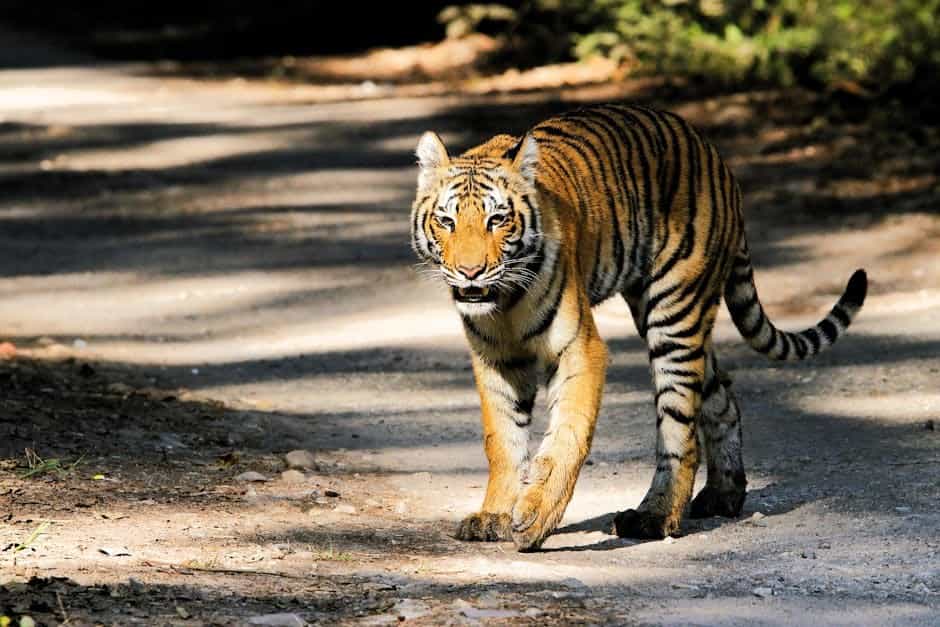
Keep a safe distance from wildlife, avoid feeding animals and do not disturb nests or roosts.
Follow local forest rules: no littering, no smoking, and avoid loud music. Groups should minimize noise to protect bird activity.
Mobile phone coverage can be patchy — share your itinerary and expected return times with accommodation or local contacts.
Tips
Bring good optics (8x42 binoculars minimum; 10x or 12x preferred for distant ridge species) and a telephoto camera lens if photographing.
Carry a pocket field guide or app for Indian/Himalayan birds and a notebook or eBird app to log sightings.
Start at dawn and focus on sheltered trails and rhododendron/oak edges for highest species turnover.
Hire a local naturalist from Almora or Binsar — they know seasonal hotspots, recent sightings and safe routes.
Be prepared for cold mornings even outside winter: layer clothing, gloves and a warm hat in December–February.
Combine your birding with short scenic stops (Zero Point for vistas) and cultural visits in Almora for a fuller trip.
If targeting specialty species (e.g., particular pheasants or high-altitude endemics), plan seasonally and consider extending to nearby higher ridges beyond the sanctuary with local guidance.