Katarmal Sun Temple
Katarmal Sun Temple is a historic 9th-century open-air temple complex dedicated to the Sun God (Surya), located near Almora in Uttarakhand. Built during the Katyuri period and attributed to King Katarmalla, the temple is noted for its unique stone architecture, intricate carvings, and an array of subsidiary shrines set against a panoramic Himalayan backdrop.
Location
Katarmal Sun Temple Complex, Almora (Katarmal), Uttarakhand, India
Duration
1–2 hours (site visit); half-day recommended if combining with nearby viewpoints or Almora town.
Best Time to Visit
March to June and September to November (clear weather, pleasant temperatures). Winters (Dec–Feb) are cold and may have fog/snow; monsoon (July–Aug) brings slippery paths and limited visibility.
Pricing
Nominal entry fee (typically INR 10–50 for Indian visitors; INR 50–200 for foreign tourists depending on ticketing policies). Local transport or guide fees may apply. Parking charges small (INR 10–50).
Activity Type
Coordinates
Highlights
Main Sun (Surya) temple with a large stone image of Surya facing east
Complex of over 40 smaller shrines and carved panels illustrating Hindu iconography
Fine stone carvings and motifs characteristic of Katyuri architecture
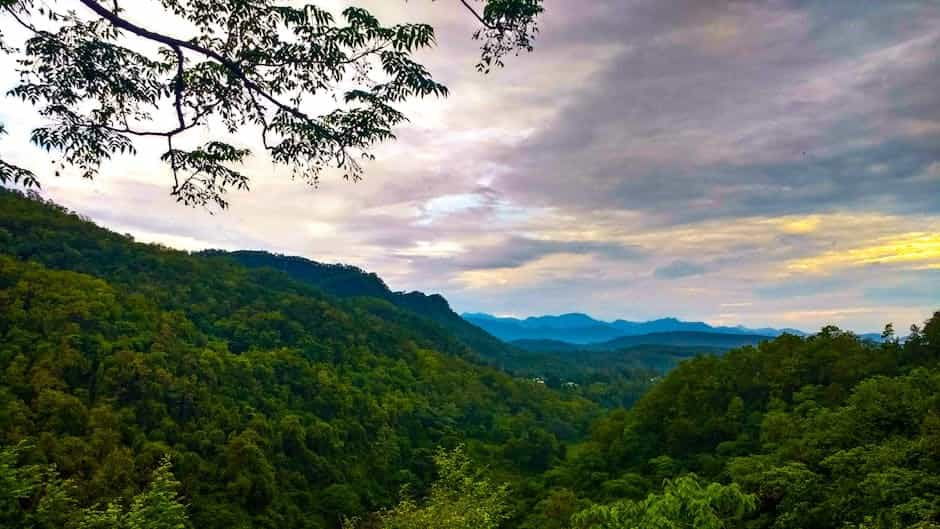
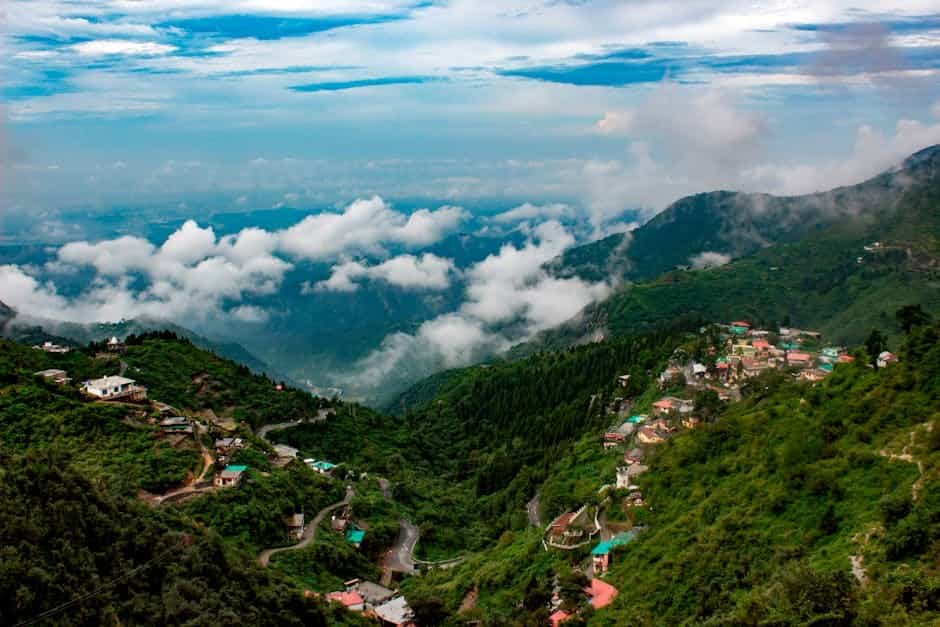
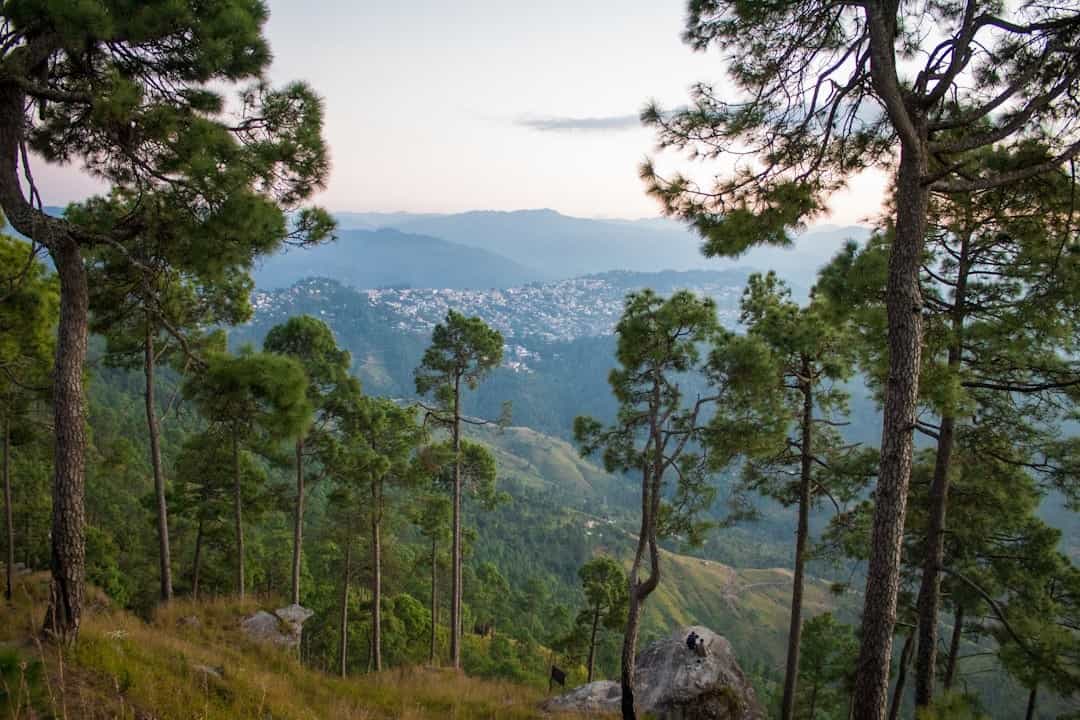
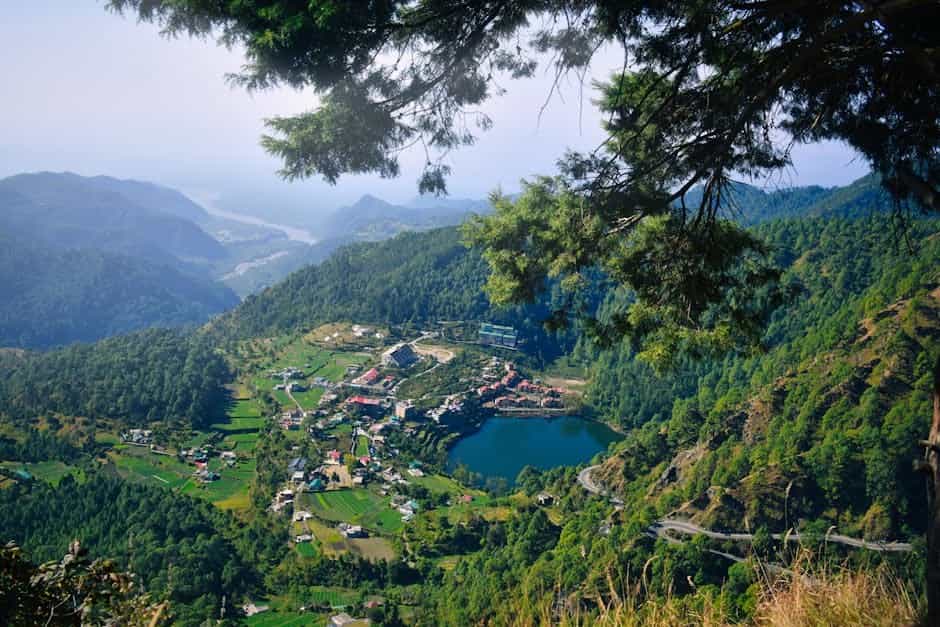
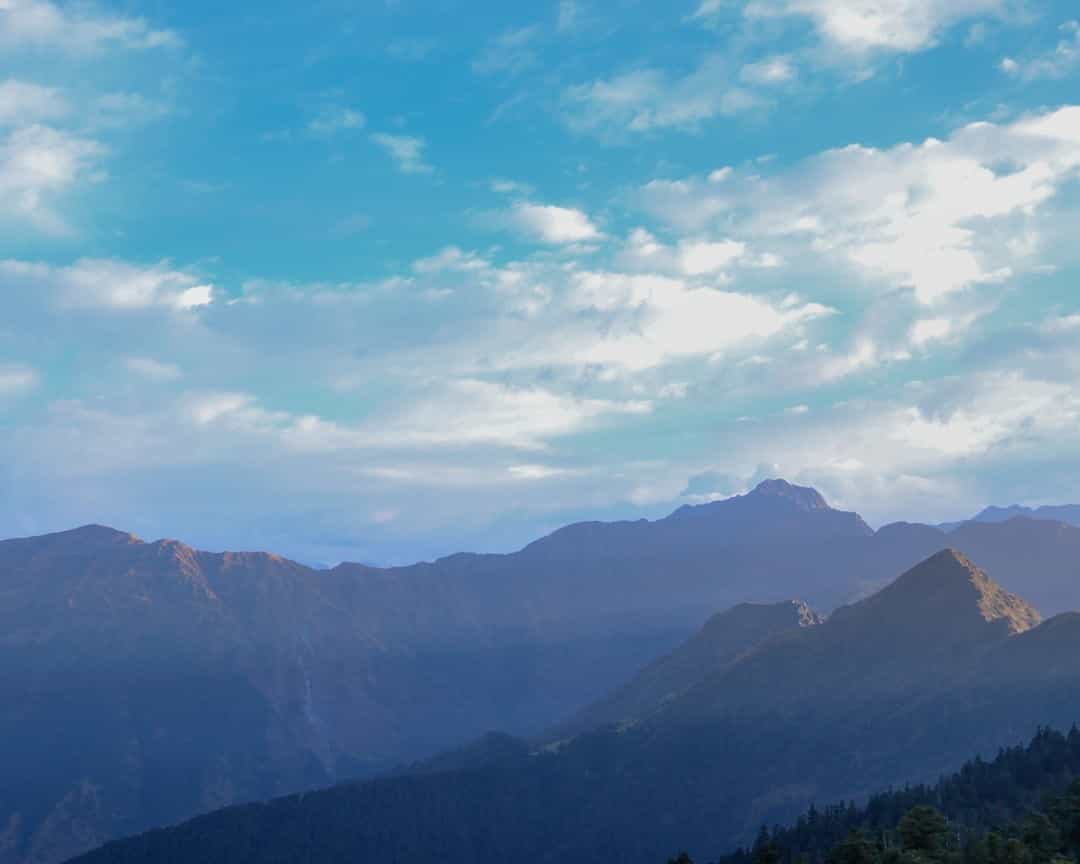
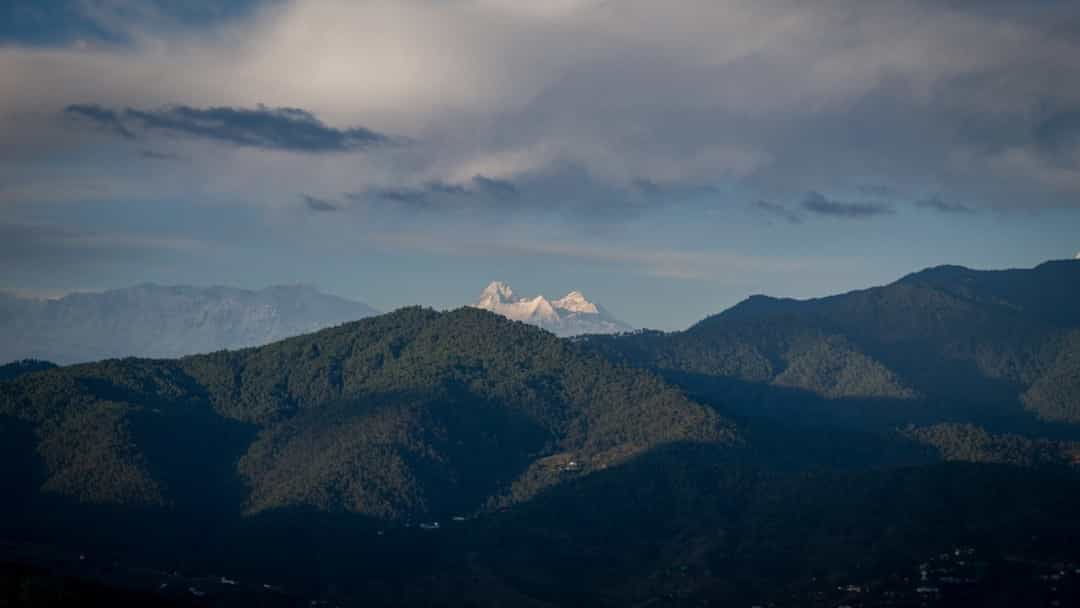
Beautiful hilltop setting with panoramic views of the Kumaon Himalaya
Relatively offbeat (less crowded) compared to other Uttarakhand temples
Itinerary
Depart Almora / arrival at Katarmal
Drive time from Almora is roughly 30–45 minutes depending on route and traffic.
Explore the temple complex
Walk around the main shrine, examine carvings, and visit subsidiary shrines. Photography is usually allowed but be respectful during rituals.
Visit nearby interpretive boards / local museum (if open)
Learn about temple history and conservation efforts.
Tea/lunch at a nearby eatery or picnic
Carry water and snacks if you prefer a quiet picnic with a view.
Return to Almora or continue sightseeing
Combine with nearby attractions like Jageshwar (longer day) or Almora town sightseeing.
Safety Requirements
Wear sturdy footwear—stone paths and steps can be uneven and slippery, especially in the monsoon or winter frost.
Carry water, sun protection (hat, sunscreen) and warm layers (mornings/evenings can be cold).
Limited medical facilities in the immediate area—carry basic first-aid and any required medications.
Moderate altitude (~1,900–2,100 m); acclimatize if coming from low altitudes and avoid strenuous activity if you have health concerns.
Respect temple rules: remove shoes where required, avoid touching sensitive carvings, and follow guidance from caretakers.
Tips
Start early to enjoy clearer views of the Himalaya and cooler temperatures.
Hire a local guide at the site or in Almora for richer historical context (negotiate and confirm rates in advance).
Combine the visit with Almora town sightseeing or nearby temples to make it a half-day trip.
Carry cash—small shops, donations, and parking often expect cash payments.
Photography is allowed generally, but be respectful during prayers; avoid using tripods inside the sanctum if restricted.
Check local opening hours and festival days; the site can be busier during major Hindu festivals.
If visiting during monsoon, carry rain protection and be cautious on slippery paths.