Kedarkantha trek
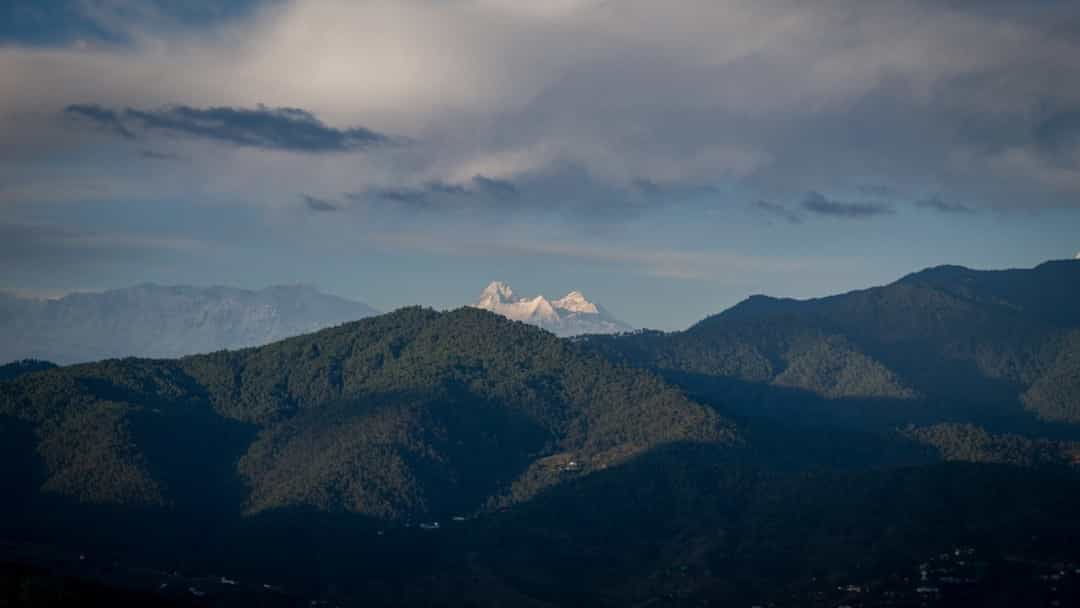
Kedarkantha is a classic Himalayan trek in the Govind Pashu Vihar area, starting from the remote village of Sankri (Uttarkashi district). It's famous for its snow-covered meadows, panoramic views of the Bandarpunch and Swargarohini ranges, and a relatively gradual climb suitable for fit beginners. The route is scenic year-round but is particularly iconic as a winter snow trek.
Location
Sankri (gateway), Kedarkantha Peak, Govind Pashu Vihar National Park, Uttarkashi (district: Uttarkashi), India
Duration
Typically 5–6 days (common itinerary: Day 1 travel to Sankri, Day 2 trek to base/first camp, Day 3 approach to Kedarkantha base, Day 4 summit & descend, Day 5 return to Sankri and depart). Some operators run 4-day express or 7-day relaxed itineraries.
Best Time to Visit
December–March for reliable snow and the iconic winter experience. April–June and September–November are excellent for clear views, wildflowers (late spring) and stable weather. Monsoon (July–August) is generally not recommended because of leeches, rain and restricted views.
Pricing
Approx. INR 6,000–12,000 per person for standard 5–6 day group packages (includes guide, permits, camps/guesthouses, meals on trek, ground transport from Dehradun/Dehradun–Sankri). Solo or private guided trips and premium services increase cost. Prices vary by season and inclusions.
Activity Type
Coordinates
Highlights
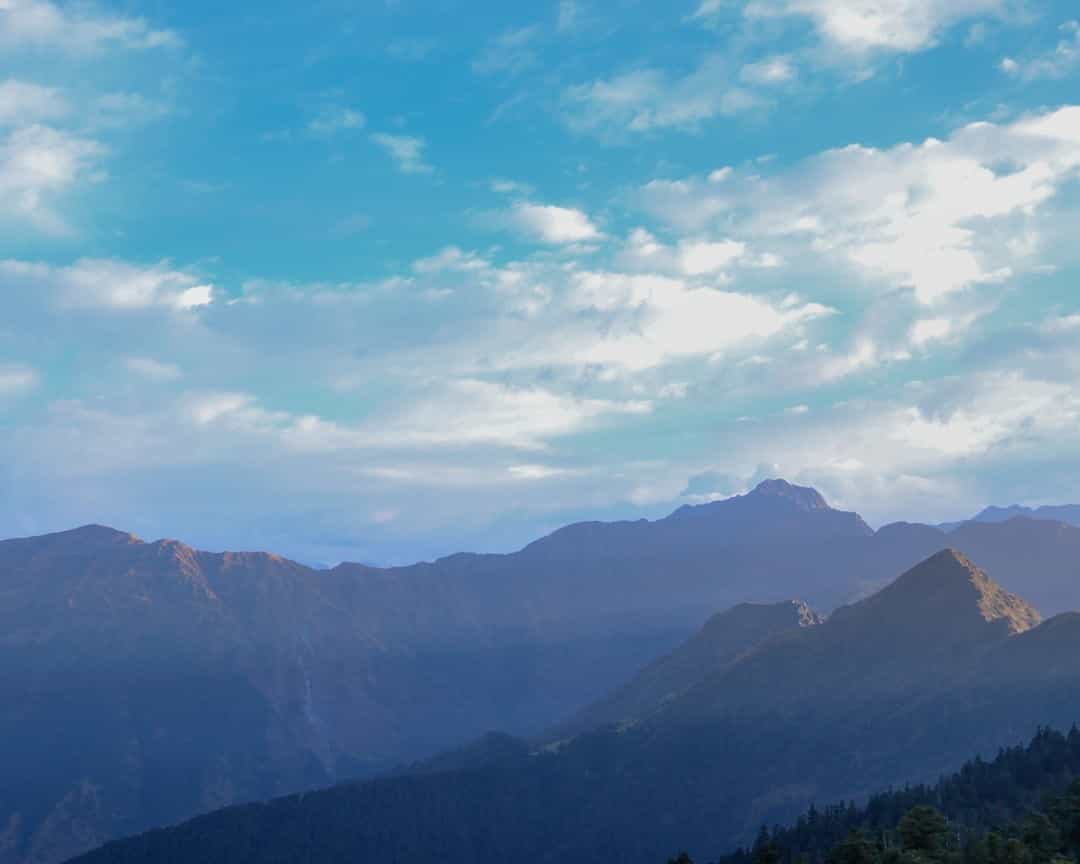
Panoramic summit views of Bandarpunch, Swargarohini and Kalanag ranges
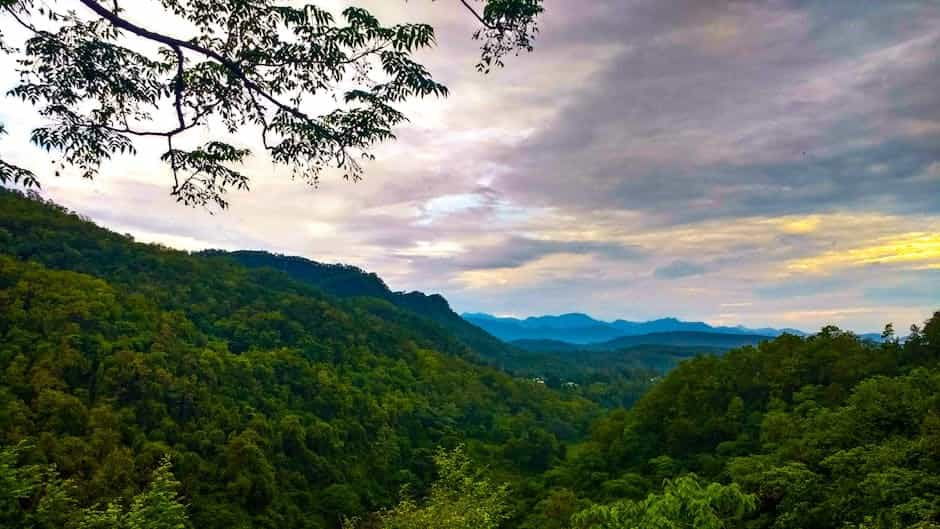
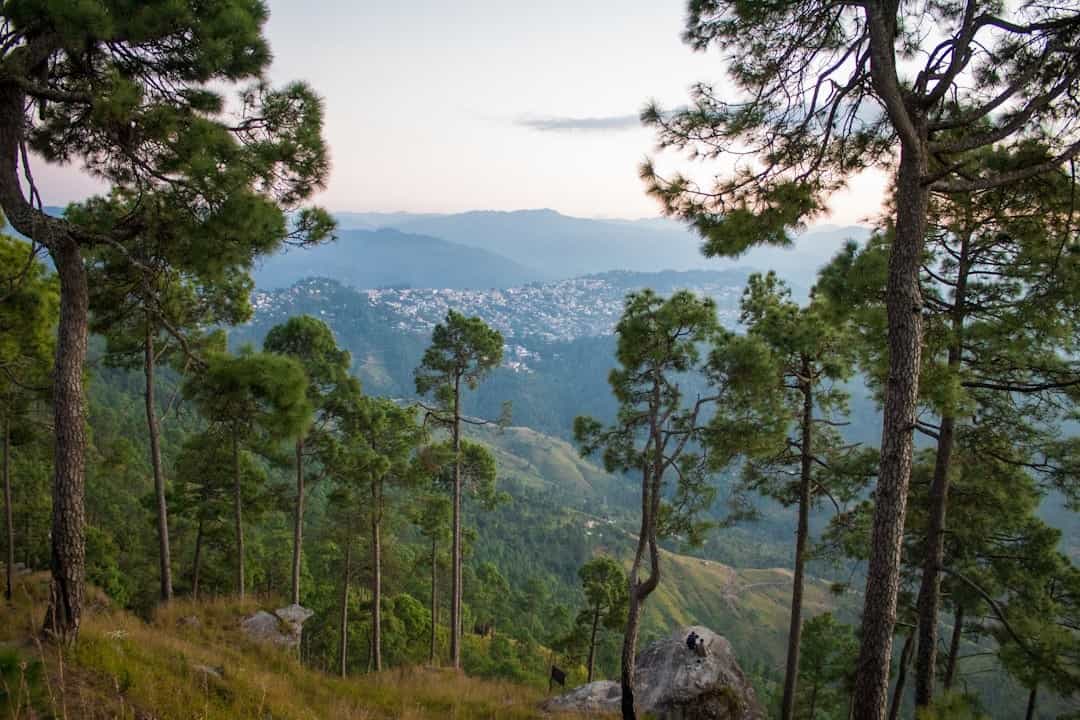
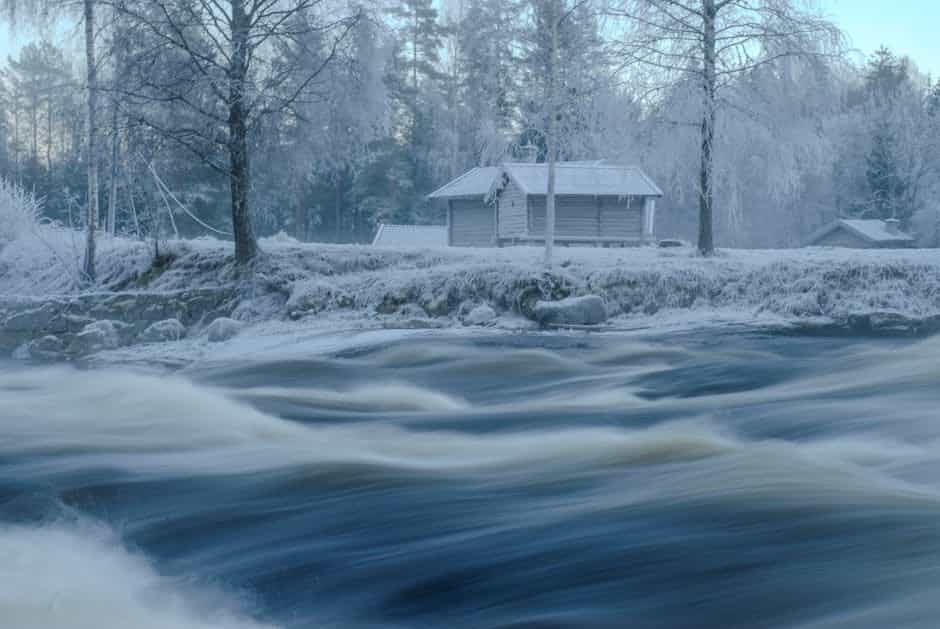
Snow meadows and pine forests — especially spectacular in winter
Accessible for fit beginners with basic winter trekking experience or guided support
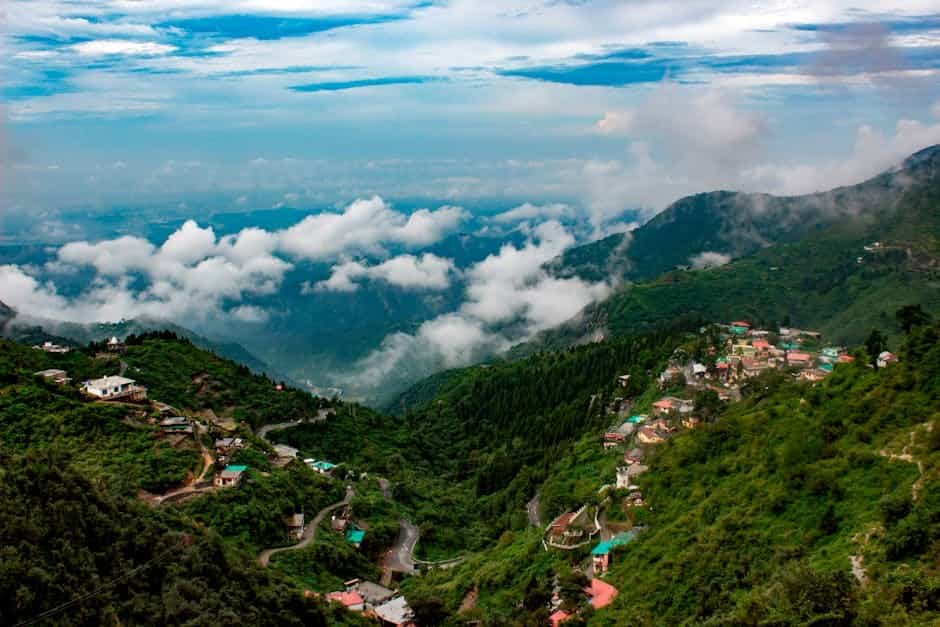
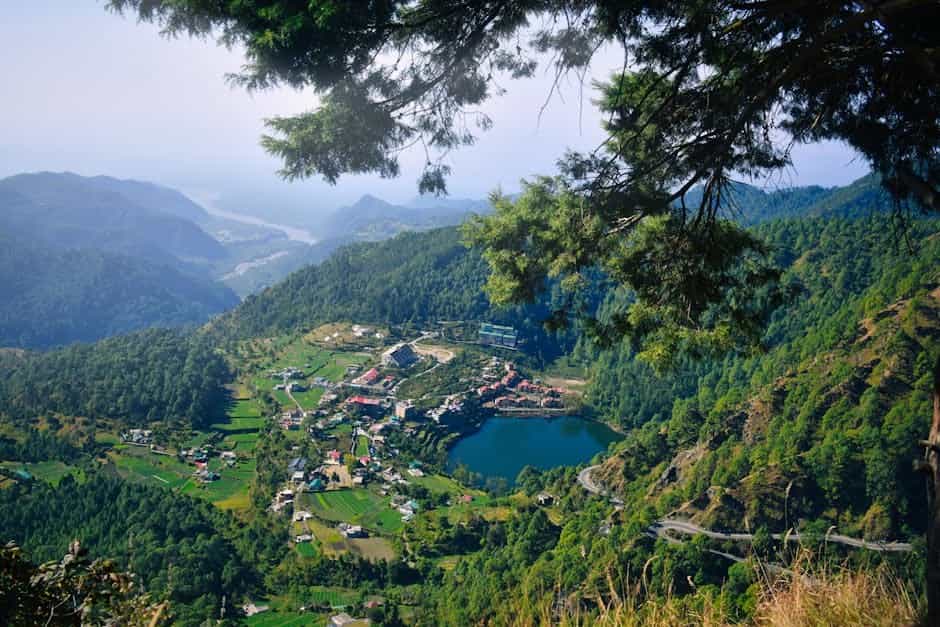
Scenic trail through remote mountain villages (Sankri) and alpine camps
Camping under clear skies with excellent stargazing in winter
Itinerary
Arrive in Dehradun/Delhi; travel by road to Sankri (overnight in Dehradun if needed).
Road travel to Sankri: ~8–10 hours from Dehradun/Haridwar depending on road conditions. Many groups start from Dehradun or Uttarkashi early morning.
Drive to Sankri and short acclimatization / village walk.
Reach Sankri (1,950m approx). Final gear check, permits, and briefing with guide. Light acclimatization walk in village and early night.
Sankri to Juda Ka Talab / Bura Thatch (trek 6–8 km, 4–6 hours).
Trail passes through pine and oak forests, gradual ascent. Camp/guesthouse at Juda Ka Talab or similar location.
Juda Ka Talab to Kedarkantha Base / Summit approach (trek 6–8 km, 5–7 hours).
Steeper sections, crossing high meadows; set up camp near Kedarkantha base (2,800–3,200m depending on route).
Summit push early morning to Kedarkantha Top (~3,800m), then descend to base or Juda Ka Talab (6–10 hours total).
Start pre-dawn for best conditions. Expect panoramic 360° views from the summit. Descend to lower camp for overnight.
Trek back to Sankri and drive to Dehradun/Uttarkashi (departure).
Final drive to nearest transport hub. Buffer day often added in itineraries for contingencies or bad weather.
Safety Requirements
Carry warm layered clothing, insulated down jacket and proper winter sleeping bag (if trekking in snow).
Trekking boots with good grip; crampons/traction aids recommended in heavy snow/ice.
Guided trek strongly recommended — local guides are familiar with trail, weather changes, and permits.
Basic fitness and prior day-hikes recommended. Acclimatize properly to reduce altitude sickness risk.
First-aid kit, altitude sickness medication (consult doctor), sunscreen and sunglasses (strong UV/reflection on snow).
Forest/park permits required (Govind Pashu Vihar area) — usually arranged by operator.
Travel insurance that covers trekking up to ~4,000m is advised.
Tips
Book early for winter slots (Dec–Feb) — limited capacity and high demand.
Pack light but smart: layers, waterproof shell, warm hat, gloves, gaiters, and two pairs of thermal socks.
Footwear: sturdy waterproof boots; if snow, bring microspikes/crampons and trekking poles.
Carry high-energy snacks, electrolyte sachets and a refillable water bottle (purification tablets/filter for camps).
Keep a flexible schedule**: mountain weather can cause delays — allow a buffer day for returns.
Respect local culture and environment: carry out waste, avoid lighting fires outside permitted areas.
Mobile network is patchy/absent on large parts of the route — download maps and keep emergency contacts with guides.
If you have limited winter trekking experience, choose a reputable operator that provides equipment and has good reviews.