Kedarnath Temple trek
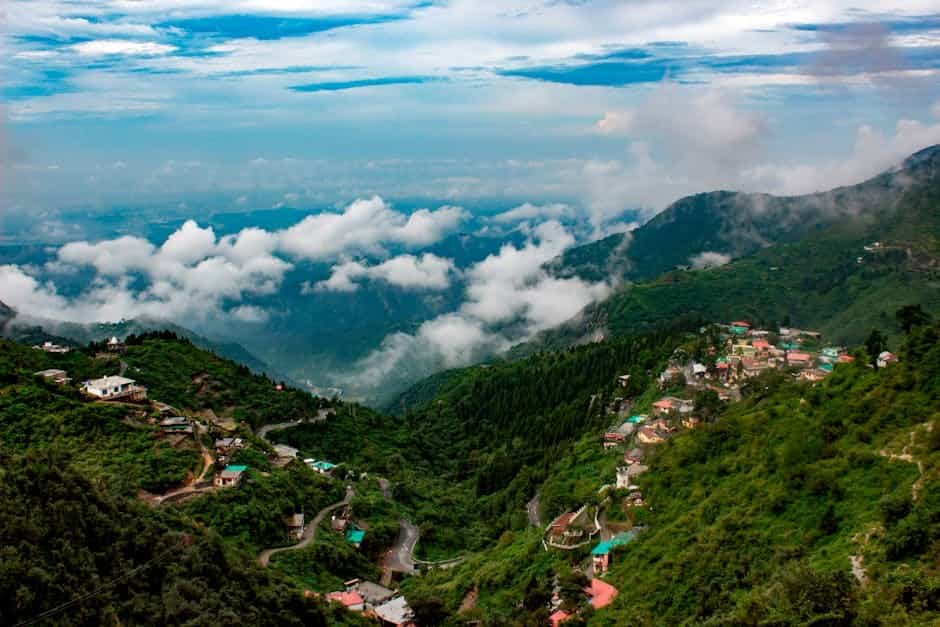
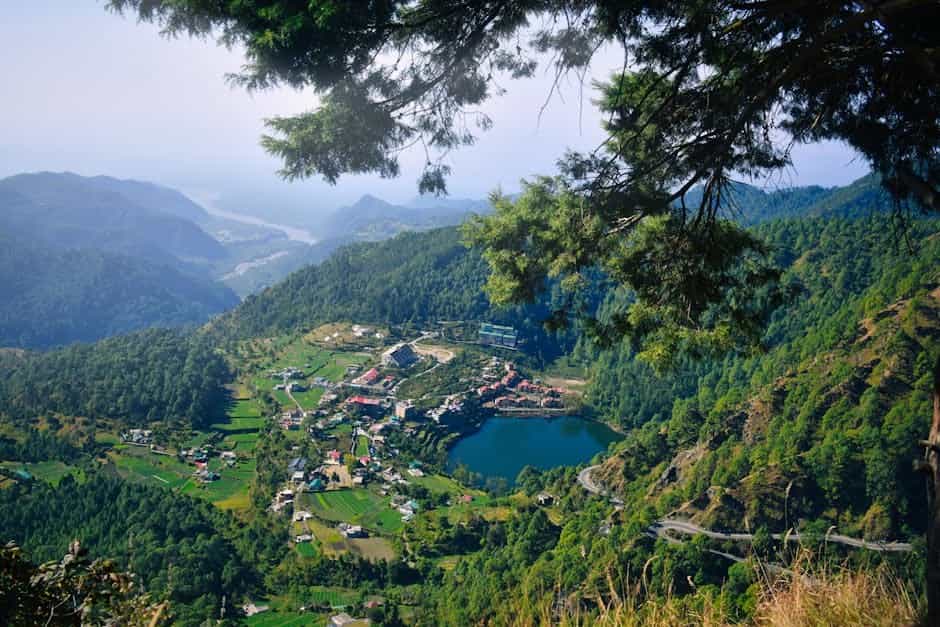
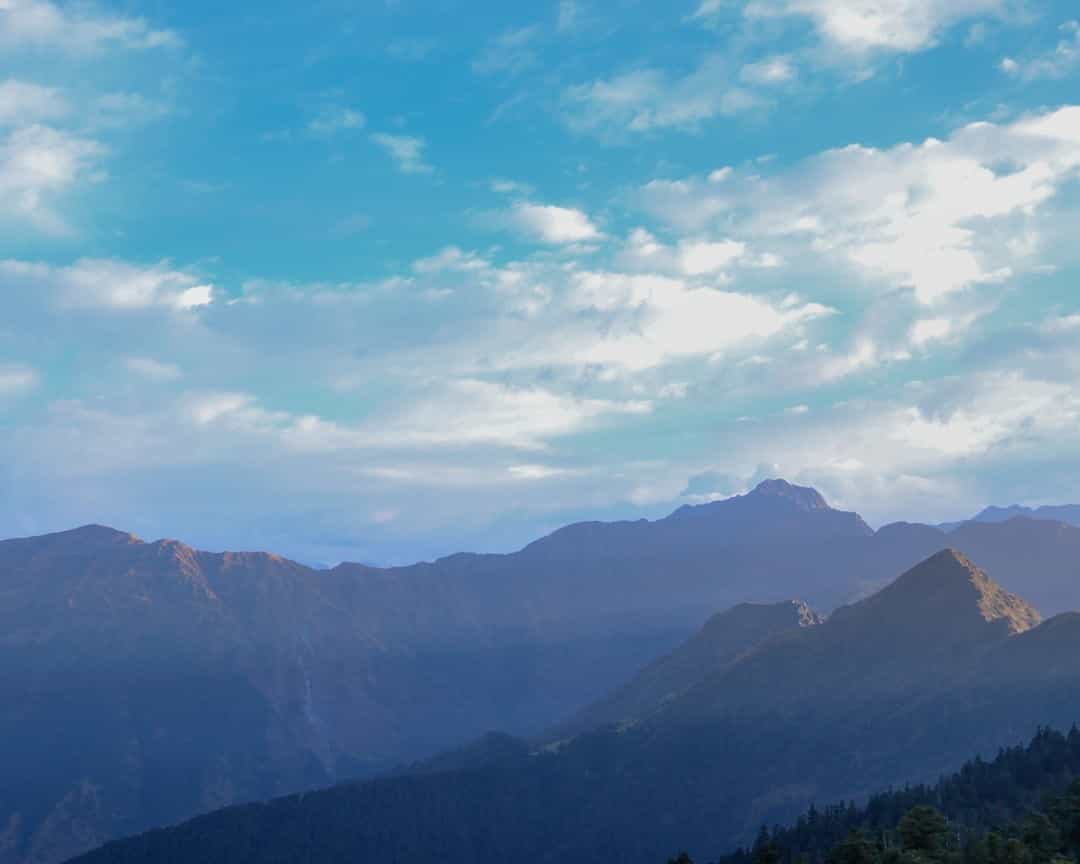
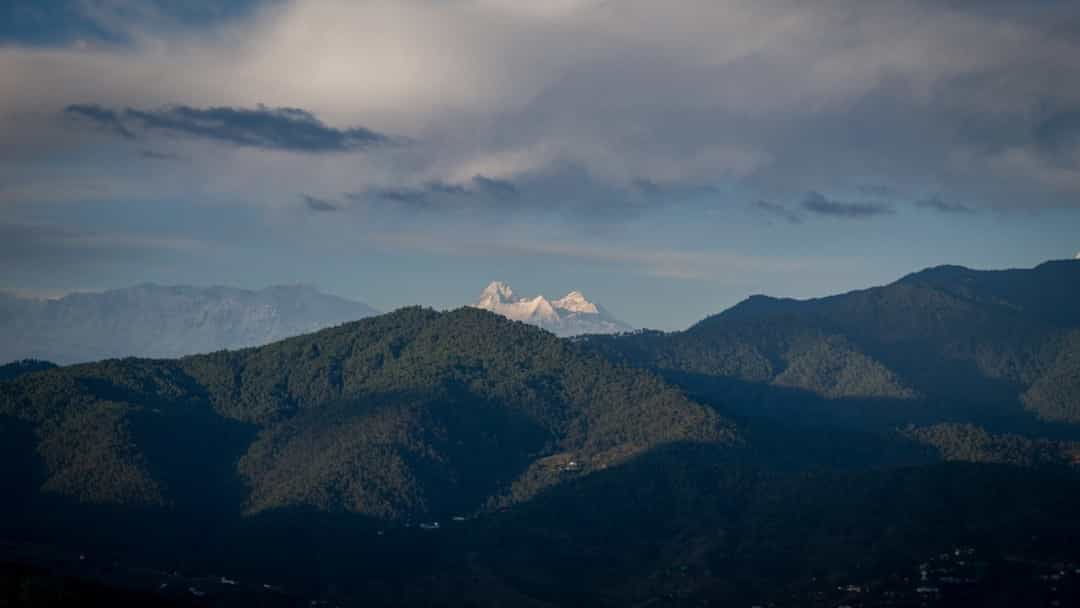
Kedarnath Trek is a classic Himalayan pilgrimage and high-altitude trek to the ancient Kedarnath Temple, one of the holiest shrines in Hinduism. The trek starts at Gaurikund and covers approximately 16 km uphill to reach the temple at ~3,583 m (11,755 ft). The trail passes rhododendron forests, mountain streams, prayer flags, and offers close-up views of the Chaukhamba massif. The route is heavily frequented during the pilgrimage season and combines spiritual experience with alpine scenery.
Location
Gaurikund–Kedarnath, Rudraprayag, India
Duration
Typically 2–3 days (Day 1: Gaurikund → Kedarnath; Day 2: Darshan & Kedarnath → Gaurikund / return). Single-day options (fast ascent/descent) exist but are strenuous. Helicopter options reduce trek time to minutes.
Best Time to Visit
May (after reopening) to early November. Peak months: June to September. Avoid heavy monsoon spells and winter (temple closes November–April due to heavy snow).
Pricing
Approximate costs (subject to seasonal change and services chosen):
- Trek-only (self-supported): minimal permit/registration fees, ~INR 500–1,500 for local transport and basic services.
- Pony/Palanki/Porter one-way: ~INR 2,500–6,000 (depends on weight, season).
- Guide: INR 800–2,500 per day (optional but recommended for first-timers).
- Accommodation (basic dharamshalas/guesthouses) per night: INR 300–1,500; private rooms can be higher.
- Helicopter (Phata/Guptkashi-Kedarnath one-way): INR 6,000–15,000 per person (varies by season and origin point).
- Organized trek package (2–3 days including permits, accommodation, and some meals): INR 3,000–8,000 per person.
Note: Prices fluctuate a lot during peak season and festivals (e.g., opening/closing days, Badri-Kedar festival). Carry cash; card/ATMs are not dependable near the trail.
Activity Type
Coordinates
Highlights
Kedarnath Temple (ancient stone temple and spiritual atmosphere)
Chaukhamba peaks — spectacular alpine vistas
Scenic alpine meadows and rhododendron forests
Gaurikund hot springs and Shiva mythology sites
Bhairavnath temple and small pilgrim shrines en route
Opportunity to combine with other Char Dham or Chopta/Tungnath treks
Itinerary
Reach Phata / Sonprayag / Guptkashi and transfer to Gaurikund (if arriving early).
Last motorable point for many vehicles is Gaurikund. Acclimatize, check permits, and confirm porter/pony/guide bookings.
Trek Gaurikund → Kedarnath (approx. 16 km uphill)
Start early (around sunrise). Typical trek time 6–9 hours depending on pace, fitness, and stops. Multiple refreshment stalls en route. Carry water, snacks, and rain gear.
Darshan at Kedarnath Temple and stay overnight in guesthouse/dharamshala.
Temple timings vary; expect queues in peak season. Accommodation is basic—book in advance if possible.
Return trek Kedarnath → Gaurikund and onward travel to Sonprayag/Phata/Guptkashi.
Descent takes about 4–6 hours. Keep the pace steady to avoid strain; many prefer to descend earlier in the morning.
Safety Requirements
Acclimatize properly; monitor for Acute Mountain Sickness (headache, nausea, dizziness).
Carry essential medications and a basic first-aid kit; consult a doctor if you have chronic conditions.
Strong trekking shoes with good grip; trekking poles recommended for stability.
Check weather and local advisories; trails can be slippery during/after rain.
Avoid overloading porters/ponies — follow local regulations and ethical guidelines.
Travel insurance that covers high-altitude trekking and helicopter evacuation is strongly recommended.
Follow instructions of local authorities and temple management during large gatherings and festivals.
Tips
Start early to avoid midday sun and to secure a better position in darshan queues.
Pack layers: temperatures can drop sharply at night; include a warm jacket, hat, and gloves.
Carry water purification tablets or a reusable filter — bottled water is available but limited and expensive.
Bring cash in small denominations for stalls, donations, and local services.
Wear broken-in footwear and a rainproof outer layer; the trail has rocky and sometimes muddy stretches.
Consider hiring a local guide if unfamiliar with high-altitude trekking or for language/local knowledge.
Respect local customs — wear modest clothing at the temple and follow queue discipline.
Book helicopter or accommodation in advance during peak season and temple opening/closing days.
If pressed for time or unfit for walking, helicopter service is a quicker but costlier option.
Limit heavy physical activity the day before starting the trek; keep hydrated and well-rested.