Pangot and Kilbury birdwatching
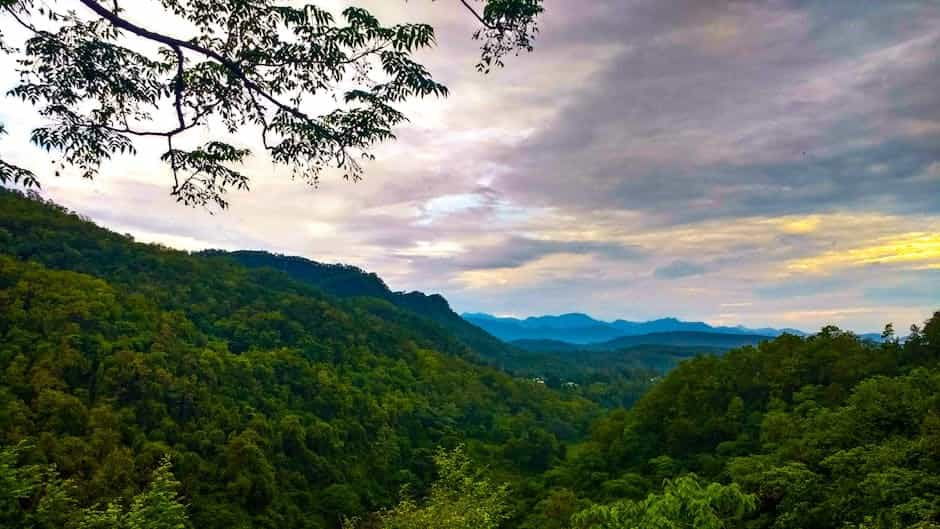
A classic Himalayan birdwatching experience located above Nainital town. Pangot and the adjacent Kilbury forest offer mixed oak-rhododendron woodlands, evergreen patches and streams that attract a rich assemblage of resident and migratory birds. Trails are short to moderate and ideal for early-morning birding, photography and short nature walks with scenic views over the Nainital valley.
Location
Pangot and Kilbury Forest, Nainital, India
Duration
Half-day (3–4 hours) to full-day (6–8 hours). Multi-day stays recommended for serious birders to cover different elevations and times of day.
Best Time to Visit
November to March for winter migrants and clear visibility; April to June for spring/summer breeders and active forest birds. Early mornings (before 9:30 AM) and late afternoons offer the best activity.
Pricing
Entry to most trails is free; Kilbury Bird Conservation Reserve may charge a nominal entry fee (approximately INR 30–200 depending on category). Local guide fees typically range from INR 300–1,200 for a half- to full-day guide (group rates lower). Transport from Nainital: INR 200–1,500 depending on vehicle and distance. Camera/photography permits may incur extra charges at specific points—confirm locally.
Activity Type
Coordinates
Highlights
Over 250–300 bird species have been recorded in the broader Nainital–Pangot area (residents + migrants).
Common and sought-after species: Rufous Sibia, White-throated Laughingthrush, Great Barbet, Himalayan Bulbul, Blue Whistling Thrush.
Rich variety of warblers, flycatchers, thrushes, laughingthrushes, barbets, woodpeckers and raptors.
Photogenic oak-rhododendron forest trails, mountain vistas over Nainital valley and misty cloud mornings.
Opportunities for both point-and-shoot and digiscoping photography; many hides and quiet trails.
Itinerary
Early-morning birding at Pangot trails and viewpoints
Start before sunrise to catch dawn chorus; focus on edges and mixed-forest patches. Wear warm layers.
Tea/snack break
Small stalls or lodge at Pangot provide hot drinks—use this time to review sightings and change positions.
Walk to Kilbury forest and low-elevation trails
Kilbury has denser forest; good for laughingthrushes, barbets and canopy species. Move quietly along trails.
Second session—streamside and lower slopes
Search for thrushes, sunbirds, and insectivores near streams; raptors may be visible over ridgelines.
Return to Pangot / lunch
Local lodges or return to Nainital for lunch. Afternoon birding possible for a full-day trip.
Safety Requirements
Wear sturdy, closed trekking shoes with good grip—trails can be steep and muddy.
Carry warm clothing—mornings and evenings can be cold, especially in winter.
Bring water and snacks; there are limited facilities on some trails.
Use a local guide if unfamiliar with terrain; follow forest department rules and signage.
Do not disturb nests, and maintain distance from wildlife; avoid loud noises and flash photography.
Mobile network may be patchy—inform someone of your route if venturing alone.
Tips
Hire a local birdguide—guides know seasonal hotspots and increase chances of sightings.
Carry good optics: binoculars (8x–10x) and a spotting scope or telephoto lens for photography.
Start before dawn and focus on different elevations—early morning is the most productive.
Pack layered clothing, rain protection, sunscreen and insect repellent.
Keep a field notebook or use a birding app (e.g., eBird) to log sightings and contribute to records.
Respect local communities and private property; ask before entering plantations or private trails.
If aiming for specialty species, plan multi-day stays and vary times and locations (Pangot, Kilbury, Bhimtal nearby).