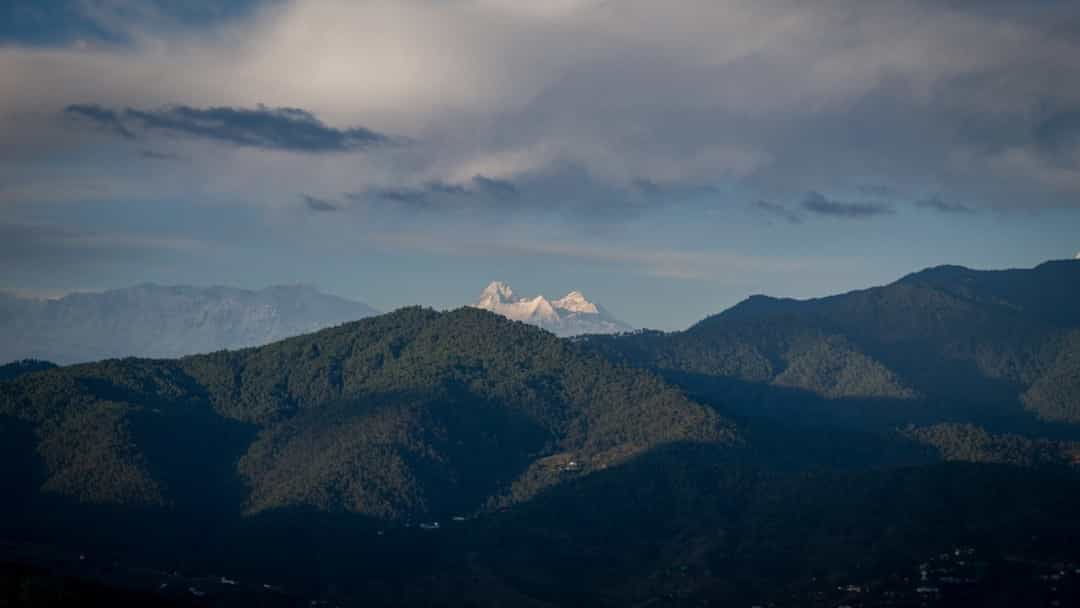
Patal Bhuvaneshwar cave temple
Patal Bhuvaneshwar is an ancient natural limestone cave temple dedicated to Lord Vishnu and Shiva, located in the Pithoragarh district of Uttarakhand. The cave is famous for its natural rock formations, narrow passages, subterranean chambers and numerous shrines and idols carved by nature that devotees identify with Hindu deities. The site blends religious significance, geology and Himalayan scenery — making it a unique pilgrimage and sightseeing destination.
Location
Patal Bhuvaneshwar Cave Temple, near Gangolihat, Pithoragarh, India
Duration
1–3 hours at the cave (including darshan and short exploration). Add travel time (1–4 hours) depending on starting point in Pithoragarh district.
Best Time to Visit
April to June and September to November (clear weather, pleasant temperatures). Monsoon (July–August) brings heavy rainfall — cave approach and foothills can be slippery. Winters (Dec–Feb) are cold and may have restricted accessibility due to snow at higher approach roads.
Pricing
Entry: Nominal fee/donation (typically INR 20–100) depending on government/management rules. Parking and guide services may be extra (parking typically INR 20–100). Special puja or photography permits, if applicable, cost extra.
Activity Type
Coordinates
Highlights
Natural limestone cave with intricate stalactite and stalagmite formations
Multiple shrines and naturally formed chambers identified with Hindu deities (Lord Shiva, Lord Vishnu, Goddess Parvati etc.)
The famed ‘Patal’ atmosphere — a cool, dim subterranean environment with narrow corridors
Mythological significance: referenced in local lore and connected with ancient Himalayan traditions
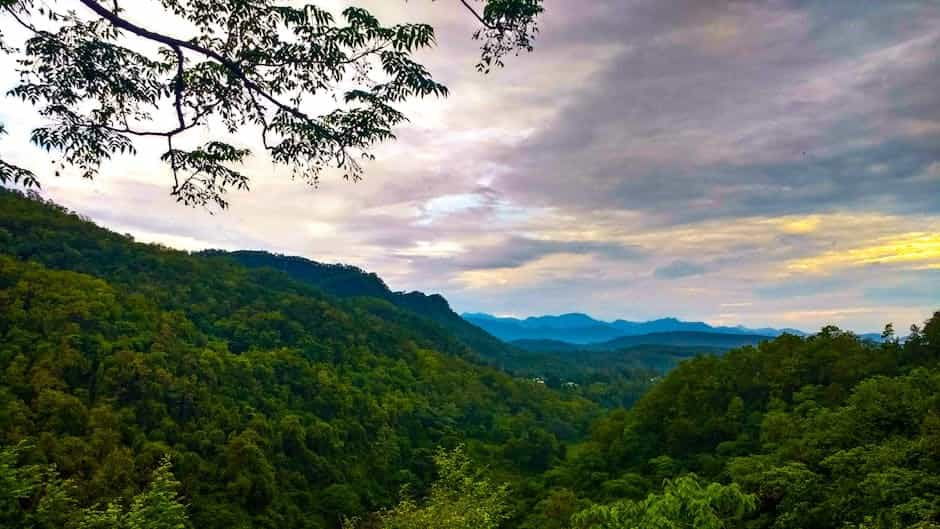
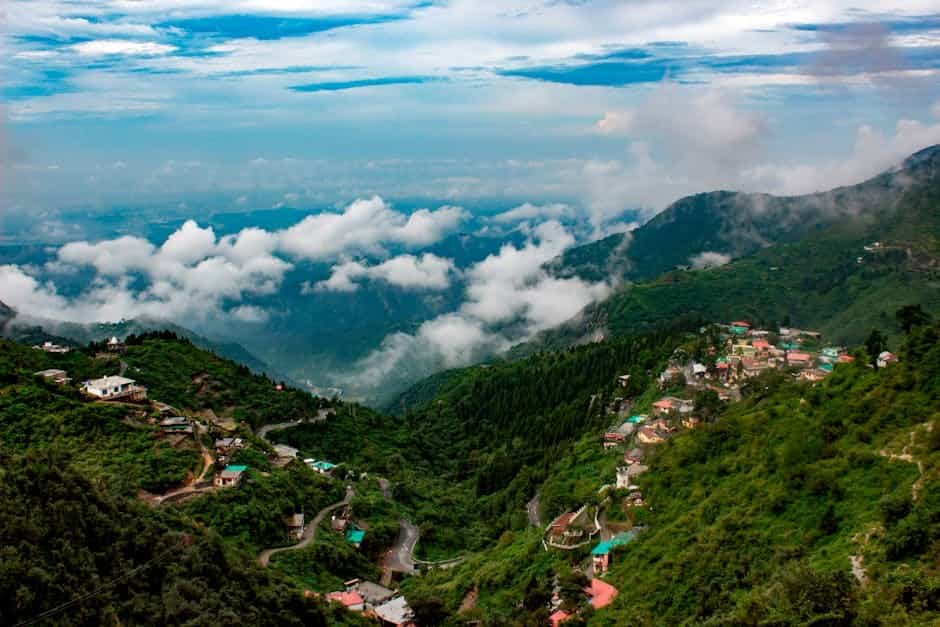
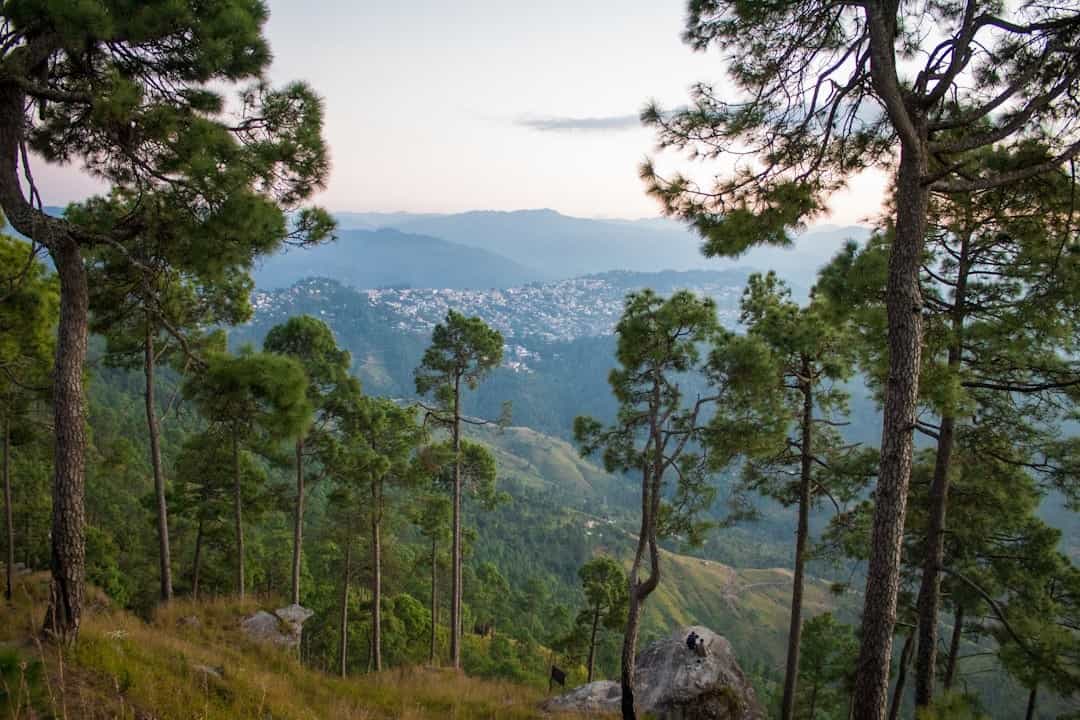
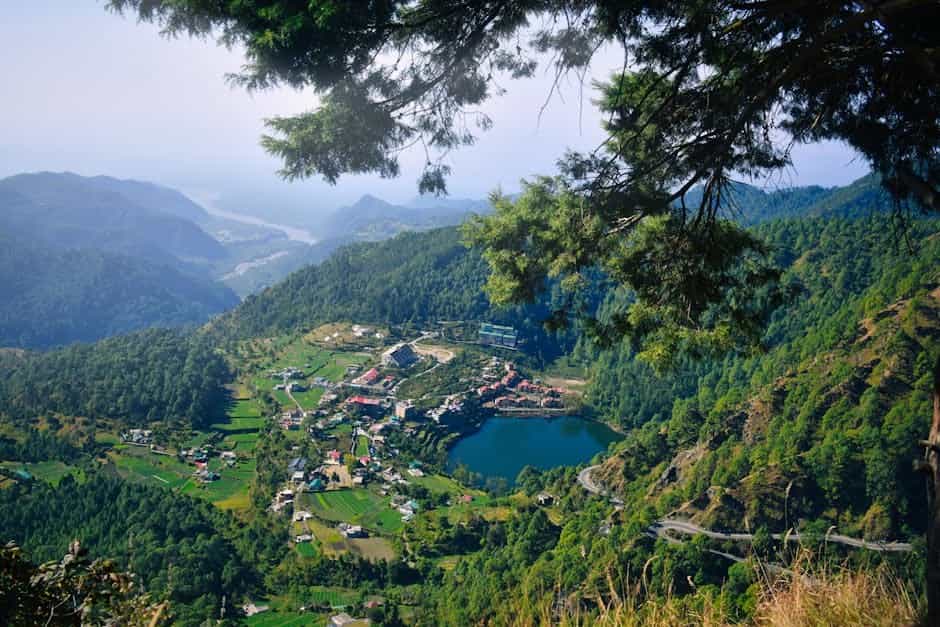
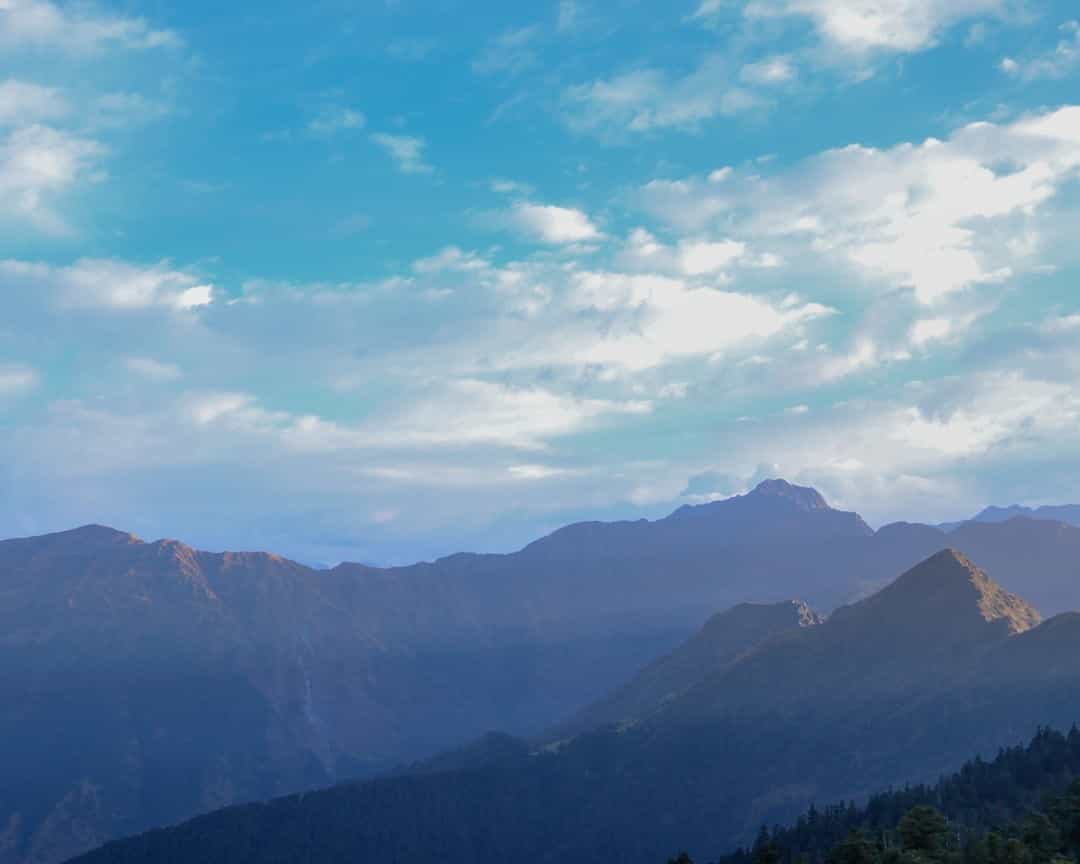
Picturesque approach and panoramic Himalayan views from nearby vantage points
Short guided cave walk revealing several named formations (e.g., Shiva Lingam, Sati Kund, Annapurna formations)
Itinerary
Reach the parking area below the temple complex and register if required.
Parking is small; arrive early in peak season. Porter services may be available for the approach if required.
Climb the stone steps and walk through a short forested approach to the cave entrance.
There are around 200+ steps (may vary). Wear good non-slip shoes and take it slow if not acclimatized.
Enter the cave complex and proceed along the designated path to perform darshan and observe natural formations.
The cave passages are narrow and dimly lit. Follow the marked route and any priest/guide instructions. Photography may be restricted in some sanctums.
Explore the chambers — the full internal walk typically takes 30–60 minutes depending on crowd and pace.
Guides are available and recommended for identifying formations and explaining myths/geology.
Exit the cave; visit nearby shops/food stalls or viewpoints.
Try local cuisine and buy small religious offerings or handicrafts. Respect temple customs when consuming food.
Safety Requirements
Wear sturdy, non-slip footwear — cave floors and steps can be wet and slippery.
Not recommended for those with severe claustrophobia, serious respiratory/heart conditions, or for late-stage pregnancy due to narrow passages and physical exertion.
Carry a small torch/phone light — while lit internally, some corners can be dim.
Keep hands to yourself and watch your head — low ceilings and protuberant rocks exist.
Follow priest/guide instructions and stay on the marked path to avoid fragile formations and to protect personal safety.
Tips
Carry water and light snacks; there are limited food options close to the cave.
Wear layered clothing — cave interior is cool even in warm months. Carry a light sweater.
Hire a local guide at the entrance to learn about the geology and mythology — they add value and context.
Respect local religious customs: remove footwear where required and refrain from loud behavior inside the temple complex.
Avoid visiting during heavy monsoon; approach trails and roads may be hazardous.
Plan for travel time from Pithoragarh (approx 1–3 hours depending on route and road conditions) or from other Himalayan towns.
If you plan to photograph religious rites or priests, ask permission first; some inner sanctums restrict photography.
Combine the visit with nearby attractions: Gangolihat, Askot Sanctuary, and scenic Himalayan viewpoints for a fuller itinerary.