Roopkund trek
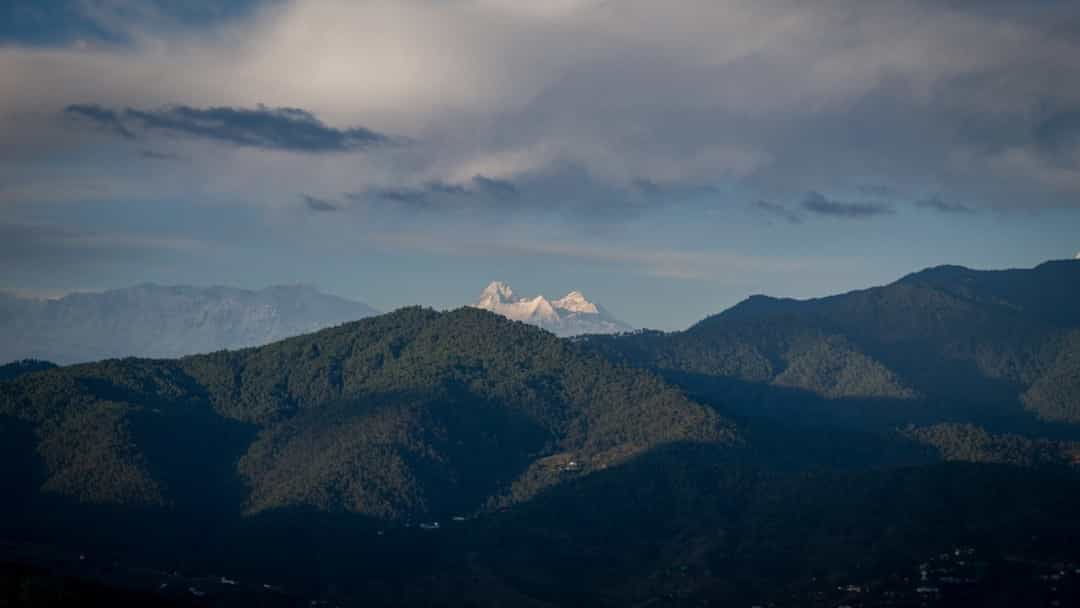
Roopkund (the mysterious 'Skeleton Lake') via the Wan → Bedni / Ali Bugyal route is a classic Uttarakhand high-altitude trek in Chamoli district. The route combines expansive alpine meadows (bugyals), panoramic Himalayan views (Trishul, Nanda Ghunti, Hathi Parvat), and a high glacial lake at ~5,029 m with a unique archaeological mystery. The trek suits moderately fit trekkers with basic high-altitude experience and offers a mix of scenic meadow camping and snowy high passes.
Location
Roopkund Lake via Wan, Bedni & Ali Bugyal, Chamoli (nearest bases: Lohajung / Wan), India
Duration
Typically 6–8 days (depending on acclimatization and itinerary chosen)
Best Time to Visit
Late May–June (pre-monsoon/snow melt) and September–mid October (post-monsoon) — these windows give the best combination of cleared trails and stable weather. Avoid heavy monsoon (July–August) and deep winter (Nov–Apr) unless well-equipped for snow travel.
Pricing
Approx. INR 8,000–18,000 per person (group/season/amenities dependent). Typical guided packages for 6–8 days include permits, guide, cook, tents, meals and porters; premium packages with better food/gear or private transport increase cost.
Activity Type
Coordinates
Highlights
Roopkund Lake (~5,029 m) — famed for human skeletal remains visible when the ice melts
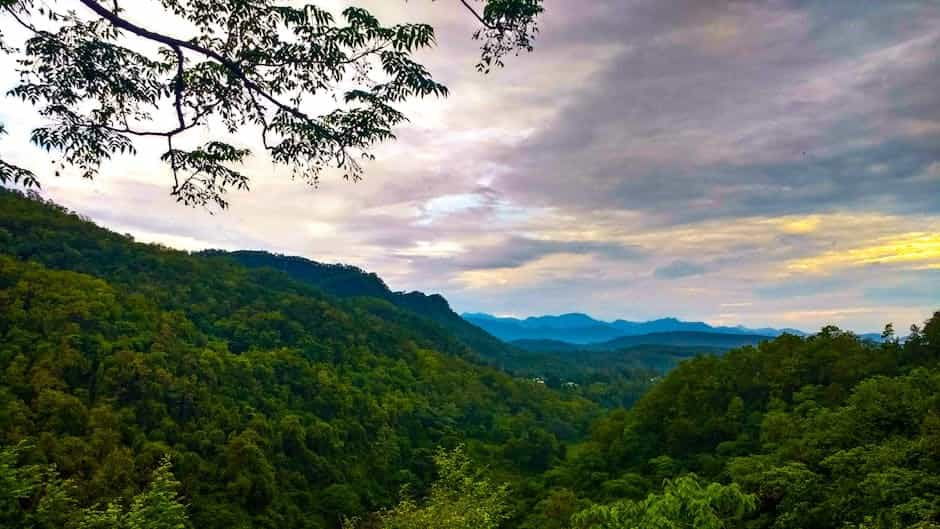
Bedni & Ali Bugyal — vast alpine meadows carpeted with seasonal flowers and ideal camping sites
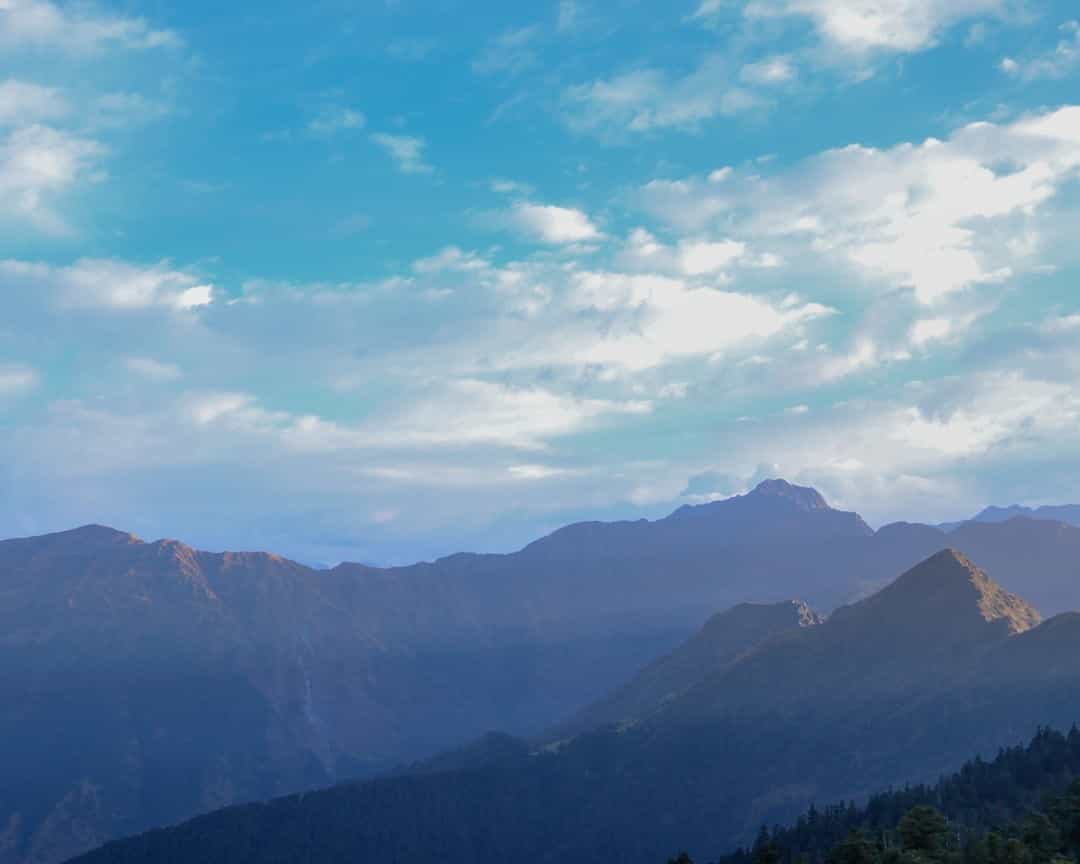
Panoramic peaks — views of Trishul, Nanda Ghunti, Hathi Parvat and other Chamoli giants
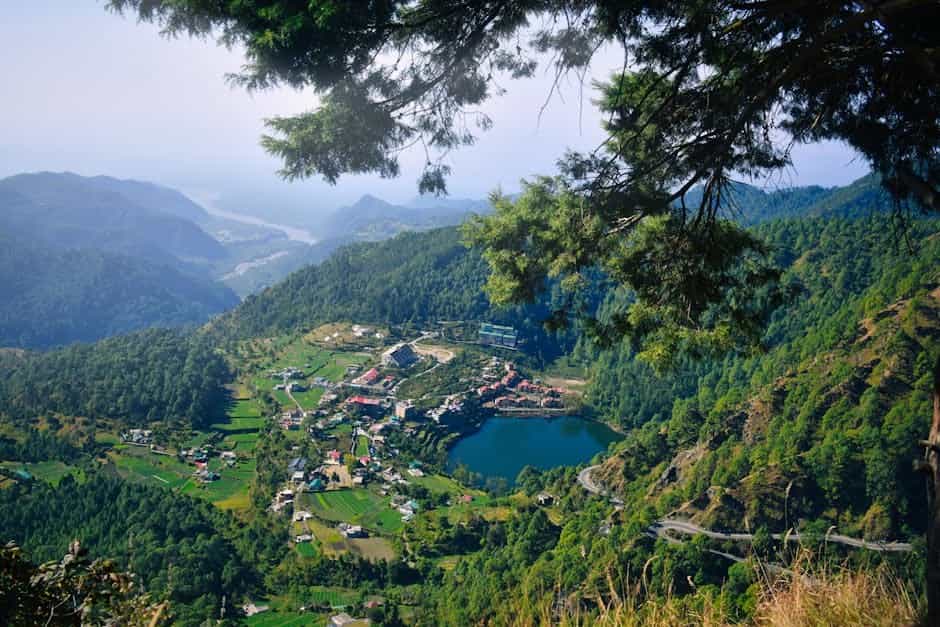
Cultural & natural contrast — remote shepherding hamlets, rhododendron forests and high-altitude landscapes
Photographic opportunities — sunrise/sunset light on snow ridges and flowered meadows
Itinerary
Drive from Kathgodam/Delhi to Lohajung (overnight halt en route if preferred).
An overnight journey (8–12 hours drive from Kathgodam). Reach Lohajung to complete permits and final gear checks. Some groups start from Wan directly.
Lohajung to Wan (trek / drive & short trek depending on route)
Short/moderate day to settle into the trek; gentle altitude gain helps acclimatization. Camp at Wan.
Wan to Bedni Bugyal (trek ~5–7 hrs)
Ascend through forest, open into spectacular Bedni Bugyal meadows. Camp on the bugyal with wide views of surrounding peaks.
Bedni Bugyal to Ali Bugyal / advance to base (trek 4–6 hrs)
Optional longer or acclimatization day. Many itineraries stay on Bedni, others move towards Ali Bugyal or Bhagwabasa for an easier day before the high climb.
Approach to Bhagwabasa / base camp for Roopkund (trek 5–7 hrs)
Cross ridgelines and moraines; camp near the final approach (Bhagwabasa) to attempt early summit to Roopkund next morning.
Early start: Bhagwabasa to Roopkund (summit) and return to Wan or Lohajung (long day)
Early morning 3–5 hr climb to Roopkund (steep scree/snow sections). Explore lake, then descend — many groups return all the way to Wan or to Lohajung over two days depending on fitness.
Return trek to Lohajung and drive back to the nearest town (Kathgodam/Rishikesh) / onward travel
Flexible buffer days for bad weather or acclimatization. Typical end of trek and road transfer.
Safety Requirements
Acclimatization schedule to reduce risk of Acute Mountain Sickness (AMS); recognize symptoms early
Trek with an experienced local guide and registered operator — forest/tribal permits often required
Carry warm layered clothing, windproof shell, insulated sleeping bag rated for sub-zero temperatures
Snow/ice gear (crampons, trekking poles, ice-axe) may be required in early or late season; know how to use them
First-aid kit, sufficient high-calorie food, water purification (tablets/filters) and emergency oxygen for groups at high altitude
Secure travel insurance that covers high-altitude rescue/evacuation (often above 4,000 m)
Avoid solo trekking; keep a conservative turnaround time if weather deteriorates
Tips
Start fitness training (cardio + leg strength) 6–8 weeks prior; include hill/walking sessions with a loaded daypack
Pack light but smart — favour layering, good trekking boots with ankle support and gaiters for snow/scree
Hydrate and eat well; carry salt/electrolyte supplements to reduce risk of AMS
Carry some cash (local villages have limited ATM/access), and photocopies of permits/ID
Book through a reputable operator who provides qualified guides, reliable food, camping kit and emergency plan
Respect local ecology and communities — follow 'Leave No Trace' principles; carry out non-biodegradable waste
Take an extra day as a buffer for weather or acclimatization — don't push the schedule if you feel unwell
If visiting specifically for photography or flora, plan for golden hours on the bugyals and check flowering season (late May–June)