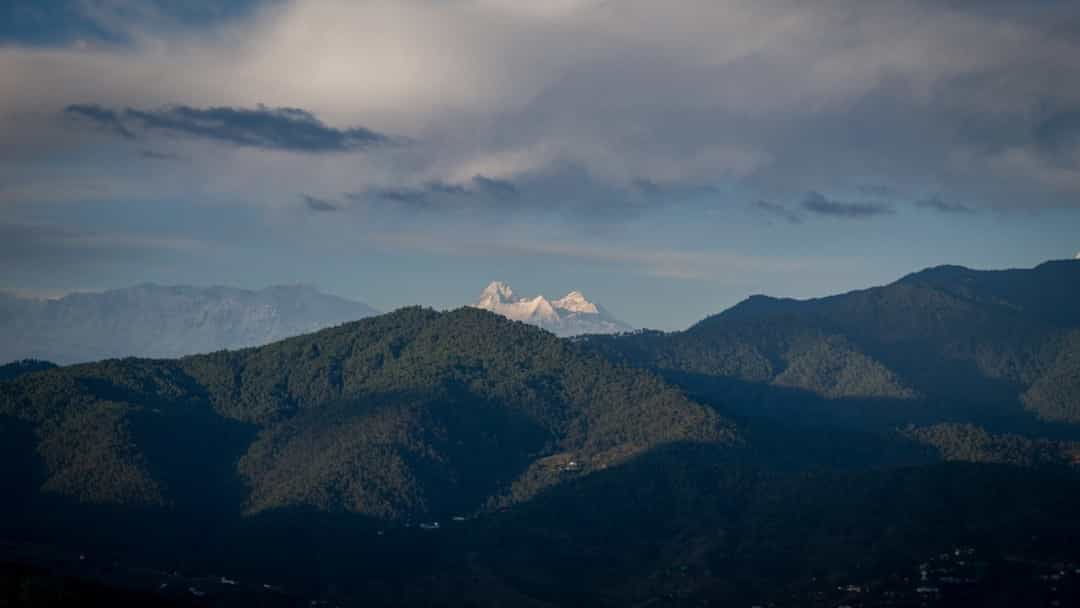
Yamunotri Temple trek and hot springs
A scenic pilgrimage trek from Janki Chatti to Yamunotri — the source shrine of the River Yamuna — combining a moderate mountain hike through rhododendron and pine forests with a visit to Surya Kund hot springs and the ancient Yamunotri Temple. The route is culturally significant (part of the Char Dham pilgrimage circuit) and offers panoramic Himalayan views, traditional mountain villages, and geothermal springs used for ritual cooking and bathing.
Location
Janki Chatti (road head) to Yamunotri Temple (Surya Kund), Uttarkashi, India
Duration
Typical 1-day roundtrip trek: 6–8 hours (Janki Chatti → Yamunotri and back) — allow 10–12 hours if you include a relaxed stay, puja, and hot-spring soak. Many pilgrims split into an overnight stay near Yamunotri.
Best Time to Visit
Mid-May to June and September to mid-October (temple open season). The temple generally opens from late April/May after winter snows and closes around Diwali (Oct/Nov). Avoid the monsoon (July–August) due to landslide risk and trail slipperiness; winters are snowy and inaccessible without technical gear.
Pricing
Typical costs (approx.): Transport Uttarkashi → Janki Chatti: ₹400–1,200 (shared taxi/jeep). Trek: free (self-guided) — pony/palanquin/porter options ₹1,500–4,500 one-way depending on distance and negotiation. Local guide: ₹800–1,800 per day. Accommodation at Janki Chatti/Yamunotri guesthouses/ashrams: ₹500–2,500 per night. Meals: ₹150–500 per meal. Temple donations/puja: optional, ₹100–1,000+. Note: prices vary seasonally and by service quality.
Activity Type
Coordinates
Highlights
Yamunotri Temple — ancient pilgrimage shrine and part of Char Dham Yatra.
Surya Kund hot springs where pilgrims cook rice and soak feet; steaming geothermal pools with striking mineral deposits.
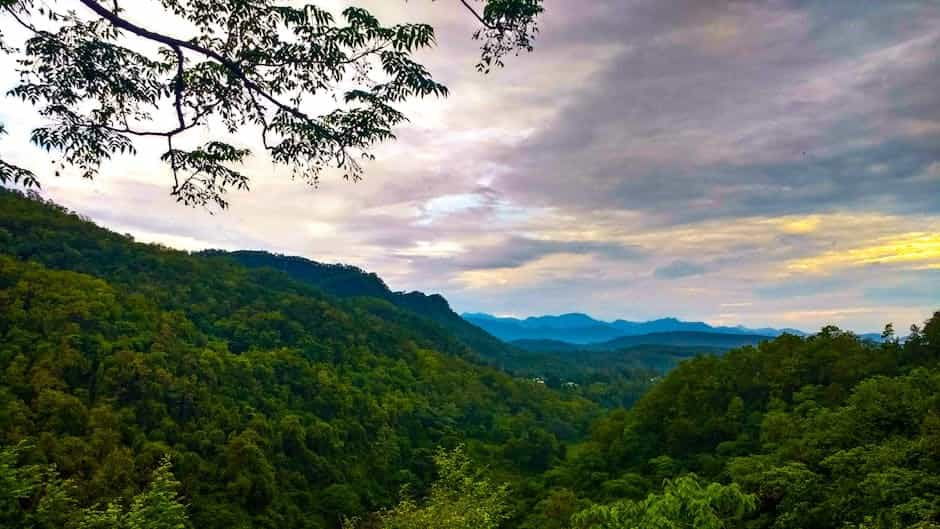
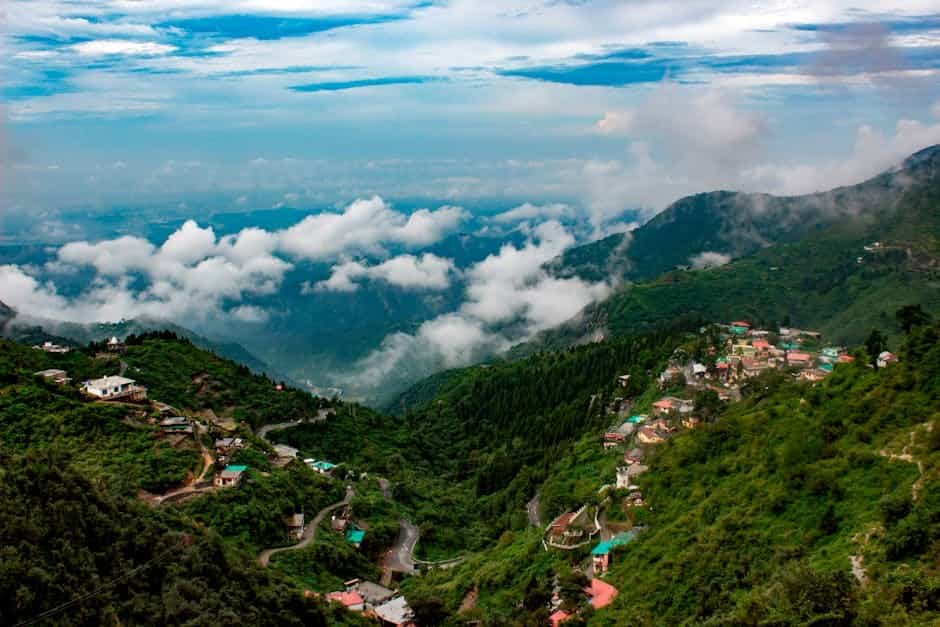
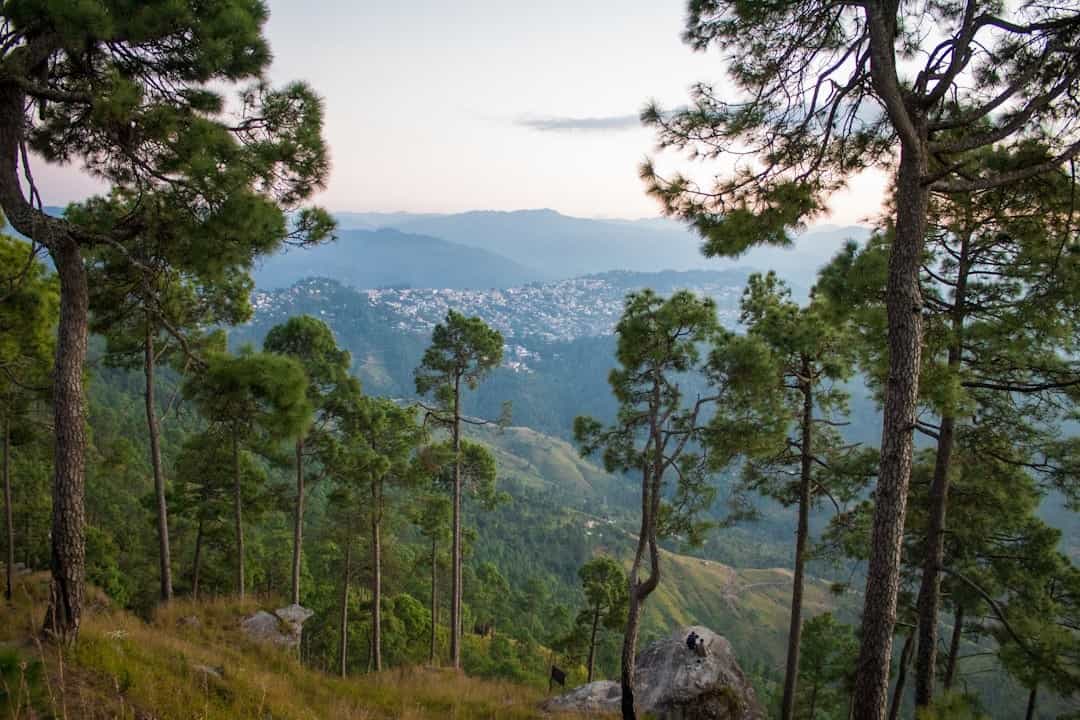
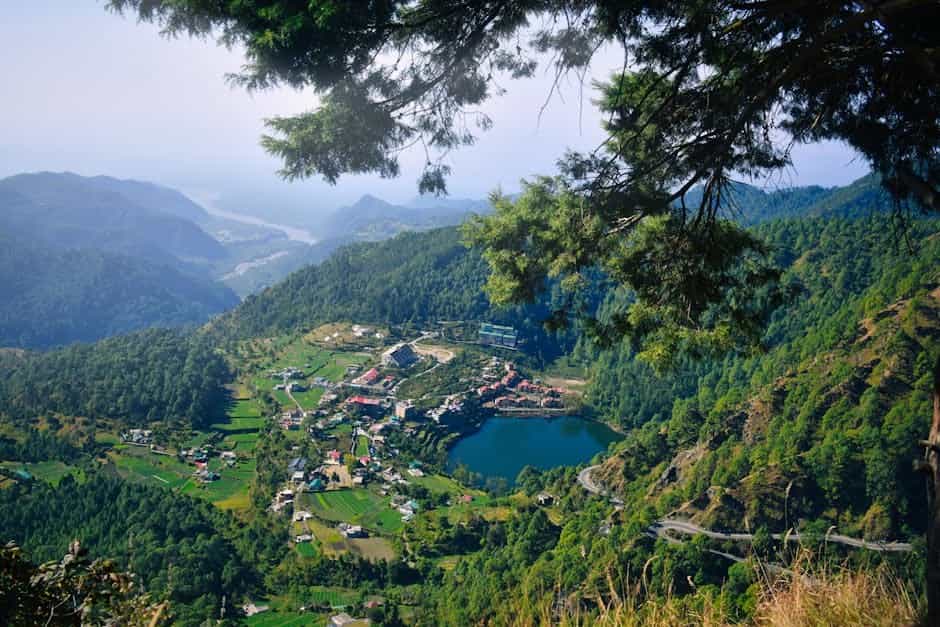
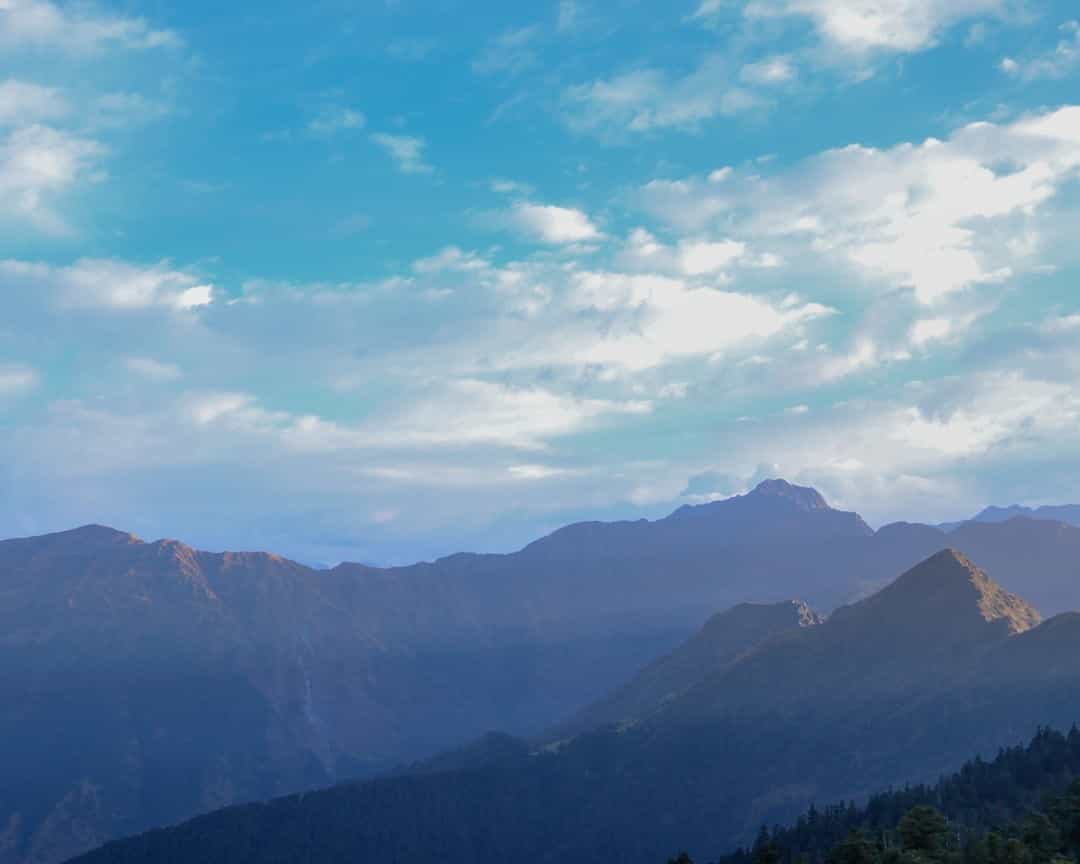
Beautiful alpine forests (rhododendron, pine) and Himalayan valley views.
Traditional mountain village atmosphere and local Kumaoni/Bhotiya culture.
Options to hire ponies or palanquins for the ascent and local guides/priests for puja.
Itinerary
Reach Janki Chatti (road head) by taxi or private vehicle; register at local counters if required; arrange porter/pony/palanquin if desired.
Last point for private motor vehicles; limited accommodation and basic shops here. Confirm return transport timings.
Start trek from Janki Chatti to Yamunotri (6–7 km, uphill with some steep sections).
Trail is well-marked but rocky in places; ponies/palanquins available. Carry water, layered clothing, and snacks.
Reach Yamunotri; perform darshan at Yamunotri Temple and visit Surya Kund hot springs.
Temple has specific timings and rituals; Surya Kund is used to cook rice/curd (prasad) — don't bathe fully unless advised, and follow local customs about offerings and footwear.
Lunch and rest; explore nearby viewpoints and markets; optional short walks around the temple area.
Facilities are basic; practice waste disposal discipline. If staying overnight, check into guesthouse/ashram.
Return trek to Janki Chatti or stay overnight near Yamunotri for early-morning puja next day.
Descending can be easier on knees but watch for uneven steps; use trekking poles if available.
Safety Requirements
Acclimatize — altitude is around 3,200–3,300 m; allow time to adjust, watch for AMS symptoms (headache, nausea, dizziness).
Wear sturdy trekking shoes with good grip; trails can be slippery after rain.
Carry warm, windproof and rainproof clothing — mountain weather changes fast.
Use licensed guides/porters where necessary and confirm pony/palanquin conditions and pricing before hiring.
Carry a basic first-aid kit, any personal medications, water purification tablets, and sun protection.
Avoid prolonged immersion in hot springs; follow local guidance — hot springs can be scalding and contain minerals.
Check local route/road conditions and weather forecasts (landslides and heavy rain possible in monsoon).
Tips
Start early to avoid afternoon clouds and to get a peaceful darshan before crowds.
Carry cash (small denominations); ATMs are not available near the trek head.
Hire a local guide for first-time visitors — they help with rituals, local history, and safe route choices.
Respect temple customs: dress modestly, remove shoes where required, and follow priest instructions for offerings.
Keep water and high-energy snacks; altitude can reduce appetite but increase calorie needs.
Negotiate pony/palanquin/porter fares beforehand and agree payment/return times.
Leave no trace — carry back all non-biodegradable waste and minimize plastic use.
If you have heart or respiratory issues, consult a doctor before attempting the trek due to altitude and physical exertion.