Badrinath Temple, Uttarakhand
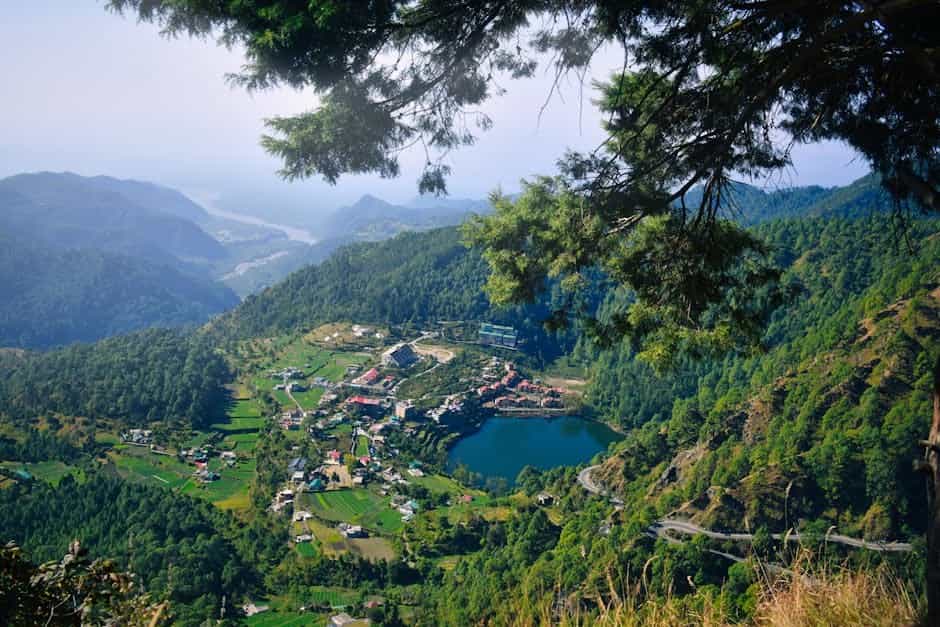
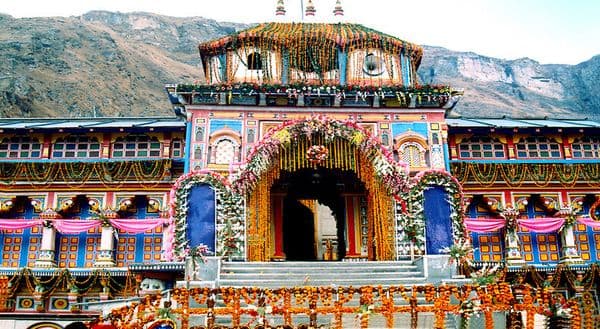
Badrinath Temple is one of the most important Hindu pilgrimage sites in India, dedicated to Lord Vishnu (Badrinarayan). It is a principal shrine in the Char Dham and Chota Char Dham pilgrimage circuits and has been a center of spiritual significance for centuries. The temple sits at an elevation of ~3,133 meters (10,279 ft) on the banks of the Alaknanda River in Uttarakhand, offering both religious importance and striking Himalayan scenery.
Last updated: 23 Oct 2025
Historic Anecdotes
According to legend, Lord Vishnu meditated in the area under a berry (badri) tree, giving the place its name. The temple's idol is believed to have been installed (or revived) by Adi Shankaracharya in the 8th century CE. Stories also link the site to the penances of the sages Nara and Narayana; local lore includes miracles associated with the hot springs (Tapt Kund) where pilgrims bathe to prepare for darshan.
Places to visit
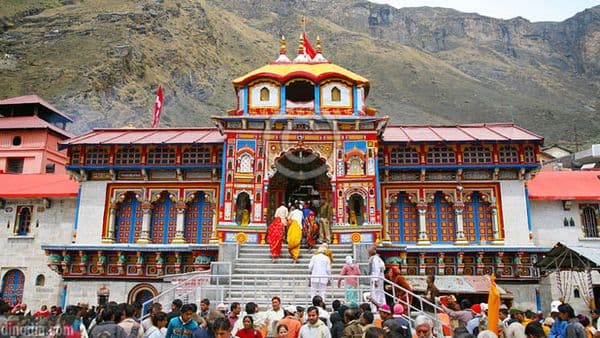
- Badrinath Temple (main shrine) with the black stone idol of Badrinarayan in meditative posture
- Tapt Kund (natural hot springs) — used by pilgrims for ritual baths
- Mana Village — the last inhabited village on the India–Tibet border
- Vasudhara Falls and nearby trekking routes
- Mata Murti Temple — associated with the legend of Badrinath’s mother
- Bheem Pul — a natural rock bridge with mythological significance
Unique Aspects
- The 3.5-foot blackstone murti of Badrinarayan showing Vishnu seated in meditation
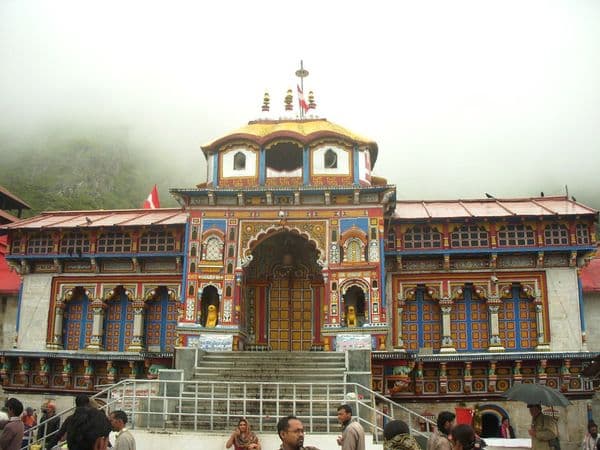
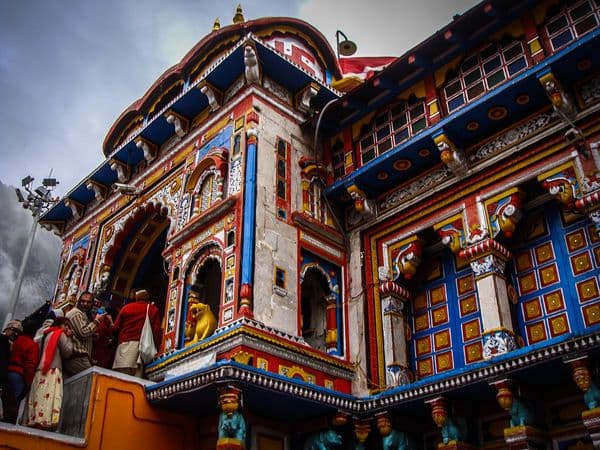
- Traditional North Indian Himalayan temple architecture with colorful facade and gold-plated roof
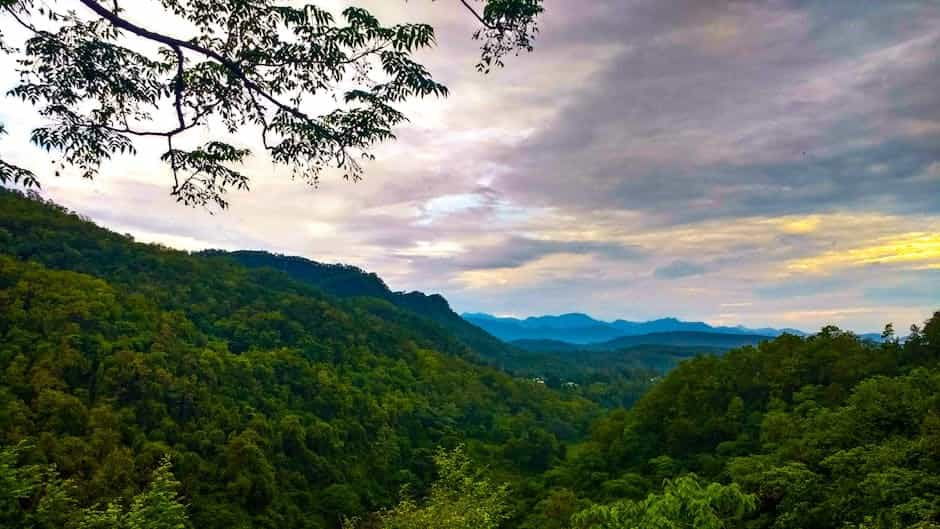
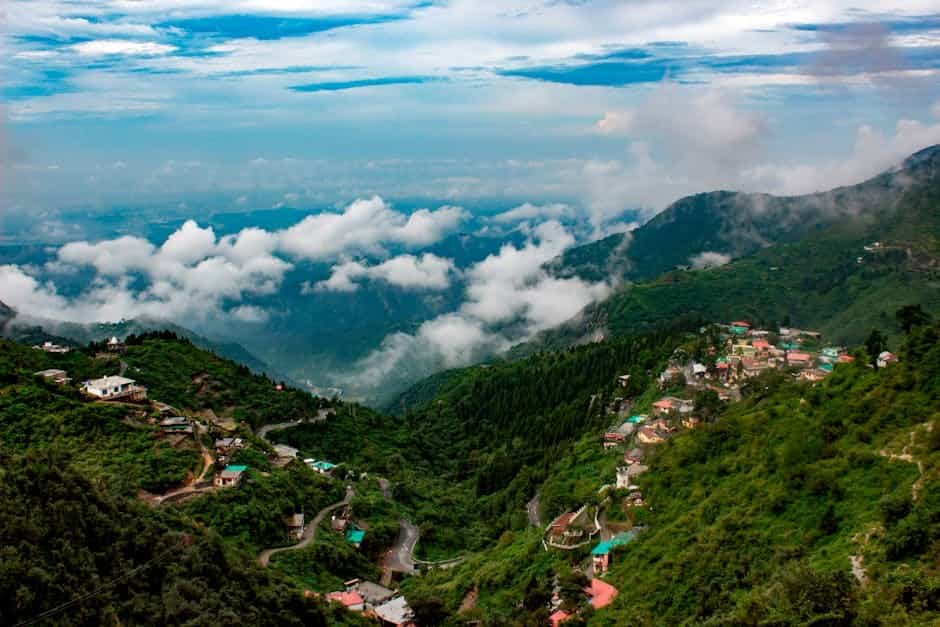
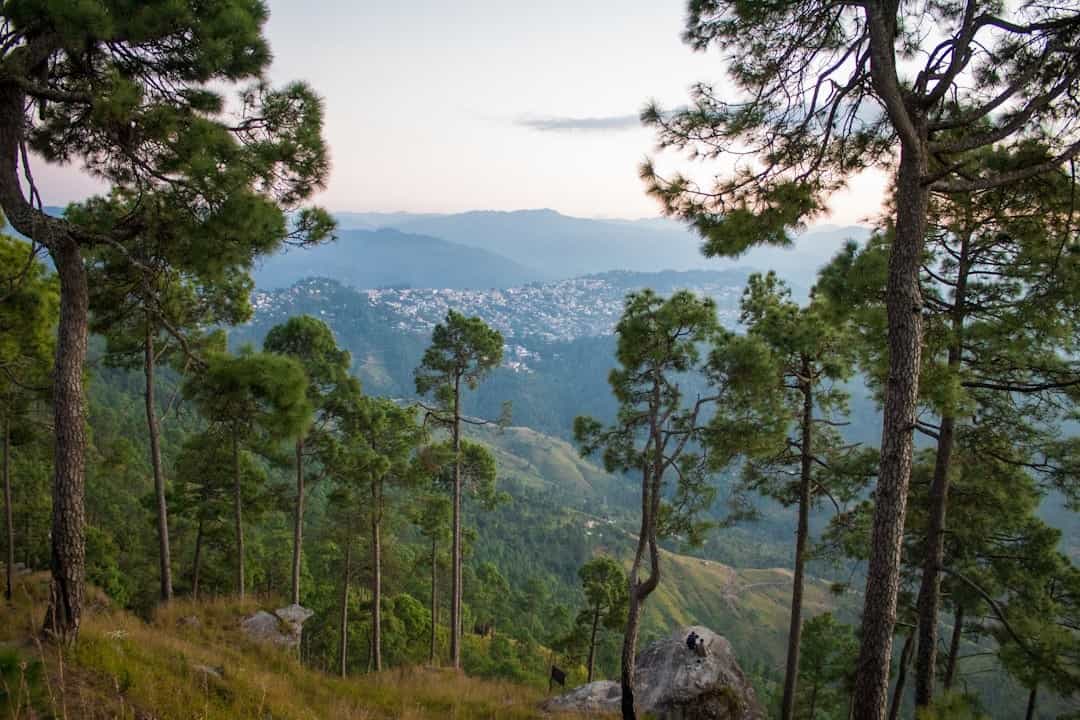
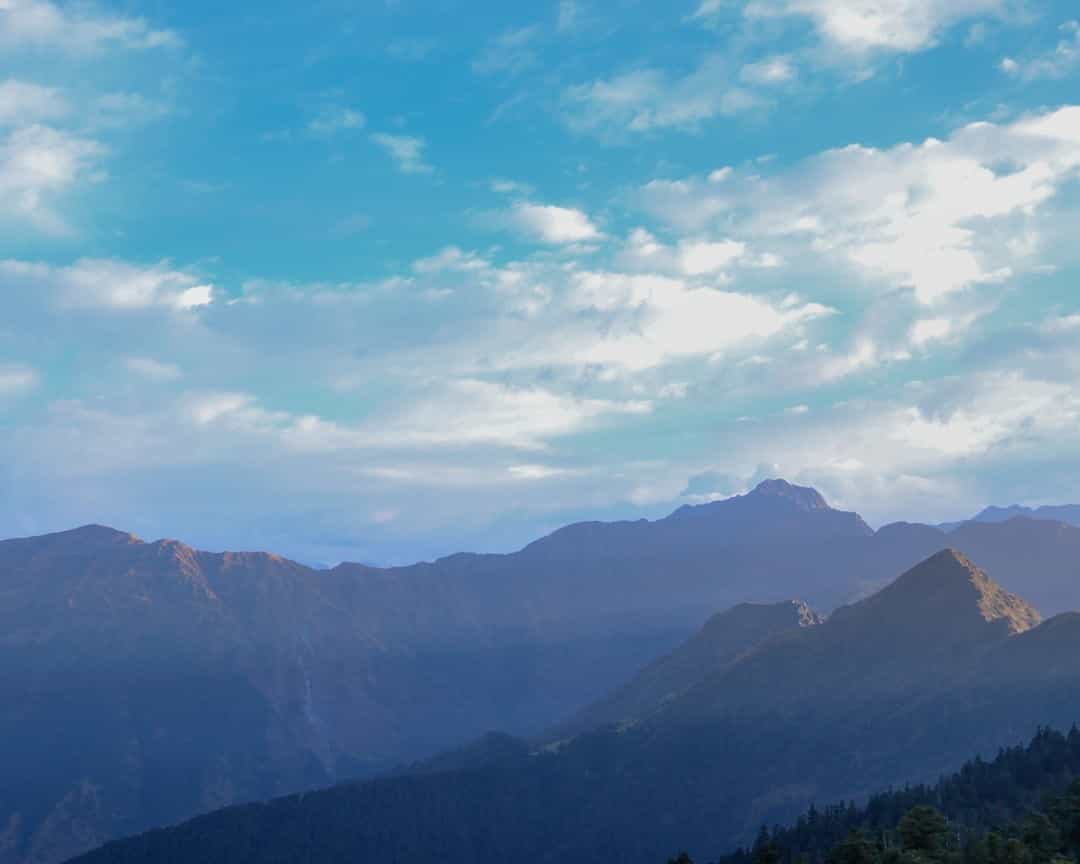
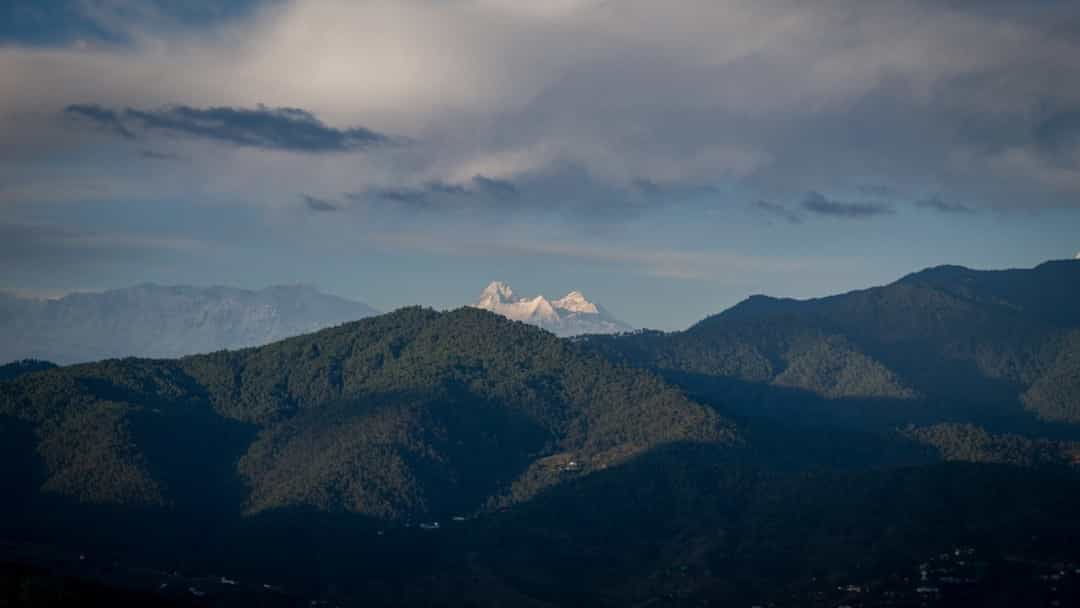
- Scenic views of snow-capped peaks and the Alaknanda River valley
- Tapt Kund — natural geothermal springs close to the temple
Things to do
- Darshan and participation in morning and evening aartis
- Ritual bath in Tapt Kund before darshan
- Walking tour of Mana Village and nearby temples
- Short treks to Vasudhara Falls, Neelkanth and other local trails
- Photography of Himalayan scenery and temple precinct (respecting rules)
- Shopping for local woolens, handicrafts and religious items
Festivals & Events
- Opening ceremony (Pran Pratishtha) — temple reopens in spring (around April/May) with rituals
- Closing ceremony around Diwali when the temple is traditionally shut for winter
- Major Hindu observances such as Janmashtami, Rama Navami, Kartik Purnima and Vaikuntha Ekadashi — special aartis and gatherings
- Local melas and cultural events (dates vary by year)
Best Time to Visit
May to October (temple is open in this period; closed in winter due to heavy snow). Peak months: June–September for relatively stable mountain weather and pilgrim season.
Weather Conditions
High-altitude Himalayan climate: cool to cold even in summer, chilly nights, possible rain/monsoon (June–September), heavy snowfall and road closures in winter. Day temperatures in summer can be mild (10–20°C) while nights can drop near freezing.
Entry Fees & Permits
There is no fixed entry fee for darshan; donations are accepted. During the open season the temple generally follows morning and evening darshan/aarti schedules (typical pattern: early morning darshan/aarti, a midday closure, and evening aarti), but exact timings change seasonally — check official temple notices before travel.
Accessibility
Badrinath is accessible by road from Rishikesh/Haridwar via NH7; roads are mountainous and can be affected by landslides. Nearest airport: Jolly Grant Airport (Dehradun) — roughly ~300 km by road (travel time 8–12+ hours depending on conditions). Nearest major rail: Haridwar or Rishikesh (approximate road distance similar). Helicopter services and small airstrips operate seasonally (year-to-year availability varies). Local buses, taxis and private vehicles are the usual options; allow extra time for mountain travel and check road/bridge status.
Recommended Duration
1–2 days in Badrinath to complete darshan, visit Tapt Kund and Mana Village; allow additional days if you plan treks (Vasudhara Falls requires extra day or overnight depending on pace).
Clothing & Gear Tips
Pack warm layered clothing, a waterproof outer layer (monsoon), sturdy trekking shoes, hat, gloves, sunglasses, sunscreen, and basic first-aid/altitude medication. Carry identification and any required health documents. Remove footwear before entering temple premises and carry socks or a cloth bag for shoes if needed.
Local Food & Souvenirs
Try local Kumaoni dishes and simple mountain fare at guesthouses and local eateries. Popular souvenirs include handmade woolens, shawls, caps, Rudraksha beads, local jams/preserves (apricot/fruit products) and religious items. Respect local customs and support certified local vendors.