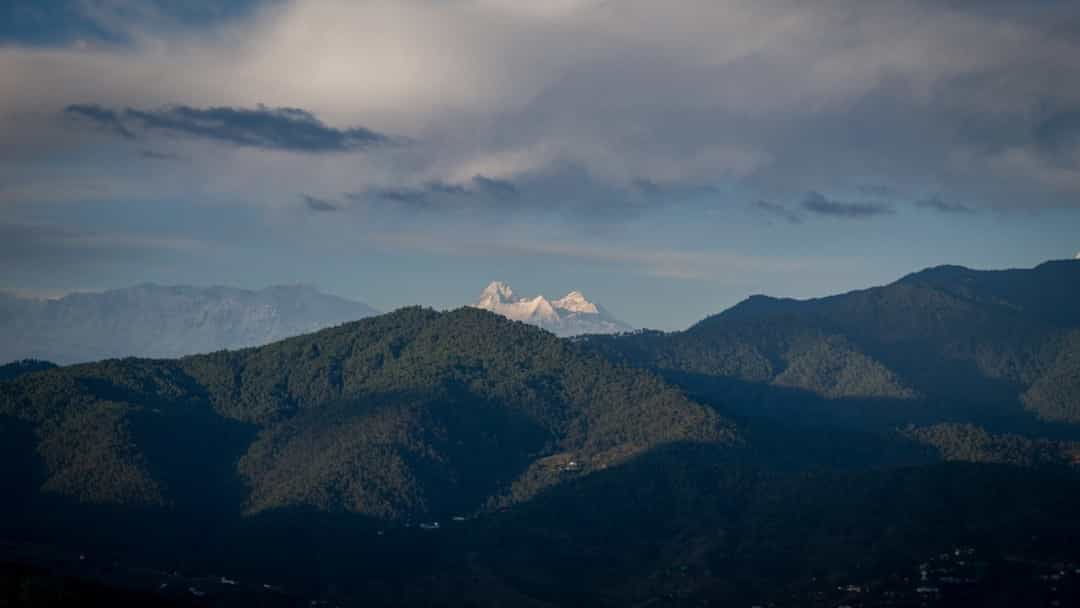
Baijnath Temple Complex, Uttarakhand
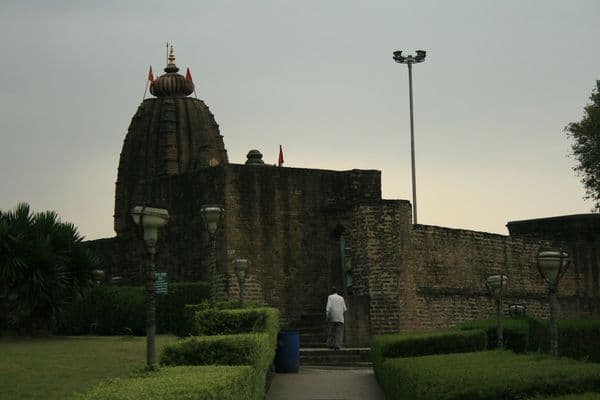
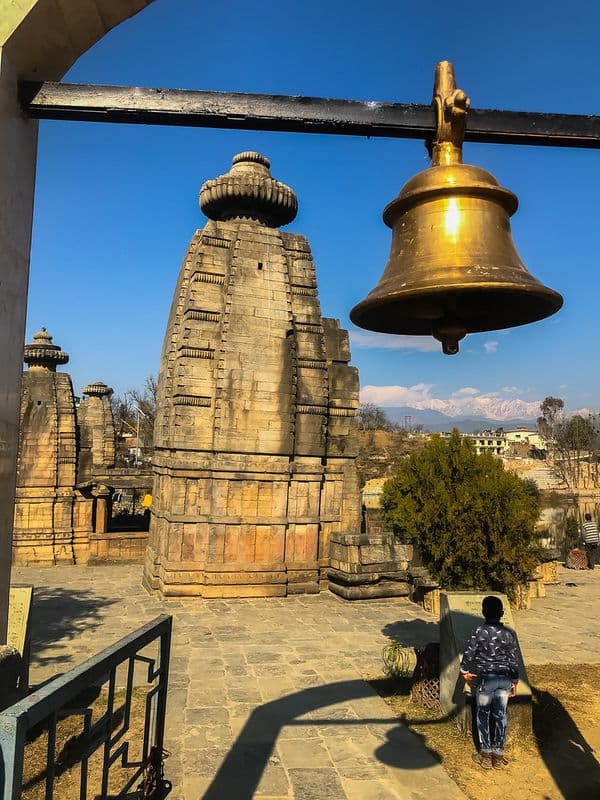
Baijnath Temple Complex (Baijnath, Uttarakhand) is an important medieval temple group in the Kumaon region, traditionally dated to the 11th–12th century and attributed to the Katyuri rulers. The complex is significant for its antiquity, its role as a long-standing Shaiva center (worship of Shiva as Vaidyanath/Baijnath) and for representing Kumaoni temple architecture with carved stone sculptures. It sits on the banks of the Gomti River, adding scenic and religious importance to the site.
Last updated: 23 Oct 2025
Historic Anecdotes
Local legend: the main deity is worshipped as Vaidyanath (the 'God of physicians'), and the temple is associated with local Katyuri-era lore. Folklore credits the temple with healing powers and links to regional tales about the Katyuri dynasty and the spread of Shaivism in Kumaon. Pilgrims often recount miracles and vows fulfilled at the shrine.
Places to visit
- Main Shiva Temple (Baijnath/Vaidyanath) — the principal shrine with a Shiva lingam and traditional iconography
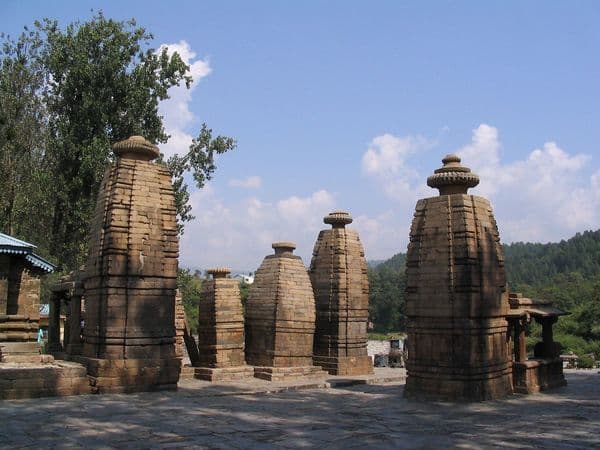
- Cluster of small shrines — several subsidiary temples and mandapas showing medieval stone carving
- Riverfront setting — the complex is set on the banks of the Gomti River, offering scenic views and a peaceful atmosphere
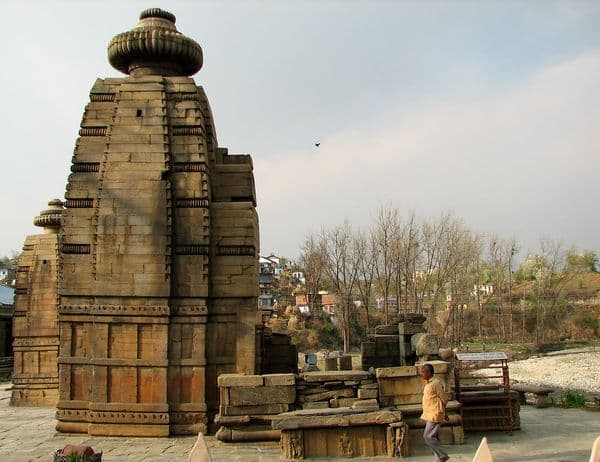
- Sculptural details — ornate doorways, pillars and carved motifs characteristic of Kumaoni/Katyuri stone work
Unique Aspects
- Nagara-style temple architecture adapted to the Himalayan context
- Stone carvings that include deities, floral motifs and scenes from Hindu iconography
- An active pilgrimage site that retains traditional rituals and worship practices
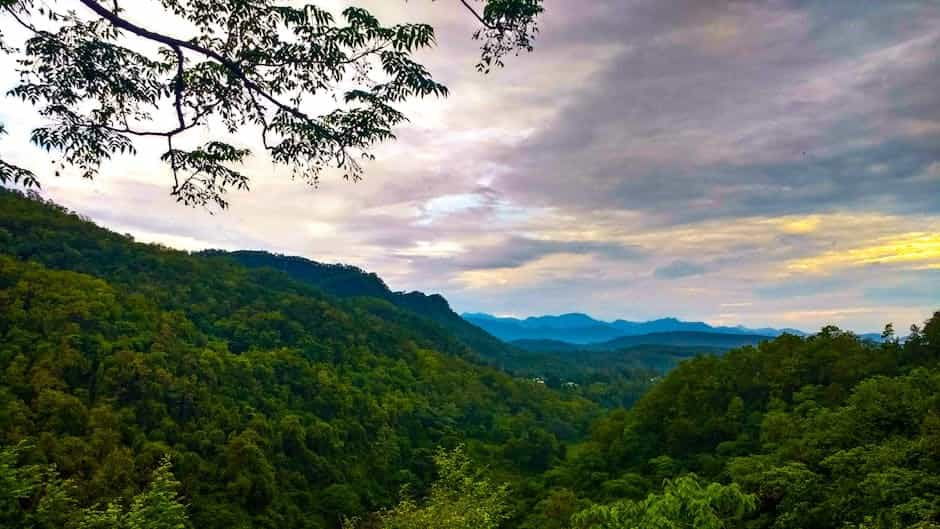
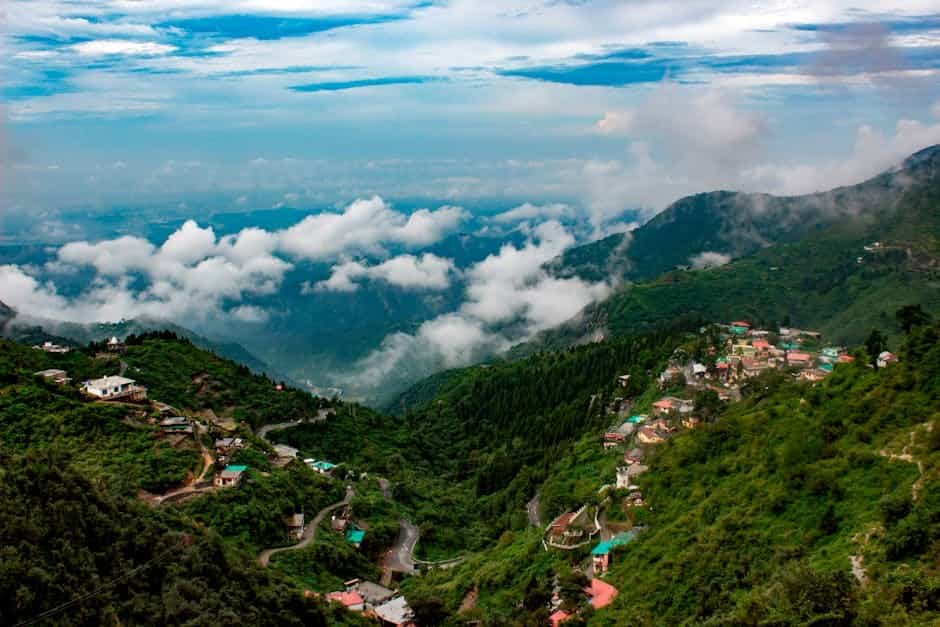
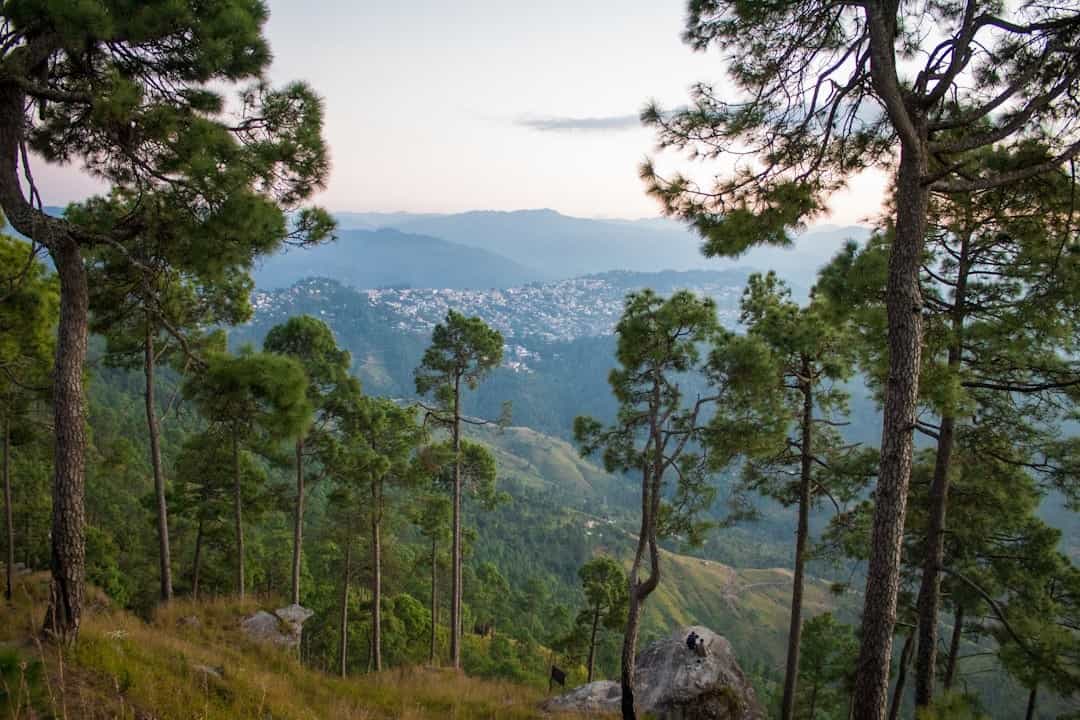
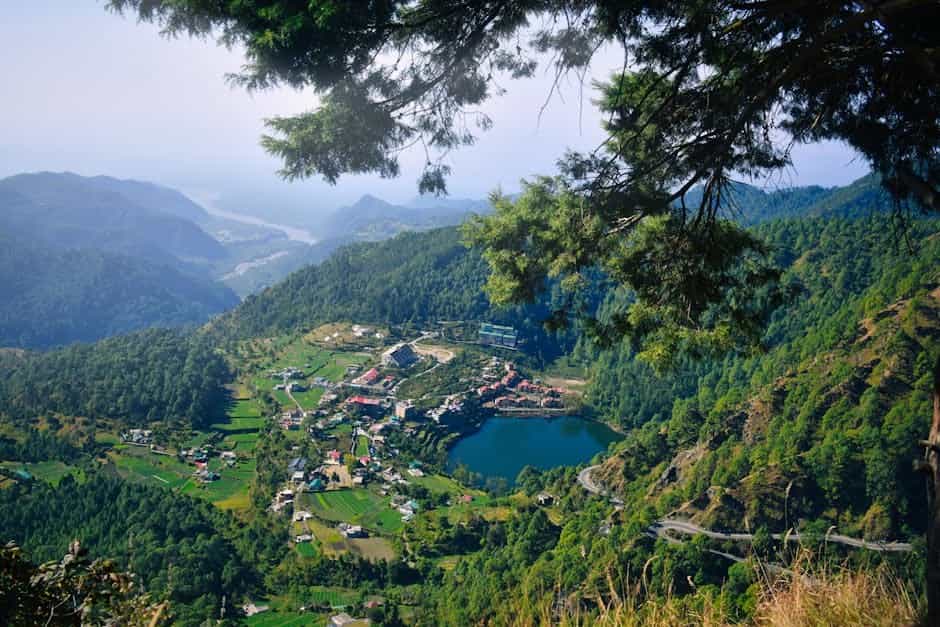
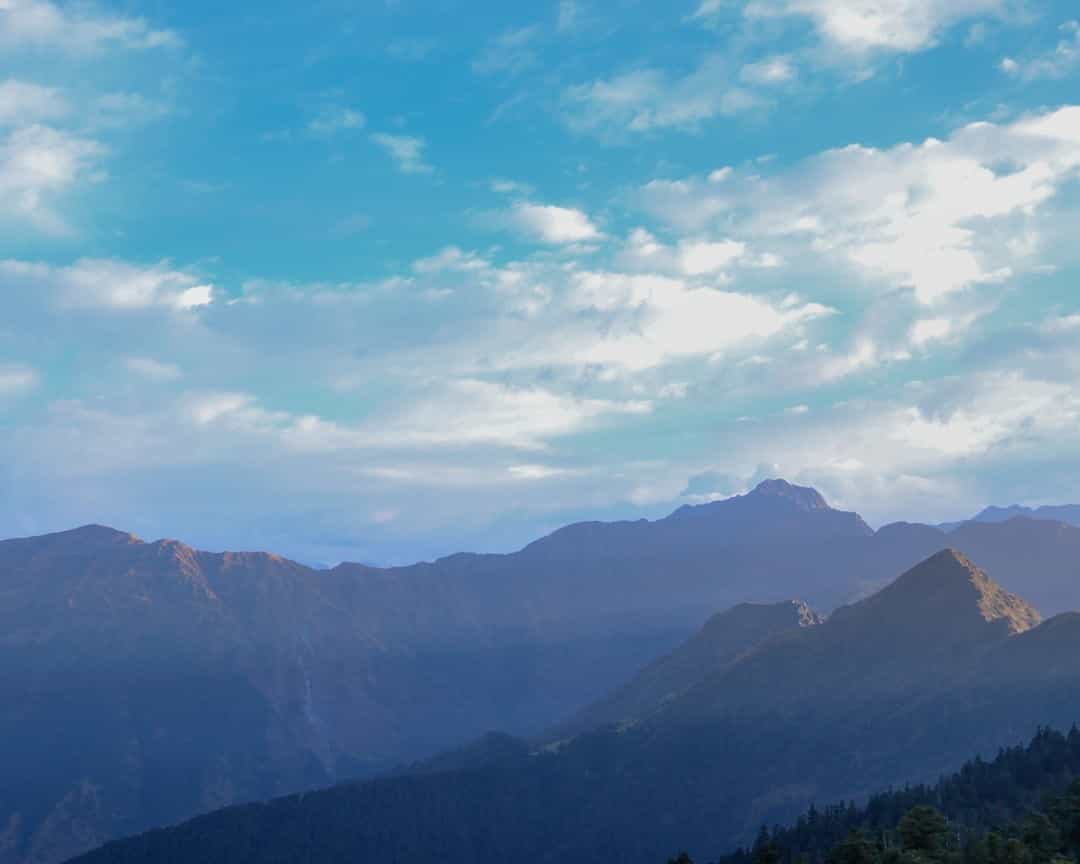
- Panoramic views of the surrounding hills and the Gomti valley
Things to do
- Temple darshan and participation in daily aarti rituals
- Photography of historic stone carvings and river views (respecting worshippers)
- Short walks along the Gomti riverfront and exploring nearby village lanes
- Combining the visit with nearby attractions such as Kausani, Bageshwar and Almora for a broader Kumaon itinerary
- Meeting local priests and learning about temple rituals and myths
Festivals & Events
- Maha Shivratri — major festival with special pujas and larger numbers of pilgrims
- Local fairs and religious observances tied to the Hindu calendar (Navratri and other auspicious days)
- Occasional cultural events during tourist season arranged by local committees
Best Time to Visit
Spring to autumn (March–June and September–November) for pleasant weather and clear views. Monsoon (July–August) can be wet and may limit riverbank walking; winter (December–February) is cold and may bring fog/snow in higher areas.
Weather Conditions
Variable mountain climate: warm and pleasant in summer days, cool nights; monsoon brings heavy rain; winters are cold with sub-zero temperatures at times.
Entry Fees & Permits
There is generally no entry fee for the temple complex. Typical visiting hours are early morning to evening (many temples open around 5–6 AM and close after evening aarti), but exact timings can vary—check locally.
Accessibility
Accessible by road. Nearest major towns: Bageshwar (local hub), Kausani and Almora are within driving distance for onward travel. Nearest airports: Pantnagar (major regional airport) and Uttarakhand regional airports; nearest broad-gauge railhead is Kathgodam. The site has steps and uneven stone surfaces—limited access for wheelchair users; comfortable walking shoes recommended.
Recommended Duration
Allow 2–4 hours for visiting the complex, darshan, short riverside walk and local exploration; combine with a day trip to nearby attractions or an overnight stay in Kausani/Almora for a relaxed visit.
Clothing & Gear Tips
Modest clothing suitable for a religious site; warm layers even in summer evenings; rain protection during monsoon; sturdy walking shoes for uneven stone paths.
Local Food & Souvenirs
Try Kumaoni dishes at nearby eateries (local preparations like bal mithai, kafuli, aloo ke gutke). Souvenirs: local handicrafts, woollen shawls, handlooms and religious items from the temple bazaar.