Beatles Ashram (Chaurasi Kutiya), Uttarakhand
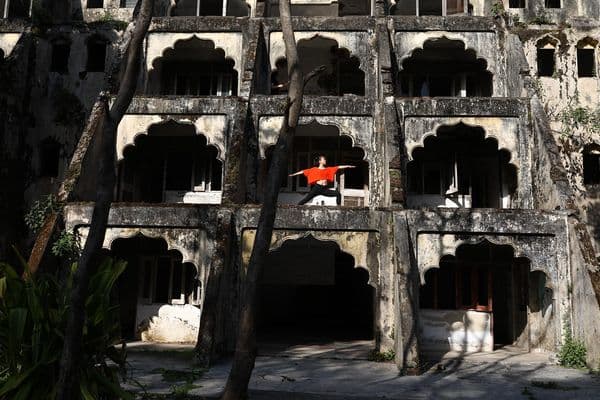
The Beatles Ashram (Chaurasi Kutiya) in Rishikesh is historically significant as the meditation retreat where The Beatles (John Lennon, Paul McCartney, George Harrison, and Ringo Starr) visited in 1968 to study Transcendental Meditation under Maharishi Mahesh Yogi. Their stay helped popularize Indian spirituality, yoga and meditation across the West, influencing global culture and music. The site is also culturally important as part of Rishikesh's long-standing reputation as a center for yoga and spiritual learning, and it lies within the forested area adjoining Rajaji National Park, giving it natural significance for local flora and fauna.
Last updated: 23 Oct 2025
Places to visit
- Meditation huts (Chaurasi Kutiya) where the Beatles and other visitors practiced meditation
- Main meditation hall and Shiva temple ruins with inscriptions and carvings
- Beatles graffiti & murals—colorful street-art left by visitors and artists
- Scenic Ganges riverbank nearby — peaceful spots for reflection and photos
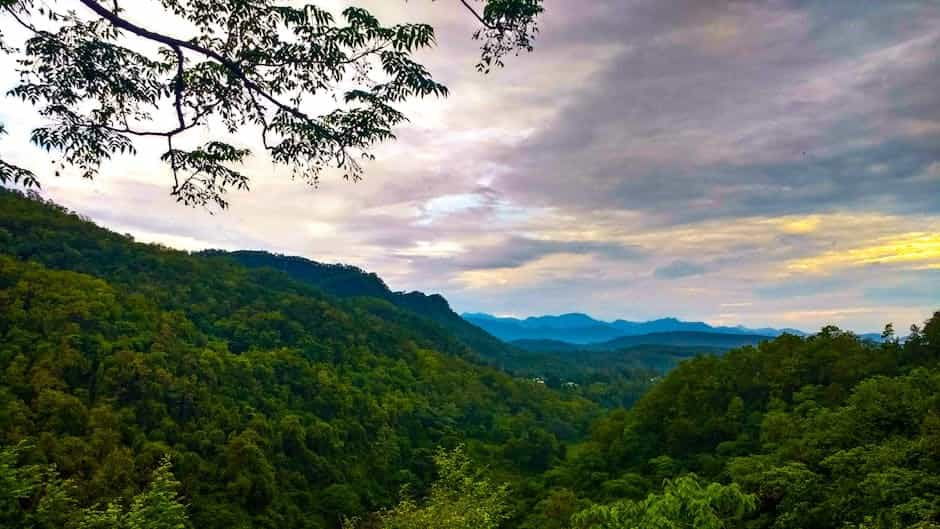
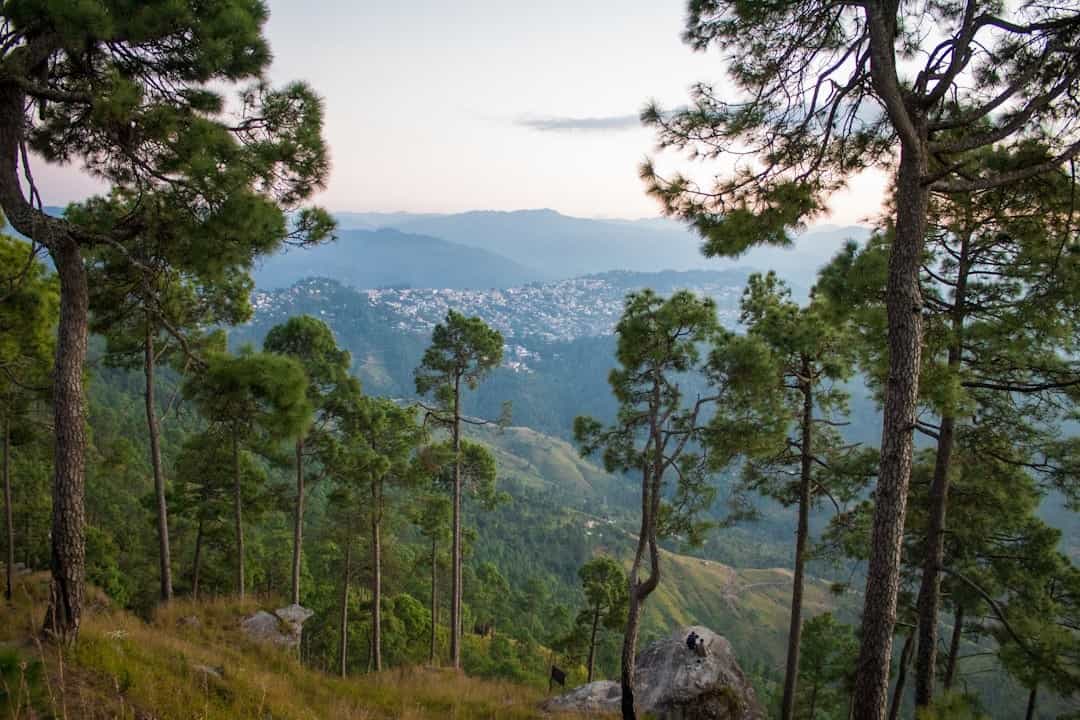
- Nature trails and forested setting offering birdwatching and quiet walks
- Visitor information boards and heritage plaques explaining the site's history
Unique Aspects
- The concept of 84 huts (chaurasi kutiya) reflecting traditional ashram layout
- Stone platforms and simple cell-like rooms used for solitary meditation
- A mix of historic ruins and contemporary street-art creating a unique visual contrast
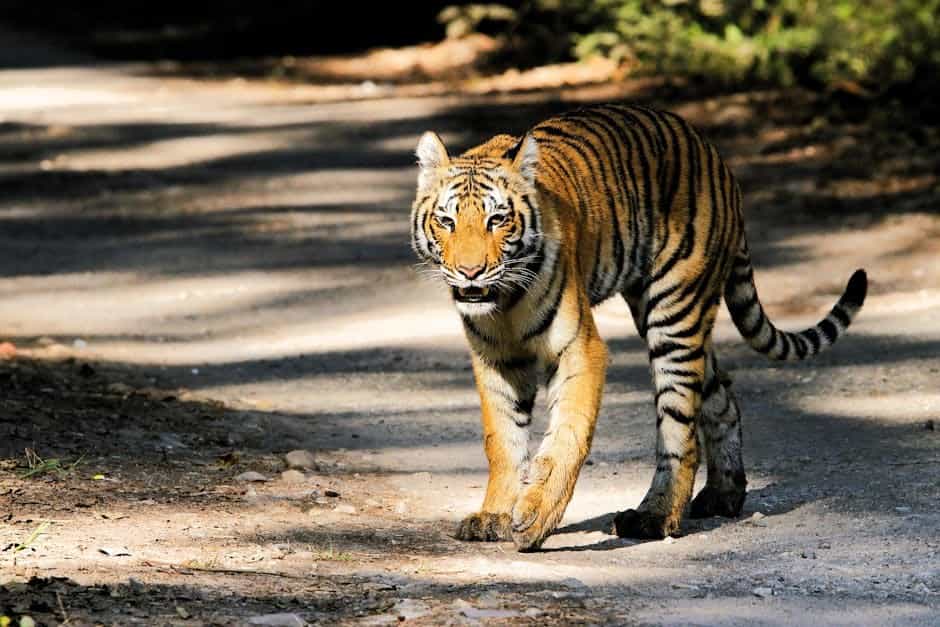
- Setting adjacent to Rajaji National Park — possibility of sighting local wildlife and rich birdlife
- Natural acoustics and tranquil river sounds that contribute to the meditative atmosphere
Things to do
- Exploring the meditation cells and ruins while reading plaques about the site's history
- Photography of murals, river views, and evocative ruins
- Guided heritage walks and storytelling tours (where available)
- Short nature walks and birdwatching in the surrounding forest
- Combining the visit with yoga or meditation classes in nearby Rishikesh
- Attending the daily Ganga Aarti at nearby ghats in the evening
Best Time to Visit
October to March — cool, dry and pleasant; avoid heavy monsoon (June–September) for safety and access issues.
Weather Conditions
Subtropical hill climate: cool winters (can be chilly in mornings/evenings), warm summers, and heavy monsoon rains that can make trails muddy and sections temporarily inaccessible.
Entry Fees & Permits
There is typically a nominal entry fee charged by local authorities for conservation and maintenance. Timings are generally daylight hours (e.g., ~9:00 AM–5:30/6:00 PM) — check the latest local information before visiting.
Accessibility
Located near Rishikesh on the banks of the Ganges, the site is accessible from Rishikesh town by taxi/auto-rickshaw. Nearest major transport hubs: Jolly Grant Airport (Dehradun) ~35 km, Haridwar Railway Station ~25 km, and Rishikesh railway station for regional trains. Expect a short walk from the nearest parking/road to the heart of the ashram; some pathways are uneven and may be narrow through forested areas.
Recommended Duration
2–4 hours to explore the ruins, enjoy the riverside and take photos; combine with a half-day or full-day Rishikesh itinerary if you plan to attend yoga classes or the Ganga Aarti.
Clothing & Gear Tips
Comfortable walking shoes, modest clothing (covered shoulders/knees) out of respect for the spiritual setting, sun protection (hat/sunscreen), light layers for cool mornings/evenings, and a compact rain jacket during monsoon. Bring insect repellent for forested paths.
Local Food & Souvenirs
Explore cafes and eateries around Laxman Jhula and Tapovan for local and international vegetarian fare; try Kumaoni dishes and fresh local juices. Souvenirs: Beatles-themed memorabilia, spiritual books, yoga gear, and local handicrafts.