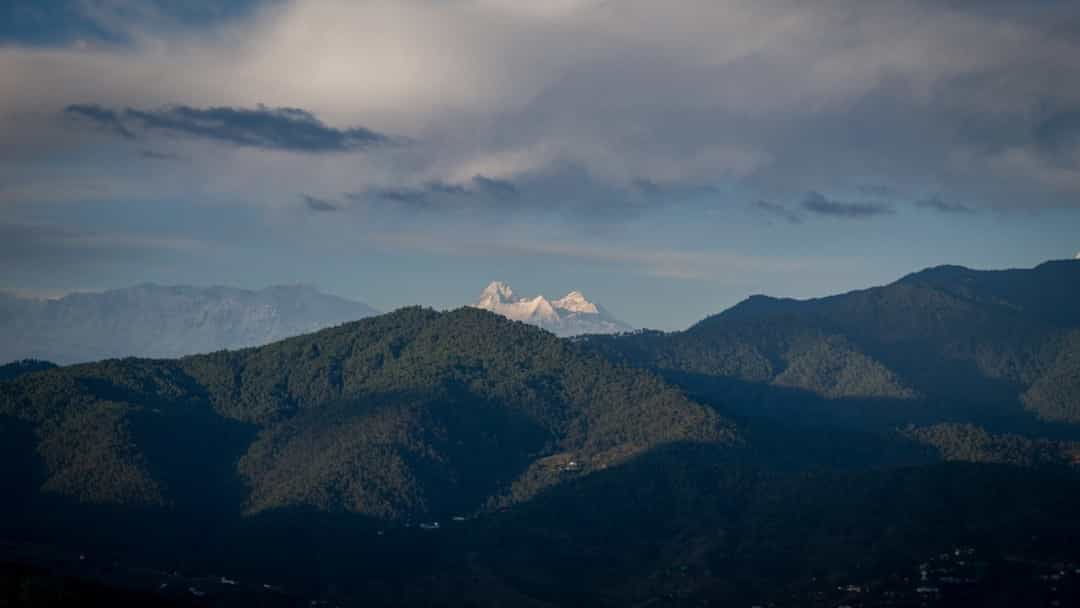
Gangotri Glacier, Uttarakhand
Gangotri Glacier is one of the primary sources of the River Ganges (Bhagirathi River) and holds immense natural, cultural and religious significance. It sits in the Uttarkashi district of Uttarakhand in the Garhwal Himalaya. Natural importance includes being a major Himalayan glacier feeding perennial rivers that sustain large populations downstream and supporting alpine ecosystems. Cultural and religious importance stems from the glacier being the origin of the sacred Ganga; Gangotri town and the Gangotri Temple are key pilgrimage sites in Hindu tradition.
Last updated: 23 Oct 2025
Places to visit
- Gangotri Temple (ancient pilgrimage shrine dedicated to Goddess Ganga)
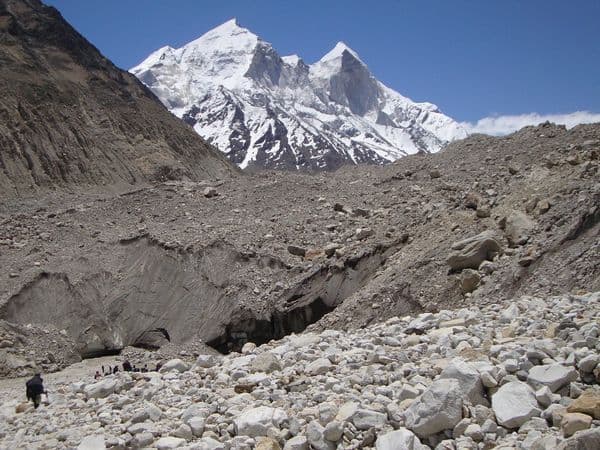
- Gaumukh (Gomukh) — the snout of the Gangotri Glacier, considered the traditional source of the Ganges
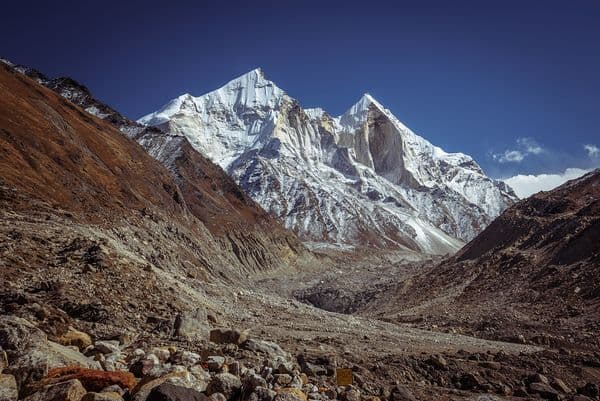
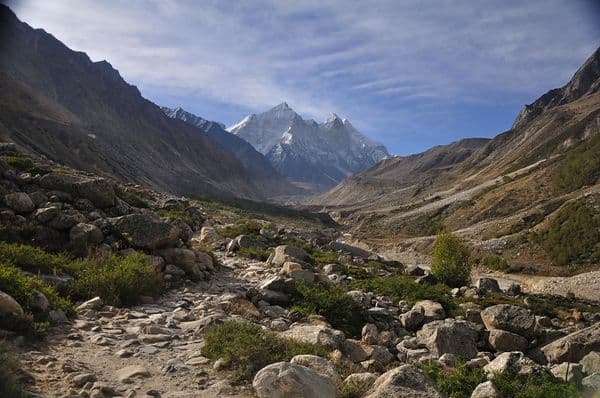
- Gomukh–Tapovan trek and Tapovan meadows (high-altitude alpine meadows with views of Bhagirathi peaks)
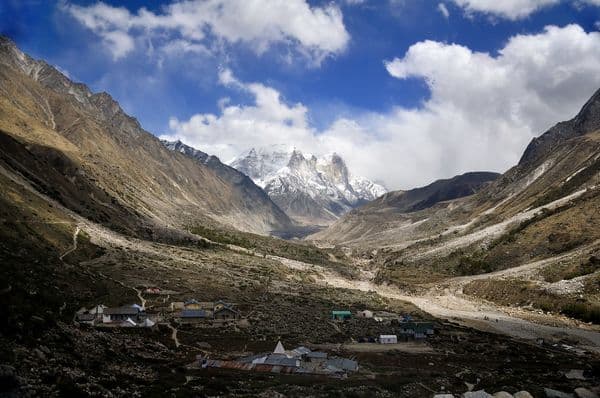
- Bhojbasa — common campsite/staging point on the trek to Gaumukh
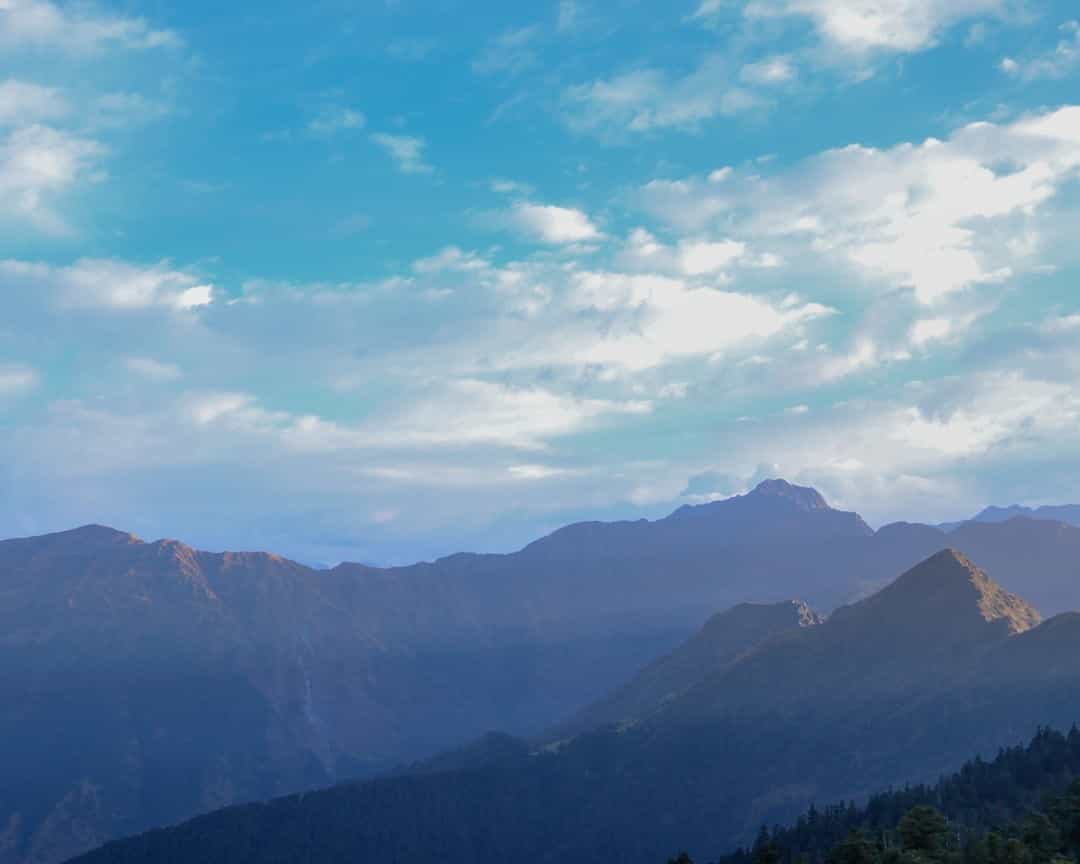
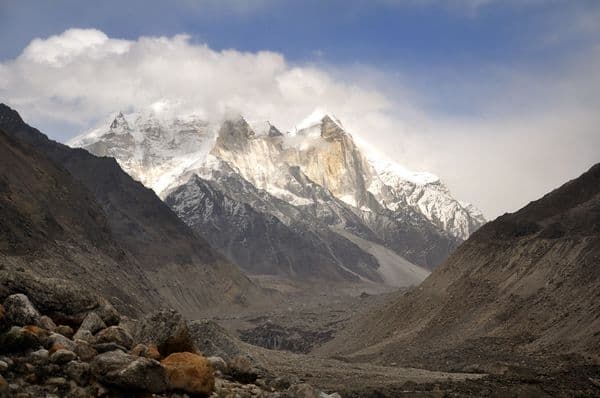
- Bhagirathi Peaks and surrounding Himalayan vistas
- Gangotri town (pilgrimage facilities, markets, local culture)
Unique Aspects
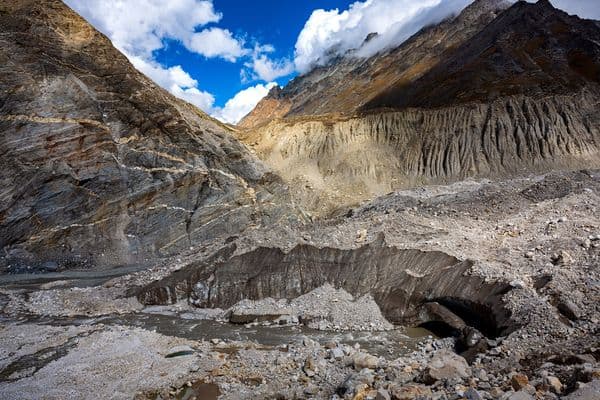
- Large alpine valley carved by the glacier with visible moraines and icefalls
- Gaumukh's distinctive cave-like ice snout resembling a cow's mouth
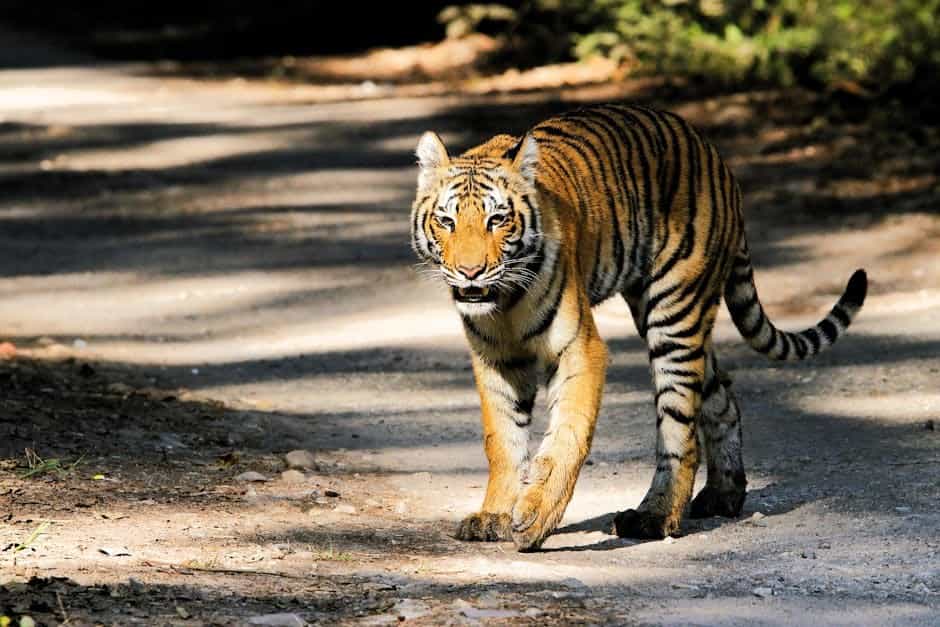
- High-altitude flora and fauna adapted to cold Himalayan conditions
- Sacred river origin with ongoing religious rituals (aarti, offerings)
- Stark contrasts between glaciated upper reaches and subalpine meadows
Things to do
- Pilgrimage and temple worship at Gangotri Temple
- Trekking: Gangotri to Gomukh (approx. 18–20 km one-way from Gangotri), Tapovan and nearby high-altitude routes
- Photography of glaciers, icefalls, Himalayan panoramas and devotional rituals
- Camping at Bhojbasa and Tapovan (with permits/guides)
- Short walks and nature observation in subalpine meadows
- Learning about local culture and interacting with pilgrims and shepherd communities
Best Time to Visit
Best time to visit: April/May to June and September to early October (summer and early post-monsoon windows). The temple is seasonally opened typically around Akshaya Tritiya (late April/May) and closes around Diwali (Oct/Nov). Winters are harsh with heavy snow and road closures.
Weather Conditions
Alpine to subalpine climate: cool to cold in summer (daytime mild, nights cold), very cold in shoulder seasons and winter with heavy snowfall. Temperatures can drop below freezing after dark even in summer at higher elevations. Weather is changeable with possibility of sudden storms.
Accessibility
Access by road from Uttarkashi (the nearest major roadhead). The usual approach is via Rishikesh/Haridwar and Dehradun (Jolly Grant Airport) by road to Uttarkashi and onward to Gangotri. Roads may be narrow and subject to landslides during monsoon; winter closures are common due to snow. The final stretch beyond Gangotri to Gaumukh is a high-altitude trek (rough footpaths) and not motorable. Adequate acclimatisation is essential.
Recommended Duration
Suggested trip length: 1–2 days for pilgrimage visits to Gangotri town and temple; 3–4 days if planning the round-trip trek to Gaumukh (Bhojbasa/Gaumukh); 6–10 days for extended treks to Tapovan or combined trekking itineraries and acclimatisation.
Clothing & Gear Tips
Warm layered clothing (thermal base layers, fleece, insulated jacket), waterproof outer layer, sturdy trekking boots, warm socks, sun hat and sunglasses (high UV at altitude), gloves, trekking poles, personal first-aid and altitude-sickness medication, water purification tablets, headlamp, and a quality sleeping bag if camping.
Local Food & Souvenirs
Simple local Kumaoni/Himalayan food available at guesthouses and dhabas — staples like dal, rice, potatoes, local bread and tea; carry high-energy snacks for treks. Souvenirs include religious items (prasad, prayer beads), woollen shawls, hand-knitted garments and local handicrafts. Respect temple norms when purchasing and carrying sacred items (pack properly for the trek).