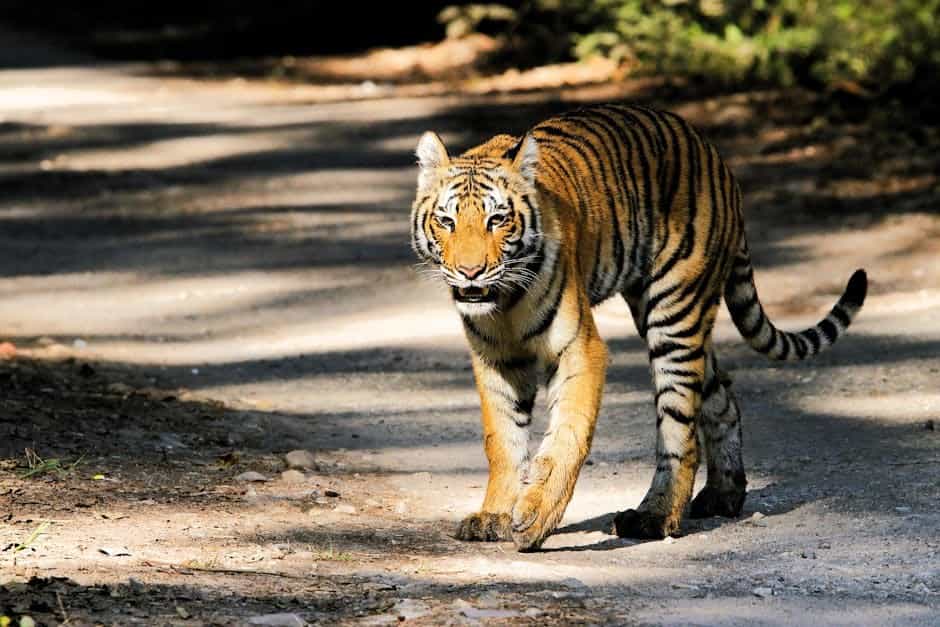
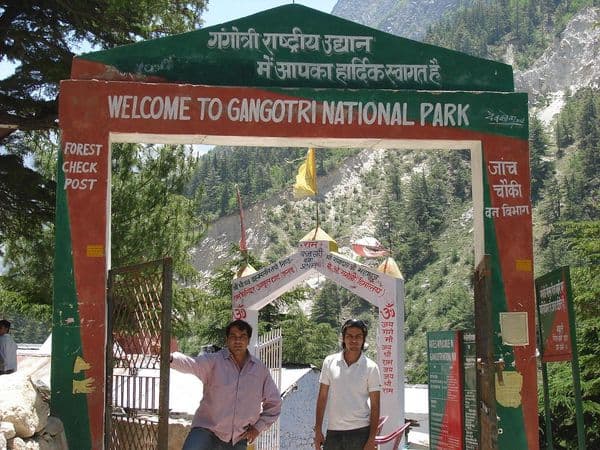
Gangotri National Park, Uttarakhand
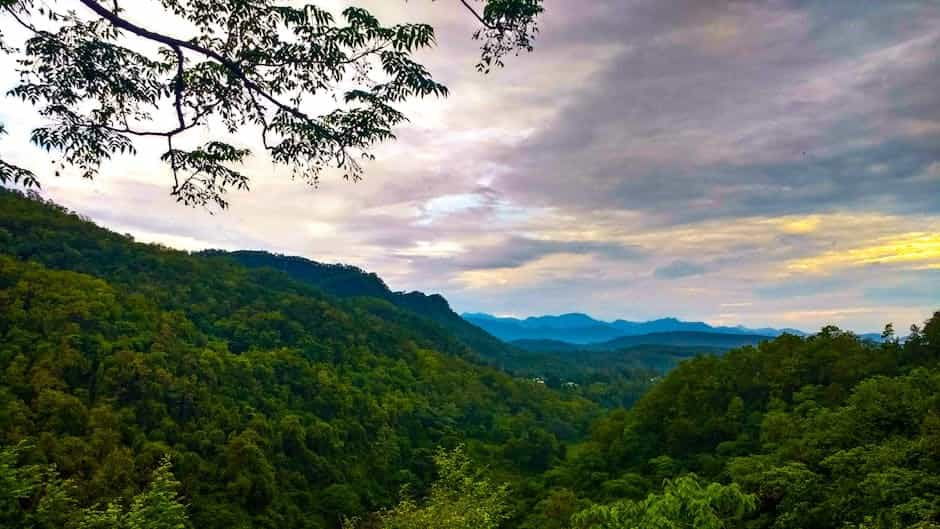
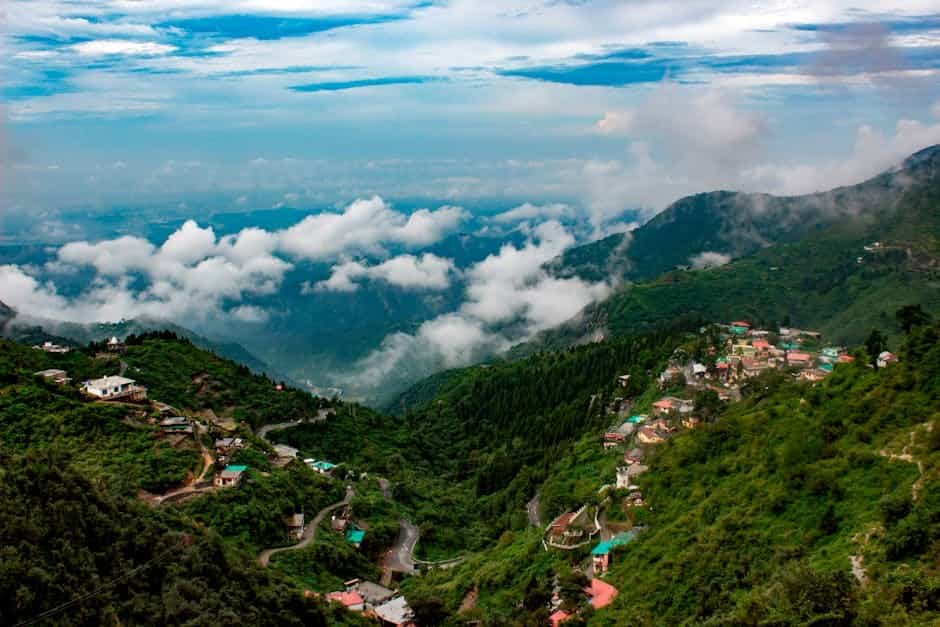
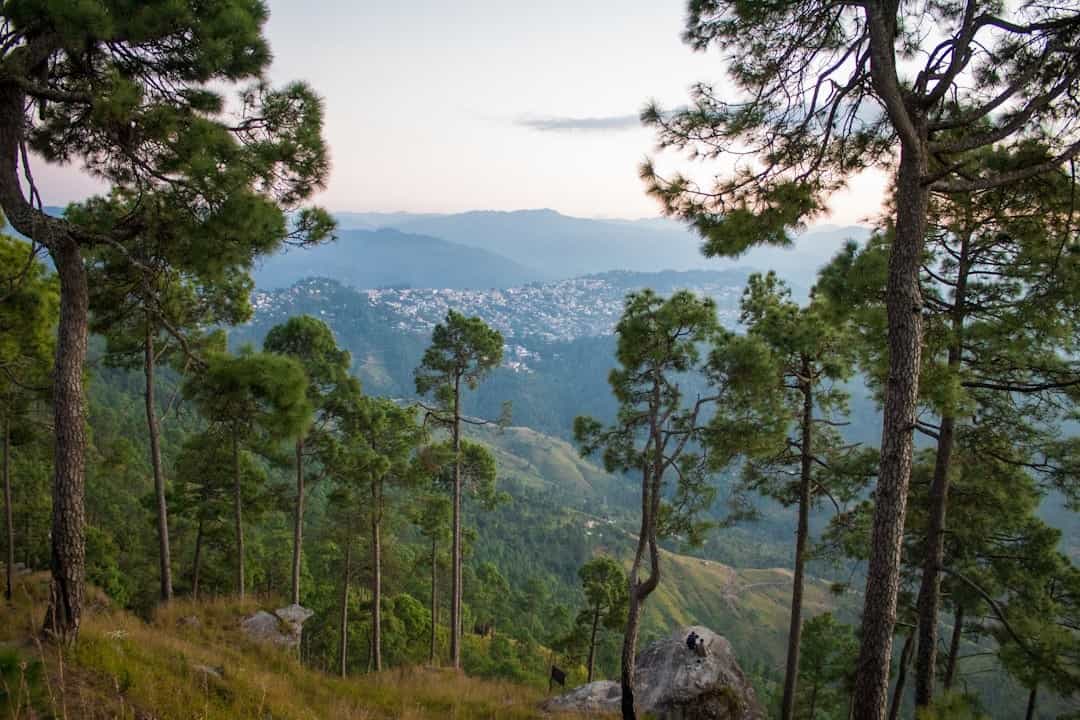
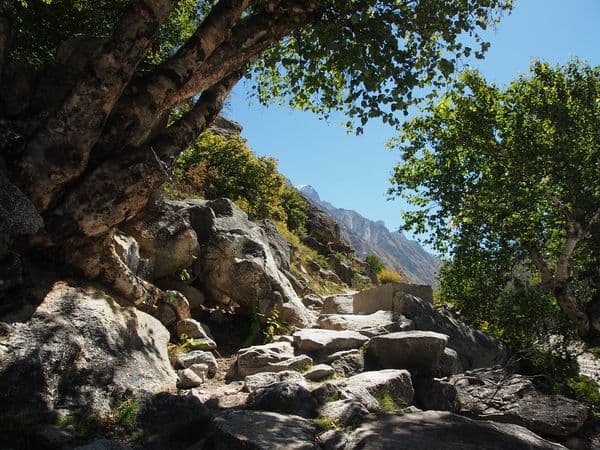
Gangotri National Park, located in the Uttarkashi district of Uttarakhand, protects the upper catchment of the Bhagirathi River (one of the primary headstreams of the Ganga). It preserves a large tract of high-altitude Himalayan ecosystems — from dense coniferous forests and alpine meadows to glaciers and barren high-altitude terrain. The park is significant for its ecological role in protecting glacial sources and high-mountain biodiversity, and it is also a cultural and pilgrimage landscape because the Gangotri temple and the Gaumukh (Gomukh) glacier — the traditional source of the Bhagirathi river — are inside the protected region or adjacent to it.
Last updated: 23 Oct 2025
Places to visit
- Gangotri Temple (pilgrim site)
- Gaumukh/Gomukh (Gangotri Glacier terminus)
- Tapovan meadows
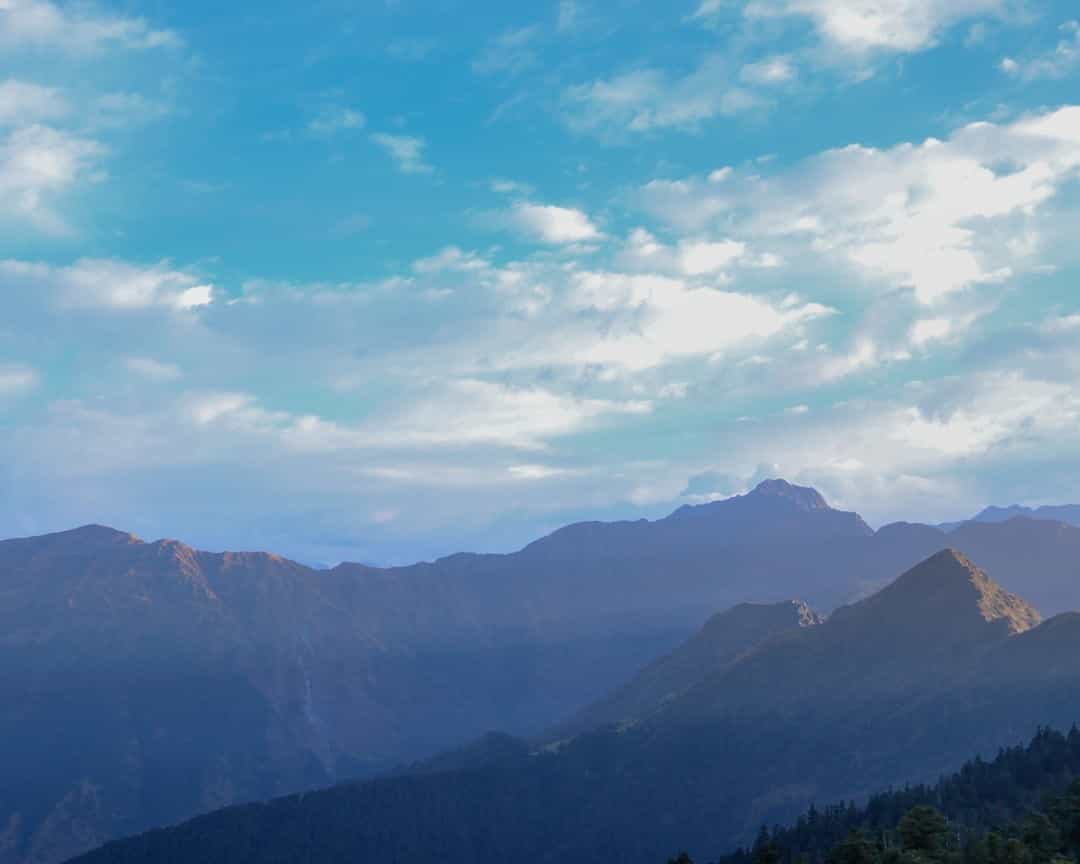
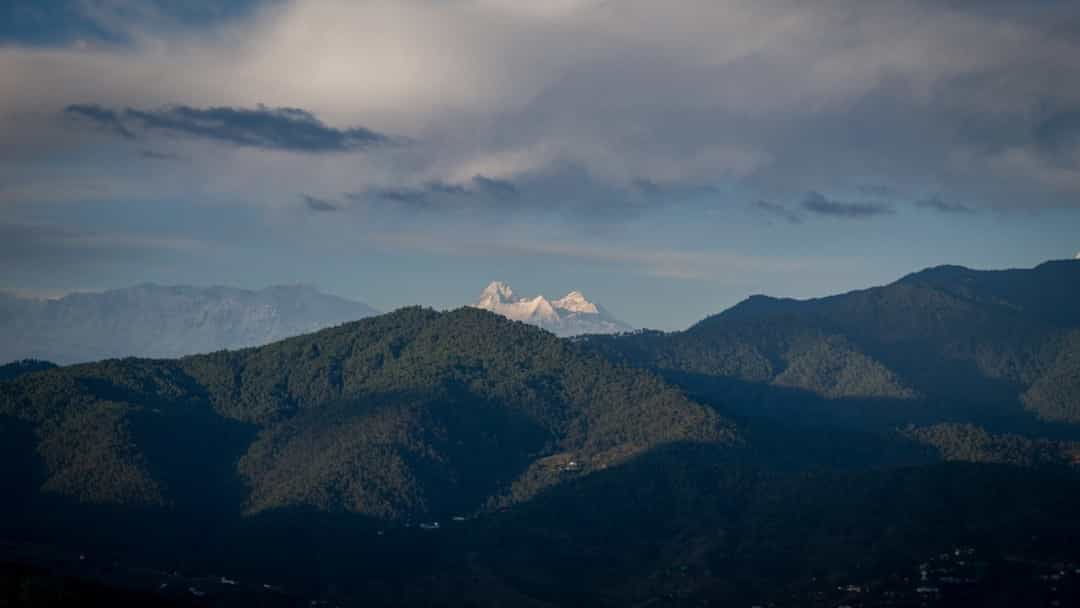
- Bhagirathi Peaks and high Himalayan vistas
- High-altitude lakes and alpine meadows with seasonal flowers
- Wildlife viewing areas for species like snow leopard, Himalayan tahr, blue sheep (bharal), and musk deer
Unique Aspects
- Gangotri Glacier and the Bhagirathi headwaters
- Large altitudinal gradient from dense conifer forest to permanent ice
- Pristine alpine meadows (Tapovan) known for spring and summer flora
- Important habitat for high-altitude and cold-adapted species (snow leopard, Himalayan musk deer)
- Spectacular mountain scenery with dramatic river valleys and moraines
Things to do
- Pilgrimage to Gangotri Temple and walk/trek to Gaumukh (Gomukh)
- Day hikes and short treks (e.g., Gangotri–Tapovan, Gangotri–Gaumukh)
- Serious high-altitude trekking and mountaineering (permit and guide required)
- Wildlife and bird watching (early morning and dusk optimal)
- Photography of glaciers, meadows, and Himalayan vistas
- Camping with appropriate permits outside sensitive core areas
Best Time to Visit
May to October is the main visiting season. Lower altitudes are pleasant in late spring and summer (May–August); monsoon brings localized showers and some landslides in July–September. High-altitude areas (Gaumukh, Tapovan) are usually accessible from late May/early June to September. Many routes and roads are closed by heavy snow from late October to April.
Weather Conditions
High-mountain alpine climate: cool-to-cold summers at higher elevations and very cold winters with heavy snowfall. Temperatures can range from comfortable 10–20°C at lower elevations in summer to well below freezing at night and during winter in the high zones. Rapid weather changes are common—expect wind, sudden drops in temperature, and afternoon storms during the monsoon.
Entry Fees & Permits
Visitors should obtain permits from the Uttarkashi forest division or local forest checkposts. Fees vary by activity (day visit, camping, trekking, or mountaineering) and by whether a guide is required. Trekking into sensitive or core areas requires permission and often a licensed guide. Temple access (Gangotri Temple) has its own timings (usually open May–October for the main season) and may require separate temple donations or offerings. Check with the Uttarkashi forest office or official Uttarakhand tourism websites for current fees and permit procedures before travel.
Accessibility
Nearest major airport: Dehradun (Jolly Grant) — about 250–280 km by road. Nearest major railhead: Haridwar or Rishikesh/Dehradun. Gateways: Uttarkashi is the main access town (road from Rishikesh/Haridwar/Dehradun). From Uttarkashi, reach Gangotri by motorable road (seasonal; given landslides and snow closures). Trekking to Gaumukh and Tapovan requires walking from the Gangotri motorable terminus. Mobile connectivity is limited; emergency services are distant at high altitudes.
Recommended Duration
For a basic visit to Gangotri temple and short walks to nearby viewpoints: 2–3 days (including acclimatization). For a trek to Gaumukh and Tapovan and some local exploration: 4–7 days. For extended high-altitude trekking or mountaineering objectives: 1–2 weeks or more, depending on the route.
Clothing & Gear Tips
Layered clothing (base, insulating mid-layer, waterproof windproof outer shell), warm hat and gloves, good quality trekking boots, gaiters for snow/loose scree, sunglasses with UV protection, high-SPF sunscreen, trekking poles, personal first-aid kit, and altitude sickness medication (consult a physician). For camping/trekking bring a high-altitude sleeping bag and a reliable tent (or arrange through licensed operators).
Local Food & Souvenirs
Local simple cuisine: lentils (dal), rice, chapatis, rajma, local vegetables, and tea. In higher-altitude stops you will mainly find vegetarian mountain food and packaged options. Souvenirs: woollen shawls and caps, traditional Uttarakhand handicrafts, prayer beads (rudraksha), and small religious mementos from Gangotri Temple. Respect local customs when buying religious items and support local vendors where possible.