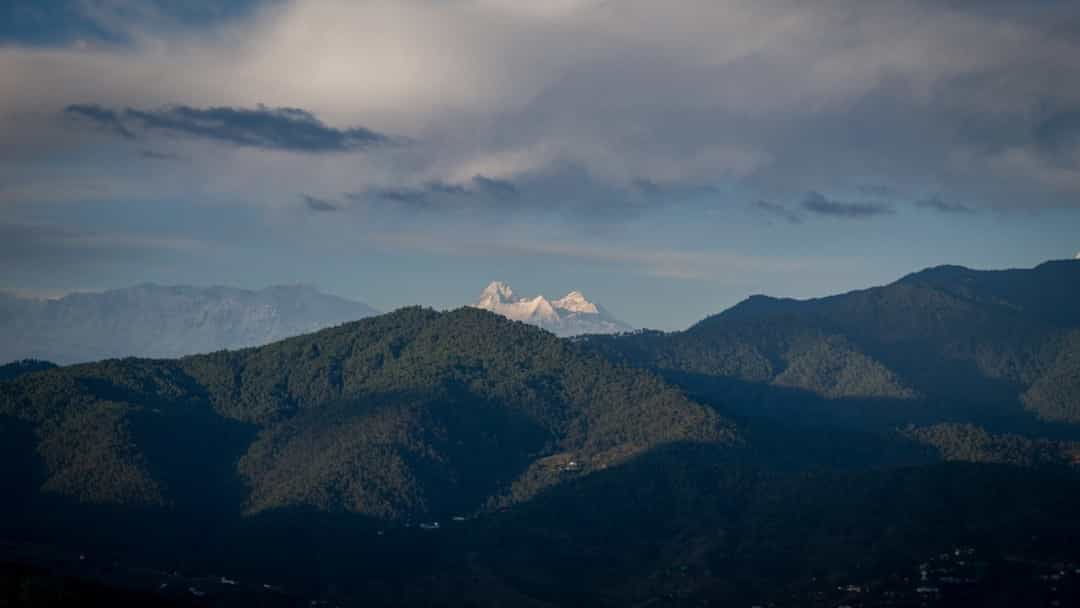
Har Ki Dun, Uttarakhand
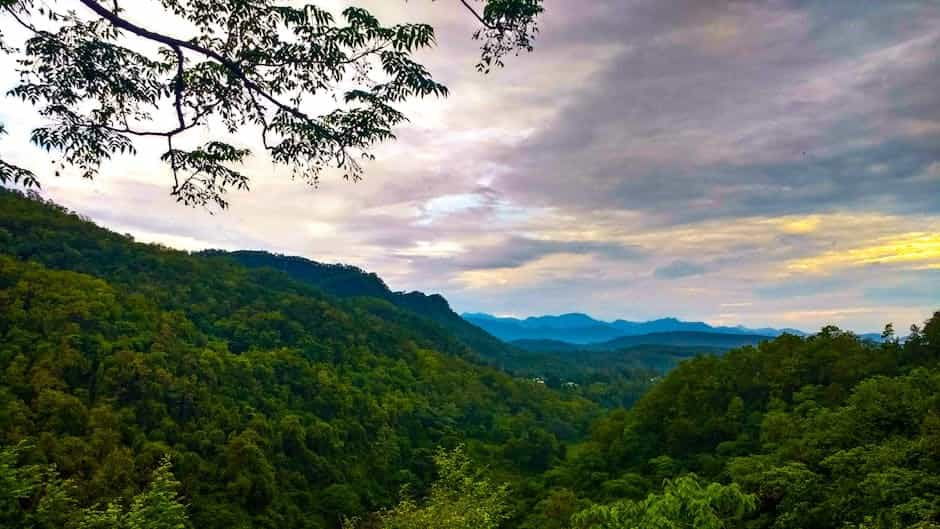
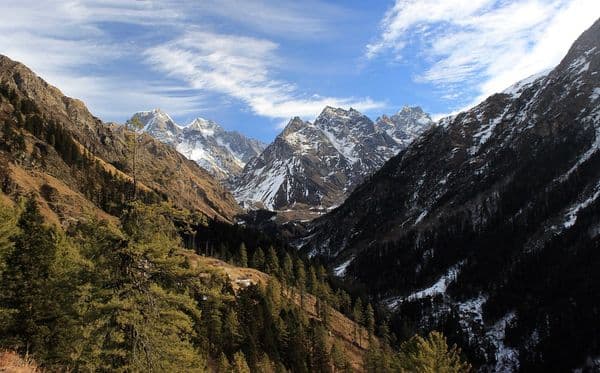
Har Ki Dun is a cradle-shaped alpine valley located in the Garhwal Himalaya of Uttarakhand, falling within the Govind Pashu Vihar National Park and Wildlife Sanctuary. It is important for its high-altitude biodiversity (rhododendron and oak forests, alpine meadows), traditional Himalayan villages, and as a classic example of a Himalayan U-shaped glacial valley. The valley is culturally significant to local Kumaoni and Garhwali communities and forms part of the larger Swargarohini range landscape that features in regional lore.
Last updated: 23 Oct 2025
Places to visit
- Har Ki Dun valley (the cradle-shaped alpine bowl)
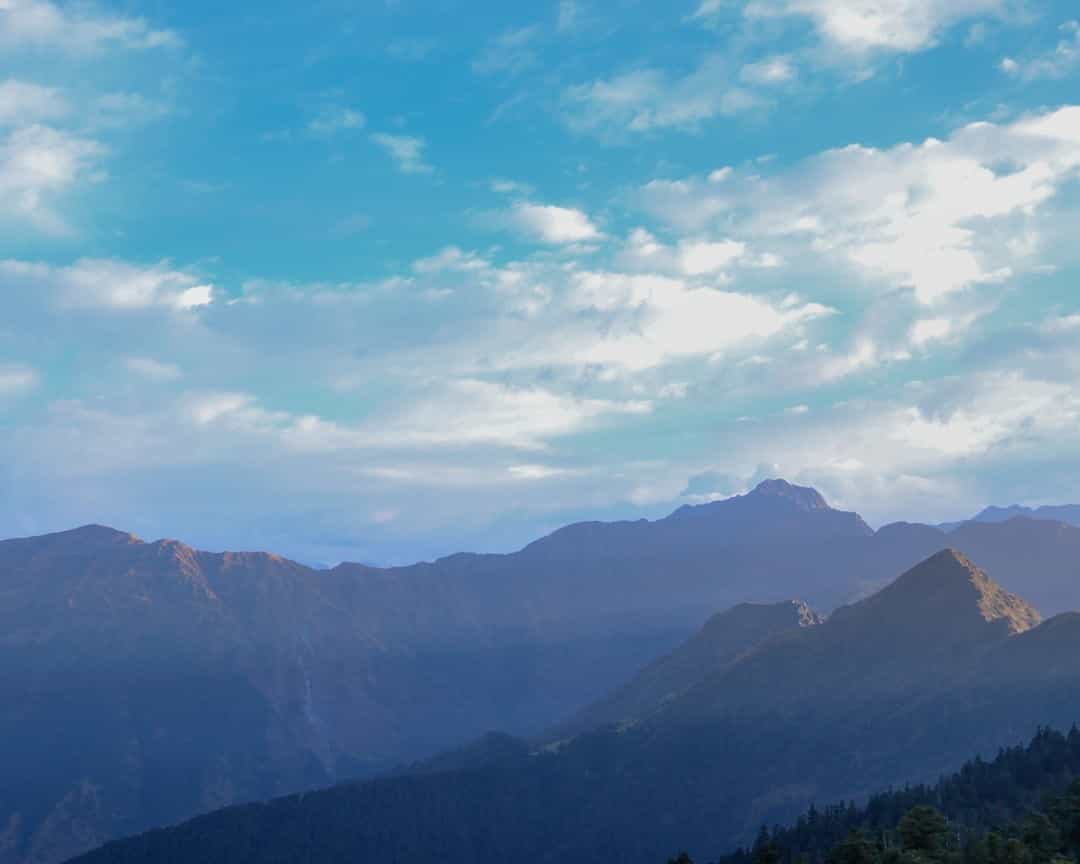
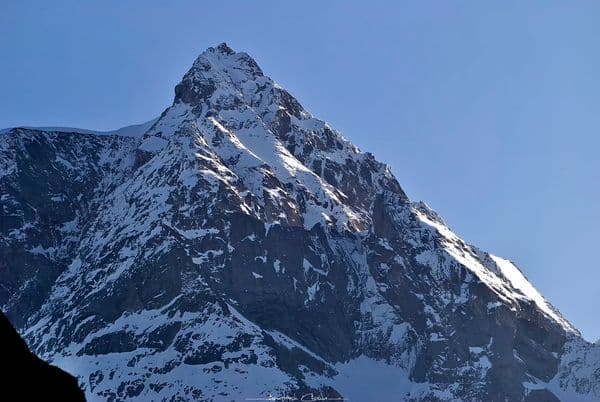
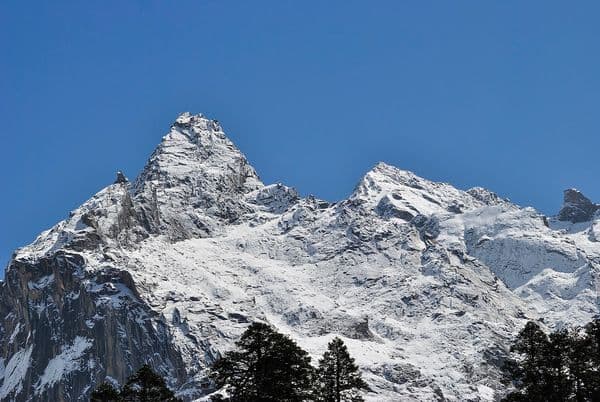
- Panoramic views of the Swargarohini and Bandarpoonch ranges
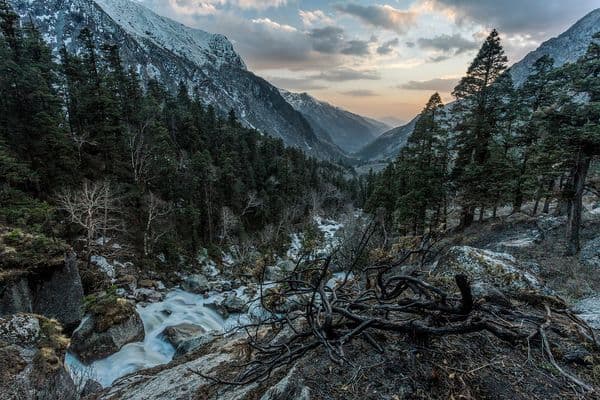
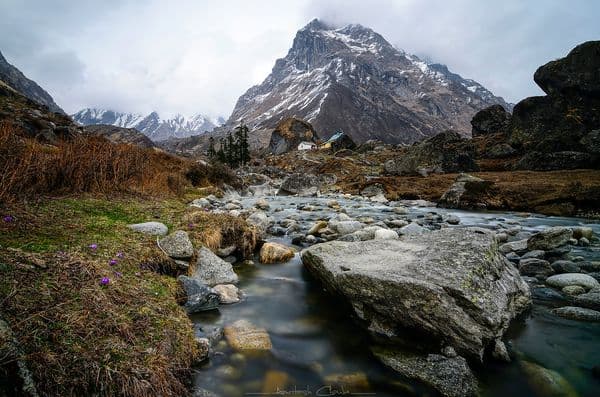
- Lush alpine meadows (bugyals) and glacial streams
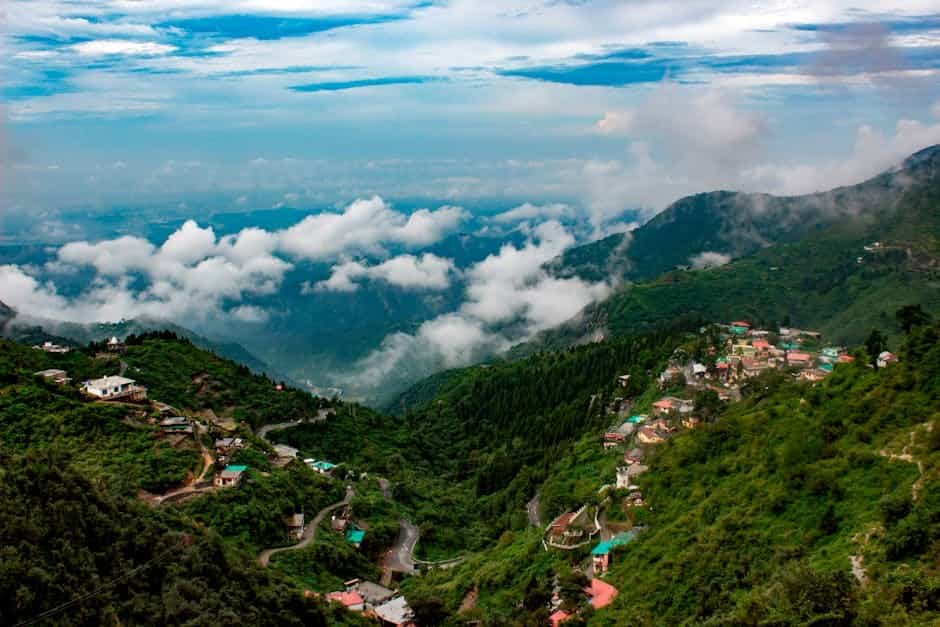
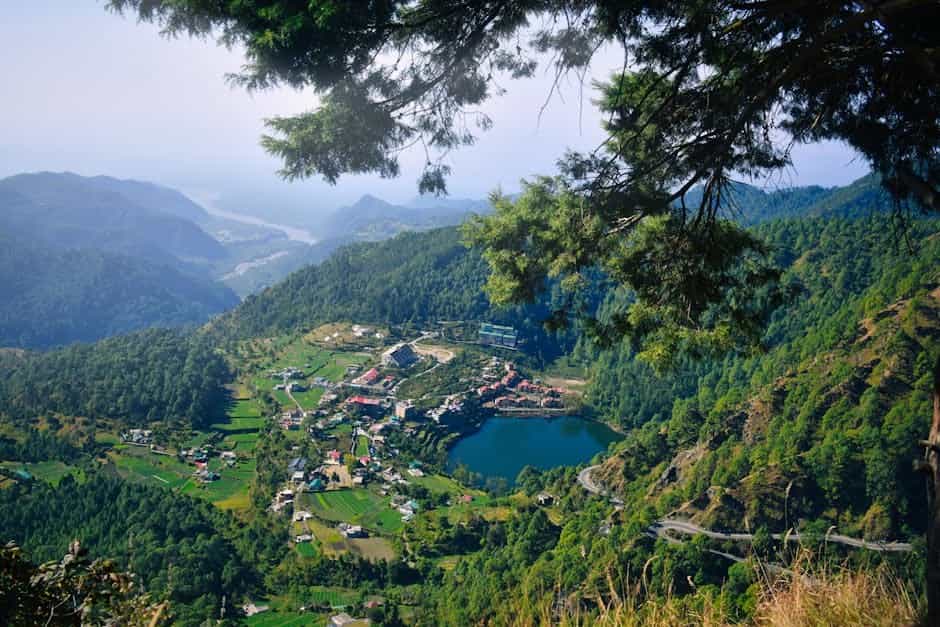
- Traditional Himalayan villages (Sankri, Osla) and local village life
- Rich flora and fauna within Govind Pashu Vihar National Park
Unique Aspects
- Dramatic U-shaped glacial valley with moraines and snowfields
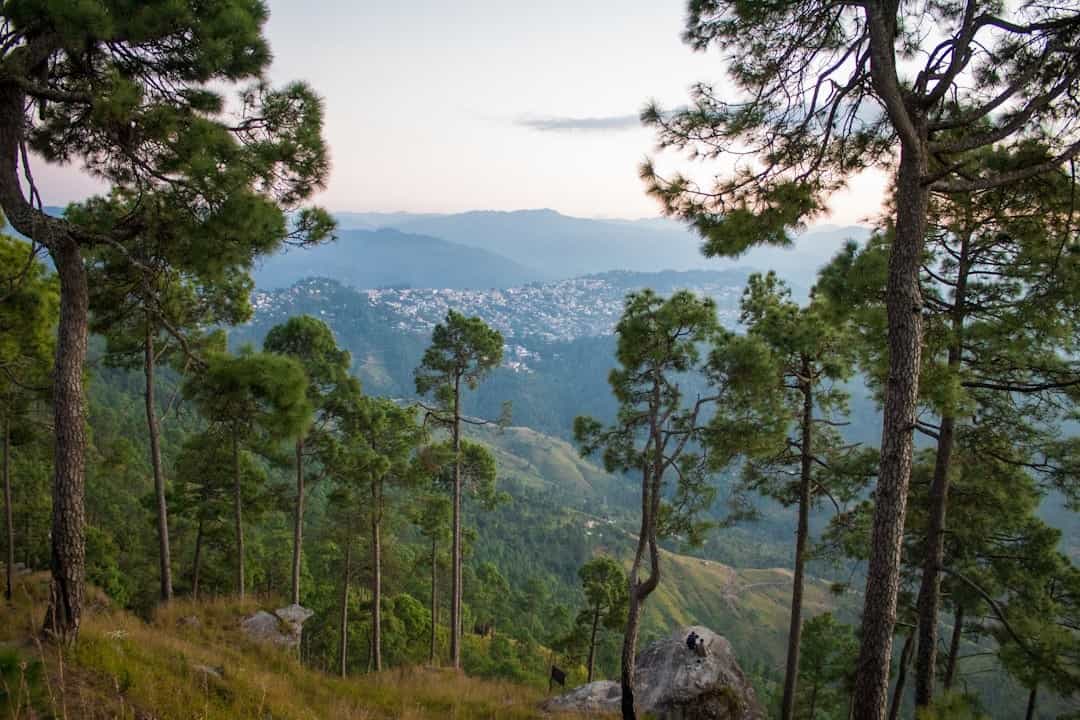
- Dense rhododendron and oak forests and spring wildflowers
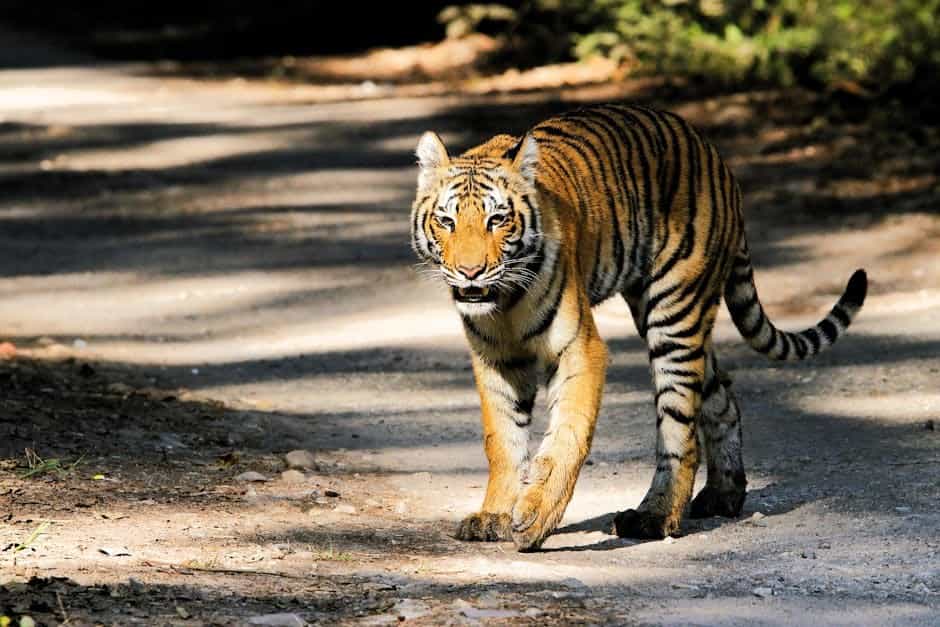
- Wildlife sightings possible: Himalayan monal, musk deer, Himalayan black bear, various pheasants and migratory birds
- Clear mountain streams and small high-altitude lakes and wetlands
- Panoramic sunrise/sunset views over jagged Himalayan ridges
Things to do
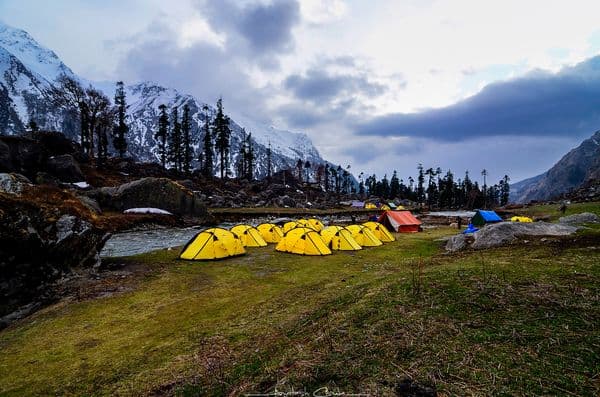
- Multi-day trekking and camping (classic 6–8 day trek from Sankri)
- Nature and bird watching; wildlife photography
- Village walks and cultural interaction with local residents
- High-altitude meadow photography and landscape photography
- Guided nature walks focused on alpine flora and traditional herbal plants
Best Time to Visit
May–June and September–October for clear skies, stable trekking conditions and wildflowers. Avoid the heavy monsoon (July–August) because of leeches, slippery trails and landslide risk; winters (November–March) bring heavy snow and the route is generally closed to casual trekkers.
Weather Conditions
Alpine mountain climate: warm to cool days in the trekking season and cold nights. Temperatures can fall below freezing at night above 3,000 m; sudden weather changes and afternoon cloud buildup or snow are possible at higher camps.
Accessibility
Nearest major transport hubs: Dehradun (Jolly Grant Airport, ~200–240 km by road to Sankri) and Dehradun/Rishikesh railway stations. The usual trek approach begins from the road-head village of Sankri (base village). Daily road services from Dehradun/Tehri/Dehradun-Uttarkashi direction to Sankri may take 8–12 hours depending on road conditions. From Sankri the trek is a multi-day route into the valley. Expect basic road connectivity and narrow mountain roads — hire a trusted driver or use shared jeeps to Sankri.
Recommended Duration
Plan for 6–8 days for the classic Har Ki Dun trek from Sankri (including approach and return). Add 1–2 days for travel to/from Dehradun or extra acclimatization if needed.
Clothing & Gear Tips
Layered clothing (base, insulating mid-layer, waterproof outer shell), warm down jacket for nights, sturdy waterproof trekking boots, wool socks, gloves, warm hat, sunglasses, sunscreen, trekking poles, headlamp, personal first-aid and blister kit, water purification tablets or filter. Carry a light daypack plus a duffel for porters if hiring help.
Local Food & Souvenirs
Local Kumaoni dishes such as rajma (kidney bean curry), gahat (kulath) preparations, simple lentil and rice meals, and local breads. Tea/khichdi and dal provided at teashops and camps. Souvenirs include hand-woven woolens, shawls, caps, local honey and small handicrafts from village artisans.