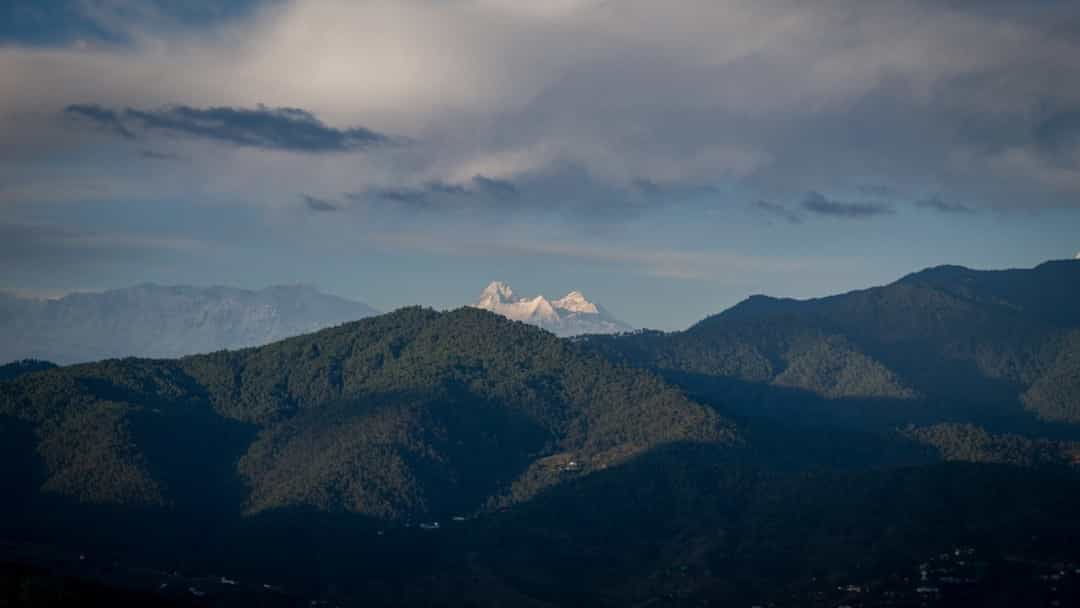
Joshimath, Uttarakhand
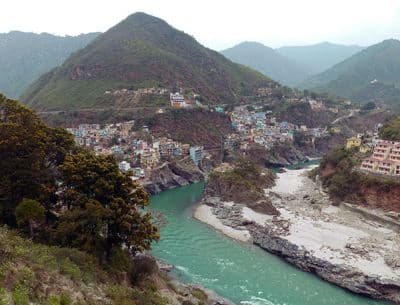
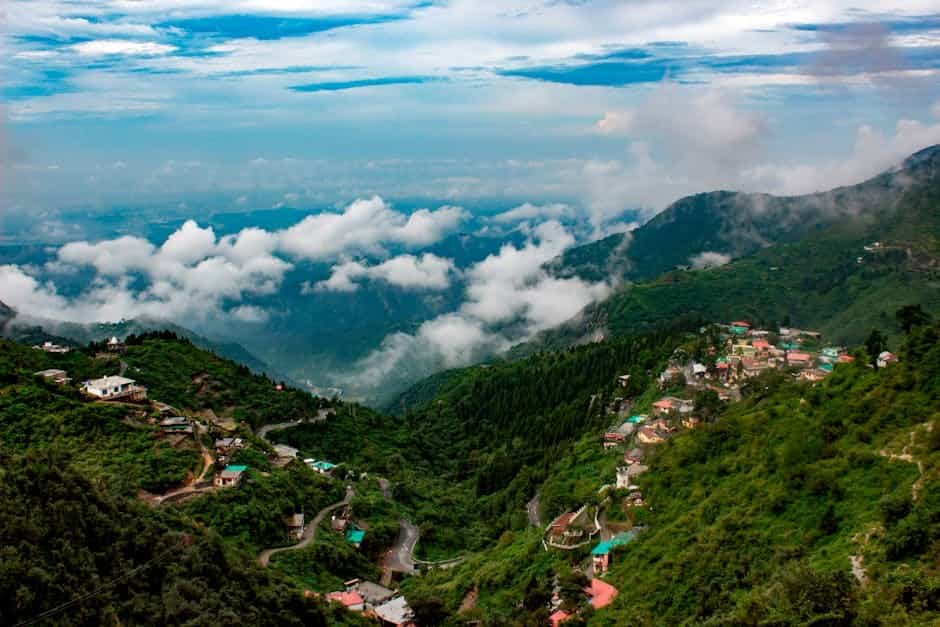
Joshimath (Jyotirmath) is an important religious and strategic town in Chamoli district, Uttarakhand. Founded as one of the four cardinal mathas by Adi Shankaracharya, it is a traditional seat of Hindu learning and a gateway to major Himalayan pilgrimage and trekking destinations (Badrinath, Hemkund Sahib, Valley of Flowers, Auli). The town sits at the edge of the Nanda Devi Biosphere/Greater Himalayan ecosystem, giving it high natural and ecological importance.
Last updated: 23 Oct 2025
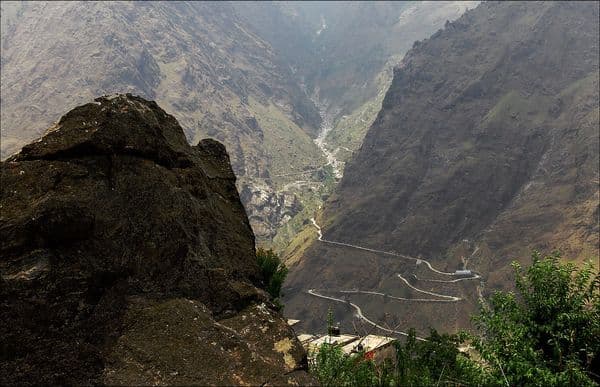
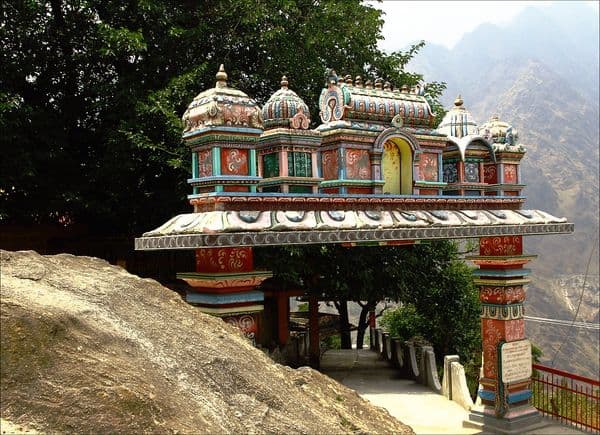
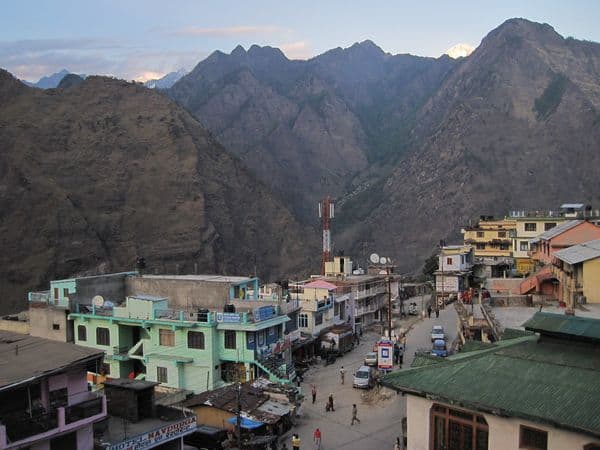
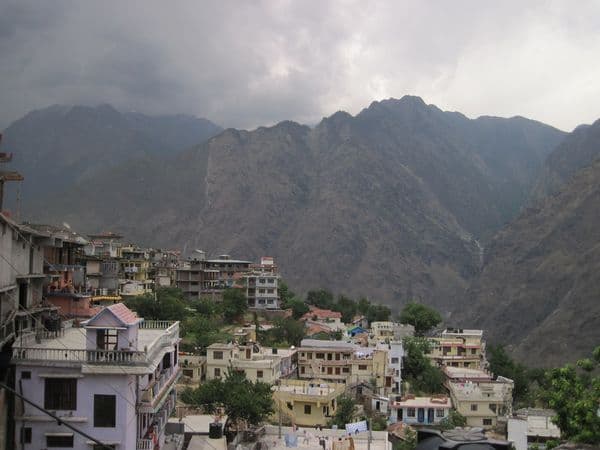
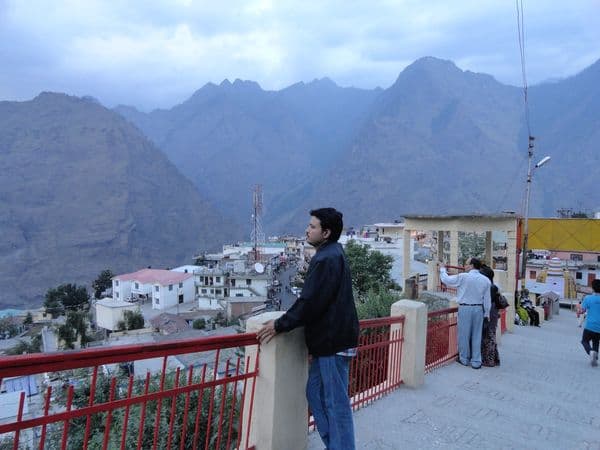
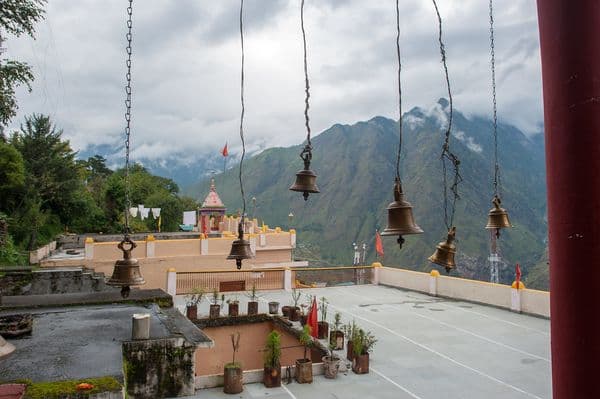
Places to visit
- Jyotirmath (Shankaracharya Math)
- Narsingh Temple
- Auli (ski slopes and meadows)
- Gorson Bugyal (alpine meadows)
- Badrinath (seasonal pilgrimage, ~40–70 km by road depending on route)
- Valley of Flowers (base: Govindghat/nearby)
- Hemkund Sahib (Sikh pilgrimage lake)
- Auli Ropeway (cable car linking Joshimath to Auli)
- Kartik Swami Temple (scenic hilltop temple)
Unique Aspects
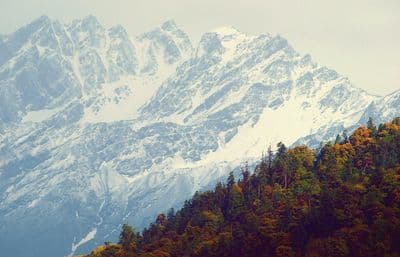
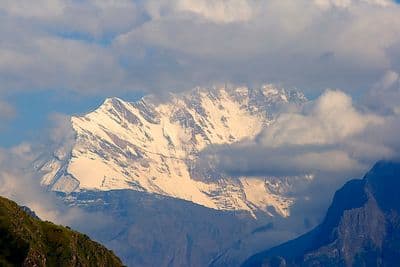
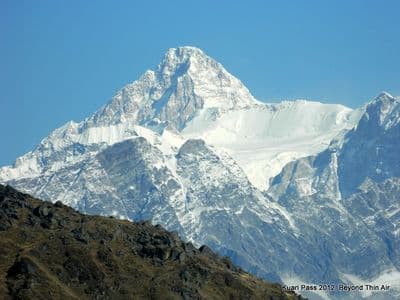
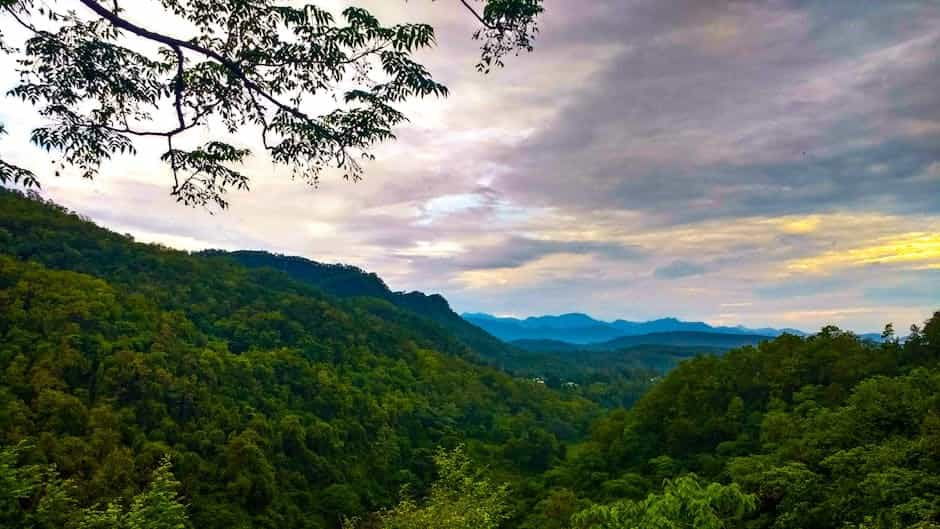
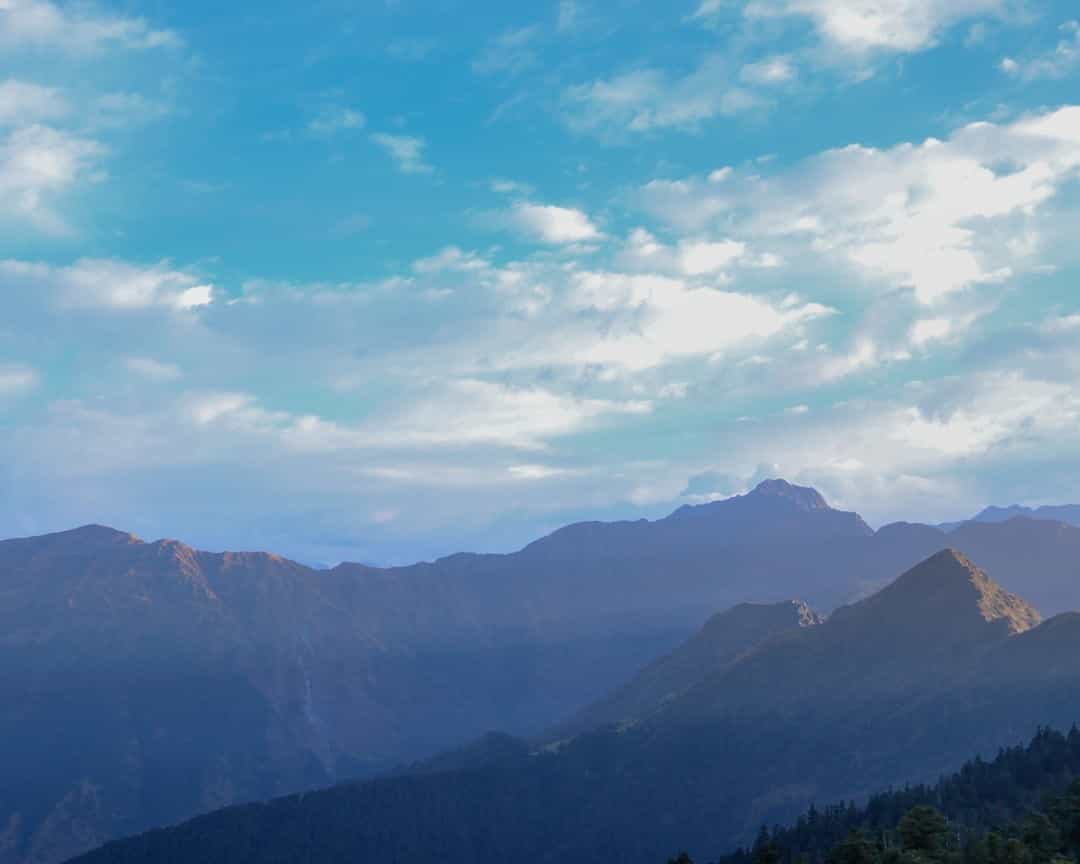
- Stunning panoramic views of Himalayan peaks including Nanda Devi and Mana Parvat
- High-altitude alpine meadows ideal for trekking and summer grazing
- Seasonal snowfields that support winter skiing and training
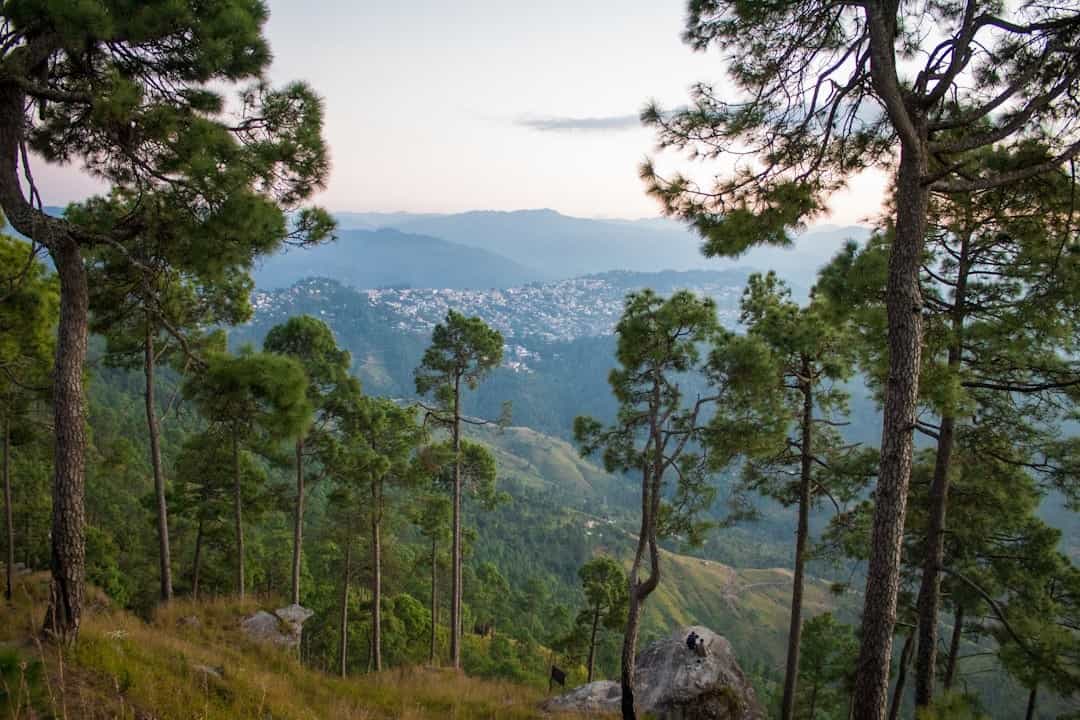
- Rich subalpine and alpine flora (Valley of Flowers nearby) and diverse mountain birdlife
- Religious architecture and living monastic tradition (Jyotirmath)
Things to do
- Skiing and snow sports in Auli (winter season)
- Trekking: Valley of Flowers and Hemkund Sahib treks from Govindghat
- Ride the Auli ropeway for panoramic views and photo opportunities
- Pilgrimage visits to Jyotirmath, Badrinath (seasonal) and Hemkund Sahib
- Nature walks, birdwatching and alpine meadow excursions (Gorson Bugyal)
- Shopping at local markets for woollens and handicrafts; sampling Garhwali cuisine
- Photography of sunrise/sunset over Himalayan peaks
Festivals & Events
- Adi Shankaracharya Jayanti and rituals at Jyotirmath
- Vijayadashami/Badrinath seasonal opening and closing ceremonies (major pilgrim events)
- Local temple fairs and religious observances during pilgrimage season
- Occasional regional cultural programs and trekking-season celebrations
Best Time to Visit
Best months: May–June and September–October for clear skies and pleasant temperatures. December–February are suitable for skiing but roads can be snowbound. Avoid peak monsoon (July–August) because of high landslide risk and road closures.
Weather Conditions
Alpine to subalpine climate: summers are cool (approximately 8–20°C depending on elevation), nights are chilly; winters are cold with frequent snowfall (temperatures can drop well below freezing). Weather can change quickly—carry layers.
Accessibility
Nearest airport: Jolly Grant Airport (Dehradun) — road journey of roughly 8–10 hours (~250–300 km depending on route and conditions). Nearest major railheads: Haridwar/Rishikesh (road link onward) or Kathgodam/Srinagar (regional). Roads are mountainous, narrow and subject to closures from landslides or snow. Regular state buses and shared taxis operate from Rishikesh/Srinagar/Chamoli; private taxis are widely used.
Important safety note: Joshimath and surrounding slopes have experienced significant land subsidence and structural instability in recent years. Visitors should check the latest travel advisories, avoid restricted/evacuated zones, and follow local authority instructions. Permits: trekking areas like Valley of Flowers and Hemkund require entry permits from Forest/DM offices during season.
Recommended Duration
Short visit: 3–4 days (Joshimath + Auli). For treks/pilgrimage (Valley of Flowers, Hemkund Sahib) allow 6–10 days including travel and acclimatization.
Clothing & Gear Tips
Layered warm clothing (thermals, fleece), waterproof outer shell, sturdy trekking/hiking boots, woollen hat and gloves, sunglasses, sunscreen, walking poles, basic first-aid and any altitude-sickness medication. Carry cash—ATM services can be limited.
Local Food & Souvenirs
Try Garhwali specialties such as Aloo ke Gutke, Kafuli, Phaanu and local breads. Souvenirs: woollen shawls, hand-knitted caps, prayer beads (mala), local honey and Himalayan herbal products. Respect local religious customs when visiting temples.