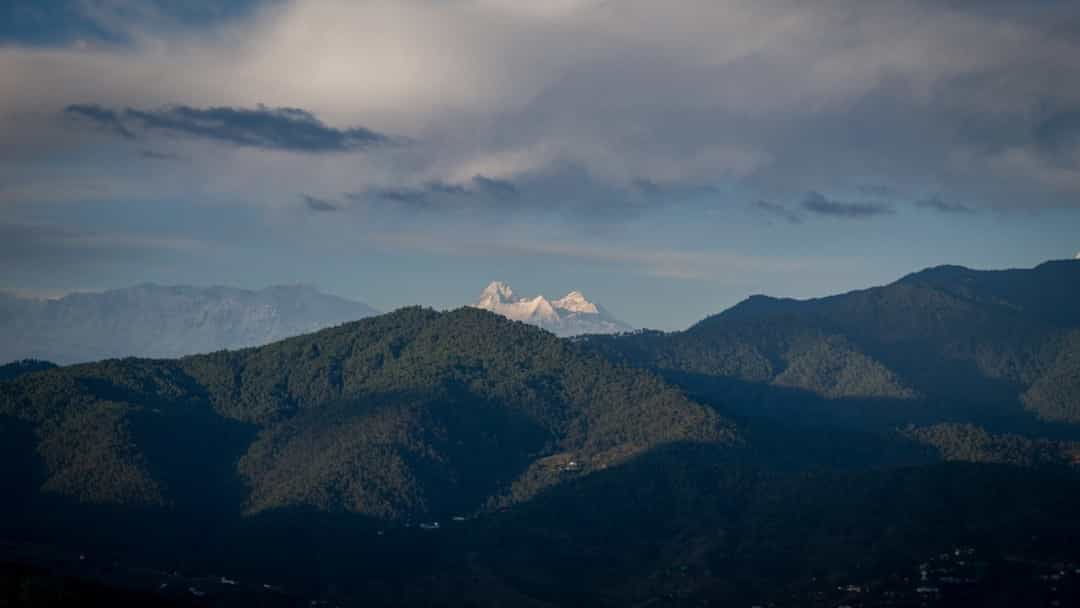
Kasar Devi Temple, Uttarakhand
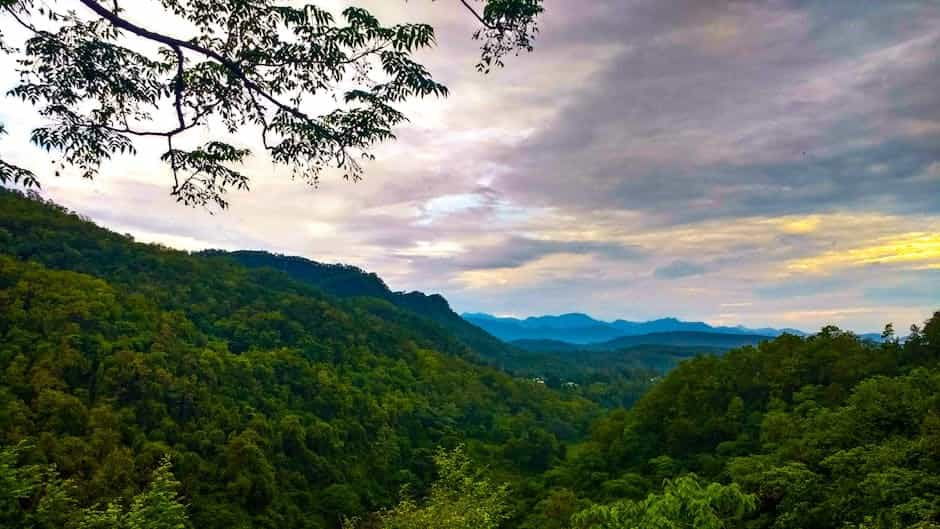
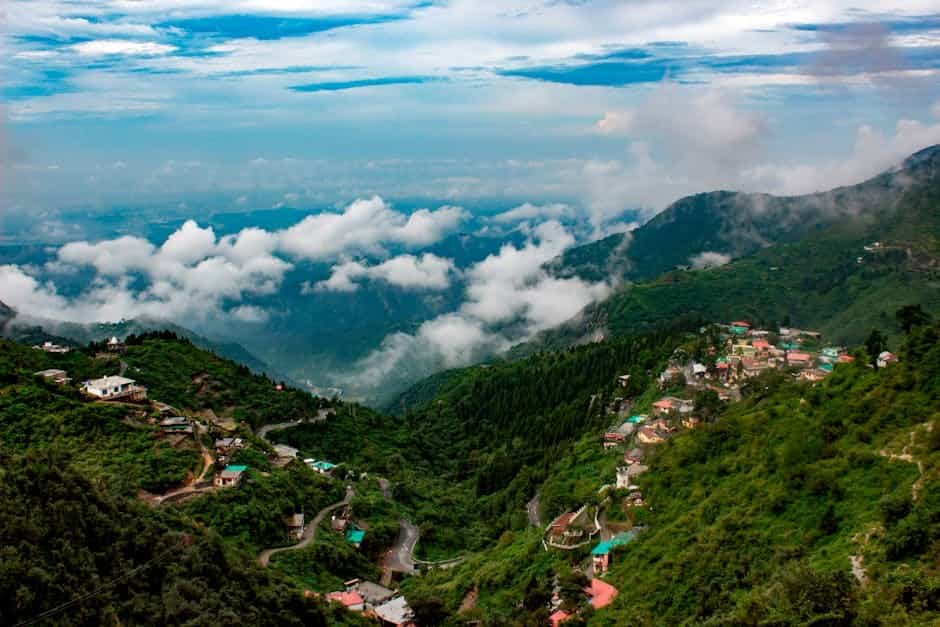
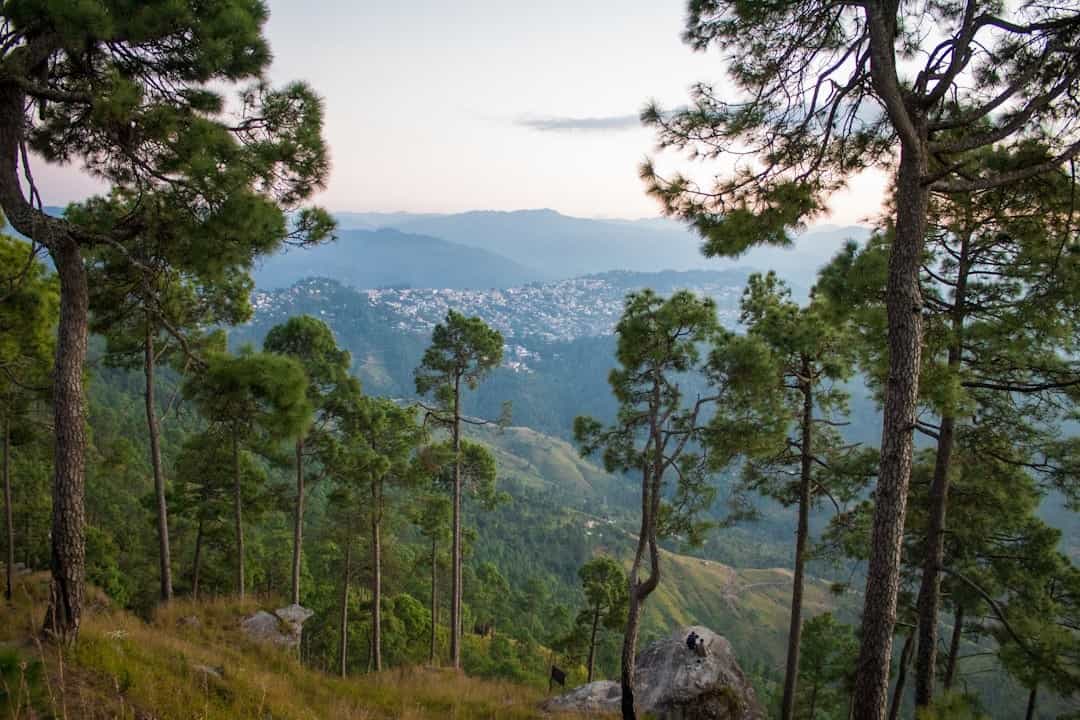
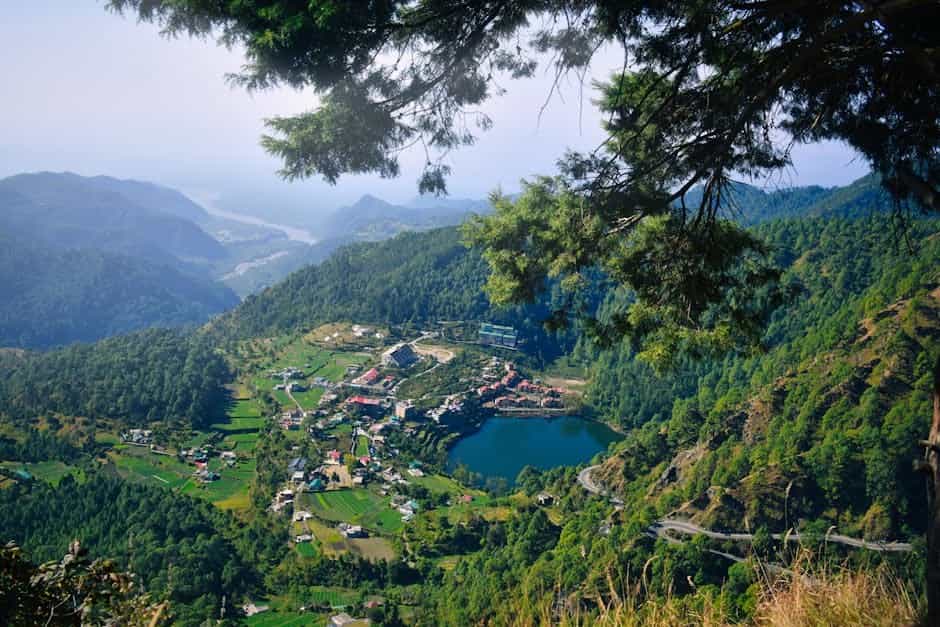
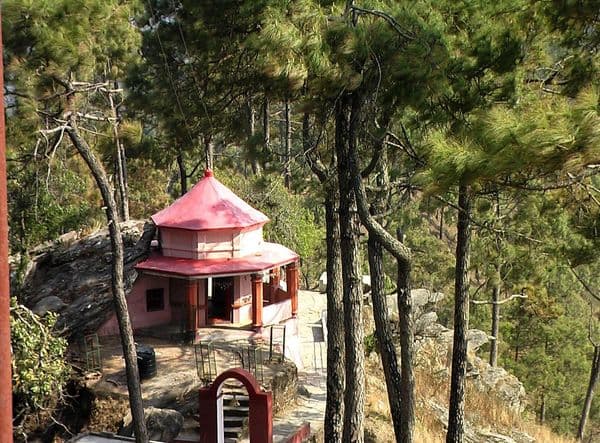
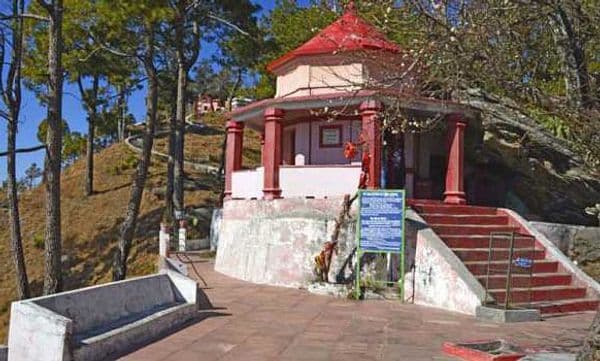
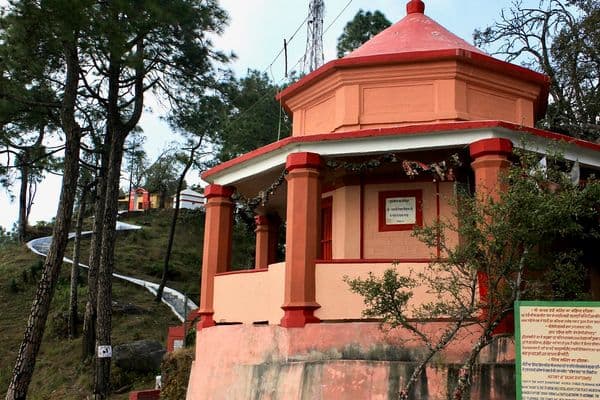
Kasar Devi Temple is an ancient Hindu temple dedicated to Goddess Kasar Devi (an incarnation of Devi), believed to date back to at least the 2nd century CE with later medieval refurbishments. It sits on a ridge near Almora in Uttarakhand and is renowned for its spiritual ambiance, attracting yogis, saints, and seekers. The site is notable for its panoramic views of the Himalayas and the unique magnetic and geomagnetic claims associated with the ridge, which some visitors report as creating a heightened feeling of meditation and clarity.
Last updated: 23 Oct 2025
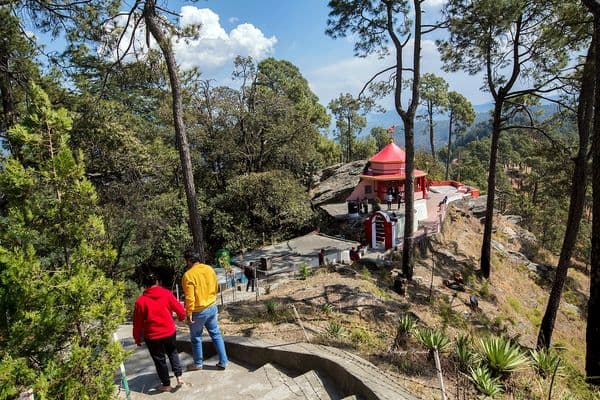
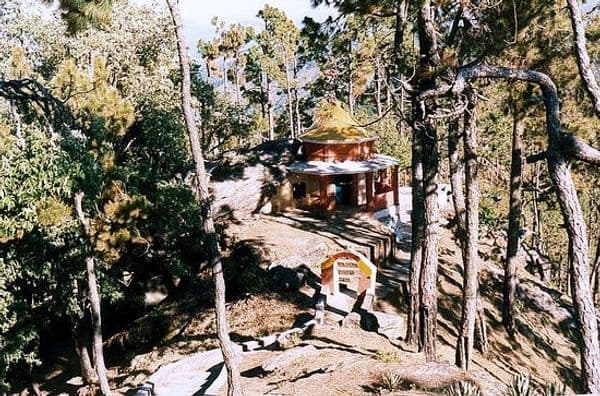
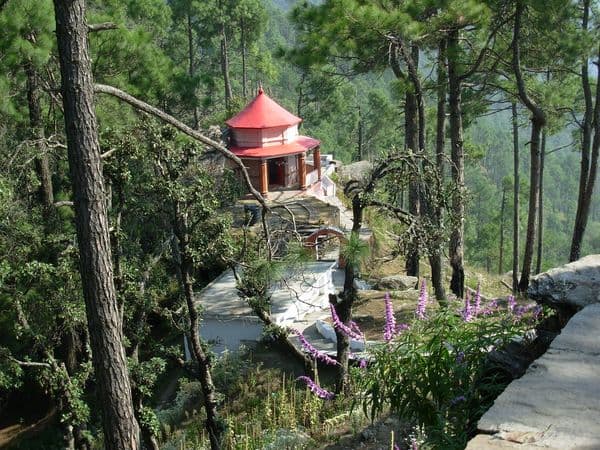
Historic Anecdotes
Local legend says that the temple was originally established by the Pandavas during their exile, though historical records are sparse. Another story links the site to the 8th-10th century Katyuri and later medieval periods. In modern times, Kasar Devi became a hub for spiritual seekers after Swami Vivekananda is said to have meditated here. The area later attracted Western bohemians and artists in the 1960s (including Allen Ginsberg and Timothy Leary), fostering a mythos of an energetic 'geomagnetic' vortex at the temple ridge.
Places to visit
- Kasar Devi Temple Shrine – the small, ancient stone temple complex with the Devi idol and classic Himalayan temple architecture.
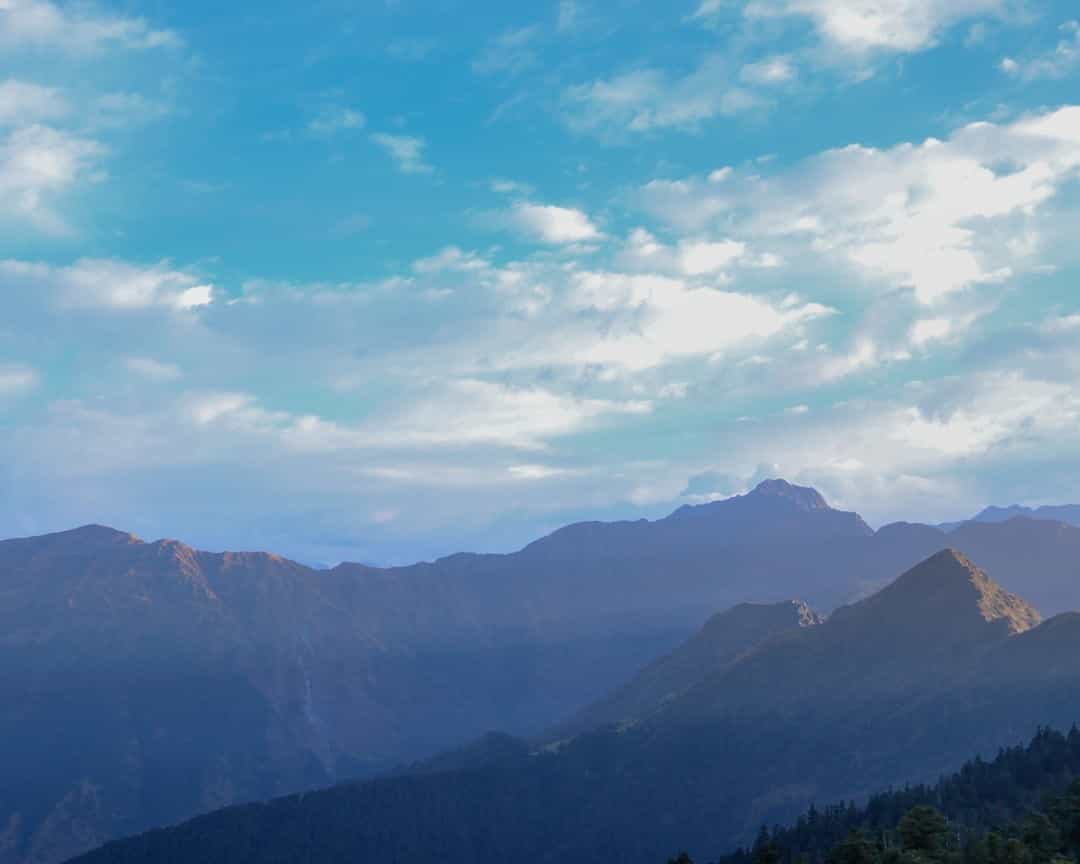
- Temple Ridge & Viewpoints – sweeping panoramic views of the Kumaon Himalaya including peaks like Nanda Devi, Trishul, and Chaukhamba on clear days.
- Meditation Stones and Reserved Spots – spaces around the temple used by sages, yogis, and visitors for meditation and quiet reflection.
- Old Banyan Tree and Ashrams – nearby spiritual spots and small ashrams that host practitioners and occasional retreats.
Unique Aspects
- Geomagnetic/energetic vibes reported by visitors and some researchers; many come seeking meditation-enhancing conditions.
- Sunrise and Sunset Views over the Himalaya — especially popular for photography and contemplative walks.
- Cultural Crossroads: historic mixing place for local devotees, sadhus, and international seekers since the 19th–20th century.
Things to do
- Meditation and Yoga – quiet spots and ashrams offer space for practice and individual retreats.
- Nature Walks & Short Treks – trails around the ridge and through nearby forests; easy walks to viewpoints.
- Photography & Sightseeing – panoramic mountain vistas and local village life.
- Meeting Sadhus and Local Devotees – observe or participate in daily puja rituals.
Festivals & Events
- Navratri & Durga Puja – local celebrations and rituals at the temple draw devotees during these Hindu festivals.
- Local Fairs and Small Religious Gatherings – occasional community events aligned to the temple calendar.
- Meditation Camps / Workshops – periodically organized by nearby ashrams, especially in spring and autumn.
Best Time to Visit
March to June and September to November — pleasant weather, clear mountain views, and ideal for outdoor activities.
Weather Conditions
Cool mountain climate: summers (15–25°C), winters can be cold (near freezing at night). Monsoon (July–August) brings rain and occasional landslides; visibility may be reduced.
Entry Fees & Permits
No formal entry fee for the temple; timing generally early morning to evening (exact hours can vary). Nearby ashrams or guided programs may charge fees for accommodation or workshops.
Accessibility
Nearest town: Almora (~25 km by road). Nearest major railhead: Kathgodam (~120 km) or Ranikhet region access via road. Road access from Almora to Kasar Devi is by motorable narrow mountain roads; final approaches may require short uphill walks. Limited public transport; private taxis or shared jeeps from Almora are common.
Recommended Duration
Half-day to 1 full day for a visit (including meditation and short walks); 2–3 days if attending retreats or exploring surrounding Almora region.
Clothing & Gear Tips
Layered clothing for temperature changes, comfortable walking shoes, sun protection, light rain protection in monsoon, and a small mat or shawl for meditation.
Local Food & Souvenirs
Try local Kumaoni cuisine in Almora (mandua rotis, bhatt ki churkani, local sweets). Souvenirs: prayer beads, locally made handicrafts, woollen shawls, and spiritual books from ashrams.