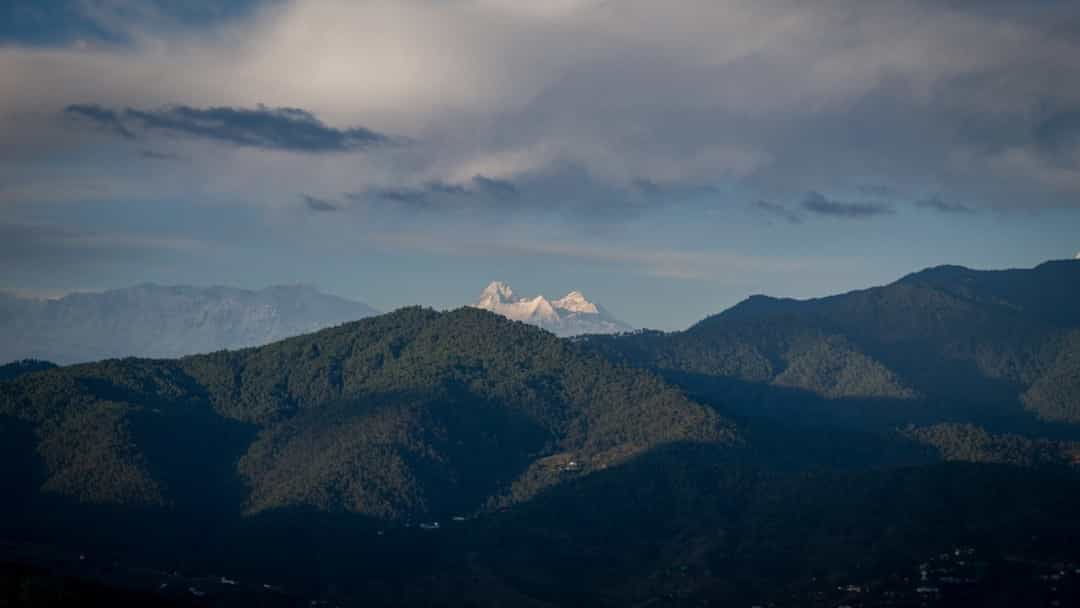
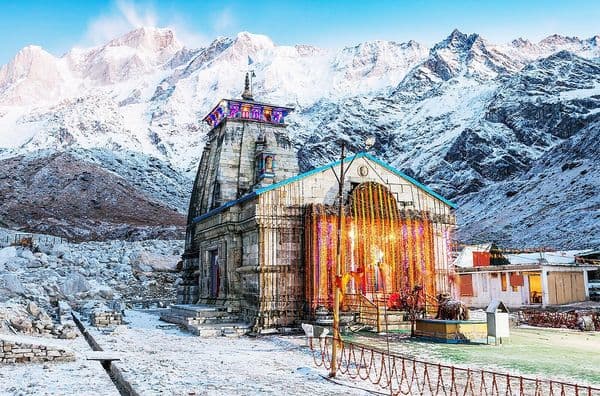
Kedarnath Temple, Uttarakhand
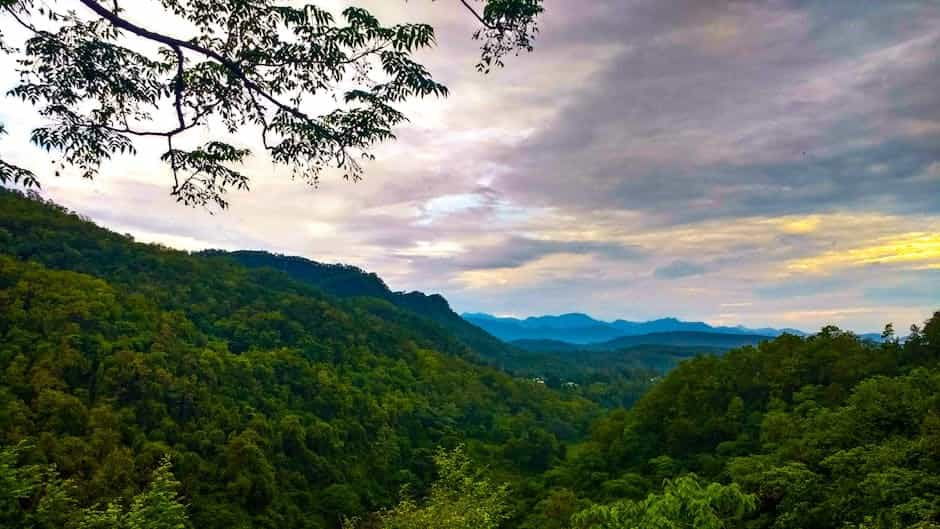
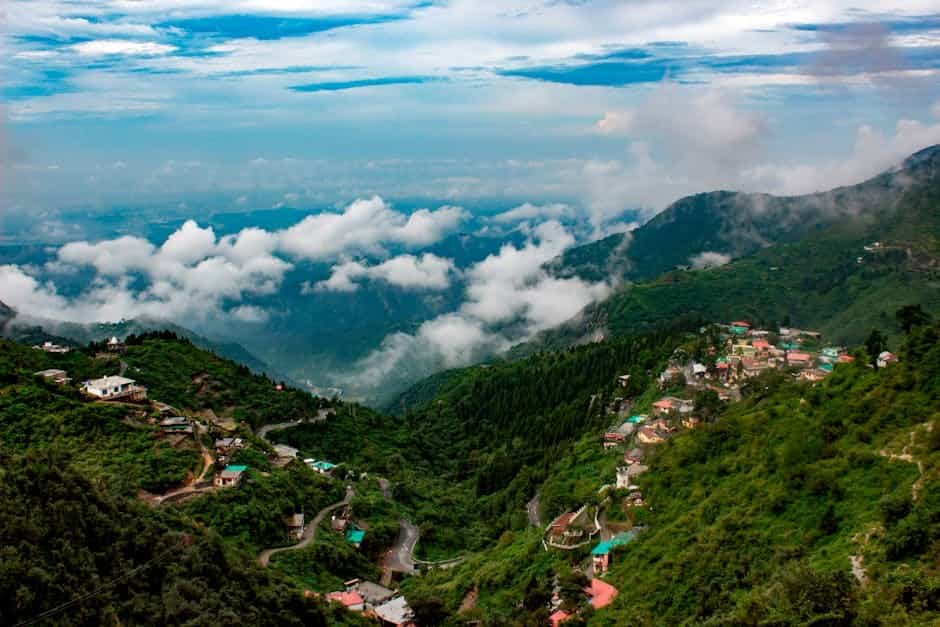
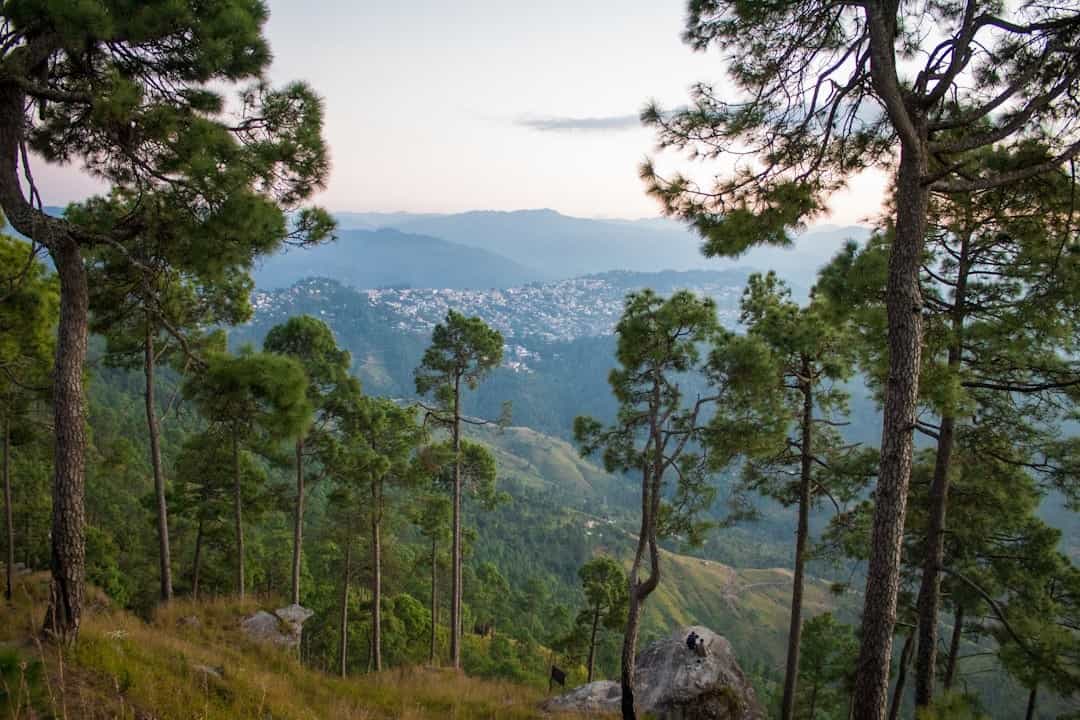
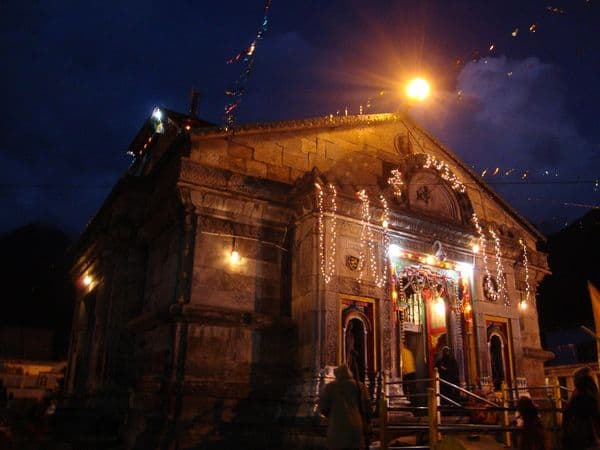
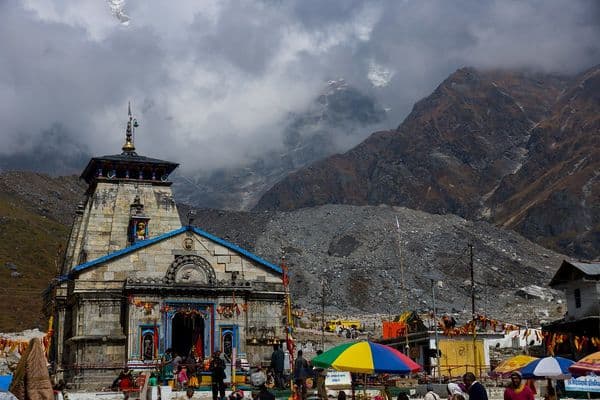
Kedarnath Temple is one of the holiest shrines dedicated to Lord Shiva in India. Situated in the Garhwal Himalayas at an altitude of about 3,583 m (11,755 ft) near the source of the Mandakini River, it is part of the Char Dham pilgrimage circuit and one of the twelve Jyotirlingas. The temple is important both religiously (major Shaiva center) and culturally (annual pilgrimage, local Kumaoni traditions). Its high-altitude, Himalayan setting also gives it significant natural importance — dramatic mountain scenery, glacial streams, and alpine ecology.
Last updated: 23 Oct 2025
Historic Anecdotes
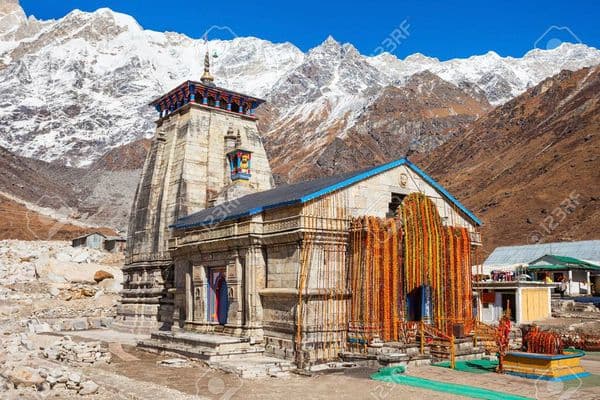
Legend of the Pandavas and Shiva: According to tradition, the Pandavas sought Shiva to atone for their sins after the Mahabharata war. Shiva eluded them by taking the form of a bull and dove into the ground; his hump surfaced at Kedarnath and other parts appeared at Bhimashankar, Rameswaram and etc., forming the Panch Kedar. Adi Shankaracharya is said to have revived the temple and established a shrine here; his samadhi is nearby. Modern legend and resilience: the temple and surrounding town survived the devastating 2013 Uttarakhand floods and landslides, and the site has since become a symbol of resilience and careful reconstruction.
Places to visit
- Kedarnath Mandir (main shrine) — ancient stone temple with the Shiva linga
- Adi Shankaracharya Samadhi — memorial close to the temple
- Bhairavnath Temple — guardian deity of Kedarnath located a short walk away
- Gandhi Sarovar (Chorabari Tal) — glacial lake about 3–4 km from the temple
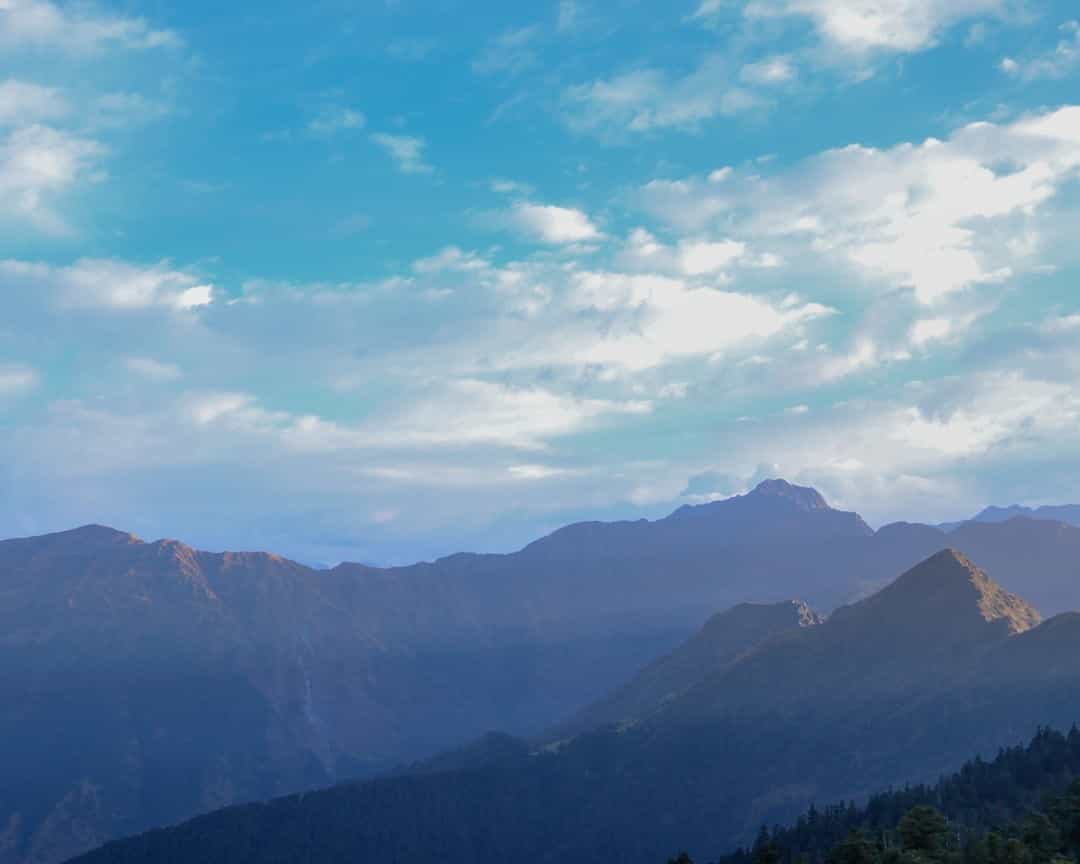
- Scenic views of Chaukhamba and surrounding peaks — dramatic Himalayan panorama
- Trek route from Gaurikund — the traditional 16 km pilgrimage trail
Unique Aspects
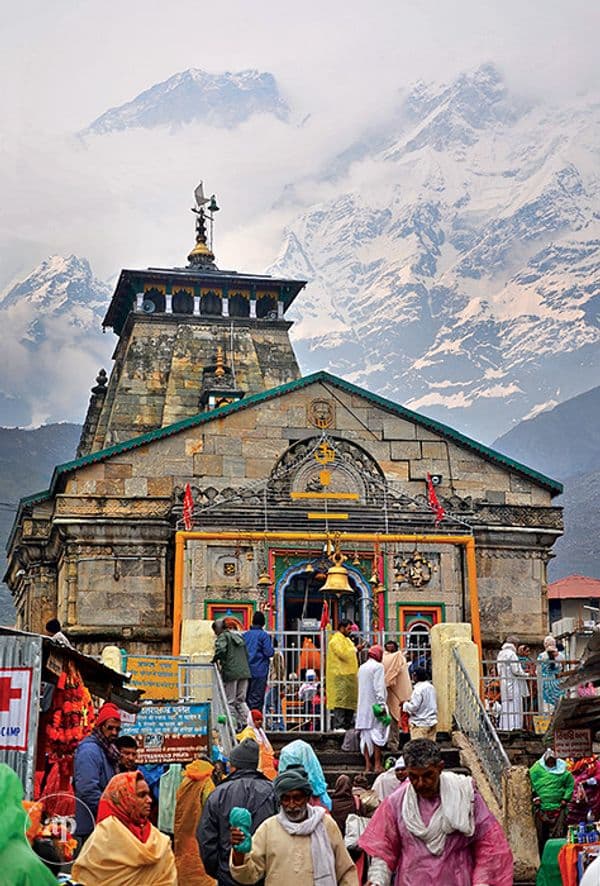
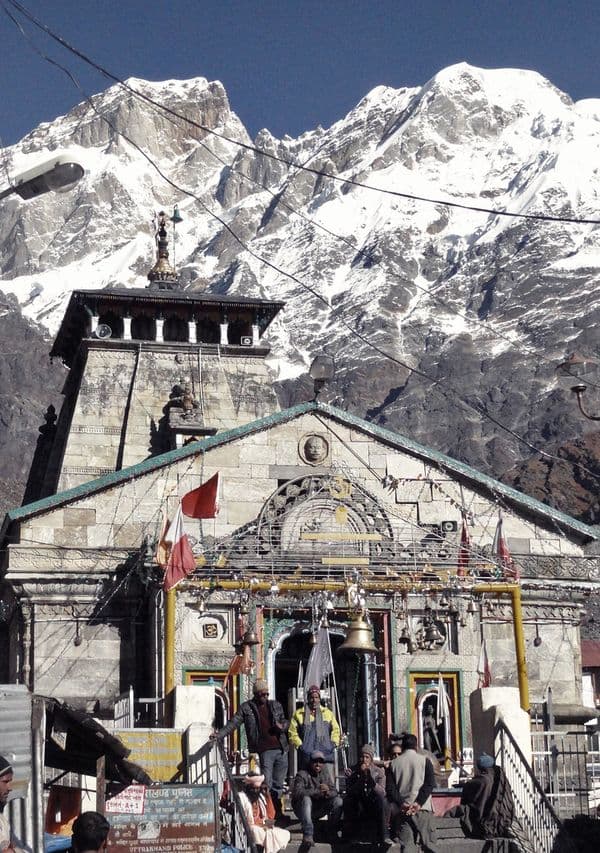
- Stone-built, ancient Himalayan temple architecture with a compact sanctum and mandapa
- High-altitude alpine environment with glaciers, rock-strewn valleys and the Mandakini river
- Seasonal accessibility (open only roughly 6 months a year) — gives a strong pilgrimage rhythm
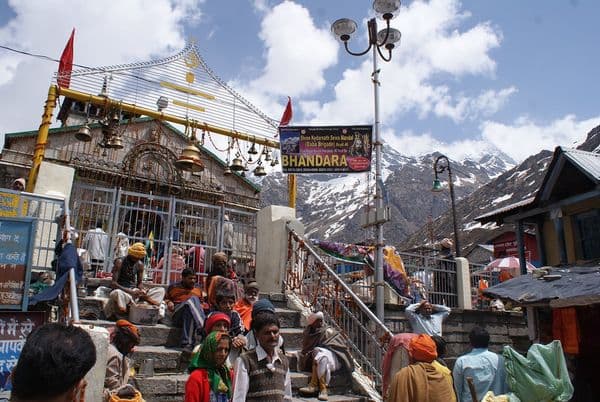
- Spiritual atmosphere with daily aarti, bhajans and continuous pilgrim flow during the season
Things to do
- Darshan and participation in morning/evening aarti
- 16 km trek from Gaurikund to Kedarnath (on foot, by pony, or by palki/porter)
- Helicopter ride (seasonal) to the Kedarnath helipad for faster access
- Visit Adi Shankaracharya samadhi and Bhairavnath temple
- Short hikes to nearby viewpoints and Chorabari Tal (Gandhi Sarovar)
- Photography of Himalayan landscapes, sunrise over the Chaukhamba peaks
Festivals & Events
- Maha Shivaratri — major festival with special worship and increased pilgrim numbers
- Opening day (Akshaya Tritiya) and closing day (Bhai Dooj/Dipawali period) celebrations
- Local religious gatherings, daily aarti and special pujas during the pilgrimage season
Best Time to Visit
Typical season: Temple generally opens in late April/May (Akshaya Tritiya) and closes in October/November (Bhai Dooj). Best months: May to June and September to early October for clearer weather. Avoid monsoon peak months (July–August) due to landslide/flood risk.
Weather Conditions
High-altitude alpine conditions — cold, potentially snowy or windy even in early/late season. Large day–night temperature swings; mornings and nights are cold. Monsoon brings heavy rain in lower reaches and increased hazard risk.
Entry Fees & Permits
There is no temple entry fee for darshan. The temple conducts morning and evening aarti; exact aarti times vary by season and local schedule. Pilgrims should check current timings and any required registrations (especially for helicopter services or organized tours).
Accessibility
Access is seasonal. Common approaches:
- Trek from Gaurikund (16 km): Gaurikund is the base village reached by road; trekkers walk, hire ponies/palkis or porters.
- Helicopter: Seasonal helipads serve Kedarnath, Phata, and Guptkashi; helicopter services operate during the pilgrimage months (book in advance).
- Nearest airport: Jolly Grant Airport (Dehradun) ~200–220 km by road to Gaurikund/Sonprayag (travel times vary).
- Nearest railheads: Rishikesh and Haridwar (then road to Sonprayag/Gaurikund). Roads go up to Sonprayag/Gaurikund; final stretch is on foot or by helicopter.
Recommended Duration
Allocate 1–2 days at Kedarnath if you plan to complete the trek and have time for darshan and short hikes; add additional days for acclimatization, weather delays, or travel to/from the base (Gaurikund/Guptkashi/Phata).
Clothing & Gear Tips
Warm layered clothing (thermal base, insulating mid-layer, windproof/waterproof outer layer), sturdy hiking boots with ankle support, warm gloves, wool hat, sunglasses, sunscreen, trekking pole, light daypack, rain cover, personal medication and basic first-aid, water purification tablets or bottles.
Local Food & Souvenirs
Simple Kumaoni/Tibetan-style meals at local eateries: dal, rice, roti, vegetable curries, momos, noodles. Prasad and local sweets at the temple. Souvenirs include woollen shawls and caps, Rudraksha beads, religious pictures/statues, and locally made handicrafts.