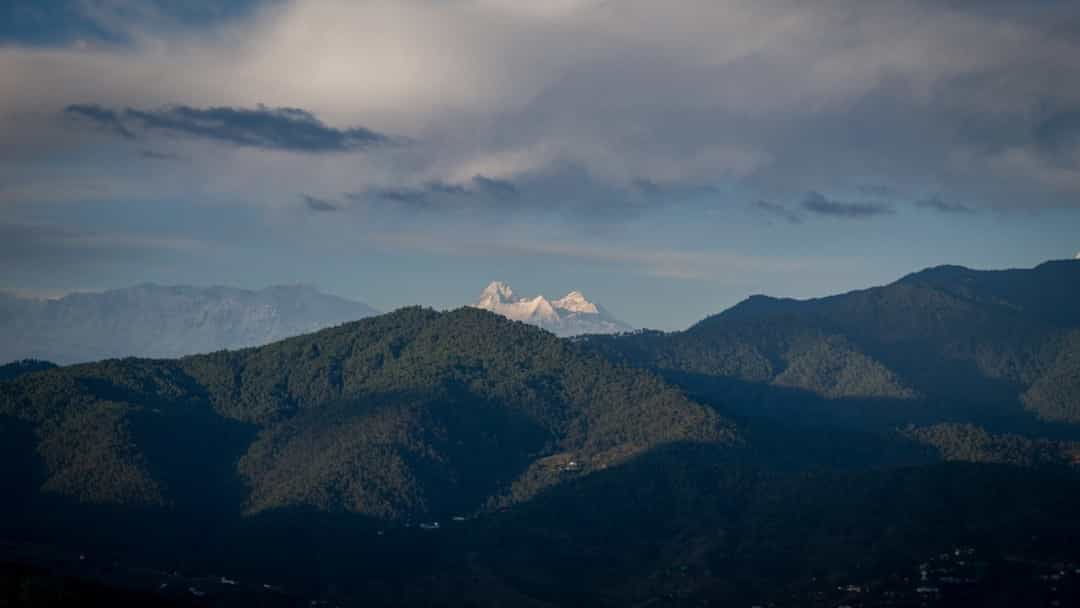
Kedarnath Wildlife Sanctuary, Uttarakhand
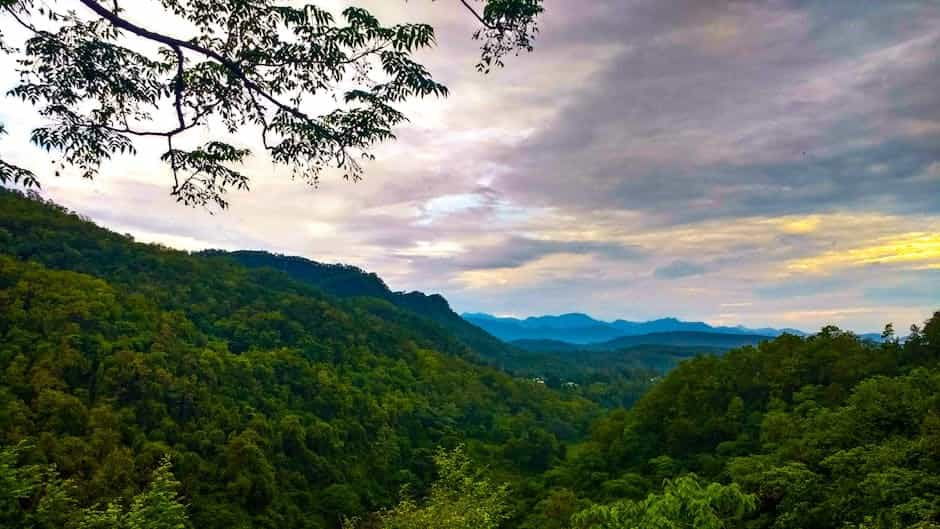
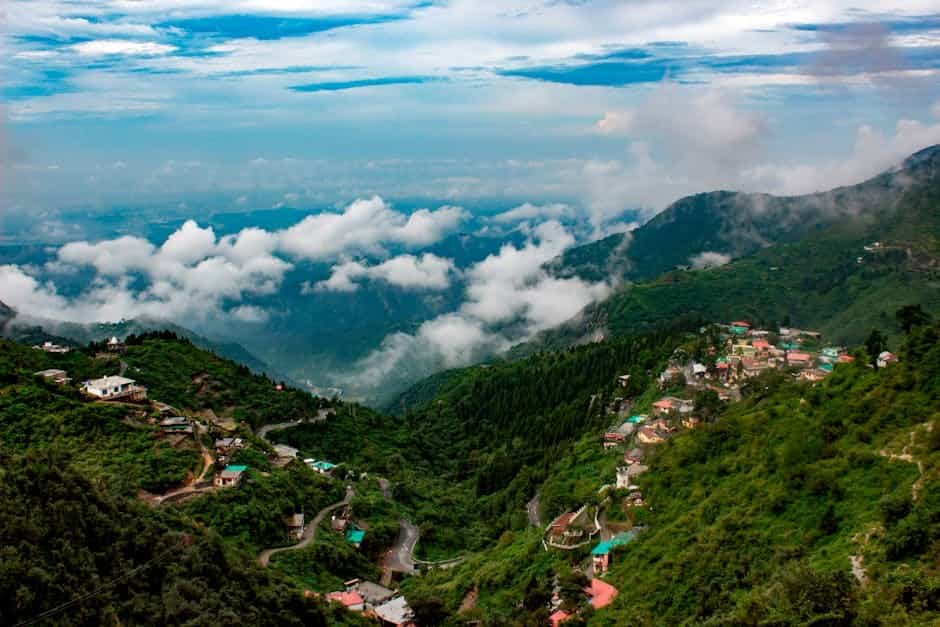
Kedarnath Wildlife Sanctuary lies in the high Garhwal Himalaya of Uttarakhand and surrounds the sacred Kedarnath pilgrimage area. It is important both culturally — because it embraces the famous Kedarnath Temple (a major site in the Char Dham/Chota Char Dham pilgrimage) — and naturally, as a high‑altitude Himalayan ecosystem that protects forests, alpine meadows, glaciers and the headwaters of the Mandakini river. The sanctuary supports important Himalayan wildlife and plant communities and forms part of the region's network of protected areas that conserve biodiversity and watershed values.
Last updated: 23 Oct 2025
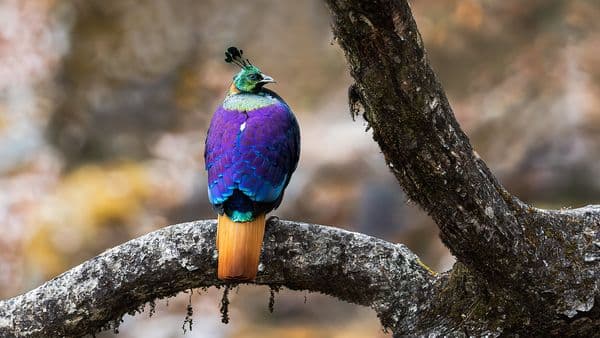
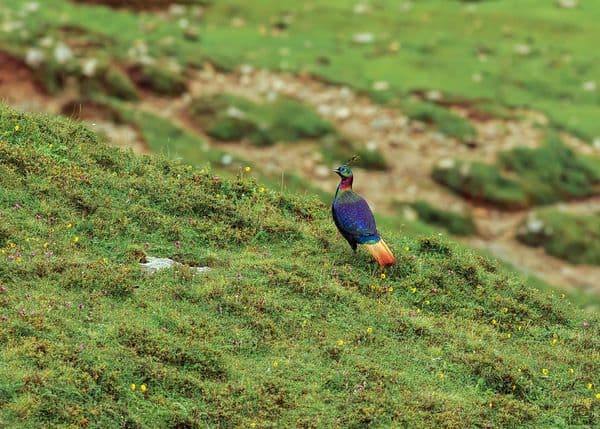
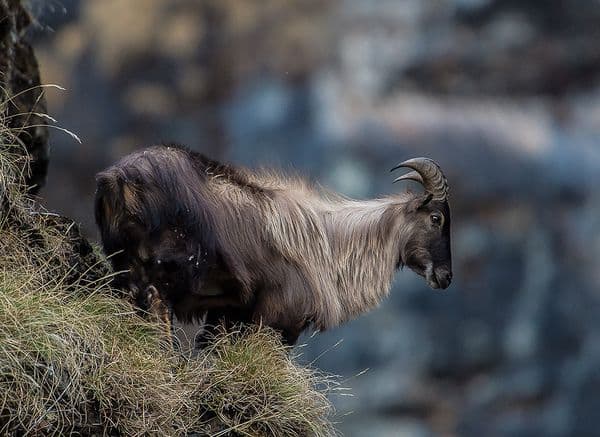
Places to visit
- Kedarnath Temple and its surroundings (pilgrimage hub)
- Mandakini River and its scenic valley
- Alpine meadows and high‑altitude pastures (bugyals)
- Chorabari Glacier / Gandhi Sarovar (vicinity attractions)
- Trekking routes (Gaurikund → Kedarnath; side treks to Vasuki Tal)
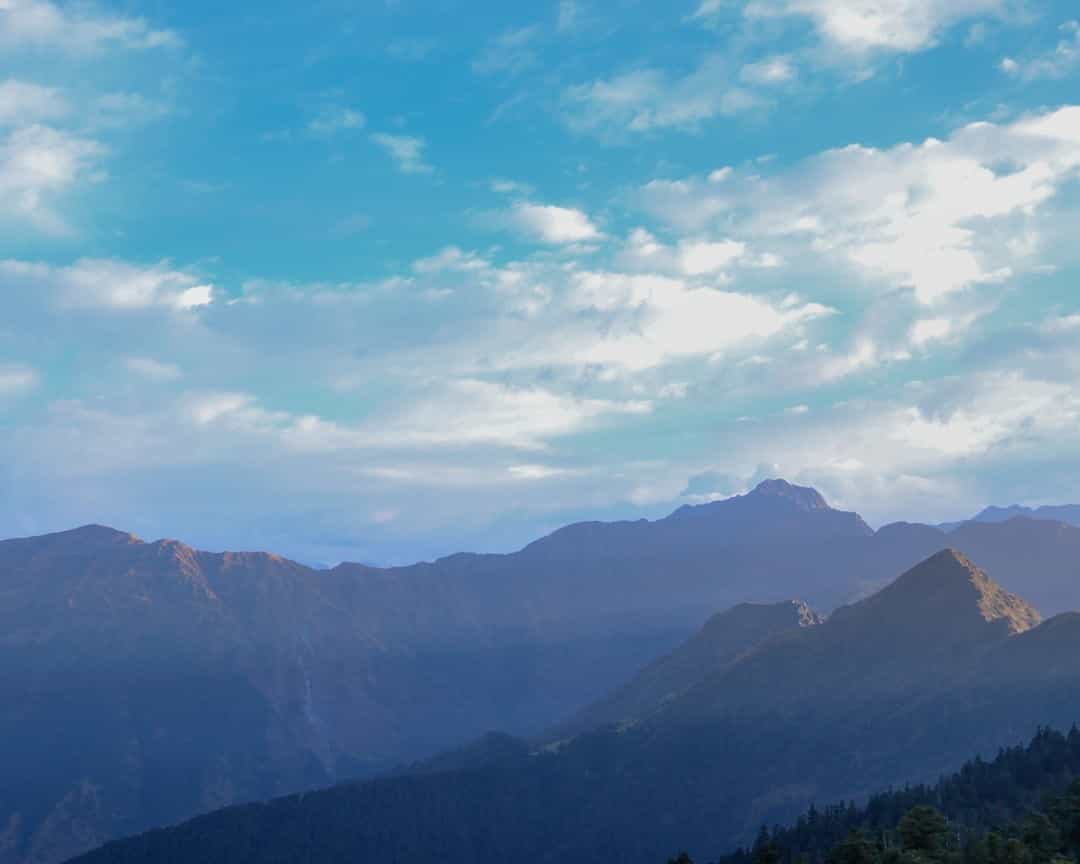
- Panoramic Himalayan views and sunrise/sunset vistas
Unique Aspects
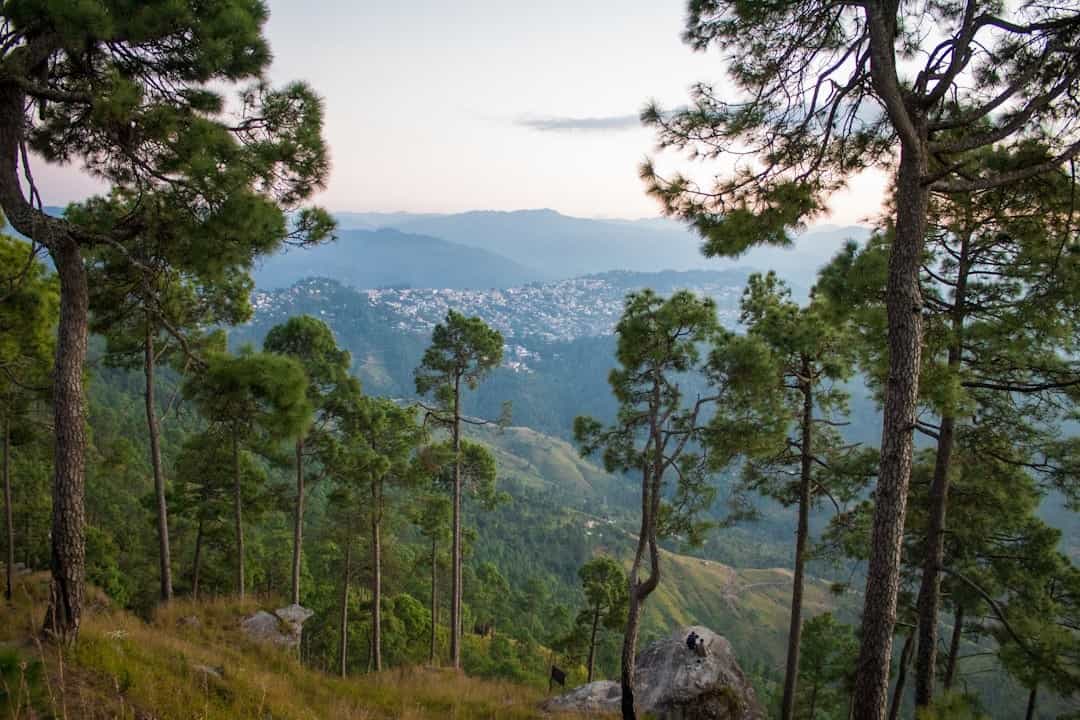
- High‑altitude Himalayan ecosystems: coniferous forests, rhododendron belts, alpine meadows
- Wildlife typical of the western Himalaya: species adapted to steep, rocky and snowy terrain
- Important watershed and glacier headwaters (Mandakini river basin)
- Combination of sacred cultural landscape and protected natural area
Things to do
- Pilgrimage to Kedarnath Temple (seasonal — main yatra season in summer)
- Trekking and short hikes (Gaurikund → Kedarnath ~16 km trek)
- Wildlife and birdwatching (early morning and dusk are best)
- Nature and landscape photography
- Camping in permitted areas (seasonal and regulated)
- Guided nature walks with local guides
Best Time to Visit
May to June and September to early October (open season for pilgrims and visitors). The sanctuary and approaches are generally closed in peak winter due to heavy snowfall and road/track blockages.
Weather Conditions
Alpine climate: cool to cold even in summer at higher elevations, warm to mild in lower approach valleys. Sudden weather changes and snow are possible; winters are severe with heavy snowfall and sub‑zero temperatures.
Accessibility
Nearest major airport: Jolly Grant Airport (Dehradun, ~220–250 km by road depending on route). Nearest railheads: Haridwar or Rishikesh (road onward). Road access goes to Gaurikund or Sonprayag, then a trek of about 16 km to Kedarnath (horses, palanquins and porter services are available). Helicopter services operate seasonally to the Kedarnath helipad from Phata/Guptkashi and nearby helipads, subject to weather and permits. Internal travel often involves narrow mountain roads; allow extra time for delays.
Recommended Duration
2–3 days for a focused Kedarnath visit from the nearest motorable point (Gaurikund/Sonprayag) or 3–5 days if including acclimatization, side treks (Vasuki Tal, Chorabari), and exploration of nearby valleys.
Clothing & Gear Tips
Layered clothing (base, insulating fleece, waterproof outer shell), warm hat and gloves, sturdy waterproof trekking shoes, sunglasses and sunscreen (strong UV at altitude), walking poles, basic first‑aid and altitude‑illness awareness, water purification tablets or bottled water. Carry ID and any permits.
Local Food & Souvenirs
Food options in the sanctuary approaches and Kedarnath are basic mountain fare—rice, lentils, simple vegetables, and temple prasad for pilgrims. Carry snacks and high‑energy food for treks. Souvenirs include local woollens, prayer beads (rudraksha sold locally), small religious items, and locally produced herbal products. Support local vendors and respect cultural norms.