Mana, Uttarakhand
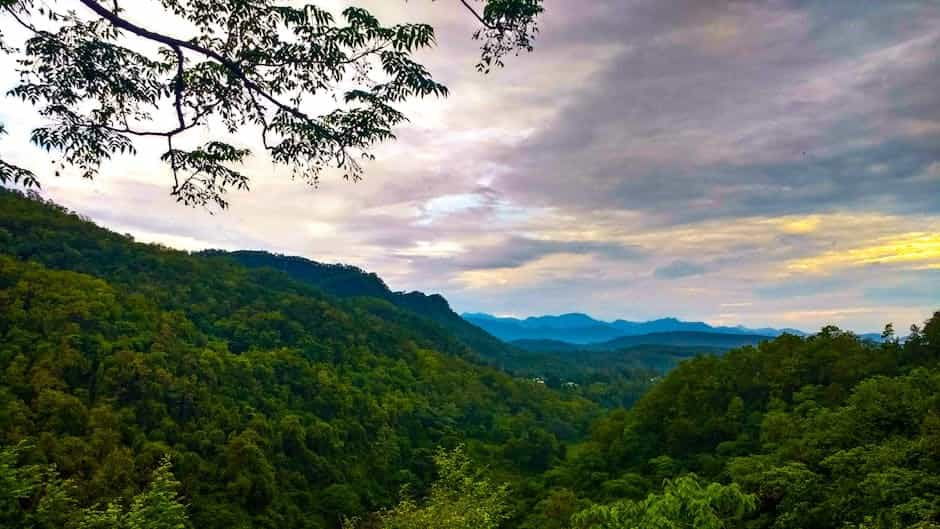
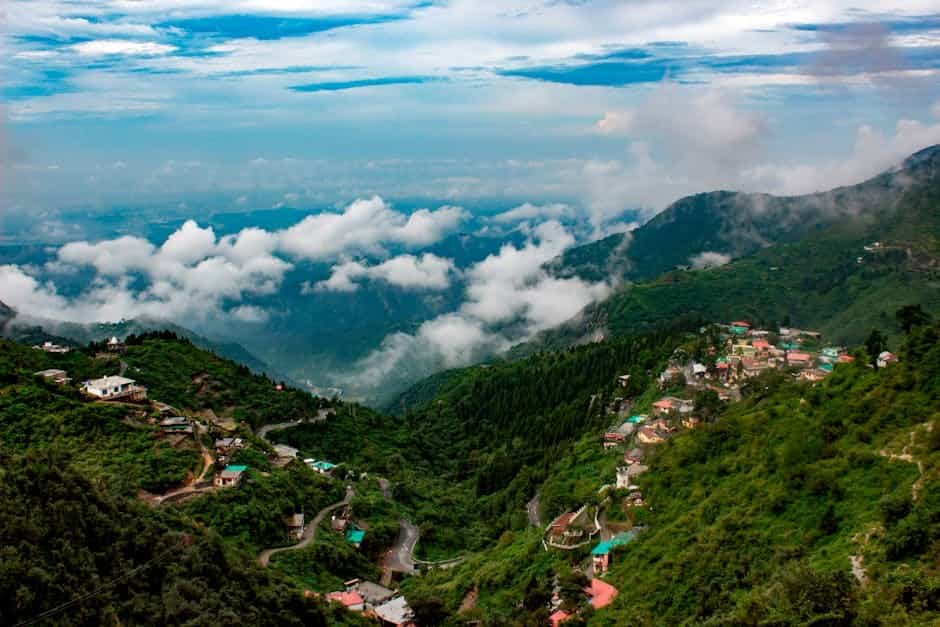
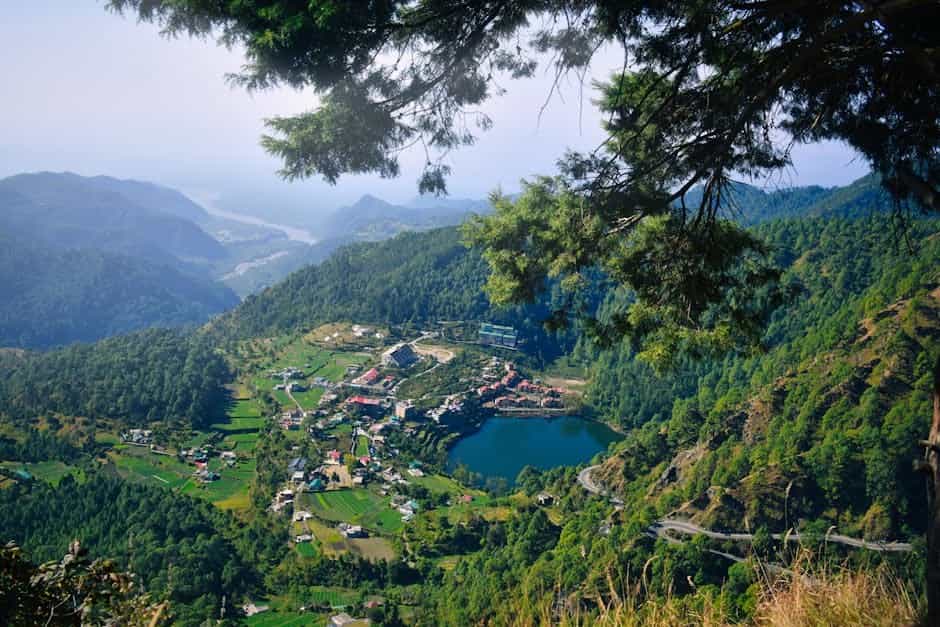
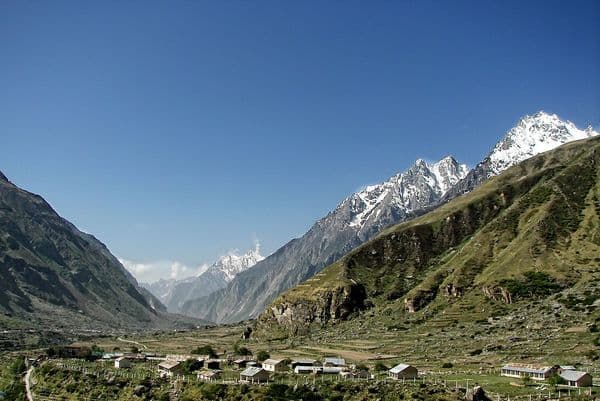
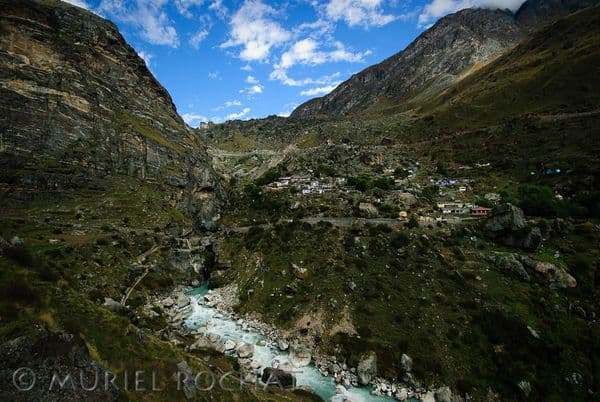
Mana is the last Indian village before the Indo-Tibetan border and sits just above the Badrinath temple complex. It is important culturally as a traditional Himalayan settlement with strong Tibetan influences and as the gateway for pilgrims visiting Badrinath (one of the Char Dham). Naturally, Mana lies in a high-altitude Himalayan landscape with scenic river valleys (the Saraswati and Alaknanda), nearby glaciers and passes (Saraswati Kund, Mana Pass) and waterfalls (Vasudhara), making it significant for both pilgrimage and mountain ecology.
Last updated: 23 Oct 2025
Places to visit
- Mana Village (traditional houses and Tibetan-influenced culture)
- Bheem Pul (Bhima's Bridge) and the rock formations near the Saraswati river
- Ganesh Gufa (a cave associated with Lord Ganesh)
- Vyas Gufa (meditation cave of sage Vyasa)
- Saraswati Kund (sacred water spring near the river source)
- Vasudhara Falls (a scenic waterfall accessible by trek)
- Mana Pass (high-altitude pass and panoramic views — seasonal, and requires permits to access beyond certain points)
Unique Aspects
- High-altitude Himalayan village atmosphere with prayer flags, traditional architecture and mountain agriculture
- Close proximity to the Badrinath temple complex — pilgrims often visit both in one trip
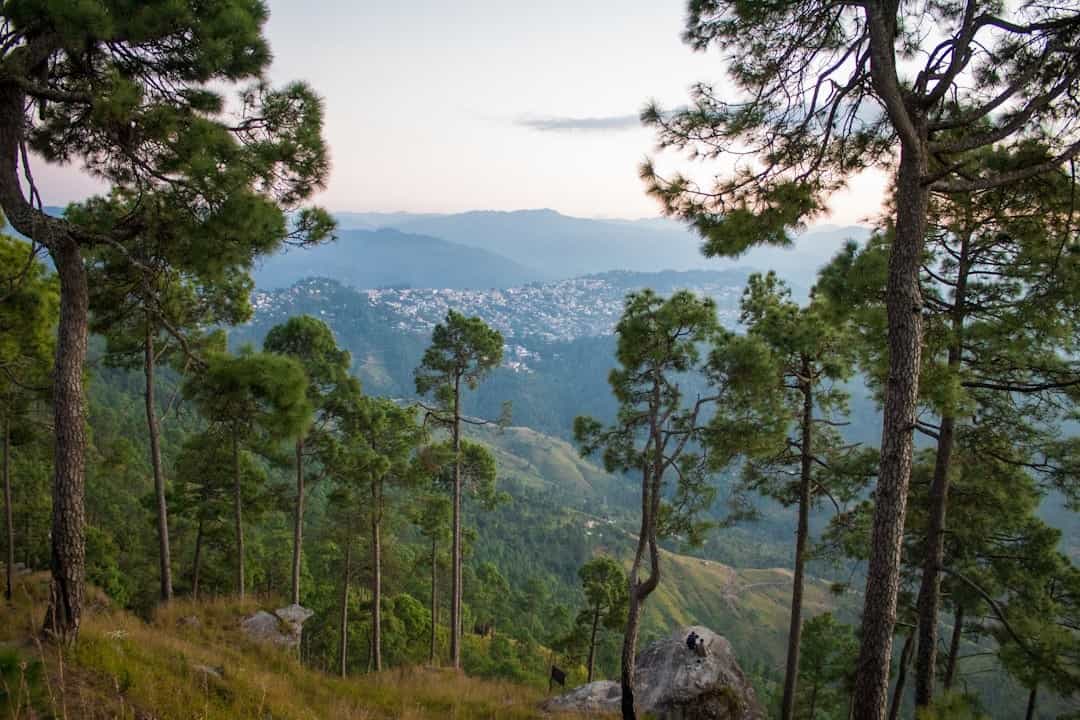
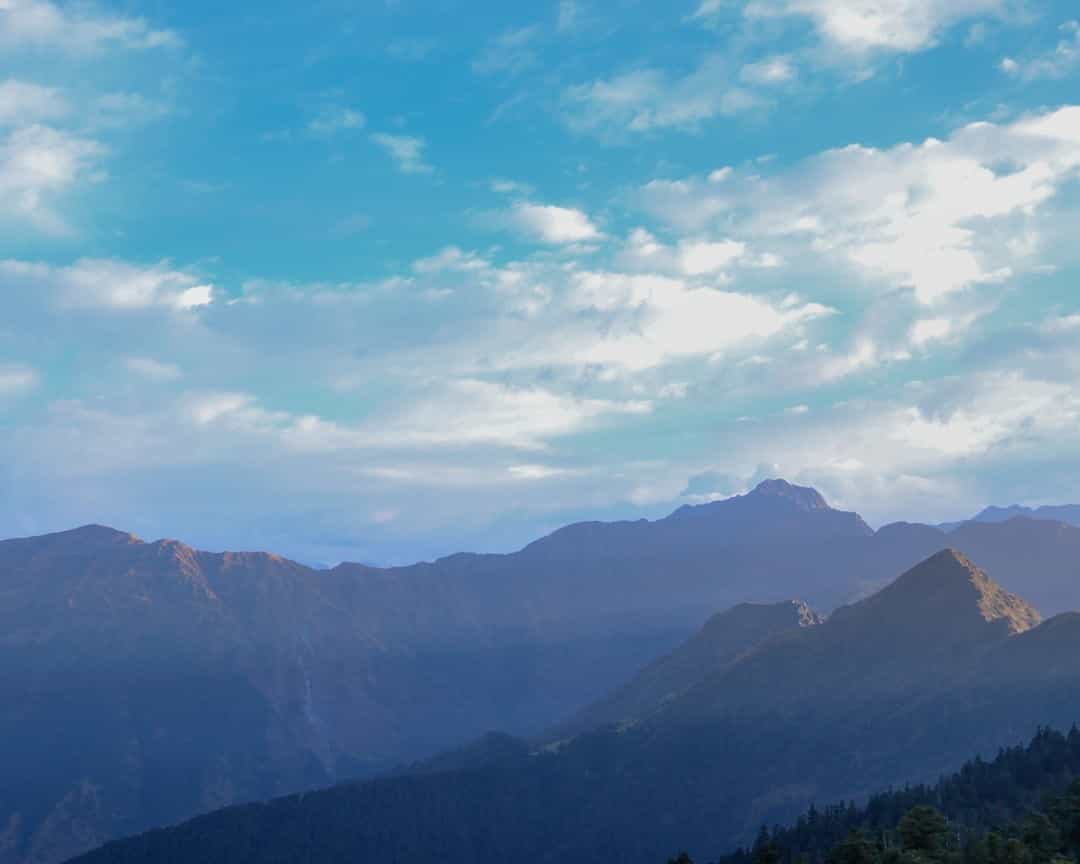
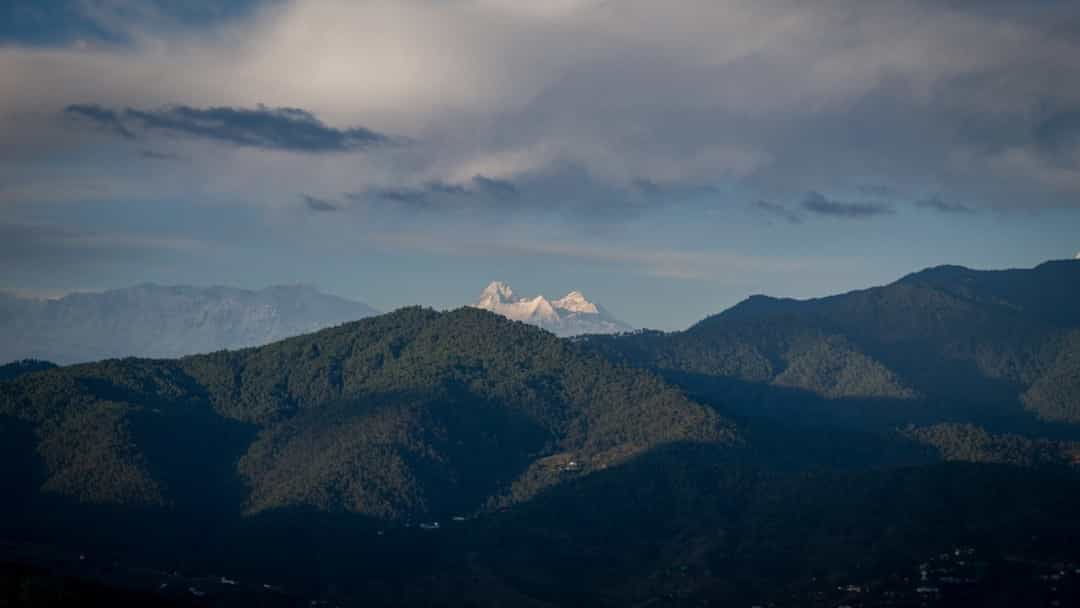
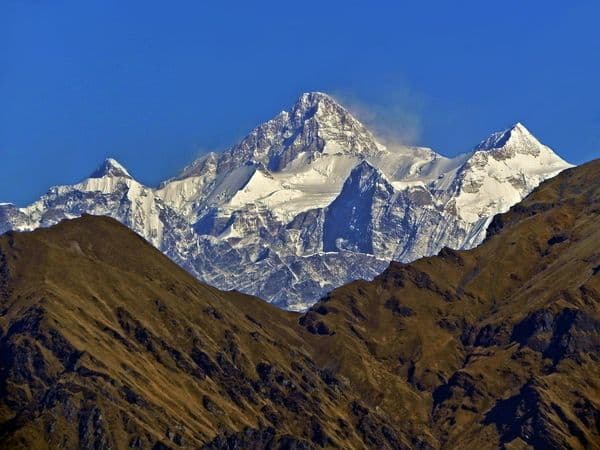
- Stunning views of snow-clad peaks and valley vistas, especially at sunrise/sunset
- Access to short and moderate treks (Vasudhara, Saraswati river trails) and opportunities for high-altitude exploration
Things to do
- Pilgrimage visit to nearby Badrinath Temple and attending local rituals
- Walking and short treks: Vasudhara Falls, Saraswati Kund, and nearby trails
- Exploring caves and rock formations: Ganesh Gufa, Vyas Gufa, Bheem Pul
- Photography of mountain scenery, village life and sunrise over the peaks
- Interacting with local residents and exploring small shops selling handicrafts and local produce
Festivals & Events
- Badrinath Temple opening and closing ceremonies (seasonal events marking the pilgrimage season)
- Local religious observances and pujas linked to the temple calendar (dates vary with the Hindu lunar calendar)
- Occasional fairs and market activity during peak pilgrimage months (May–June and Sept–Oct)
Best Time to Visit
Mid-May to early June and September to mid-October are the most comfortable months — pilgrimage season and generally clearer weather. Summer (May–June) is popular; monsoon (July–August) brings heavy rain and landslide risk; winter (November–April) Mana is snowbound and roads are closed.
Weather Conditions
Alpine climate: cool to mild days (around 5–20°C in the summer season depending on altitude) and cold nights (near or below freezing at night). Sudden weather changes and strong sunlight at altitude are common.
Accessibility
Motorable road reaches the Badrinath–Mana area during the pilgrimage season. Nearest major transport hubs: Jolly Grant Airport (Dehradun) and railheads at Rishikesh/Haridwar (all are several hours away by road). The nearest larger town and road-head for onward services is Joshimath; many visitors travel via road from Rishikesh/Haridwar/Dehradun to Joshimath and then to Badrinath/Mana. Roads can be narrow; landslides and closures may occur during monsoon and winter.
Recommended Duration
A quick visit can be half a day to 1 day if combined with Badrinath; allocate 2–3 days to include treks like Vasudhara Falls and to acclimatize comfortably.
Clothing & Gear Tips
Warm layered clothing, windproof jacket, sturdy trekking shoes, rainproof outer layer (during monsoon), sunglasses and high-SPF sunscreen, and a hat. Carry basic altitude sickness medicines and a small first-aid kit.
Local Food & Souvenirs
Simple Kumaoni and Garhwali mountain food and snacks are available in guesthouses and stalls (dal, rice, local breads, soups). Popular souvenirs include handicrafts, woolens, prayer flags, and religious items from local shops. Carry cash as ATMs are limited and card facilities may be unreliable.