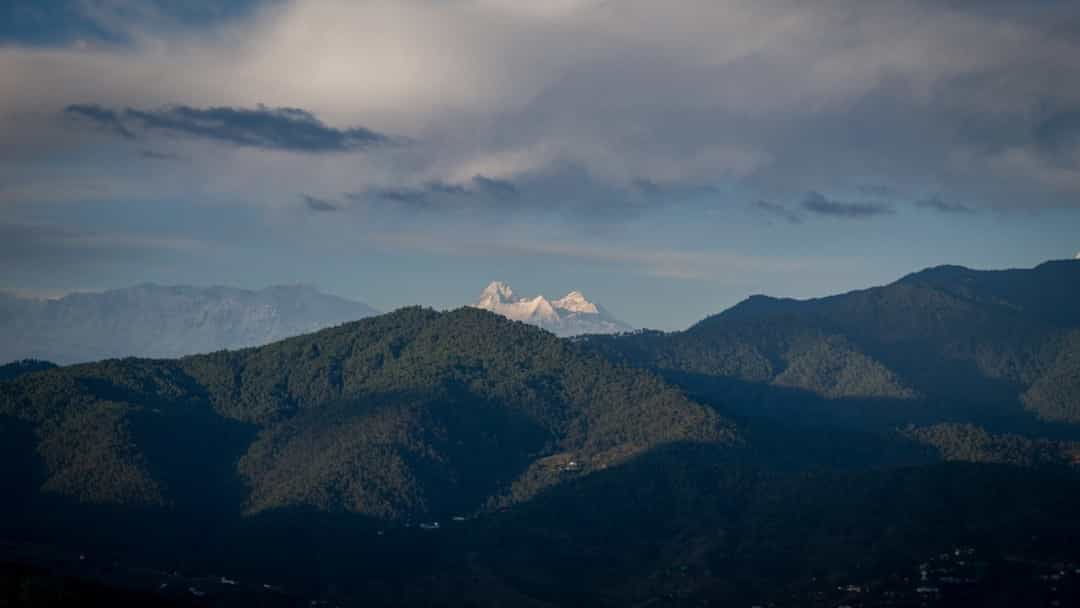
Nanda Devi, Uttarakhand
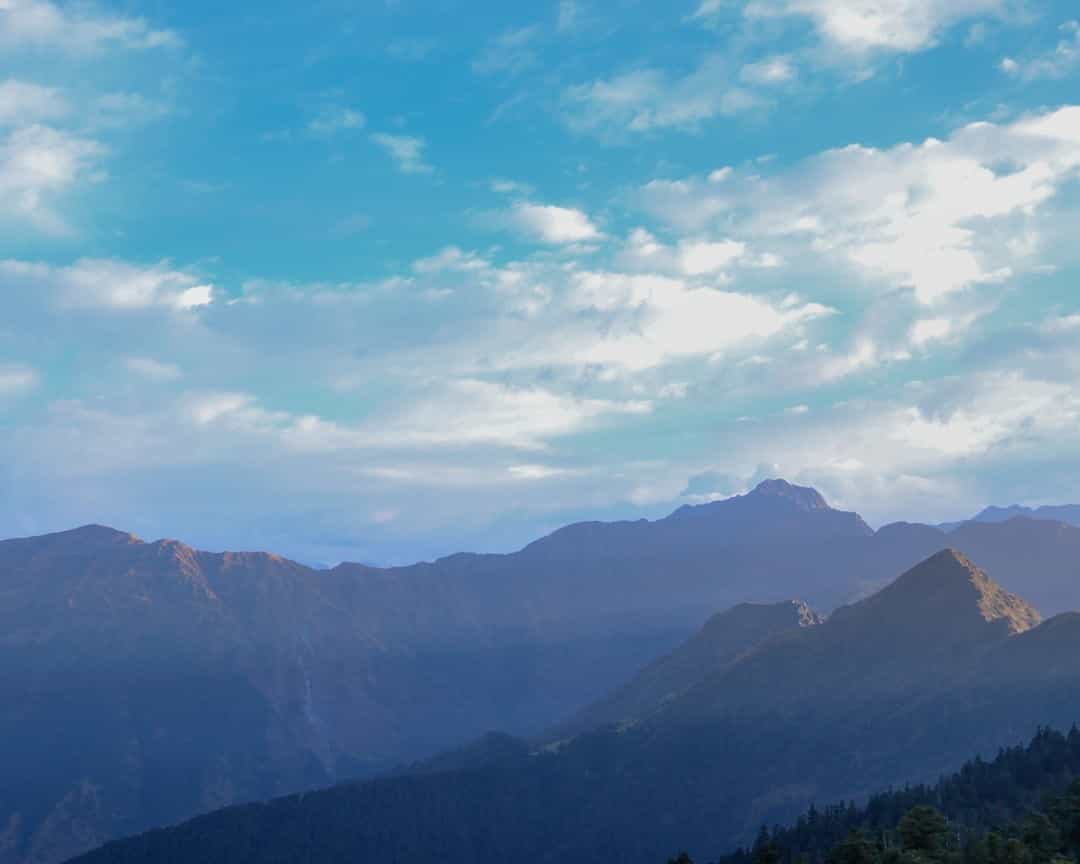
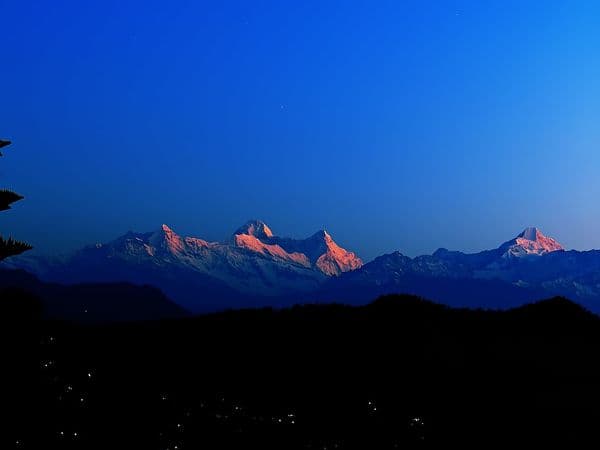
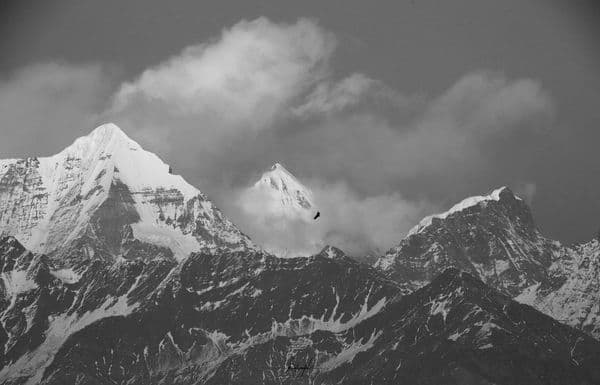
Nanda Devi is the second-highest mountain in India (7,816 m) and the highest located entirely within the country. The Nanda Devi massif and surrounding region form the core of Nanda Devi National Park, a UNESCO World Heritage Site noted for its unique alpine flora and fauna, dramatic topography, and glacial systems. The area holds deep spiritual significance for local communities; Nanda Devi is considered a manifestation of the goddess Nanda, revered in Kumaoni and Garhwali traditions. Historically, the peak was a focus of early Himalayan exploration and mountaineering—its 1936 ascent by H.W. Tilman and Noel Odell marked a major achievement. The restricted access zone and subsequent conservation efforts reflect its ecological sensitivity and cultural importance.
Last updated: 23 Oct 2025
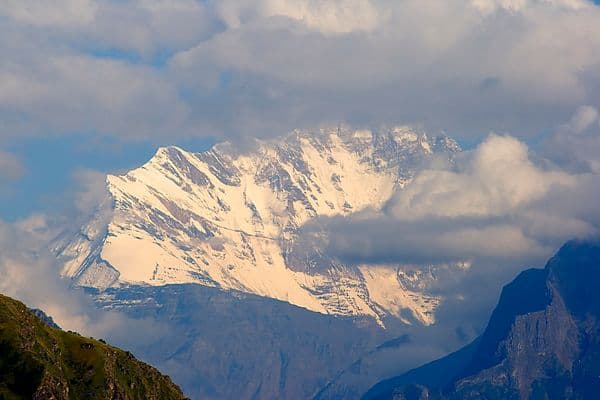
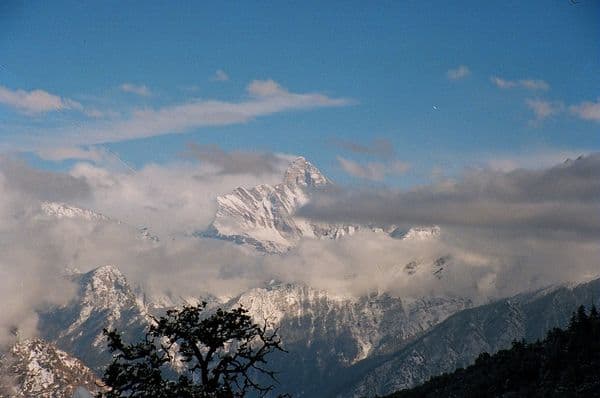
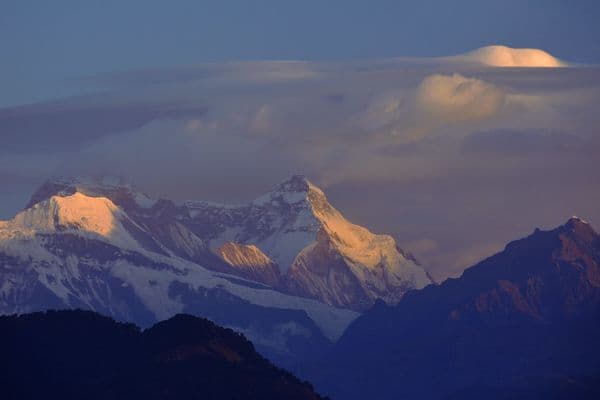
Places to visit
- Nanda Devi Peak (7,816 m) - the central magnificence of the massif
- Nanda Devi National Park (UNESCO World Heritage Site)
- Valley of Flowers (adjacent and often visited together)
- Inner Sanctuary (historic restricted zone, reached via permits)
- Rishi Ganga Gorge and Tapovan meadows
- Nanda Devi Raj Jat pilgrimage route
Unique Aspects
- Dramatic granite-walled cirque (Inner Sanctuary) surrounded by high peaks
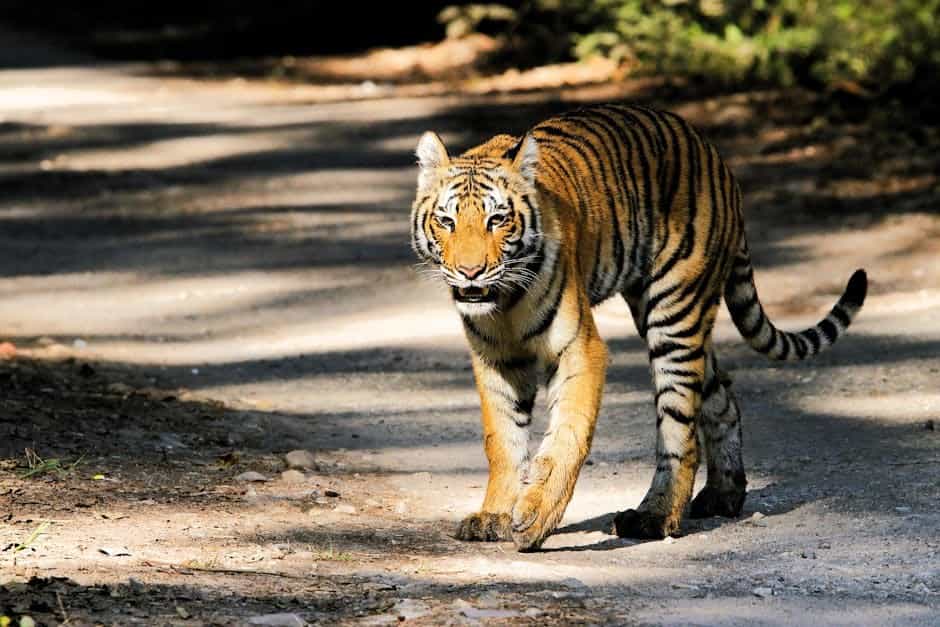
- Rich alpine biodiversity — endemic plants, Himalayan musk deer, snow leopard habitat
- Glacial systems feeding key Himalayan rivers
- Seasonal alpine meadows carpeted with wildflowers (especially in summer)
- Distinct cultural landscape shaped by Kumaoni and Garhwali traditions
Things to do
- Trekking (approach treks around Nanda Devi National Park and to viewpoints)
- Guided nature walks and wildlife viewing (with permitted guides)
- Photography of alpine scenery and wildflowers
- Cultural experiences in nearby Kumaon villages and attending local festivals
- High-altitude mountaineering (expedition-grade climbs with extensive permits)
Best Time to Visit
Best time: Mid-May to October for trekking and access; late June to September for maximum wildflower displays in adjacent Valley of Flowers. Winter (Nov–Apr) is extremely cold and most high passes are closed.
Weather Conditions
Alpine mountain climate: cool to warm at lower approach elevations in summer, cold and snowy higher up. Daytime temperatures in trekking season typically range from 5°C to 20°C depending on altitude; nights can be near freezing or below at higher camps. Sudden storms, heavy rain (monsoon influence), and rapid temperature drops are possible.
Accessibility
Primary access points: Joshimath and Munsiyari (depending on approach). Nearest major rail head: Kathgodam (approx. 300+ km depending on route). Nearest airports: Jolly Grant Airport, Dehradun (approx. 270–300 km by road) and Pantnagar (closer for some Kumaon approaches). Road access involves mountain roads with long drive times; trekking required for inner areas. Specialized permits and guided entry required for core zones.
Recommended Duration
For a thorough visit including treks and acclimatization: 7–14 days. Shorter visits to nearby viewpoints or Valley of Flowers can be 3–5 days.
Clothing & Gear Tips
Layered clothing for alpine conditions (base layers, insulating mid-layers, waterproof outer shell), sturdy trekking boots, warm hat and gloves, sun protection (sunglasses, SPF), walking poles, rain gear, and high-altitude sleeping bag for overnight treks. For climbing expeditions, technical mountaineering gear and guided support are essential.
Local Food & Souvenirs
Kumaoni and Garhwali dishes such as bhatt ki chokha, mandua (ragi) rotis, aloo ke gutke; local sweets and dairy products. Souvenirs: handloom woolens, shawls, local handicrafts, and religious mementos related to Nanda Devi. Support community-run homestays and local guides to contribute to eco-friendly tourism.