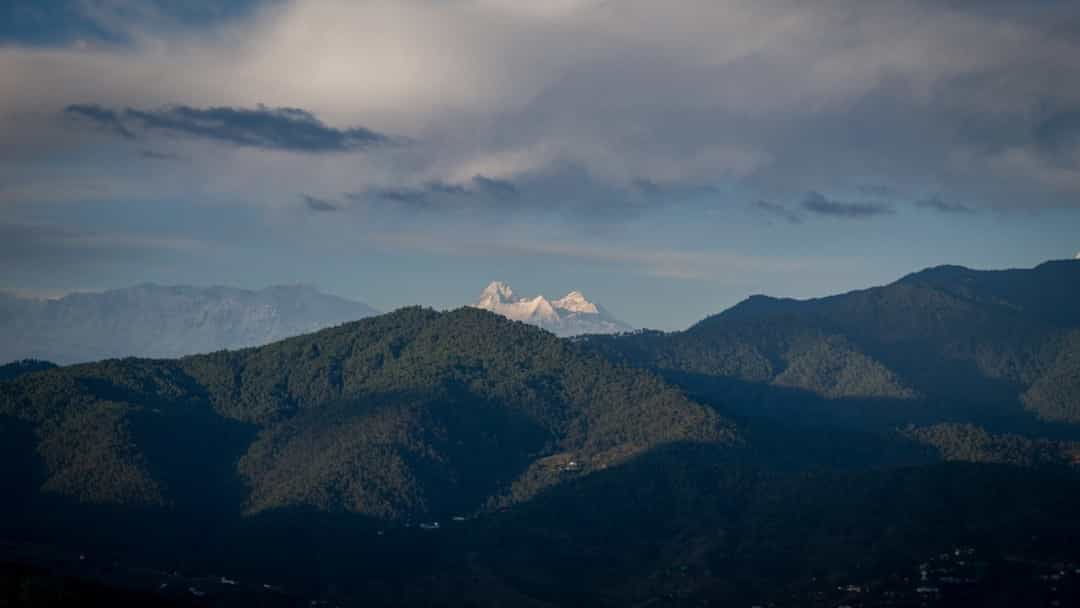
Neelkanth Mahadev Temple, Uttarakhand
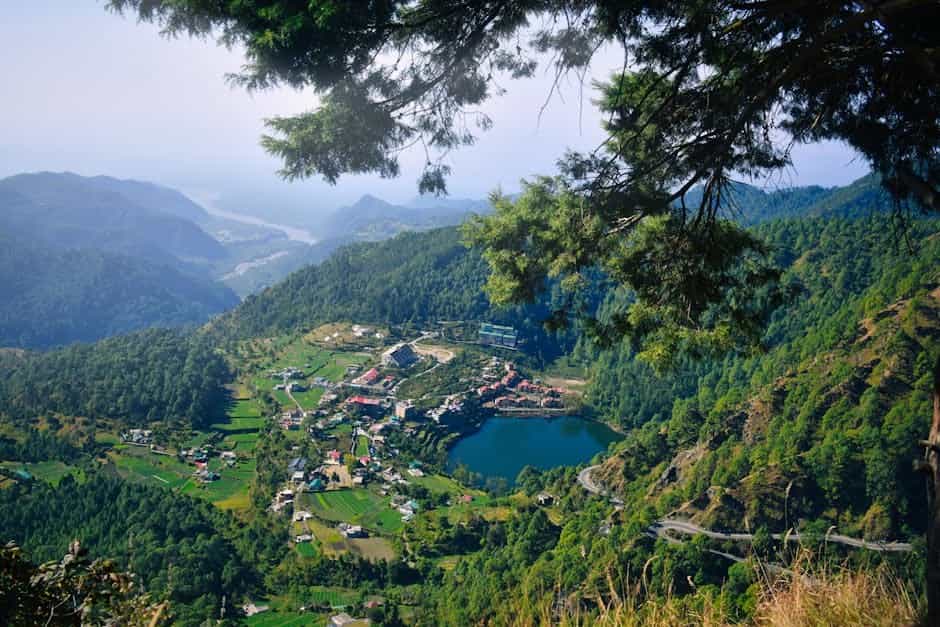
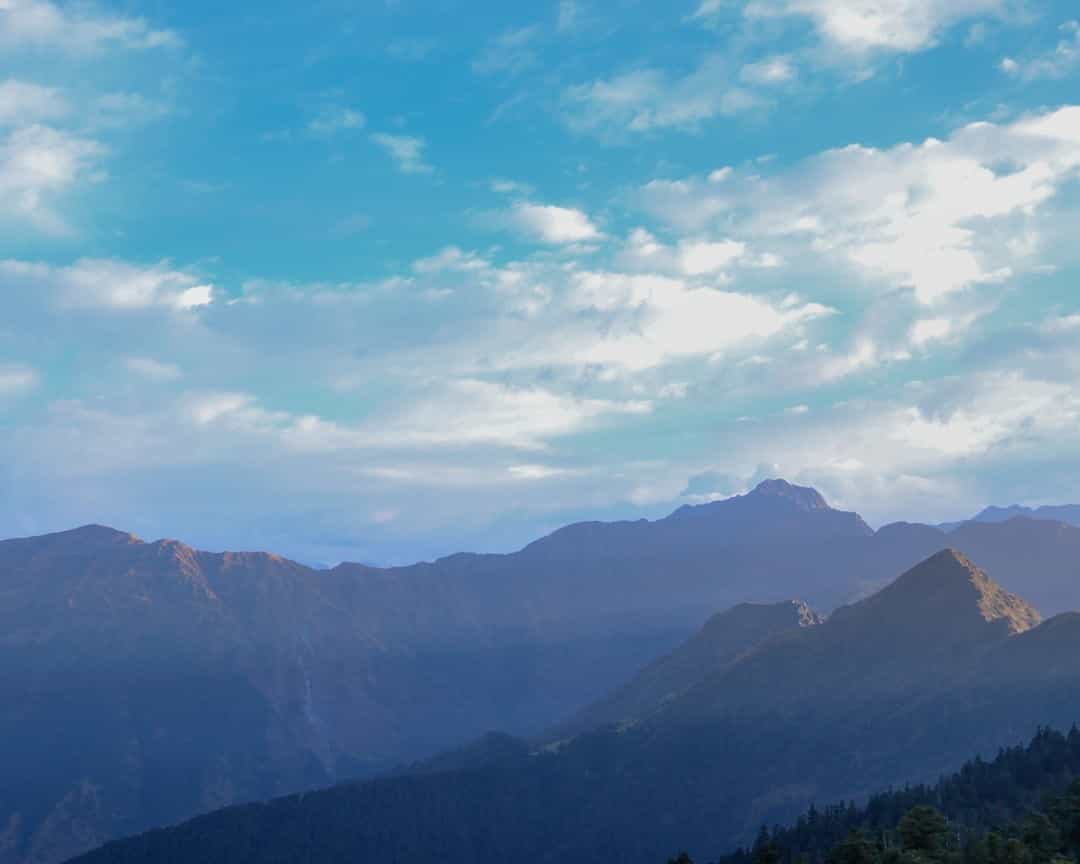
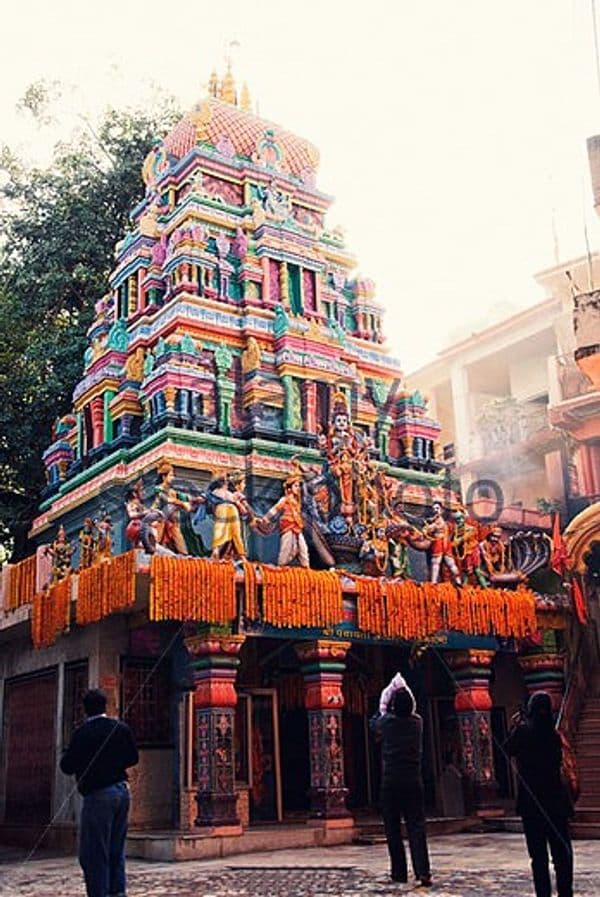
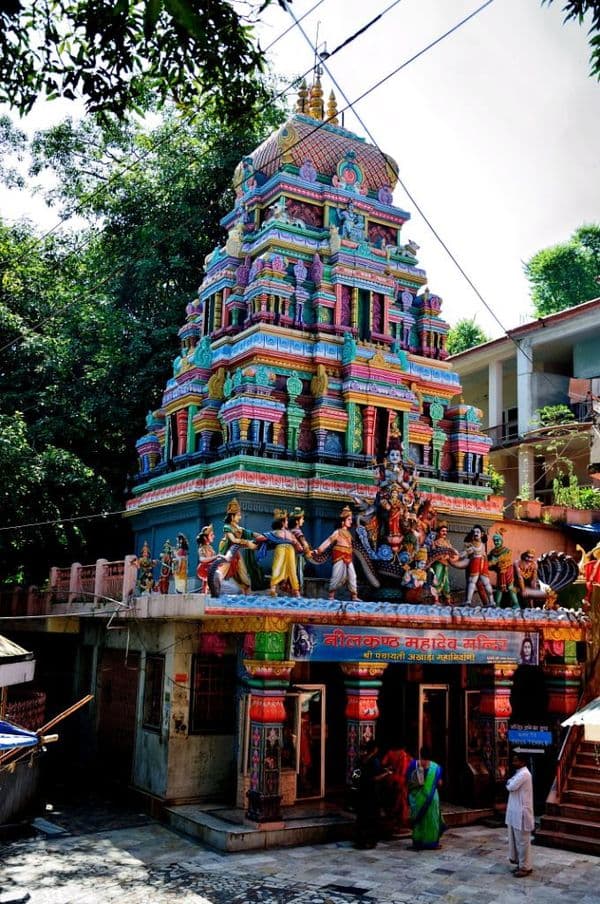
Neelkanth Mahadev Temple is a revered Hindu shrine dedicated to Lord Shiva, located in the Garhwal Himalaya near Rishikesh, Uttarakhand. The site is important religiously as it commemorates the spot where, according to Hindu mythology, Lord Shiva drank the deadly Halahala poison that emerged during the Samudra Manthan (churning of the ocean) to save the universe. The place combines spiritual significance with natural beauty — it is set amid dense Himalayan forest and offers panoramic views of the surrounding valleys and peaks. The temple is a focal point for pilgrims from across India, especially during Shravan and Maha Shivaratri.
Last updated: 23 Oct 2025
Historic Anecdotes
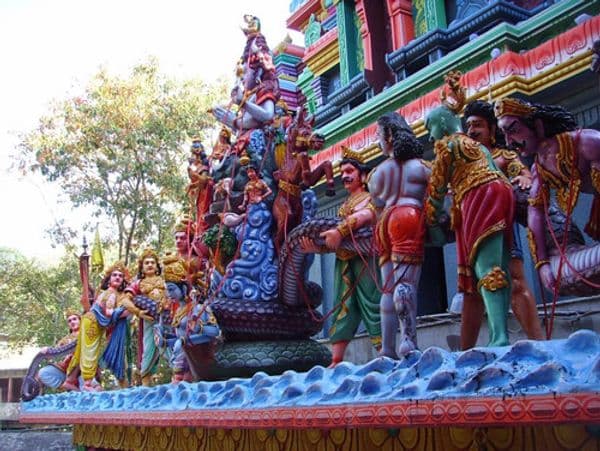
The chief legend associated with Neelkanth Mahadev is from the Samudra Manthan: when poison (Halahala) appeared, Lord Shiva consumed it to protect the cosmos. Parvati is said to have held him and prevented the poison from spreading, turning his throat blue — hence the name 'Neelkanth' (the blue-throated one). It is believed that Shiva later retreated to this secluded spot to meditate and cool himself. Local lore also speaks of the sanctity of nearby springs and the protective presence of the surrounding forest.
Places to visit
- The main sanctum with the Shiva linga (Neelkanth Mahadev) and the temple complex
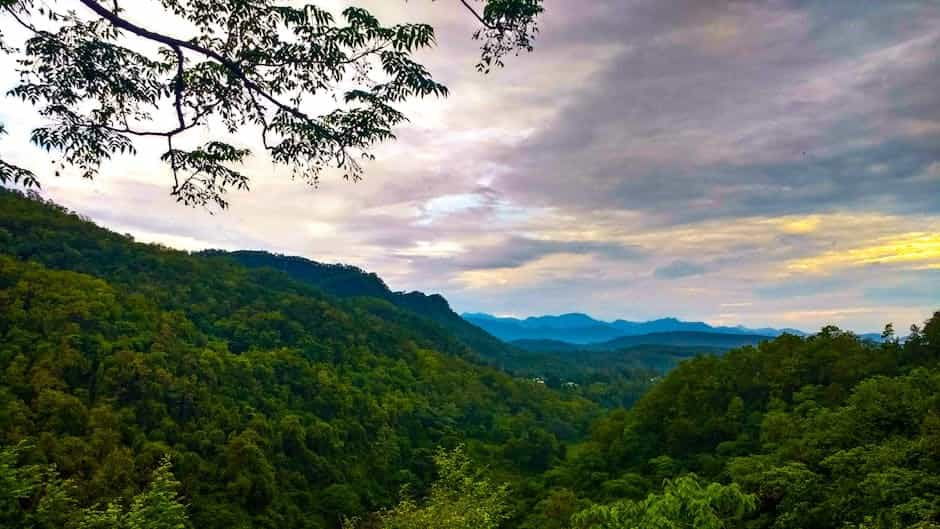
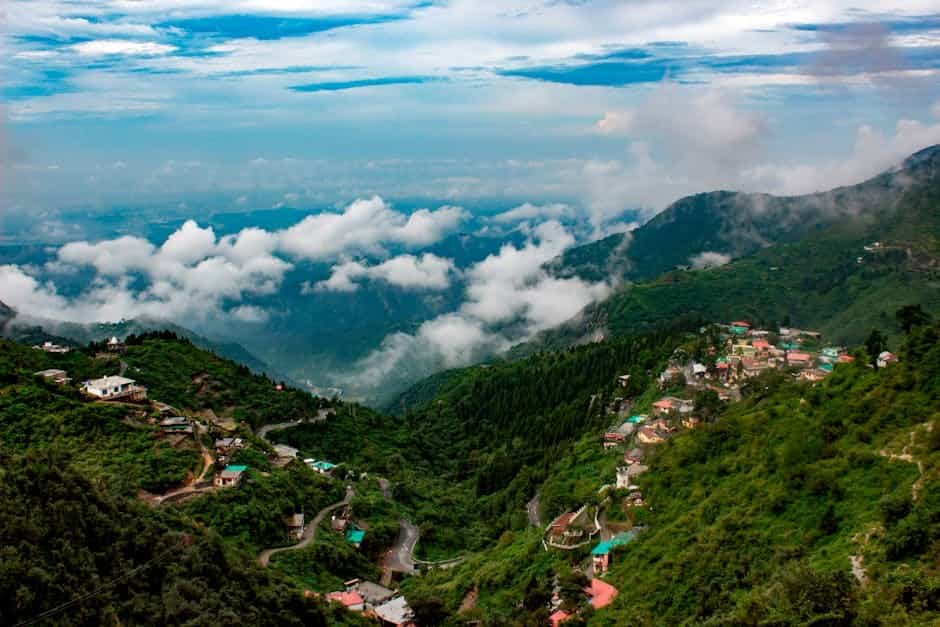
- Scenic viewpoints overlooking the Rishikesh valley and distant Himalayan ranges
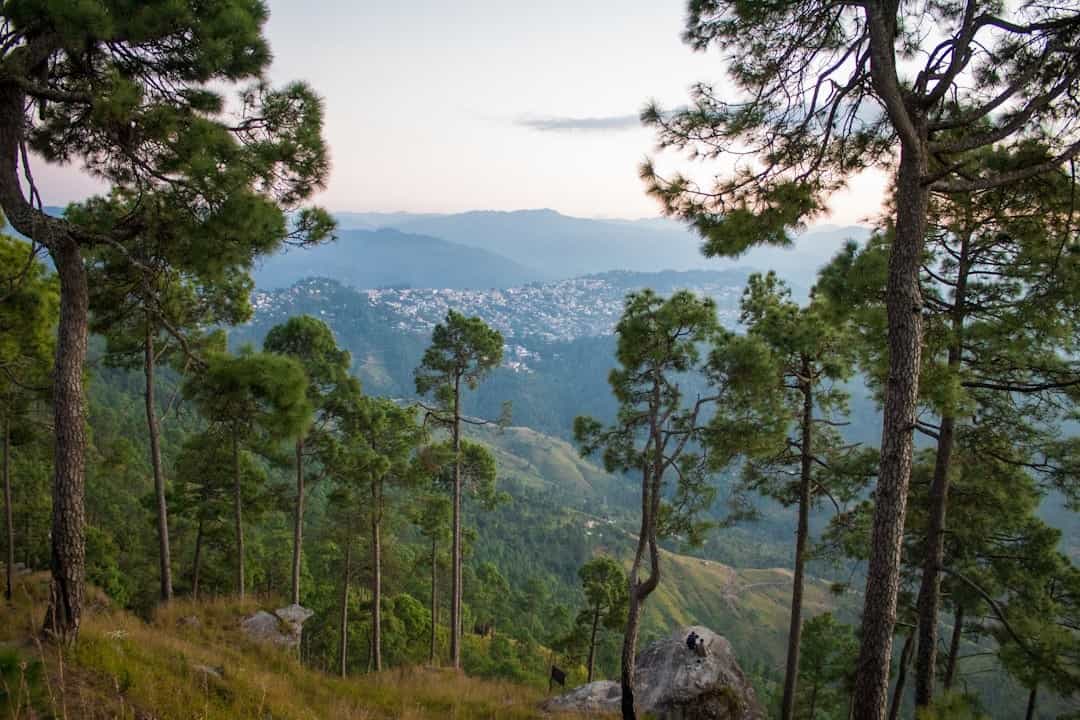
- Dense oak and conifer forests surrounding the temple
- Nearby small shrines and meditation spots
- Local markets and stalls selling religious items and souvenirs
Unique Aspects
- Mythological association with Shiva drinking the Halahala poison (Samudra Manthan)
- A peaceful, forested hilltop setting — popular for quiet meditation and nature walks
- Photogenic sunrise/sunset vistas and clear views on good-weather days
- Combination of pilgrimage atmosphere with accessible day-trip logistics from Rishikesh/Dehradun
Things to do
- Darshan (worship) and participating in aarti ceremonies
- Short treks and nature walks in the surrounding forest
- Photography of temple architecture, forest and valley panoramas
- Meditation and quiet reflection in a tranquil Himalayan setting
- Shopping for religious items (rudraksha beads, tridents, idols) and tasting local snacks at stalls
Festivals & Events
- Maha Shivaratri — major celebrations and increased pilgrim activity
- Sawan (Shravan) Mondays — many devotees undertake special visits and offerings
- Local religious observances and occasional temple-specific rituals throughout the year
Best Time to Visit
October to June for clearer skies and milder weather; avoid peak monsoon months (July–August) when heavy rain can affect roads and visibility.
Weather Conditions
Mountain-temperate climate: cool to mild in spring and autumn, warm to pleasant in summer days with cooler nights, and cold in winter (possible frost/snow at times on higher trails). Monsoon brings heavy rainfall and slippery paths.
Entry Fees & Permits
There is typically no formal entry fee for the temple; small donations are common. Temple hours are generally from early morning (around 6:00 AM) until early evening (around 5:00–6:00 PM), but timings can vary — check locally, especially during festivals.
Accessibility
Neelkanth Mahadev Temple is accessible by road from Rishikesh (approximately 30–35 km; around 1–1.5 hours by car depending on traffic and road conditions). The nearest airport is Jolly Grant Airport (Dehradun) ~35–45 km away. Nearest railway stations: Rishikesh (smaller station) and Haridwar (major railhead) ~30–50 km. There is limited parking near the temple; short uphill walk or steps may be required from the vehicle drop-off. Roads can be narrow and winding—drive cautiously and expect traffic during festivals/weekends.
Recommended Duration
Half-day to full-day visit (3–6 hours) if arriving from Rishikesh/Dehradun; combine with nearby attractions for a day trip.
Clothing & Gear Tips
Modest clothing for temple entry; comfortable walking shoes with good grip (paths can be steep or slippery), light warm layers for mornings/evenings, rain jacket during monsoon, sunscreen, hat and water bottle.
Local Food & Souvenirs
Try simple Garhwali snacks and tea at local stalls near the temple; souvenirs include rudraksha beads, small brass/stone Shiva idols, prayer beads, scarves and locally made handicrafts.