Om Parvat, Uttarakhand
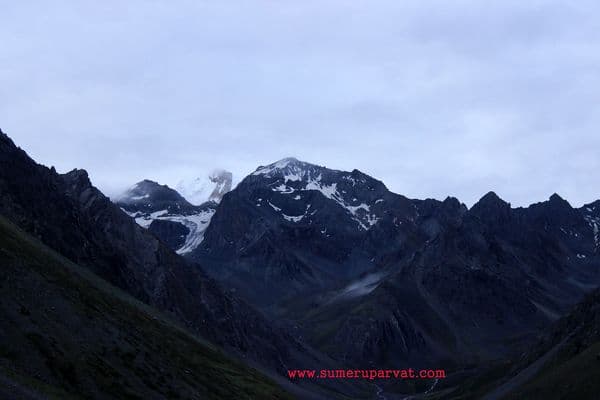
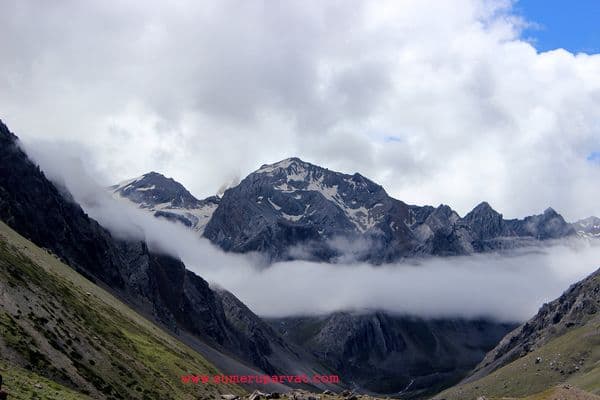
Om Parvat is a sacred mountain in the Kumaon Himalaya of Uttarakhand, revered primarily for the natural snow deposition on its southwest face that forms the sacred Hindu syllable 'ॐ' (Om). Located close to the Indo-Nepal border and near the Adi Kailash/Lipulekh pilgrimage circuit, Om Parvat holds both religious significance for Hindu pilgrims (who associate it with Lord Shiva) and natural interest for trekkers and photographers.
Last updated: 23 Oct 2025
Places to visit
- The natural 'ॐ' snow formation on the mountain face (viewable from the Nabidhang/Gunji approach)
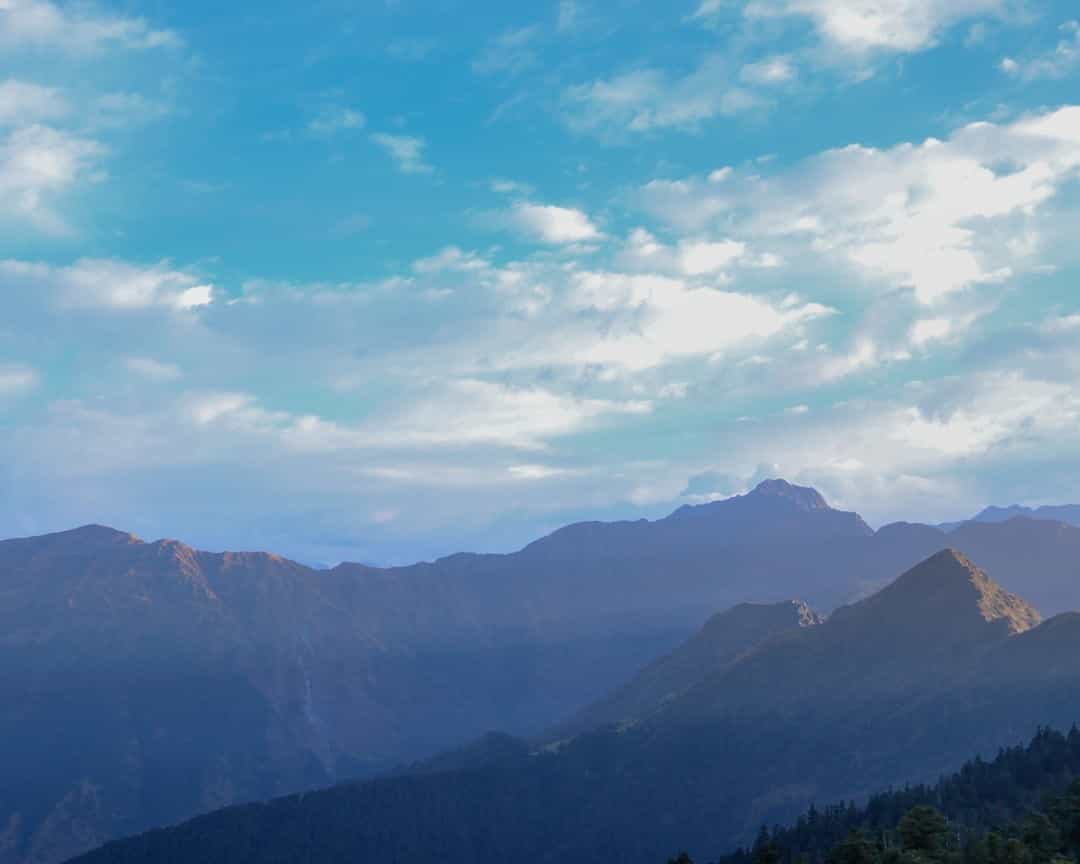
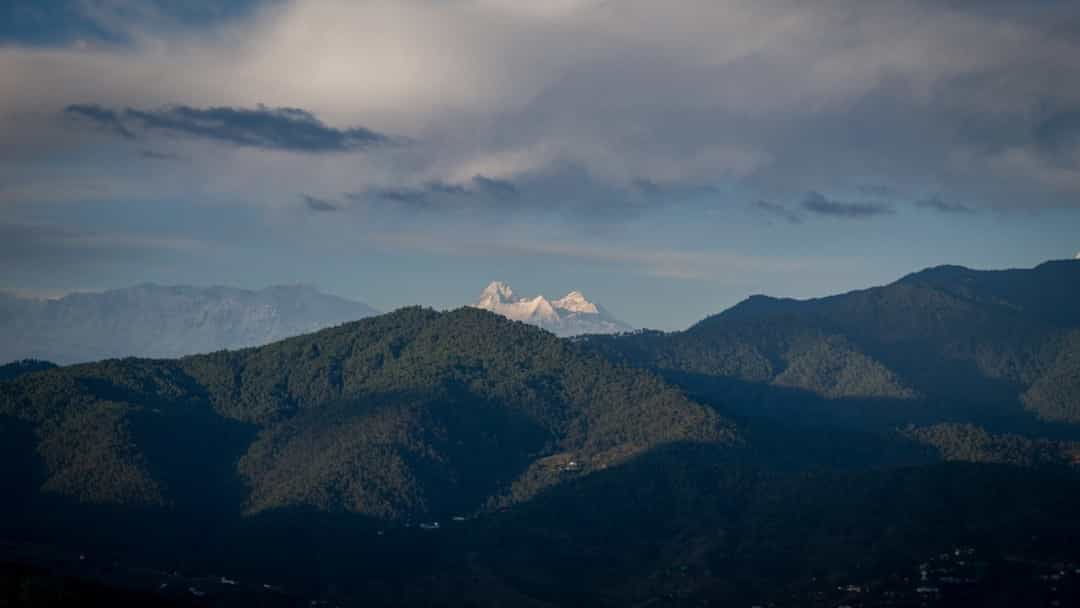
- Scenic Himalayan panoramas of surrounding peaks and valleys
- The Adi Kailash / Om Parvat pilgrimage circuit (including Lipulekh and Gunji)
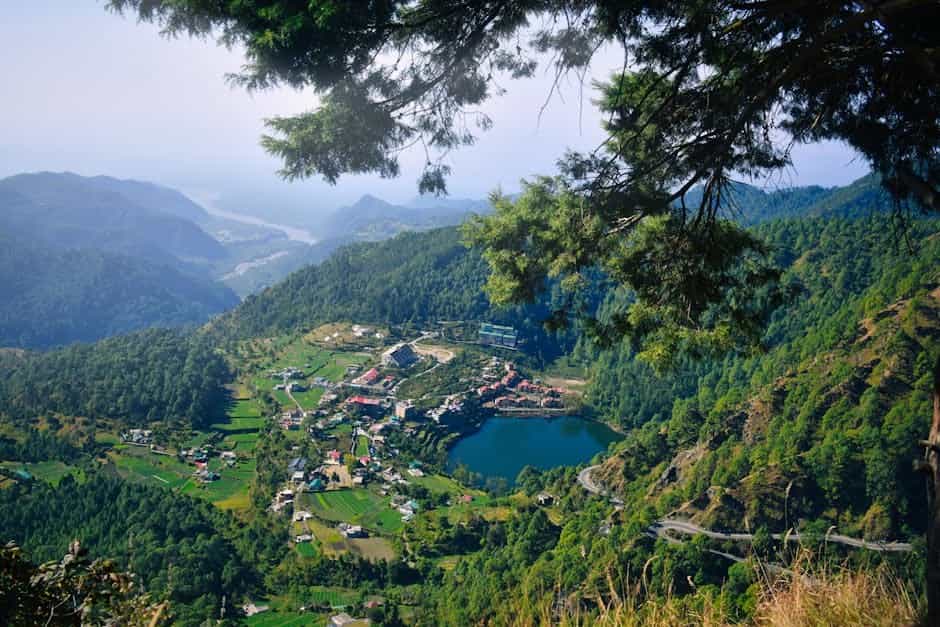
- Traditional Kumaoni villages and high-altitude pastures encountered en route
Unique Aspects
- A rare natural OM-shaped snow deposition visible from roadside viewpoints — a major draw for pilgrims and photographers
- High-altitude panoramic vistas with crisp clarity on clear days
- Close proximity to border landscapes and historically important mountain passes
Things to do
- Pilgrimage and religious observation at viewpoints (devotees often perform prayers and offer puja)
- Photography — sunrise/sunset and clear-day views produce striking images of the OM shape
- Road trips and high-altitude drives along the Pithoragarh → Dharchula → Gunji → Nabidhang route (4x4 recommended for some stretches)
- Short treks and acclimatized walks around Nabidhang and nearby meadows
- Cultural interaction with Kumaoni villagers, and sampling local mountain cuisine
Best Time to Visit
May–June and September–October (clear skies, stable weather). Avoid deep winter (heavy snow and road closures) and peak monsoon (July–August) when landslides and poor visibility are possible.
Weather Conditions
High-altitude alpine climate: cold nights and cool to chilly days even in summer; temperatures can drop below freezing at night. Weather changes fast — expect wind, sudden snow at higher elevations, and strong UV at altitude.
Accessibility
Nearest civil airports: Pithoragarh (Naini Saini) (limited services) and Pantnagar (larger, better connected). Nearest major railhead: Kathgodam. Road access: drive via Pithoragarh → Dharchula → Gunji → Nabidhang. Final stretches may require sturdy vehicles (4x4) and local guidance. Foreign nationals face additional restrictions in border zones and may require Protected Area Permits or may not be permitted beyond certain points; Indian nationals should check local administrative offices (Pithoragarh/Dharchula) for permit requirements before travel.
Recommended Duration
2–3 days minimum for a focused visit from Pithoragarh/Dharchula to Nabidhang viewpoint; 5–7 days if combining with Adi Kailash/Lipulekh circuit and allowing proper acclimatization.
Clothing & Gear Tips
Warm layered clothing (thermal base layers, fleece, insulated jacket), windproof outer shell, sturdy waterproof trekking boots, warm socks, gloves, wool hat, sunglasses with UV protection, sunscreen, and a basic first-aid kit. Carry water purification tablets and a warm sleeping bag if camping.
Local Food & Souvenirs
Try Kumaoni dishes such as bhatt ki dal/chawal, aloo ke gutke, and local sweets like bal mithai. Souvenirs include handmade woolens (shawls, caps, blankets), prayer flags, locally woven handicrafts, and traditional religious items available at village shops and stalls near pilgrimage routes.