Patna Waterfall, Uttarakhand
Patna Waterfall is a scenic cascade set in the Himalayan foothills of Uttarakhand, valued primarily for its natural beauty, freshwater pools and as part of the local ecosystem. It provides habitat for native flora and fauna and acts as an attractive nature spot for nearby villages and travelers exploring the region. The waterfall contributes to local livelihoods through tourism and small-scale services (guides, local eateries).
Last updated: 23 Oct 2025
Places to visit
- The main cascade of Patna Waterfall (seasonally varying flow)
- Natural plunge pools and rocky platforms for viewing
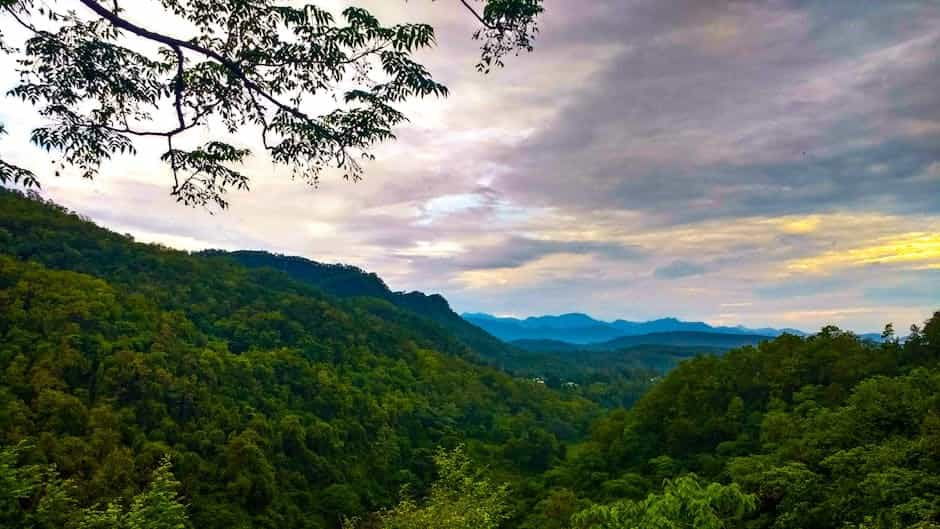
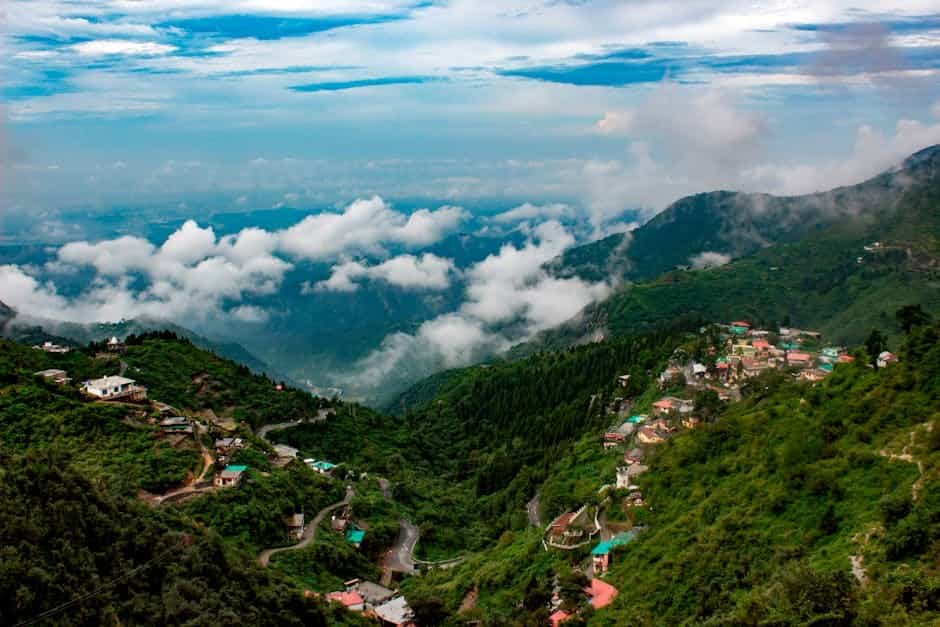
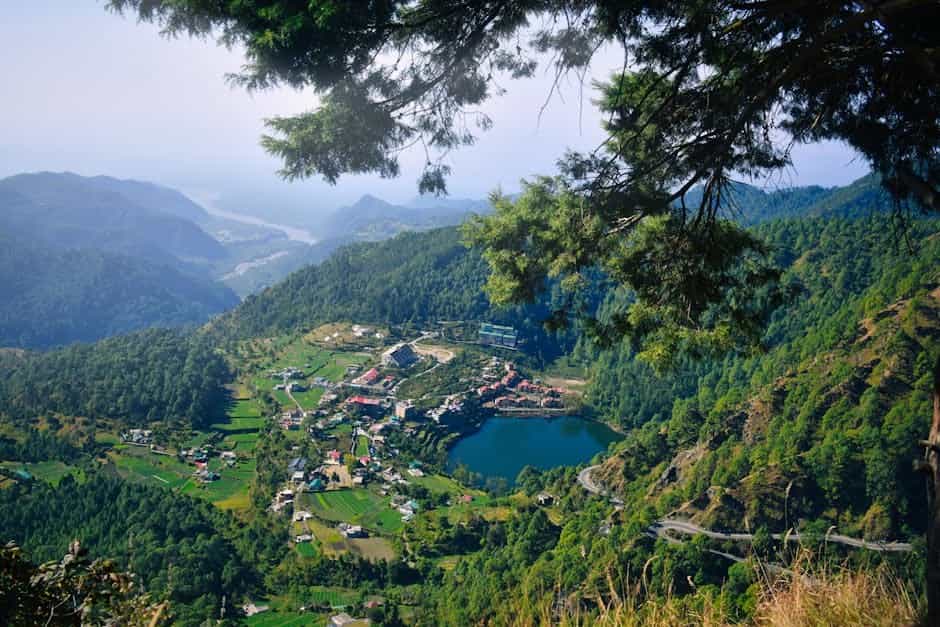
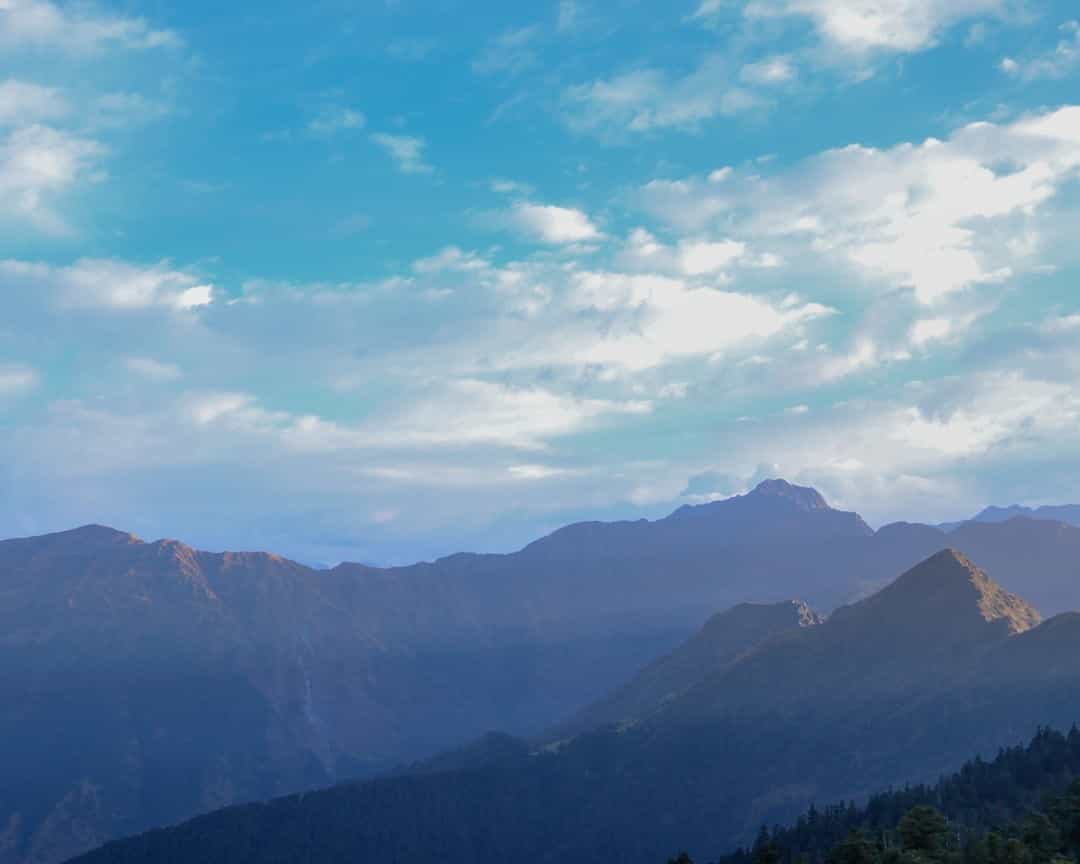
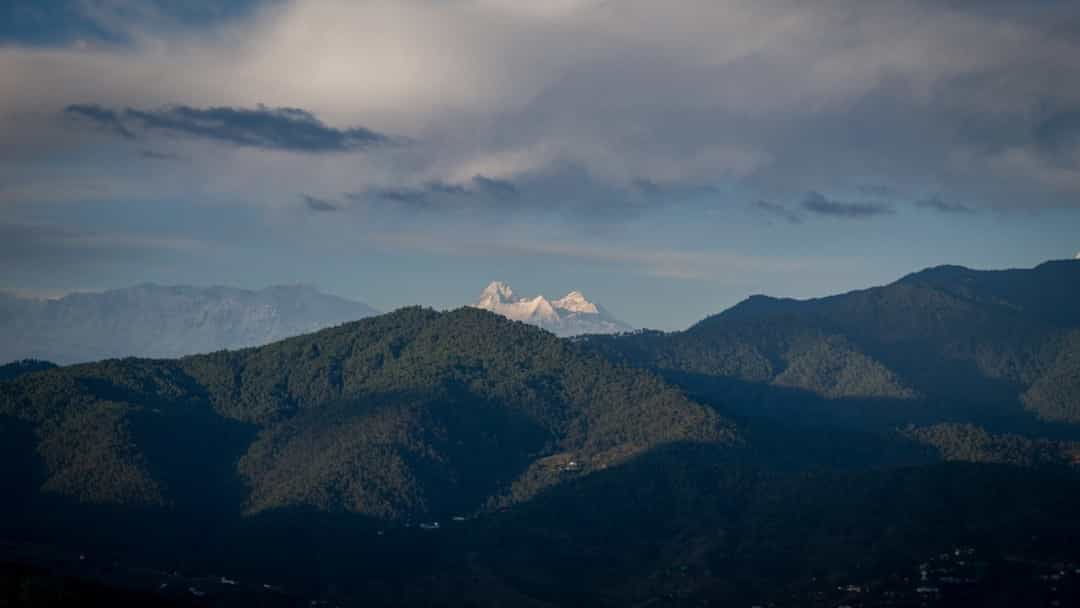
- Forest and mountain views around the waterfall
- Short trekking trails and viewpoints nearby
- Opportunities for birdwatching and nature photography
Unique Aspects
- Seasonal variation: powerful flow during and after monsoon, gentler and clearer water in spring and autumn
- Clear pools suitable for wading (safety dependent)
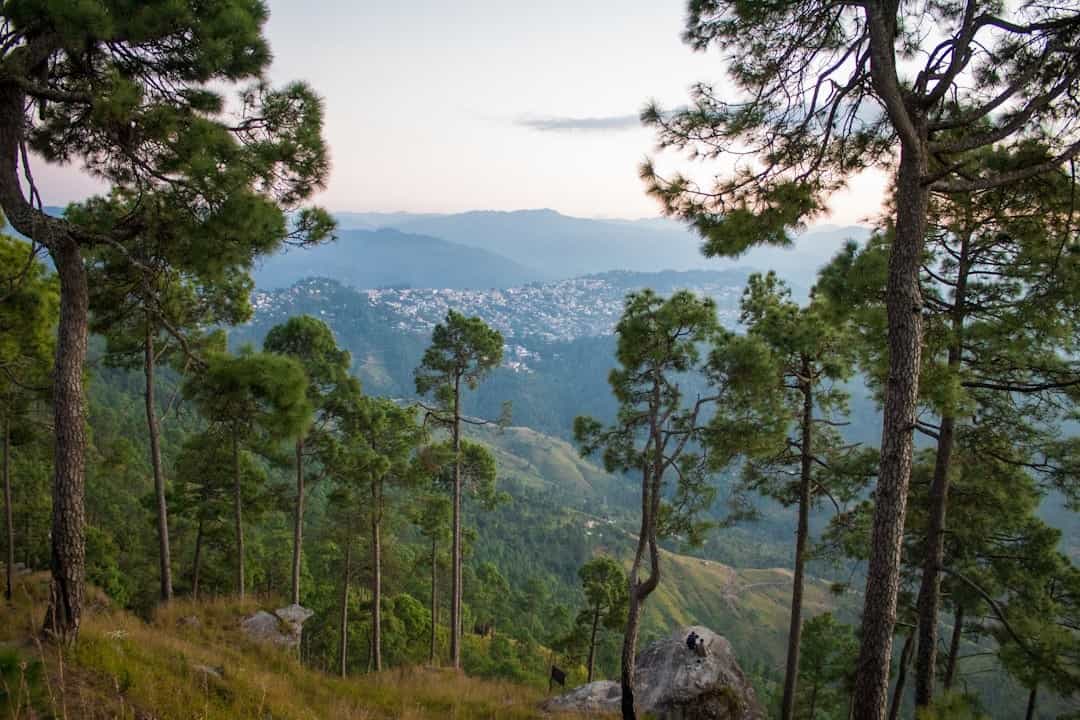
- Surrounding mixed forest (pine, oak, broadleaf) and wildflower displays in spring
- Relatively off-the-beaten-path character — quieter than major tourist waterfalls
Things to do
- Short to moderate trekking/hiking to the falls
- Photography and landscape observation
- Birdwatching and nature study
- Picnicking on nearby flat rocks or grassy clearings
- Careful wading or cooling off in pools where safe (check current conditions)
- Hiring a local guide for longer nature walks or to learn local information
Best Time to Visit
Best: Post-monsoon and autumn (September–November) for good water flow and stable weather; Spring (March–May) for pleasant temperatures and wildflowers. Monsoon (July–August) has the fullest falls but higher risk due to slippery trails and potential landslides; Winter can be cold and water flow is reduced.
Weather Conditions
Mountain foothill climate: cool summers, cold winters with possible frost at higher elevations, and heavy rainfall during monsoon. Always check a local forecast before travel.
Accessibility
Access usually involves driving to the nearest village or road-head followed by a walk or short trek on uneven/rocky trails. Not suitable for wheelchairs or people with significant mobility issues. Public transport details vary by region; hiring a taxi from the nearest town or arranging local transport is common. Always confirm exact directions and trail difficulty with local sources before setting out.
Recommended Duration
A typical visit lasts half a day (2–4 hours) for the walk, time at the falls and return; combine with a full-day outing if including nearby sights or hikes.
Clothing & Gear Tips
Sturdy closed-toe hiking shoes, light layered clothing, rain jacket during monsoon, sun protection (hat, sunscreen), insect repellent, small first-aid kit, and a dry bag for electronics. If planning to enter pools, bring quick-dry swimwear and a towel.
Local Food & Souvenirs
Try local Garhwali dishes at nearby eateries (e.g., kafuli, chainsoo, steamed rotis, locally prepared chutneys). Local honey, handloom textiles, and simple handicrafts from village markets make good souvenirs. Carry snacks and drinking water as facilities near the falls may be limited.