Pindari Glacier, Uttarakhand
Natural importance: Pindari Glacier is a prominent valley glacier in the Kumaon Himalaya (Uttarakhand). It is an important source of the Pindar River, a tributary of the Alaknanda, and therefore part of the Ganga river system. The glacier and its valley are valued for glaciological studies and as an indicator of climate change in the central Himalaya. The surrounding alpine meadows and moraines support fragile high‑altitude ecosystems.
Cultural importance: The glacier lies in a region with strong Kumaoni traditions. Local communities regard the high mountains and glaciers with cultural and religious respect; the landscape figures in regional devotional and nature‑worship practices.
Last updated: 23 Oct 2025
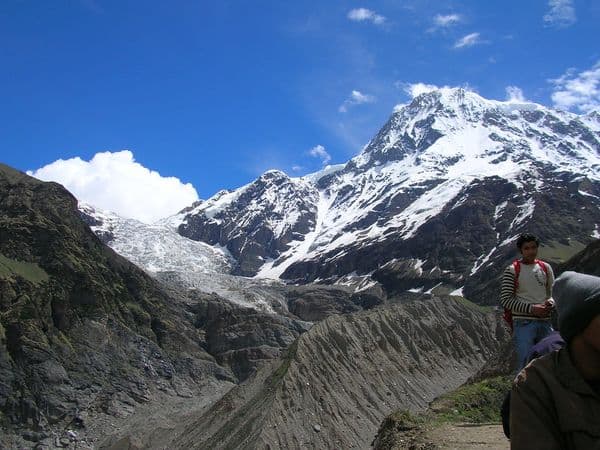
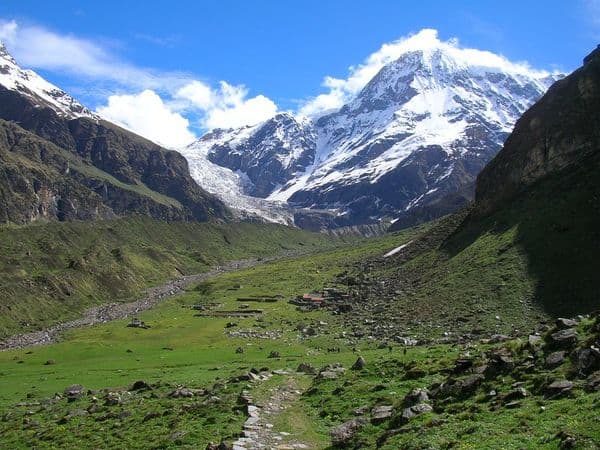
Places to visit
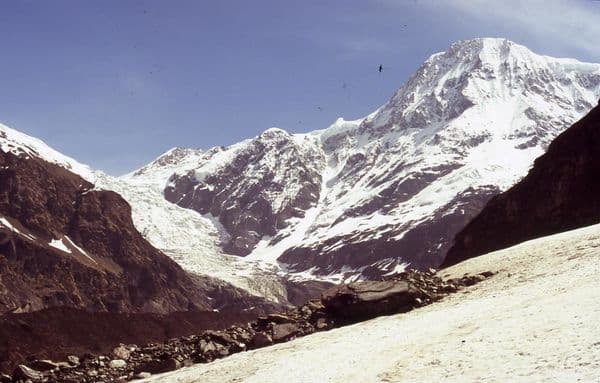
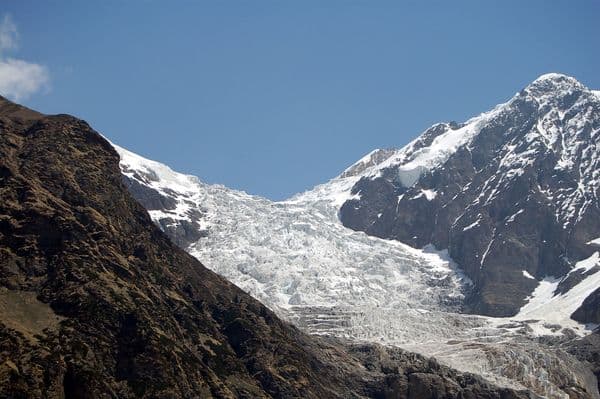
- Pindari Glacier snout (terminus) — the accessible glacier front offering close-up views of ice and moraines
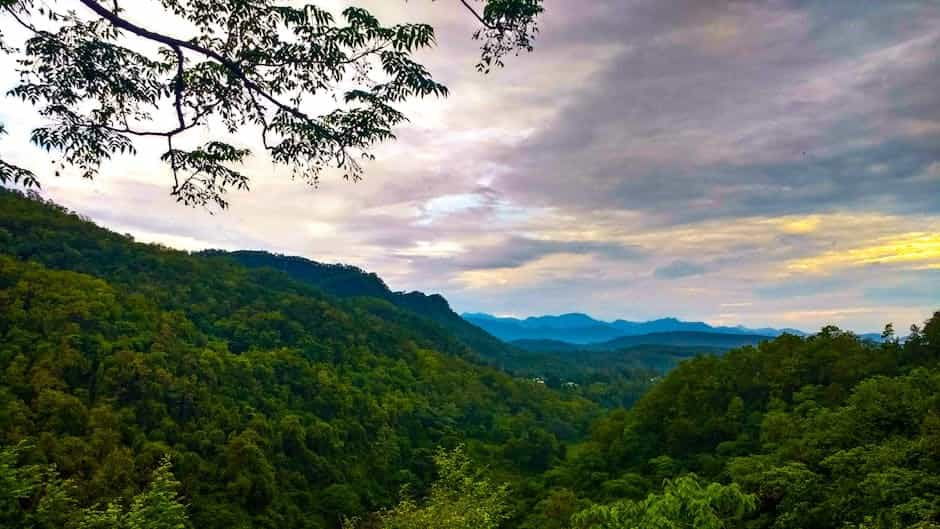
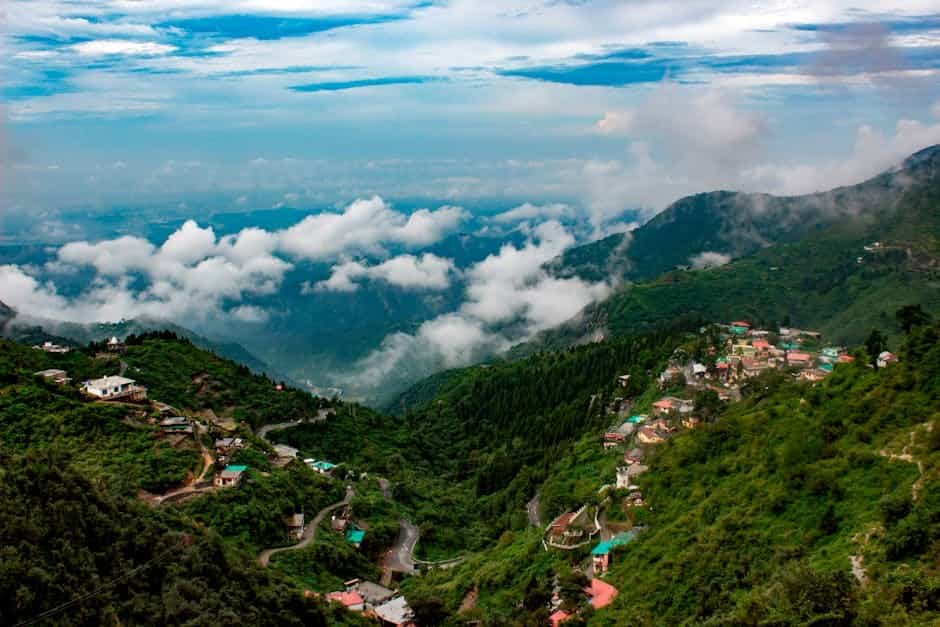
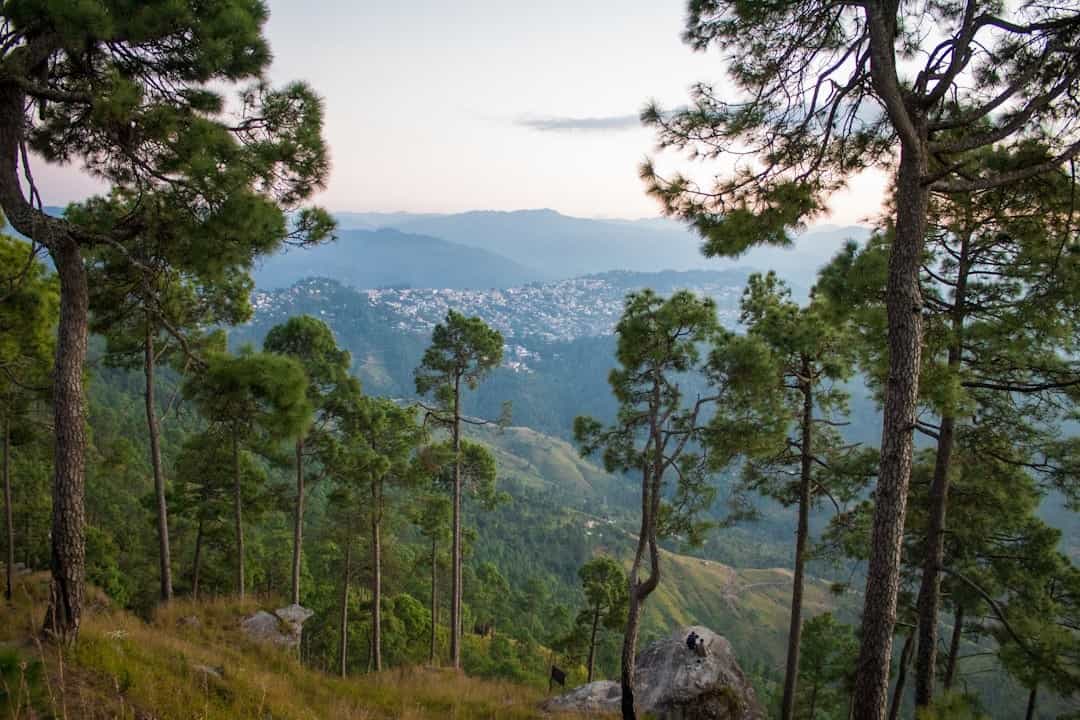
- Pindari Glacier trek — a classic and widely frequented Himalayan trek with scenic alpine meadows (bugyals) and panoramic views
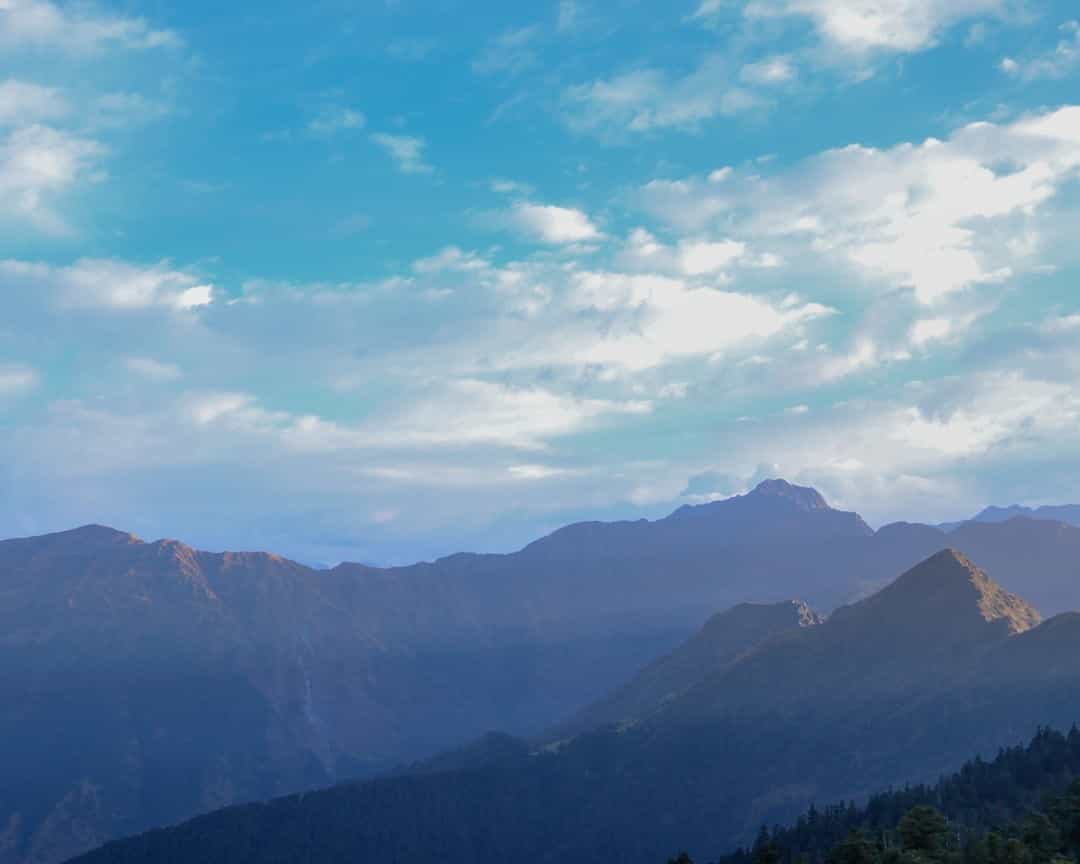
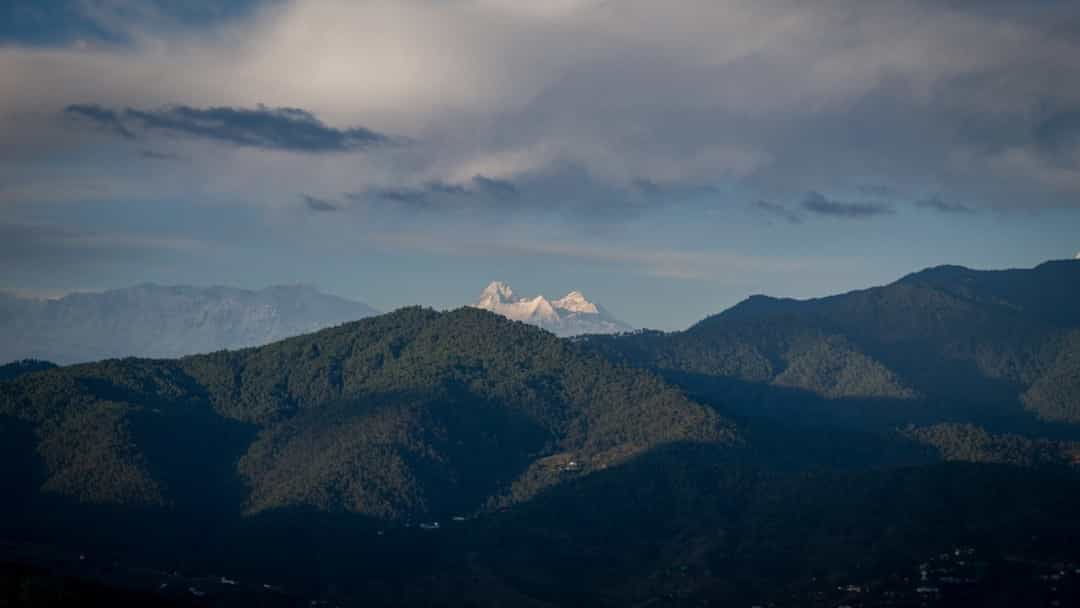
- Panoramic peaks — views of notable summits such as Nanda Devi (visible from parts of the route) and other Kumaon peaks
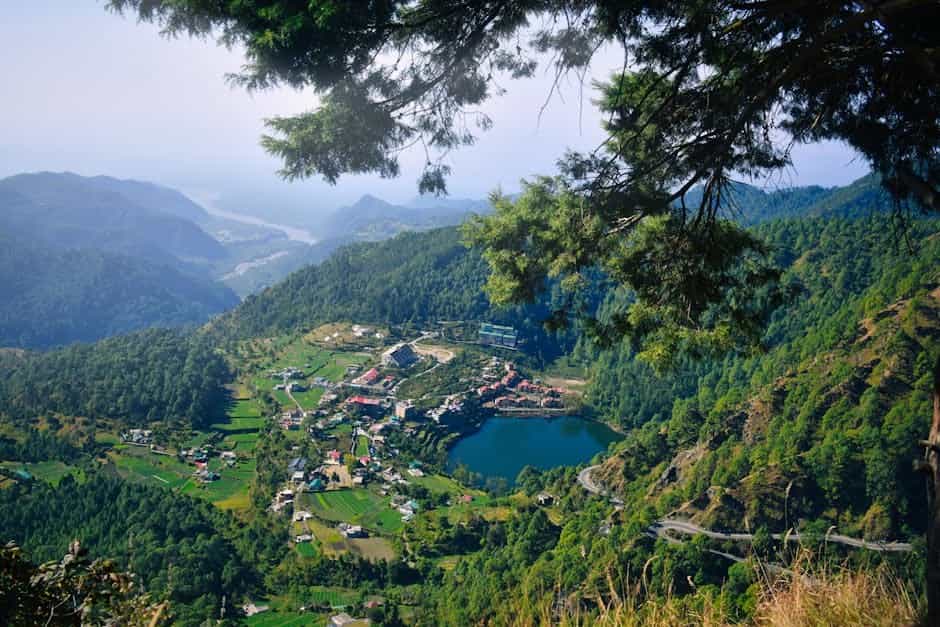
- Khati village — the last permanent settlement and trek base with traditional Kumaoni culture
Unique Aspects
- U‑shaped glacial valley and lateral moraines visible along the approach
- Alpine meadows (bugyals) that bloom in summer with wildflowers and grasses
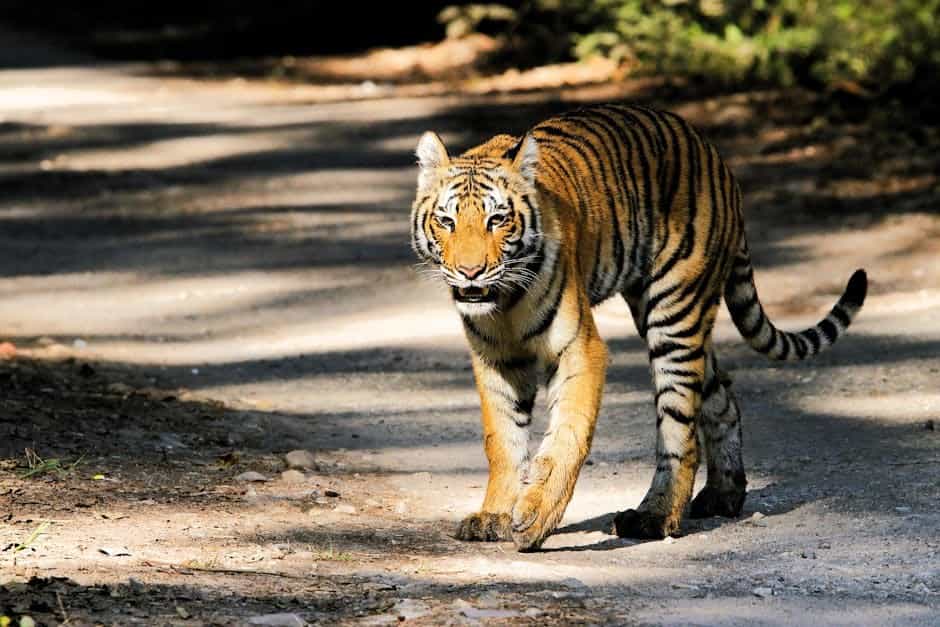
- High‑altitude flora and fauna adapted to the Kumaon Himalaya
- Clear streams and glacial runoff feeding the Pindar river system
Things to do
- Multi‑day trekking to the glacier snout (popular moderate trek)
- Photography and landscape observation — glacier, moraines, Himalayan panoramas
- Nature study and birdwatching in alpine and subalpine zones
- Camping at designated campsites along the trek route
Best Time to Visit
Main season: mid‑May to late September (pre‑monsoon and post‑monsoon windows).
- Summer (June–September): most popular — accessible trails, blooming meadows.
- Monsoon (July–August): weather can be unpredictable with slippery trails and landslide risk; still visited but exercise caution.
- Winter (Oct–Apr): heavy snow closes the route; not recommended for casual visitors.
Weather Conditions
Alpine climate: cool to cold. Daytime in summer can be mild at lower altitudes, but nights are cold and higher camps can drop below freezing. Weather changes quickly — expect sun, wind, rain or snow depending on season.
Accessibility
Nearest transport hubs:
- Rail: Kathgodam (Haldwani) is the nearest major railhead for long‑distance trains.
- Air: Pantnagar is the nearest commercial airport (limited connectivity); Naini Saini (Pithoragarh) has limited services.
Road & trek approach:
- Road travel leads to Bageshwar / Karanprayag / Almora depending on route; the trek typically begins from Khati (last inhabited village / trek base). From Khati a multi‑day trek leads to Dhakuri, Phurkia and onward to the glacier snout. Motorable access is limited to lower valleys; plan transport in advance.
Recommended Duration
Typical duration: plan for 4–7 days for the round‑trip trek from Khati (shorter/longer depending on starting point and pace). Add 1–2 days for approach and buffer for weather or acclimatization when arriving from distant cities.
Clothing & Gear Tips
- Layered clothing (base layer, insulating mid layer, waterproof shell)
- Sturdy trekking boots with good grip
- Warm sleeping bag (rated for near‑freezing or below)
- Trekking pole(s), headlamp, sunscreen, sunglasses (UV protection)
- Water purification and basic first‑aid kit
- Lightweight camping gear if self‑camping (many trekkers use local camping services)
Local Food & Souvenirs
- Local cuisine: simple Kumaoni meals at village teashops — rice, lentils, local breads and potato dishes; food along the trail is basic and filling.
- Souvenirs: handwoven woollens, local handicrafts, jams and preserves made by village cooperatives, and herbal products from the region.