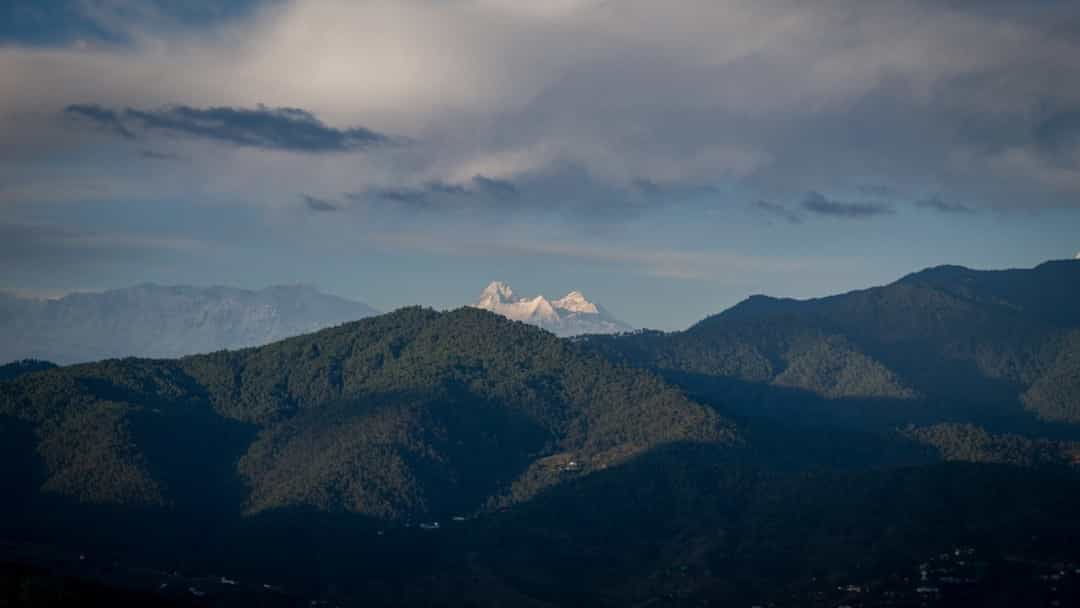
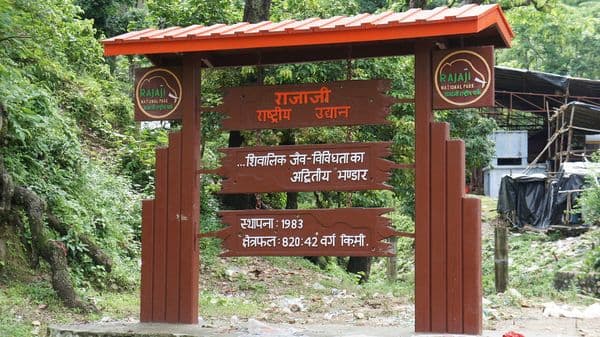
Rajaji National Park, Uttarakhand
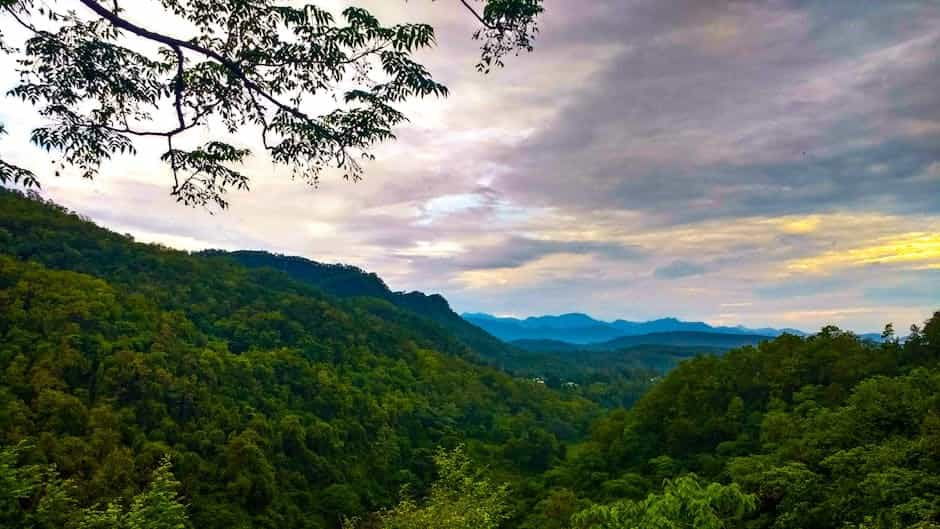
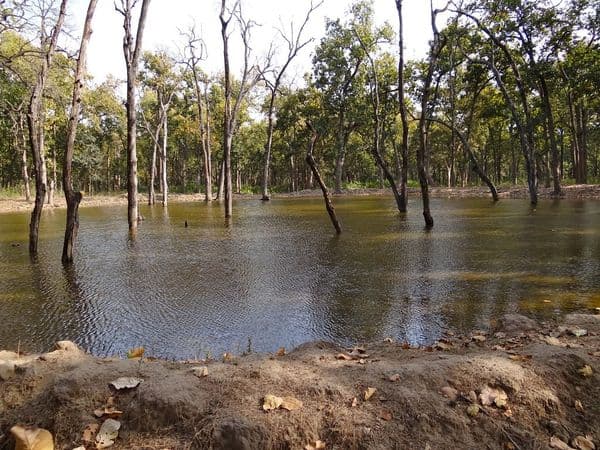
Rajaji National Park protects a large stretch of the Shivalik foothills and the Terai habitat along the Ganges in Uttarakhand, forming an important conservation landscape for Asian elephant populations and other large mammals in northwestern India. It links lowland and hill ecosystems and helps maintain an elephant corridor between the Doon Valley and adjoining forest blocks. The park is also important for biodiversity (mammals, reptiles and birds) and for the livelihoods and culture of local communities such as Gujjars and other traditional forest-dependent groups.
Last updated: 23 Oct 2025
Places to visit
- Elephant sightings and tracking (Rajaji is an important elephant habitat and corridor)
- Birdwatching (300+ bird species recorded; migrants in winter)
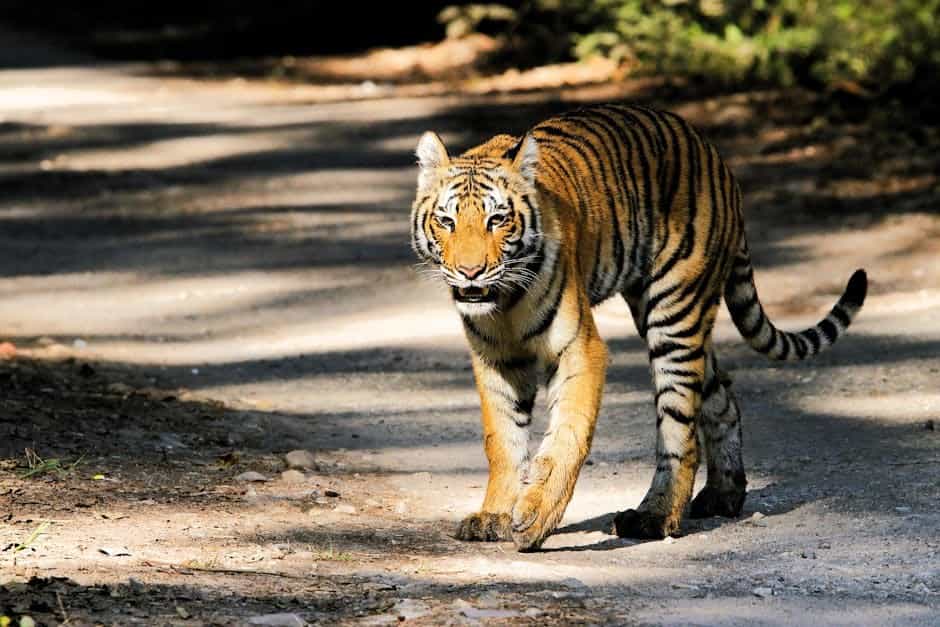
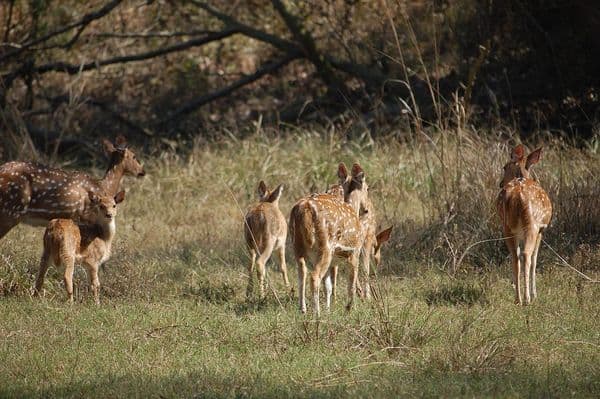
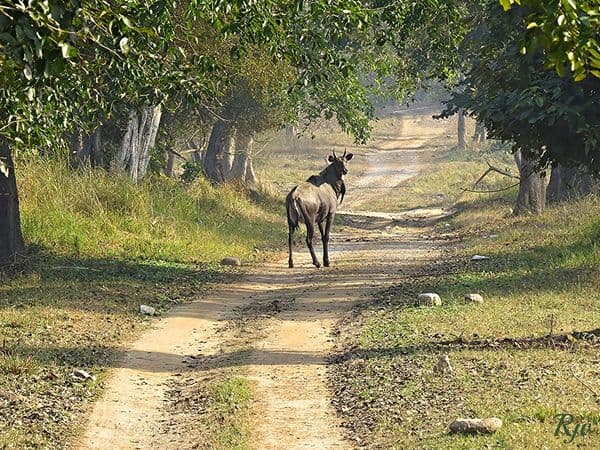
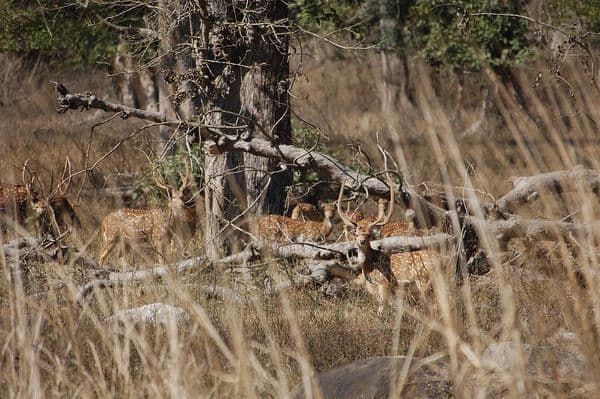
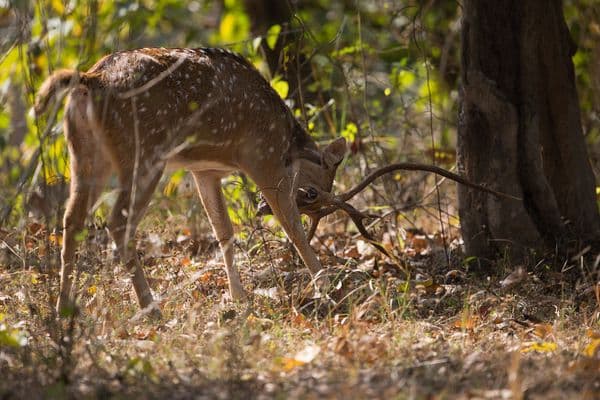
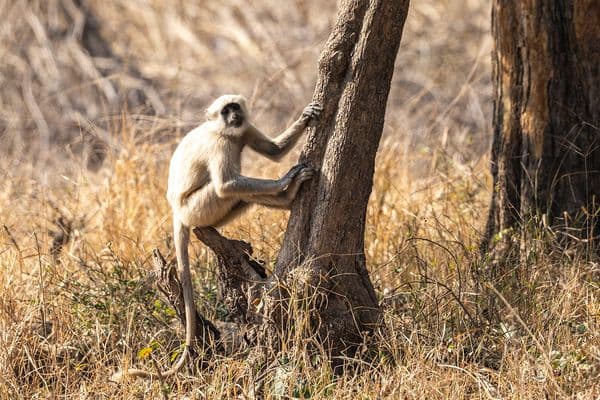
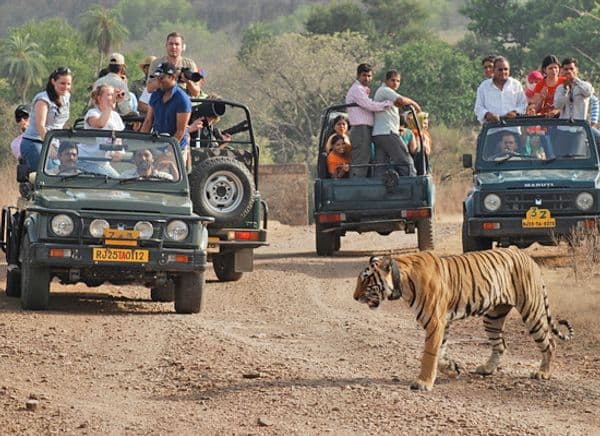
- Mammals including leopard, tiger (occasional), sambar, spotted deer, barking deer, wild boar and gaur
- Chilla, Motichur and Reni ranges—popular safari and viewing zones
- Riverine habitats along the Ganges with scenic river views and forested banks
Unique Aspects
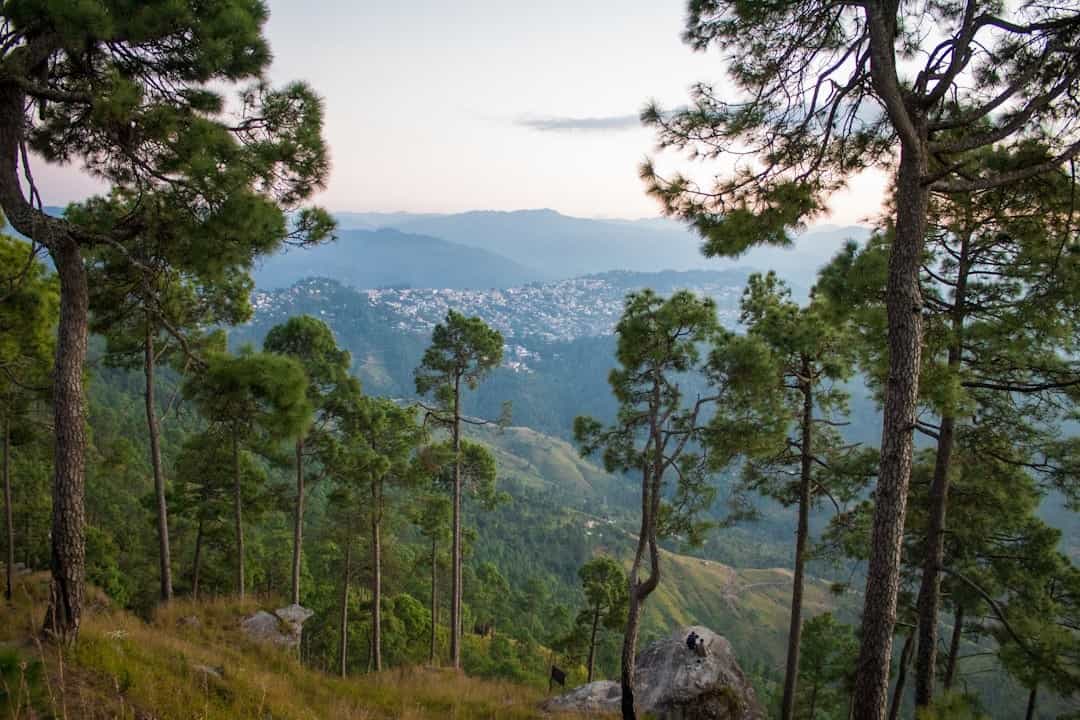
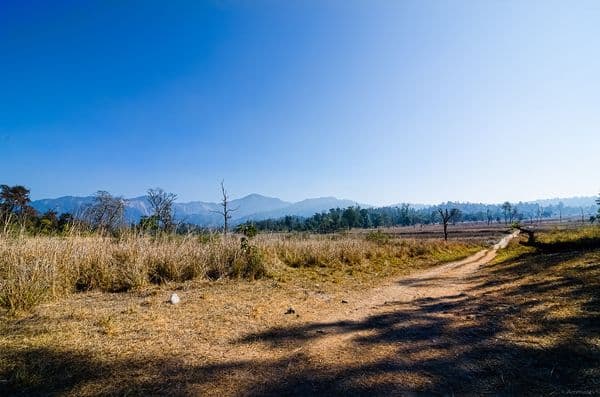
- Large tracts of Sal and mixed deciduous forest in the Shivalik foothills
- Functioning elephant corridors and frequent elephant movement
- Diverse birdlife including raptors, waterbirds and woodland species
- Proximity to cultural hubs (Haridwar, Rishikesh) allowing combined nature-and-culture itineraries
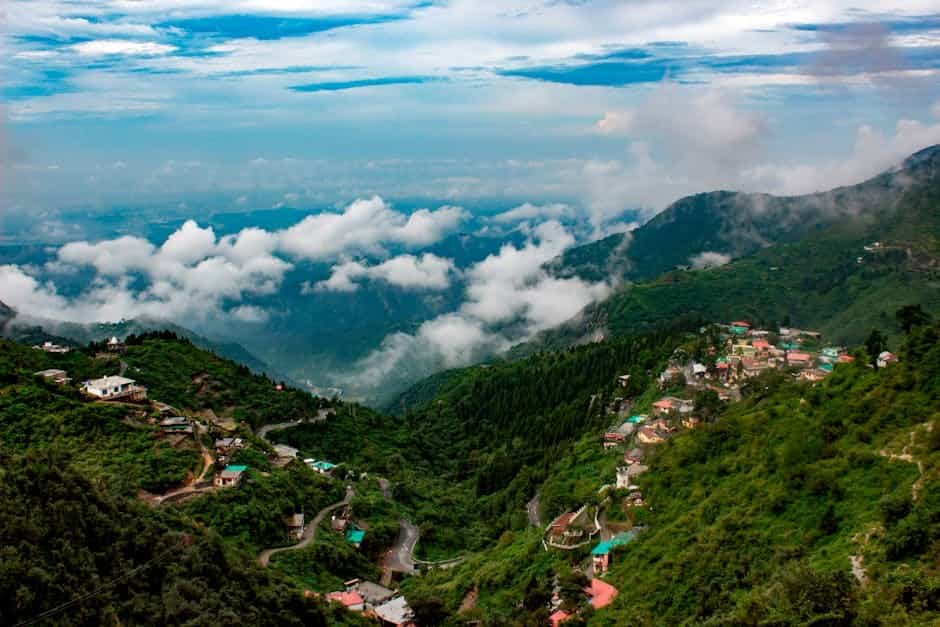
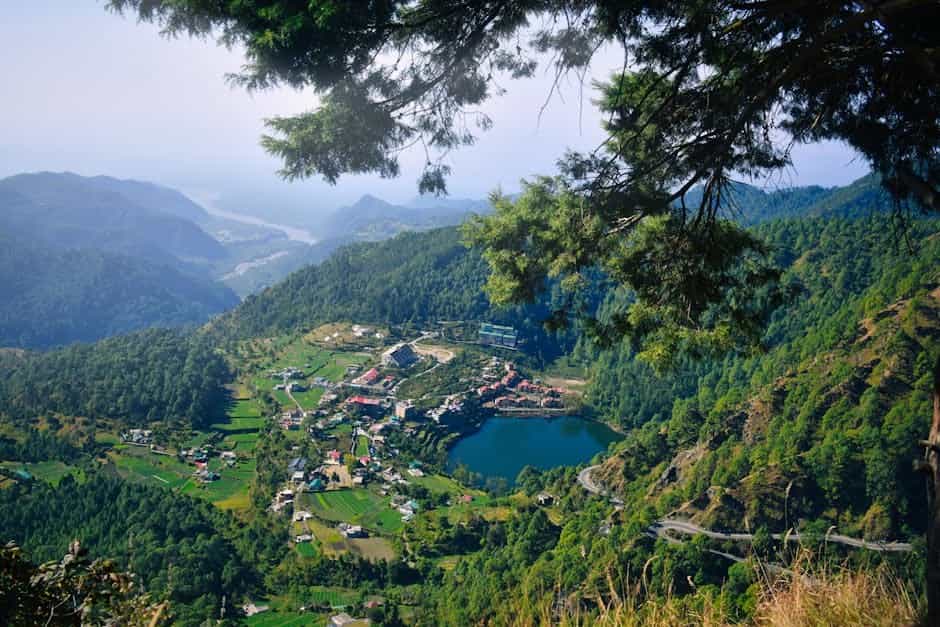
- Scenic hill-and-river landscapes with viewpoints over the Doon Valley
Things to do
- Jeep safaris in designated ranges (early morning and late afternoon drives recommended)
- Guided nature walks and short treks with trained forest guides (where permitted)
- Elephant safaris in selected areas or community-run experiences (subject to regulations and seasonal availability)
- Birdwatching and photography—bring good binoculars and a telephoto lens for wildlife
- Combined day trips to nearby cultural sites such as Rishikesh and Haridwar (Ganga Aarti at Haridwar is a popular evening activity)
Best Time to Visit
Best time: November to May for dry trails, good wildlife visibility and comfortable weather. Monsoon (June–September) brings heavy rain, limited access and fewer safaris.
Weather Conditions
Subtropical to temperate conditions depending on elevation. Winters (Dec–Feb) can be cool with early-morning temperatures near freezing in some pockets; summers (Apr–Jun) are warm to hot in the plains. Monsoon brings heavy rainfall and humid conditions.
Entry Fees & Permits
Entry and safaris: Fees, timings and permit rules vary by range (Chilla, Motichur, Reni) and are set by the Uttarakhand Forest Department. Safaris typically operate in early morning and late afternoon time slots. Visitors should check current fees and booking procedures on the official forest department website or at local range offices before travel.
Accessibility
Nearest transport hubs: Dehradun (Jolly Grant) airport and Dehradun/Haridwar railway stations are the main gateways. The park has multiple entry points—Chilla (near Haridwar), Motichur and Reni—accessible by road from Haridwar, Rishikesh and Dehradun. Permits and guided-safari bookings are arranged through forest department counters or authorized operators. Road conditions can vary; 4x4 vehicles or sturdy jeeps are recommended for some internal tracks.
Recommended Duration
1–3 days for a typical visit (one full day of safaris plus time to explore nearby cultural sites). Birders and wildlife photographers may prefer 3–4 days to increase sighting opportunities.
Clothing & Gear Tips
Lightweight, breathable layers for daytime; warm jacket for early mornings and winters. Sturdy walking shoes, hat, sunscreen, insect repellent, binoculars and a camera with telephoto lens. Bring rain gear during monsoon months.
Local Food & Souvenirs
Sample Garhwali and Kumaoni dishes in nearby towns (simple thalis, local snacks). Souvenirs include handcrafts, woolens and locally produced honey or artisanal items from Uttarakhand—buy from reputable shops or community-run outlets. Always avoid purchasing wildlife-derived products.