Satopanth Glacier, Uttarakhand
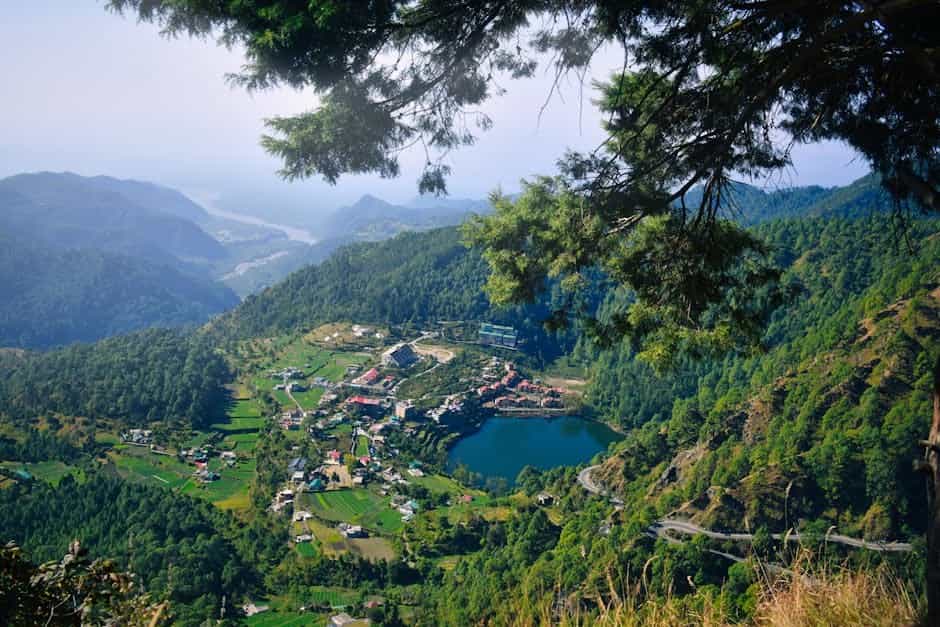
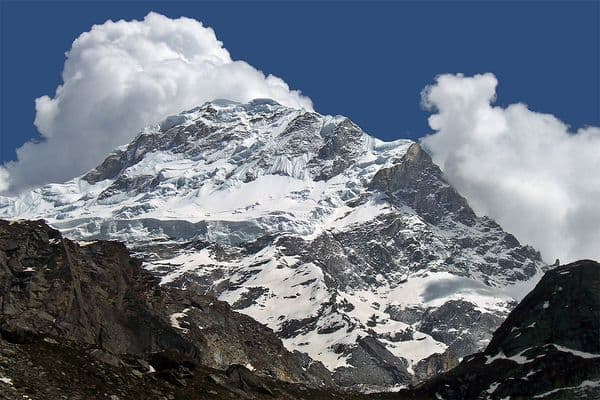
Satopanth Glacier is a high-altitude glacier in Uttarakhand that is both a natural landmark and a place of cultural reverence. The glacier feeds major headwaters of the Himalaya and plays an important role in the region's hydrology. Its remote, rugged landscape offers classical Himalayan glaciology features (icefalls, moraines, crevasses) and superb views of surrounding peaks. Culturally, the name Satopanth means "Path of Truth", and the area is associated with local Hindu traditions and nearby pilgrimage routes, including the Badrinath area.
Last updated: 23 Oct 2025
Places to visit
- The Glacier Face and Icefalls – dramatic crevassed terrain and seracs visible on approach.
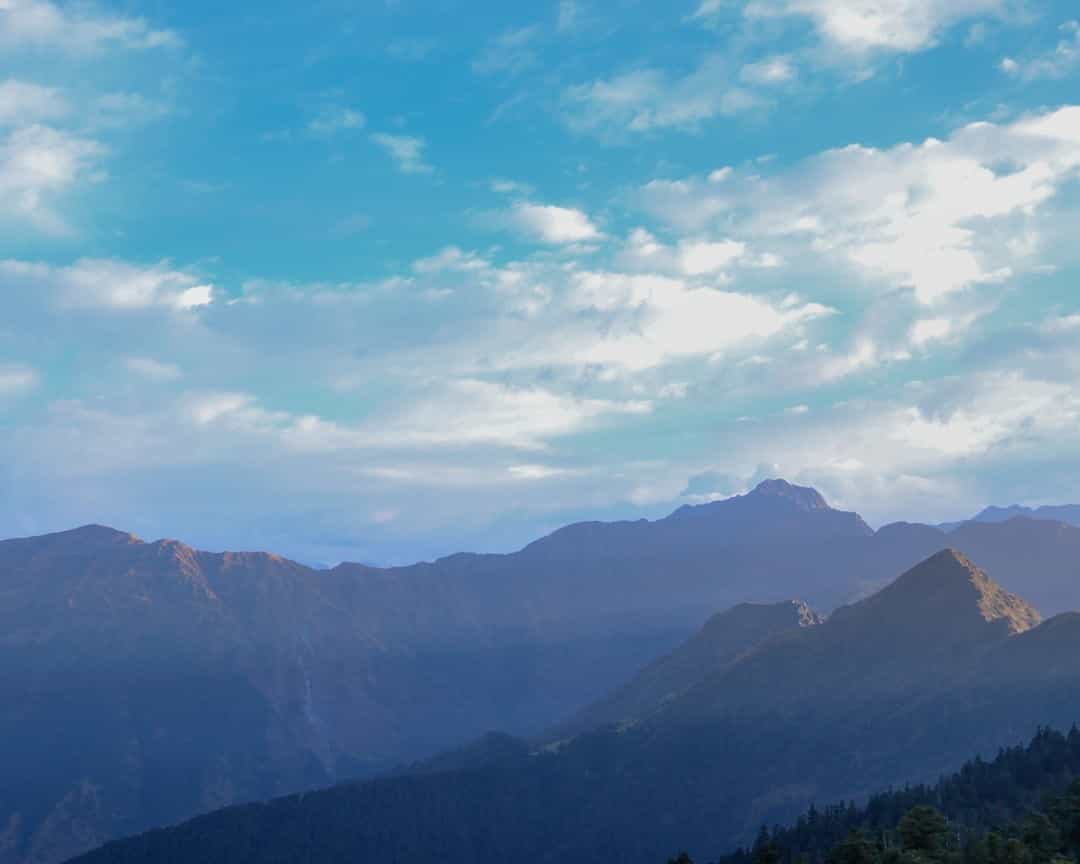
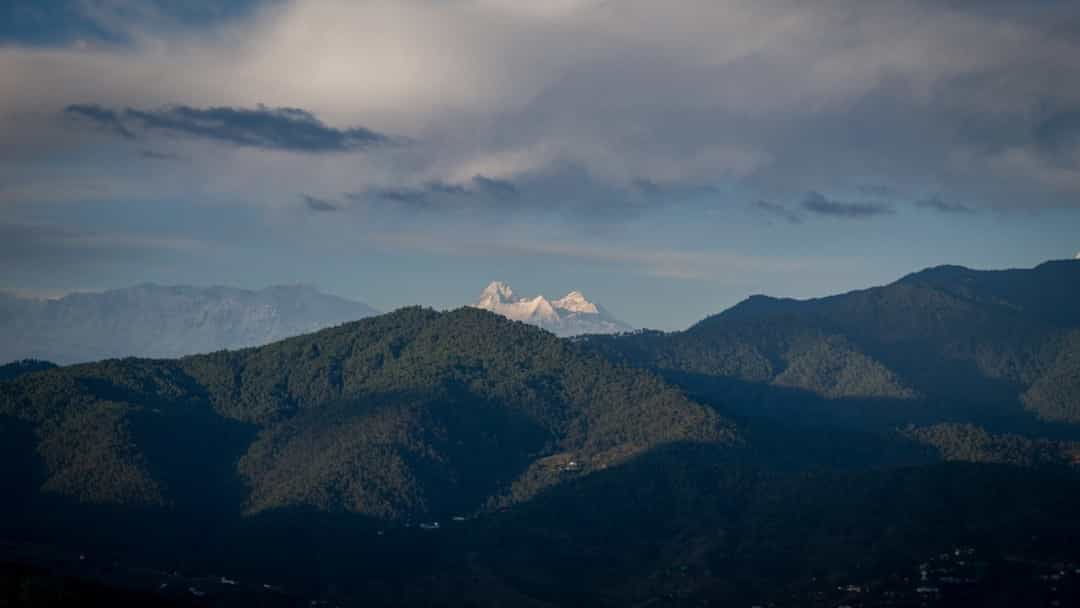
- Views of Nearby Peaks – panoramic sights of high Himalayan summits (Chaukhamba and neighbours).
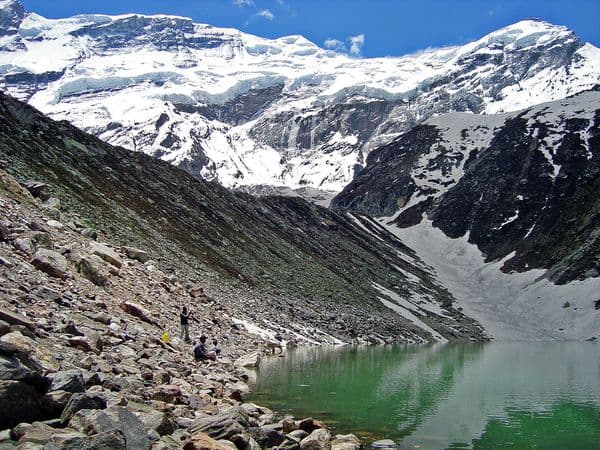
- High-altitude Lakes – proximity to glacial lakes such as Satopanth Tal and other alpine tarns.
- Source of Rivers – significance as a contributor to headwaters that become major Himalayan rivers.
Unique Aspects
- Classic glacial landforms: moraines, blue ice, and crevassed icefields.
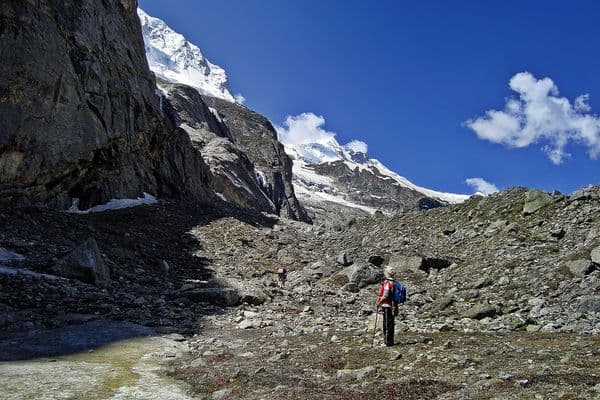
- High-altitude, remote trekking terrain with alpine meadows and stark rocky ridgelines.
- Seasonal contrasts: heavy snowpack in winter vs. exposed ice and melt channels in summer.
- Cultural context: located near pilgrimage corridors, combining natural and spiritual experiences.
Things to do
- High-altitude trekking and glacier approach walks (requires experience or a guide).
- Guided glacier travel, crevasse navigation and basic ice skills for mountaineers.
- Photography of glacial features, sunrise/sunset on peaks, and alpine landscapes.
- Camping at designated sites during multi-day treks; wildlife spotting (alpine birds, occasional Himalayan fauna).
- Visiting nearby pilgrimage sites (Badrinath) as part of a combined cultural-nature trip.
Best Time to Visit
May–June and September–October for trekking and stable weather; avoid deep winter and monsoon for safer access.
Weather Conditions
High-altitude mountain weather: cold to very cold with strong diurnal variation. Afternoon wind and sudden storms can occur; snow possible even outside winter months at higher elevations.
Accessibility
Typical approach: travel to Badrinath / Joshimath by road from Rishikesh/Haridwar (nearest major railheads) or Dehradun (nearest airport: Jolly Grant). From Badrinath or nearby trailheads, the glacier is reached by multi-day trek over rough, high-altitude terrain. Expect long road transfers (several hours to a full day) from the nearest airports/railheads and required acclimatization for high-altitude travel. Local guides and porters strongly recommended.
Recommended Duration
Plan at least 7–10 days for a responsible trip that includes acclimatization, approach trekking, and contingency days for weather; longer if combining with pilgrimage circuits.
Clothing & Gear Tips
Layered high-altitude clothing (base layers, insulating mid-layers, waterproof outer shell), warm down jacket, sturdy insulated boots, gaiters, crampons, ice-axe (for glacier travel), trekking poles, sunglasses (UV protection), high-SPF sunscreen, warm gloves, and a good sleeping bag rated for cold alpine nights. Hire experienced guides and ensure proper safety equipment for glacier travel.
Local Food & Souvenirs
Local guesthouses and dhabas around pilgrimage towns serve simple, hearty vegetarian meals (dal, rice, roti, local sabzis, parathas). Bring high-energy trekking snacks for the trail. Souvenirs include woollen shawls, hand-knitted garments, and local handicrafts found in market towns near the pilgrimage route.